New leaders take the wheel of the global electric car race
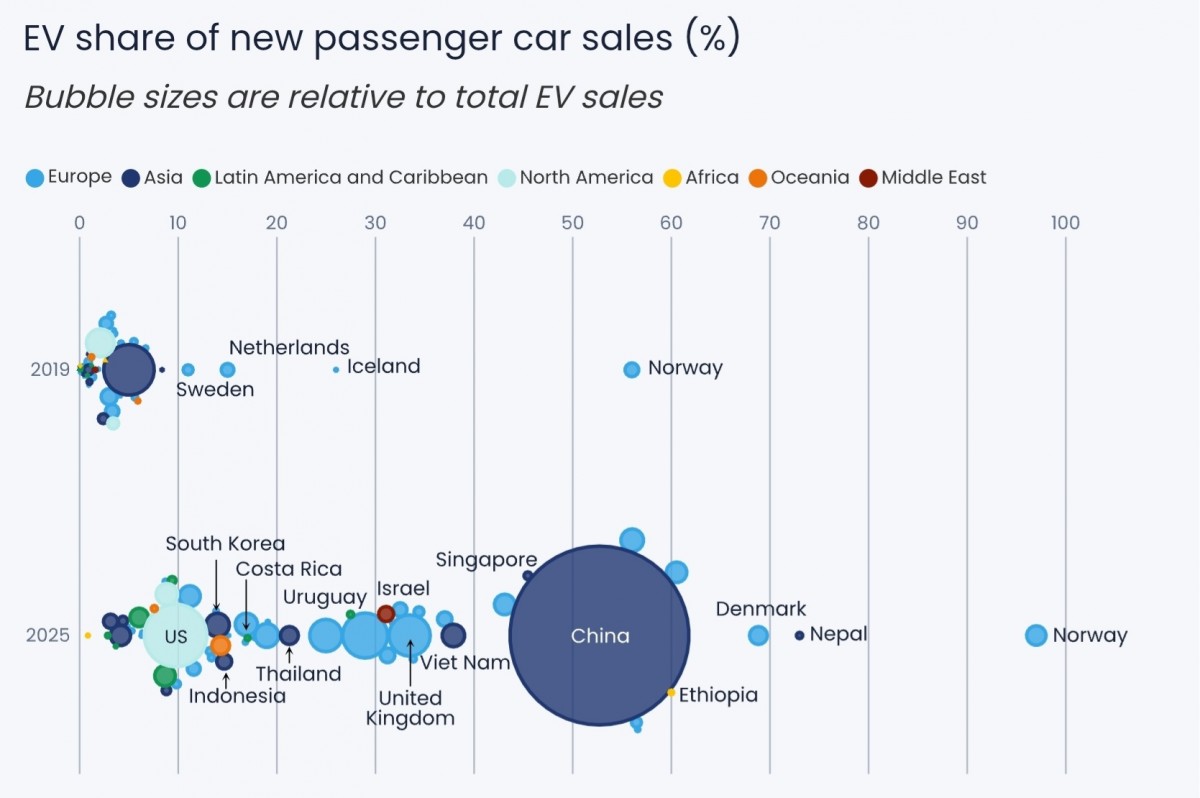
The United States and Europe used to lead the way in car trends for decades. Today, that story is way different. New data from this year reveals that electric cars are no longer just a luxury for wealthy nations. Instead, emerging markets in Southeast Asia and Latin America are now the ones adopting EVs the fastest. In 2019, only four countries saw electric cars take up more than 10% of their new car sales. By 2025, that number has jumped to 39 countries. A third of these leaders are now located outside of Europe.
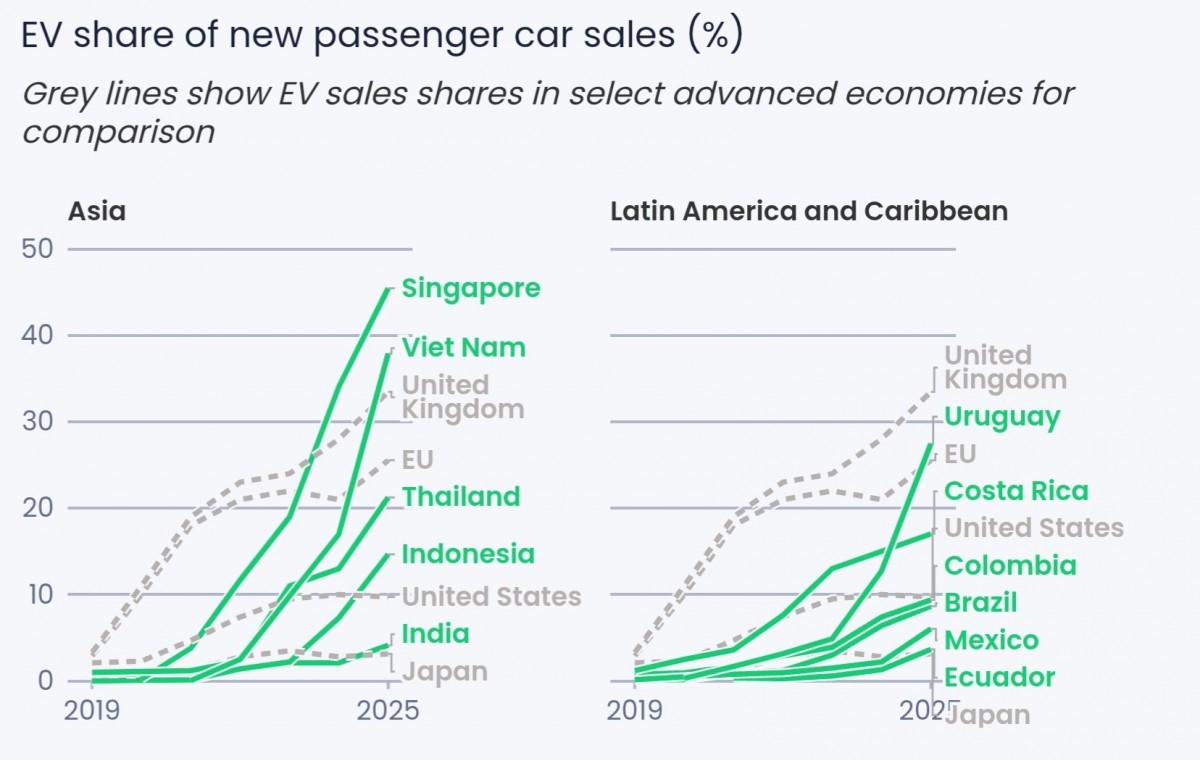
China remains the giant in this field. This year, for the first time, more than 50% of all new cars sold in China were electric. But the real surprise is coming from its neighbors. Viet Nam's share of electric cars reached nearly 40% in 2025. That is double what it was just last year. For comparison, the European Union average is 26%, and the United Kingdom sits at 33%. Even Thailand has hit a milestone, with EVs making up 20% of its new car sales this year.
 Source: Ember Energy
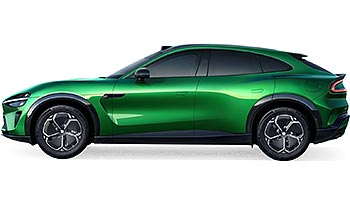
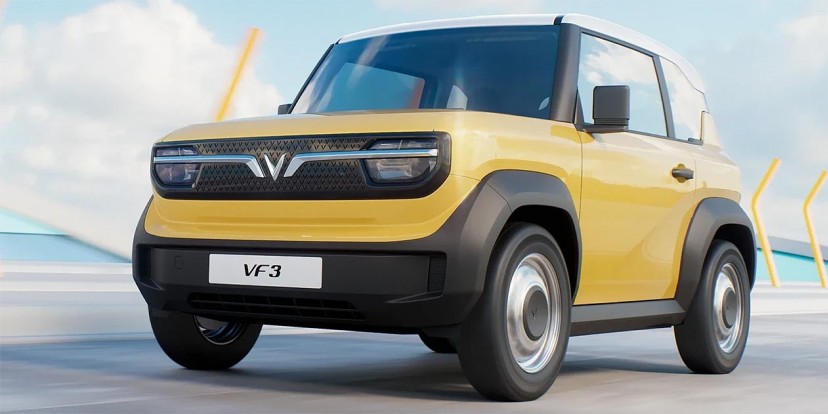
In Viet Nam, VinFast VF 3 has become the best-selling car in the country. This tiny "mini-SUV" is built for city life. It measures 10.47 ft long, 5.51 ft wide, and 5.31 ft tall. Despite its small size, it fits four people and offers a ground clearance of 7.5 inches. It uses an 18.64 kWh battery and can travel up to 130 miles on a single charge. It also charges quickly, going from 10% to 70% in just 36 minutes. In many markets, this car is expected to start at a price of around $20,000.
Other nations are using EVs to save money and clean their air. Ethiopia recently banned the import of gas-powered cars entirely. Because they have lots of water power for electricity, electric cars now make up 60% of their sales. In Nepal, that number is even higher at 76%. These countries want to stop buying expensive oil from other nations. Indonesia is also moving fast. Its EV sales share reached 15% this year, which is actually higher than the 7.3% share seen in the United States. Indonesia even gives tax breaks to companies like CATL and BYD to build batteries and cars locally.
 Source: Ember Energy
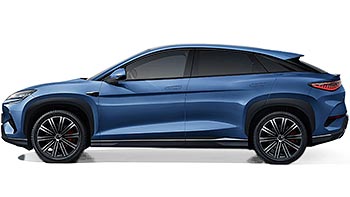
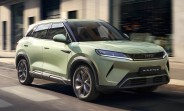
Latin America is joining the race, too. Uruguay has reached a 27% share for electric cars, while Costa Rica is at 17%. Brazil and Mexico are now selling a higher percentage of EVs than Japan. In Brazil, driving an electric vehicle reduces the use of fossil fuels by 90% because the electricity comes from very clean sources. Popular models like the BYD Dolphin Mini (sold as Seagull or Surf in other markets) are helping. In Brazil, this car costs about R$115,800 (roughly $23,000). It has a 38 kWh battery and a range of about 174 miles. These prices make it easier for regular families to switch away from gas.
Countries like the US have recently cut back on tax credits, but the rest of the world is moving full speed ahead. Between January and October 2025, one out of every four cars sold globally was electric. This global shift is helping to create millions of new jobs. In Viet Nam alone, experts think the industry could create 6.5 million jobs by 2050. The era of the gasoline engine is fading, and the new leaders of the EV shift are appearing in places we might not have expected just a few years ago.
Related

Reader comments
Nothing yet. Be the first to comment.