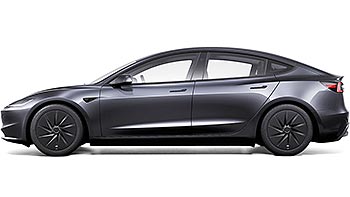
Tesla Semi finally leaves the sidelines and goes into production
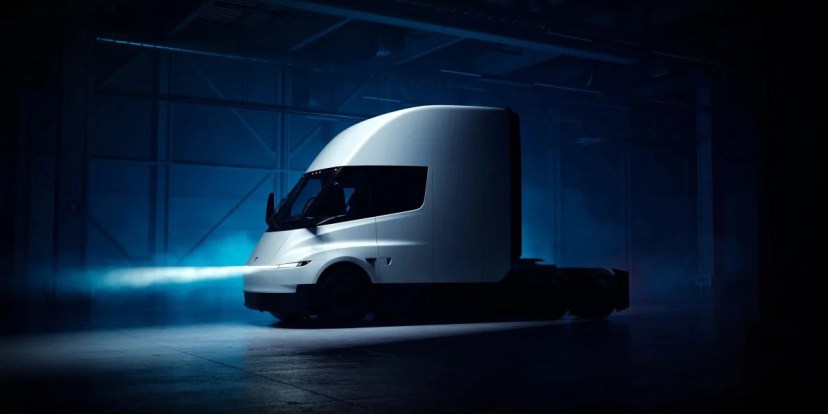
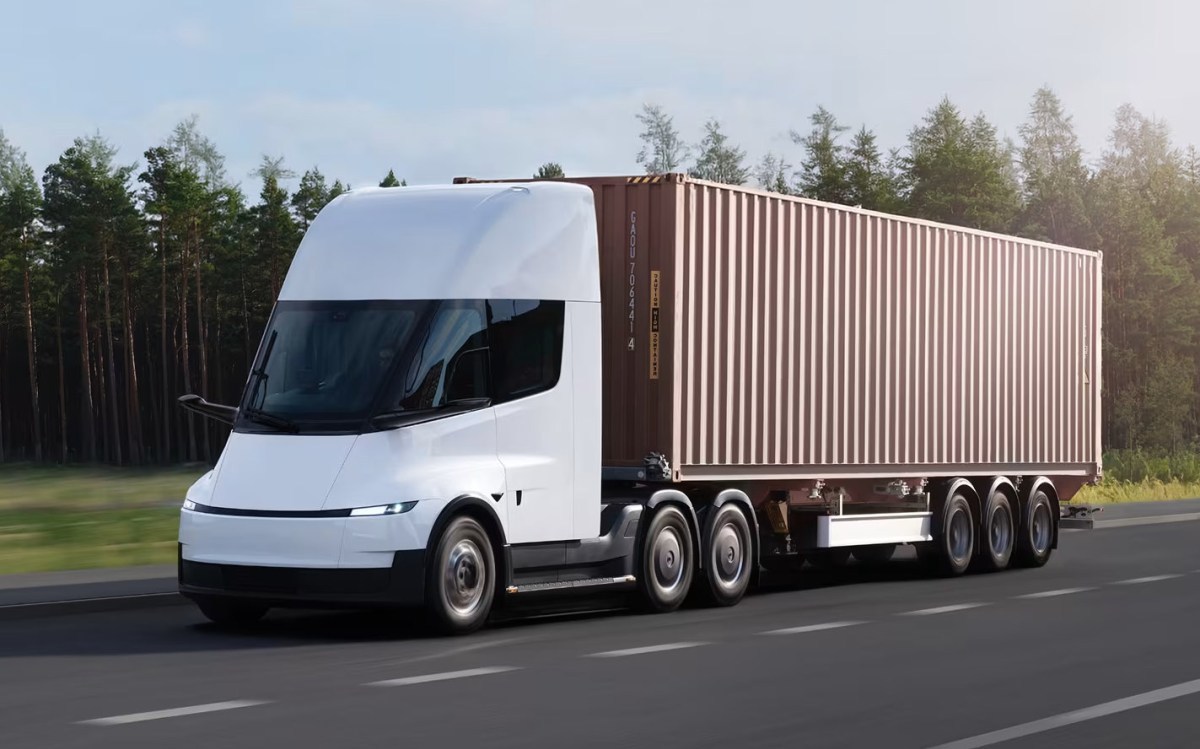
Seeing an eight-ton Class 8 commercial tractor haul itself off the line like an angry hot hatch is something you need to experience - otherwise you won’t believe it is possible. For nearly seven years, we have treated the Tesla Semi like a ghost story - a sleek silhouette seen hauling crisps or sitting in the background of earnings calls. Forever stranded in a development program.
But the waiting is finally over - Tesla has formally cut the ribbon on its purpose-built, 1.8 million-square-foot production plant in Sparks, Nevada, and celebrated with an ambitious target of assembling 50,000 electric rigs every single year… Every time Tesla does it, I cringe. Why not leave it alone and celebrate the achievement? Why the lofty goal again?
Semi is here
Today, we're launching high volume production https://t.co/QQjYDmcPsf
— Tesla Semi (@tesla_semi) September 25, 2026
Hearing Elon Musk preach about high-volume builds brings an honest sigh of relief. Commercial logistics is the dirtiest part of the transport world, and electrifying it does infinitely more for the atmosphere than putting five hundred electric hypercars into temperature-controlled garages. Corporate giants are already opening their checkbooks to cash in on the promises: PepsiCo, US Foods, Microsoft, and DHL are lined up at the factory gates - 2,500 Semis ordered in a week, plus a 500-unit commitment from Swedish autonomous freight innovator Einride.
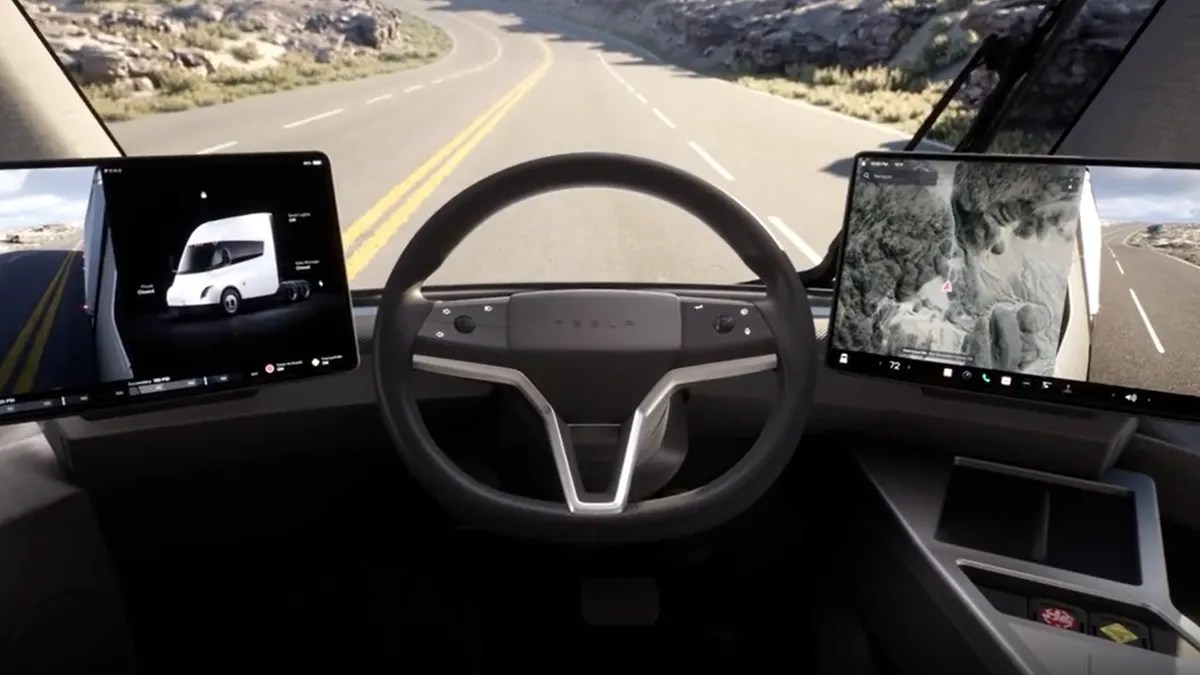
The Semi changes the working life of long-haul drivers - it really is a revolution. Traditional long-distance diesel cabs are claustrophobic and noisy. The Semi puts the driver right in the center of the cockpit - delivering perfect sightlines, flat floor space, dual panoramic control displays, and an instant wall of torque from a tri-motor powertrain. It pulls a full payload up mountain passes without the shuddering, and without the clattering downshifts.
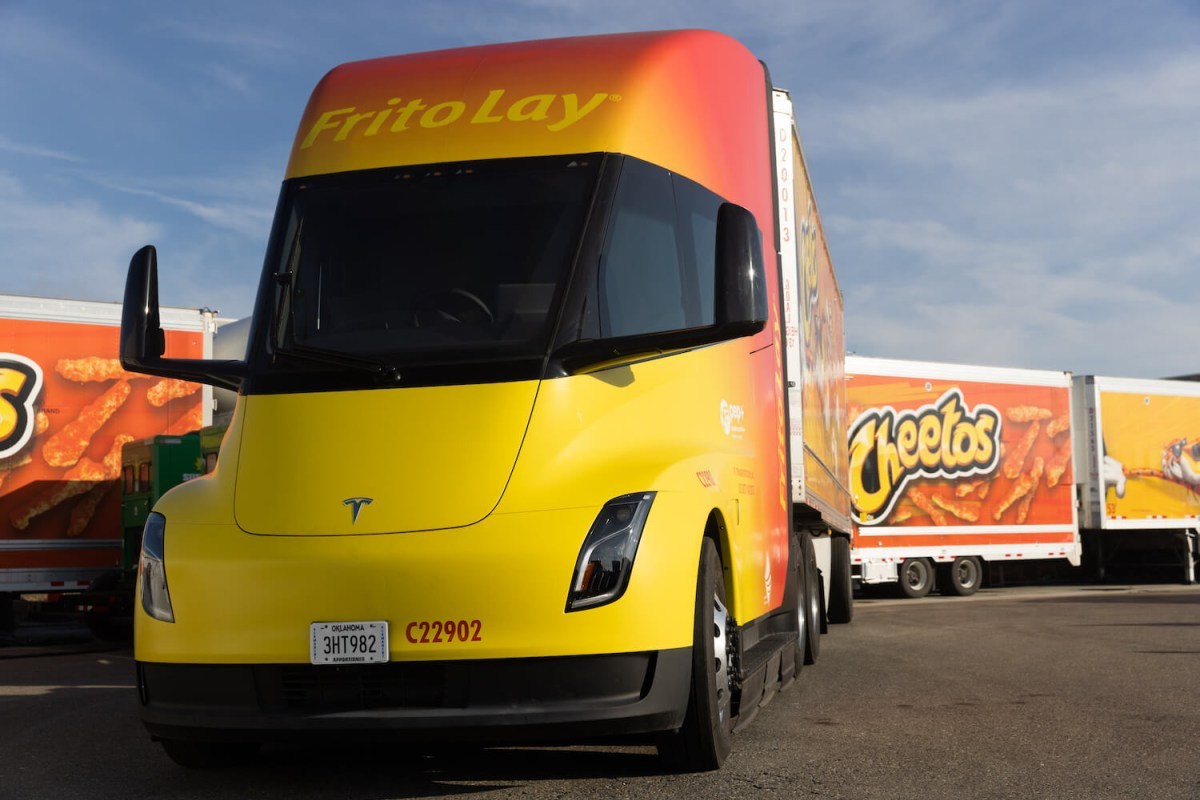
But as impressive as the driver experience promises to be, this rig has to survive the brutal commercial haulage. Elon promises operating savings, quoting roughly 1.7 kWh per mile against an old-school diesel tractor averaging seven miles per gallon. For a long-distance hauler pounding out 100,000 miles annually, fuel savings alone could easily go over $66,000 a year per chassis. That is serious money - it makes fleet managers ignore the truck’s steep price, which hovers around $250,000 for the Standard Range model and $290,000 for the full-fat Long Range variant.
As usual, Musk could not resist boasting about something - this time it was the Megacharger infrastructure, promising that a one-megawatt pipeline can dump 60% of juice back into the Semi’s battery in 30 minutes. Five years ago, piping a megawatt of DC current into a vehicle sounded impossible. But the charging landscape has shifted under Tesla’s feet.

Just a few days ago, Geely took the wraps off a charging system pumping 2.2 MW and capable of taking an electric family SUV from 10% to 70% in four and a half minutes. Not to be outdone, Chinese battery heavyweight Sunwoda debuted its 15C smart flash charging battery, which swallows a 10% to 97% charge in nine minutes flat with no thermal degradation. A single megawatt is still impressive, but Tesla’s Megacharger is no longer playing solo.
The American spec sheet of the Semi reveals an estimated gross combination weight of 82,001 lb and up to 500 miles of loaded range on the largest battery pack (around 875 kWh capacity). The official European specifications confirm that the truck will arrive rated for a gross combination weight of 40 metric tons, with an estimated driving range of 342 miles at a steady 50 mph.
Fitting into Europe’s logistics network needed surgery. The protruding aerodynamic nose of the American long-haul tractor has to play well with EU cab-length regulations, which is why the Euro-spec Semi swaps the massive American side mirrors for sleek digital camera stalks, gains dual LED lighting strips, and has a standard 25 kW electric power take-off (ePTO) module for refrigerated trailers. With local deliveries kicking off in 2027, depot charging will be handled by a 120 kW Basecharger capable of delivering 60% capacity during an obligatory four-hour driver break, backed by highway Megachargers pulling up to 800 kW.
Tesla is not the only one with an electric truck on the Continent. Mercedes has the eActros 600, with a 621 kWh lithium iron phosphate pack, and a range of 310 miles. The Volvo FH Electric has up to 540 kWh of capacity, providing a realistic regional haul range of 186 miles with a gross combination weight up to 44 metric tons. The Tesla Semi promises superior long-distance range figures on paper, but European fleet operators care more about dealer networks, uptime guarantees, and cab dimensions tailored to highway networks.
Of course, Tesla couldn’t help itself and managed to stoke its typical enthusiast frenzy by teasing its elusive next-generation Roadster ahead of an early October reveal. The shadowy teaser video - featuring opening warehouse blast doors and what looks suspiciously like a SpaceX emblem flanked by a sleek front light bar - is pure Elon showmanship. It reminds us of Tesla’s split personality: on one side, a manufacturing giant finally figuring out how to mass-produce heavy haulers in Sparks; on the other, a performance pioneer still teasing cold-gas thrusters and zero-to-sixty times that feel more like physical violence.
Watching the Nevada factory doors swing open to a string of actual production Semis is a huge relief for anyone who genuinely cares about commercial fleet decarbonization. The truck is no longer a trade-show dream or an eccentric Silicon Valley science fair project. Tesla has only one task now - to prove it can scale up to that 50,000-unit ceiling, keep those huge high-voltage packs healthy under relentless abuse, and show the world’s logistics operators that leaving diesel behind really is the way forward.
Related



Reader comments
Nothing yet. Be the first to comment.