Michigan takes Big Oil to court over electric cars
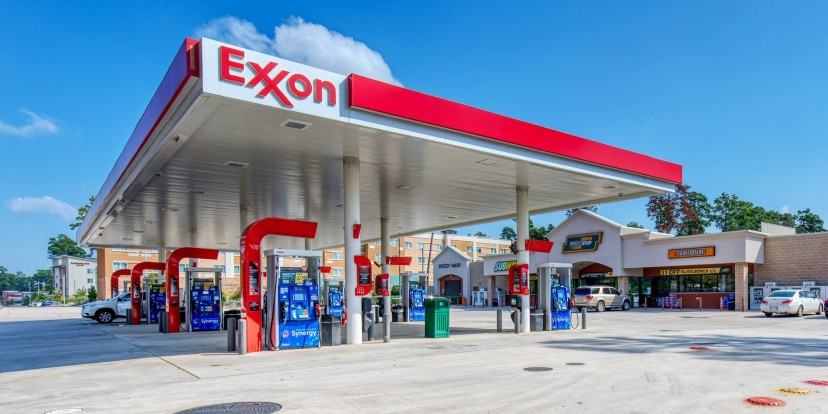
Michigan is taking a legal stand against the biggest names in the petroleum business. Attorney General Dana Nessel filed a federal antitrust lawsuit that targets companies like BP, Chevron, Exxon Mobil, and Shell. The legal filing also names the American Petroleum Institute, which is a major group representing the interests of these businesses. The state argues that these companies worked together like a "cartel" to stop the growth of electric cars and renewable energy.
The lawsuit spans 126 pages and contains serious accusations. It claims these companies held back innovation to keep people dependent on gasoline. By doing this, the state says the companies were able to keep energy prices high for everyone. Michigan argues that if this hadn't happened, electric cars would have become popular and affordable many years ago. Instead, the state claims the oil industry used its power to make sure cleaner options stayed out of reach for the average driver.
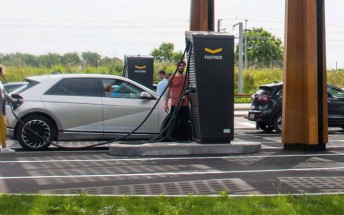
One of the most interesting parts of the lawsuit focuses on how these companies allegedly blocked progress. Michigan says the oil industry intentionally slowed down the installation of chargers for EVs at gas stations. It also accuses them of sitting on battery technology that they helped create decades ago. Essentially, the state believes the industry had the tools to help the world move away from oil but chose to hide them to protect their profits.
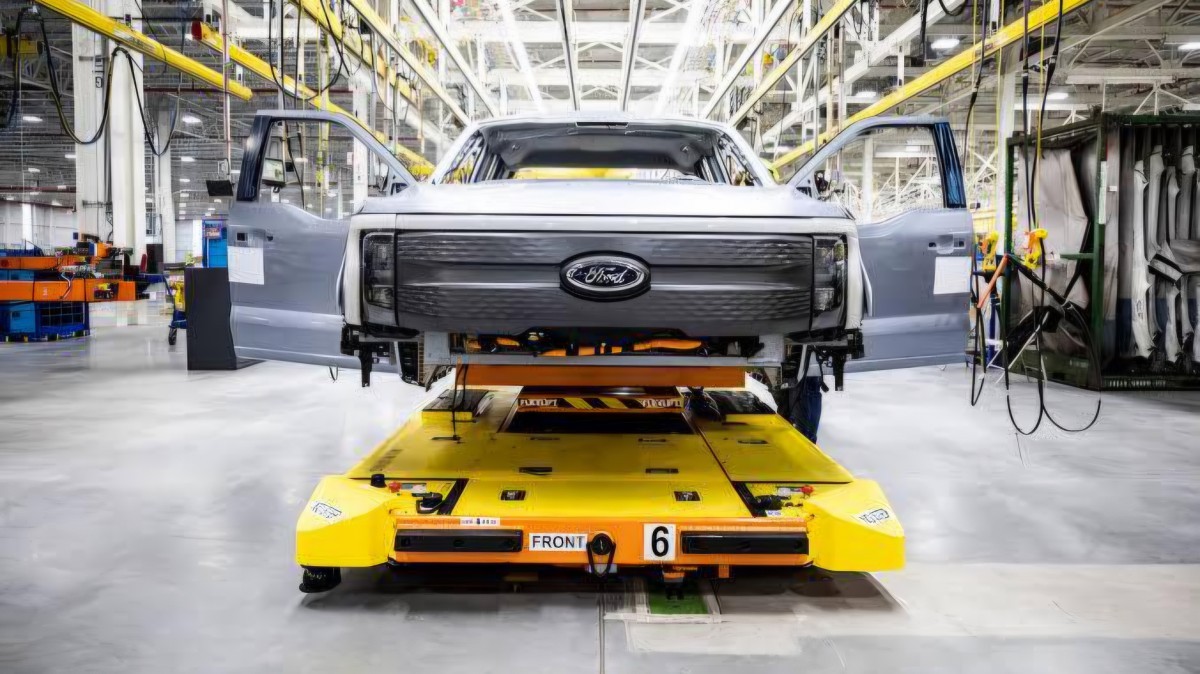
The lawsuit also points to a massive misinformation campaign. It alleges that the oil companies funded blogs, think tanks, and media outlets to spread false stories about electric cars, meant to make people doubt the reliability and benefits of EVs. The state says this made it harder for consumers to trust new technology, which kept them buying gasoline-powered vehicles instead of switching to cleaner alternatives.
The timing of the lawsuit is important because the American auto industry is currently at a crossroads. Companies like Ford, General Motors, and Stellantis are based in Michigan, and they have recently slowed down their plans for electric cars. They are putting more money back into gasoline engines, claiming that customers aren't ready to go fully electric yet. Michigan's lawsuit suggests that the reason customers aren't ready is because the oil industry has been working behind the scenes to make EVs less attractive.
Government changes are also playing a big role in the current car market. The Trump administration has taken steps to support the oil and gas industry. New policies have rolled back fuel economy rules and eliminated tax credits that helped people buy electric cars. There is also less federal money available for building the chargers that EVs need to travel long distances. While the government pivots toward fossil fuels, Michigan is using the courts to fight back and demand a different future.
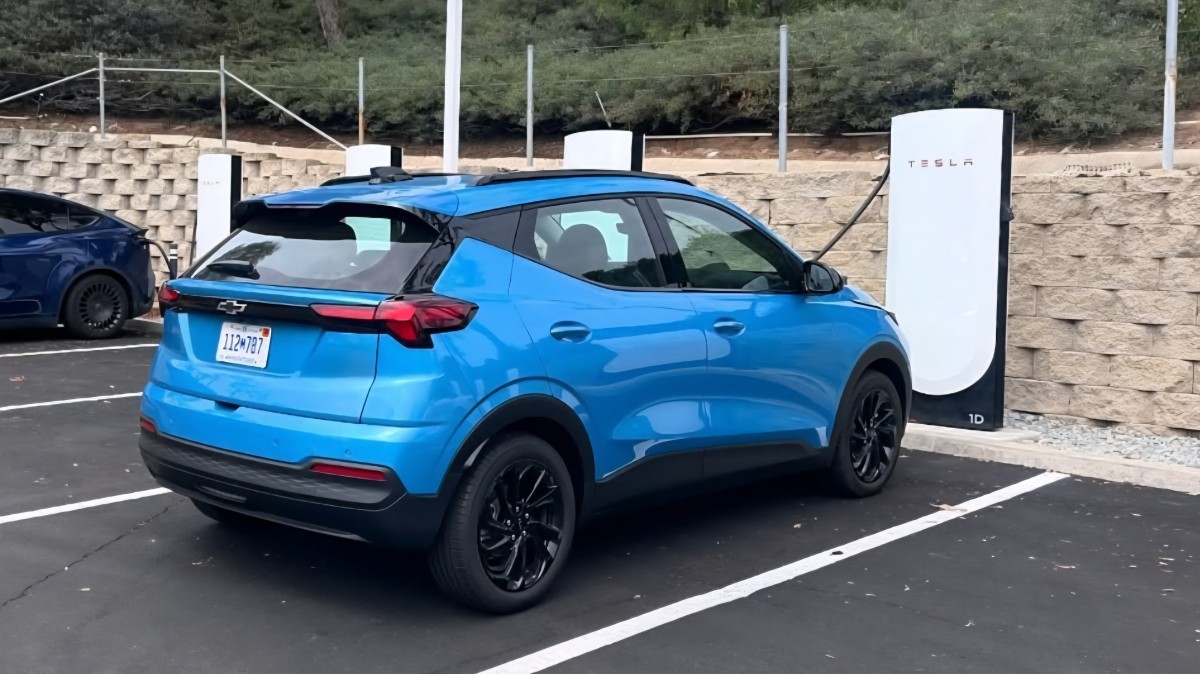
The financial stakes in this case are incredibly high. Michigan is asking for a jury trial and wants the oil companies to pay back billions of dollars. This money would cover the "overcharges" that the state and its citizens paid for energy because of the alleged conspiracy. The state also wants the companies to hand over the profits they made from fossil fuels during the years they were supposedly suppressing competition.
Attorneys for the oil industry have already called the lawsuit "baseless." They argue that energy policy should be decided by Congress, not by judges in a courtroom. They also point out that Michigan's economy relies heavily on the oil and gas used by its own car factories. Despite these arguments, Michigan is moving forward. The state wants to prove that drivers are only using gas because they were denied a fair choice, not because gasoline is better or cheaper.
Michigan is now among a growing list of states taking oil companies to court. Other states like Maine and New Jersey have sued over climate change, but Michigan is the first to use antitrust laws this way. This means the case focuses on fair competition and the right of consumers to have access to new technology like electric cars. If Michigan wins, it could change how energy is sold and promoted across the entire United States.
Related




Reader comments
Nothing yet. Be the first to comment.