XPeng G9L drives from Austria to Paris for its European debut
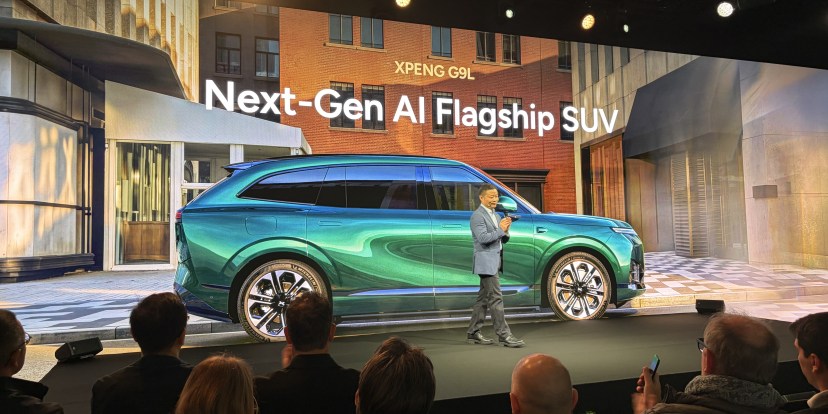
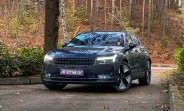
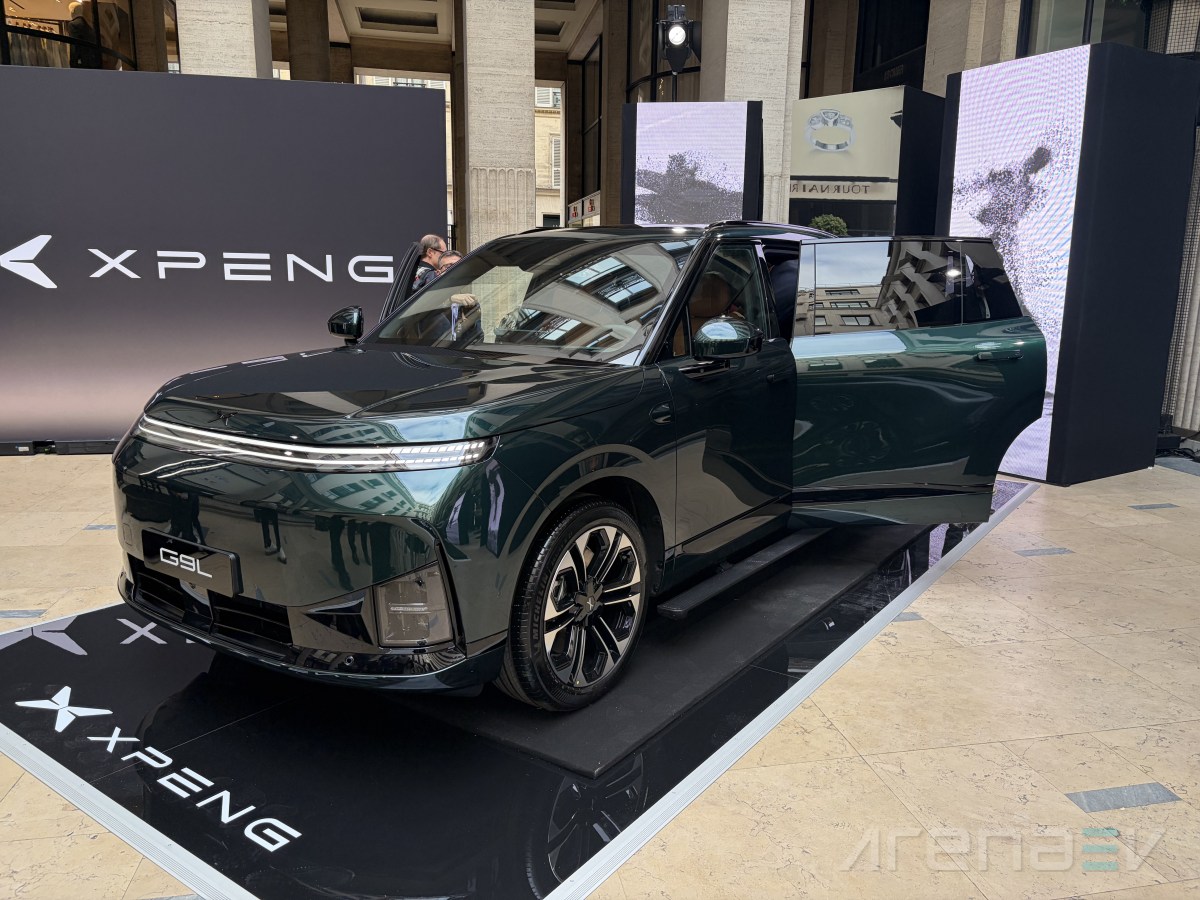
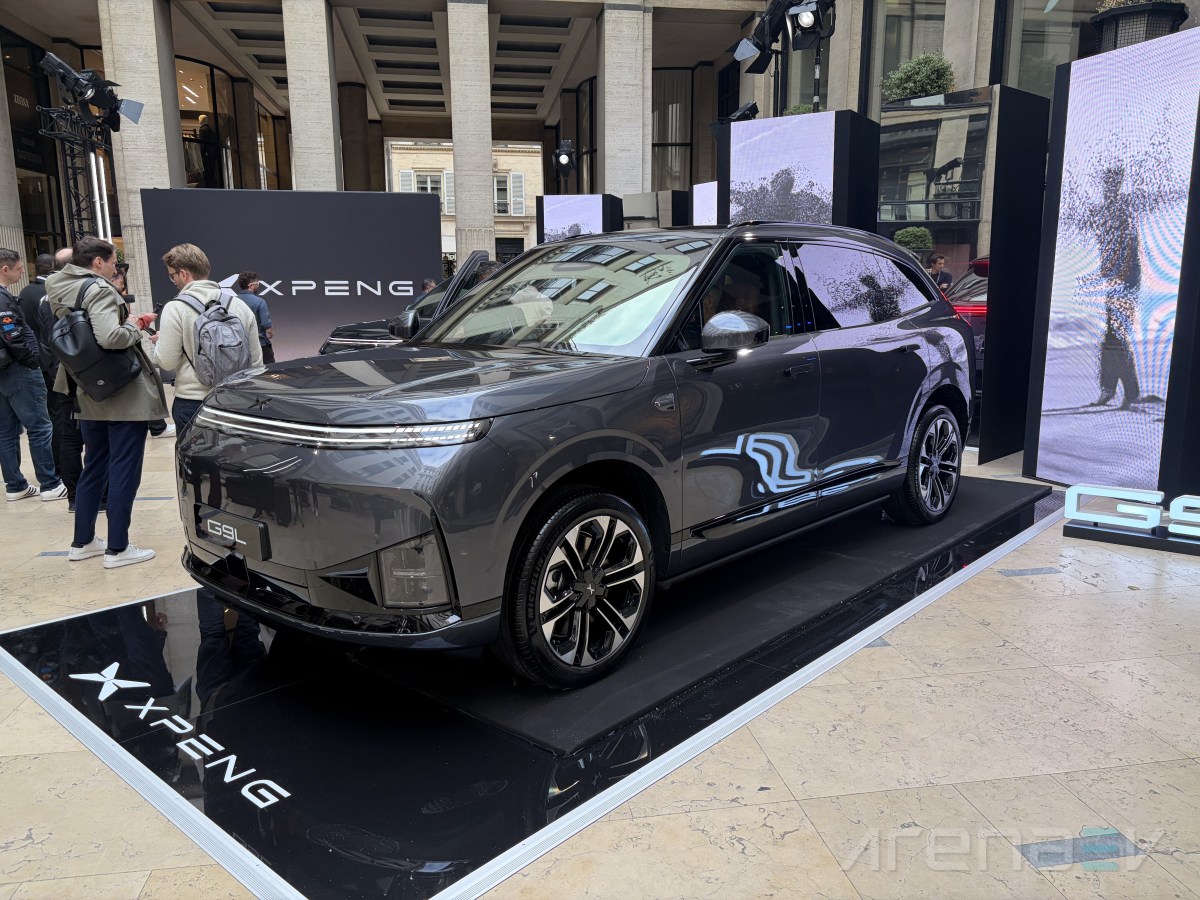
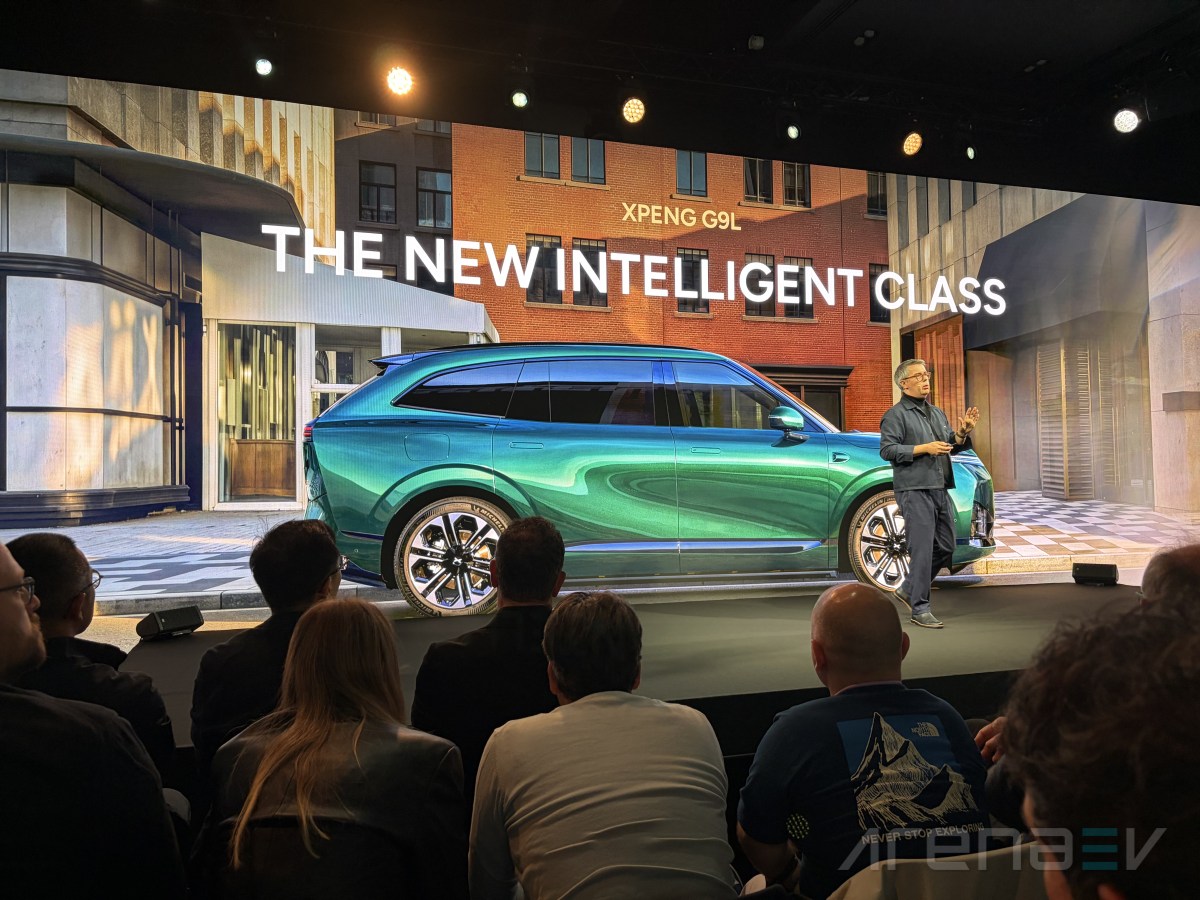
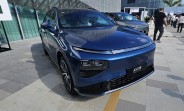
The excitement has barely settled at the Paris Expo, and I am already circling XPeng’s latest addition to its growing lineup. Minutes ago, the G9L took its first public bow on European soil, with the pre-production prototype sitting under the spotlights, arriving covered in road grit after a 823 miles shakedown trek - a flat-out sprint from Magna Steyr’s historic assembly facility in Graz, Austria, right into the heart of France.
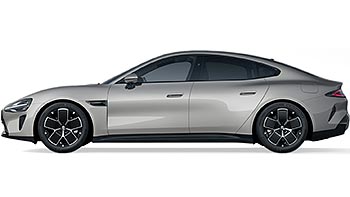
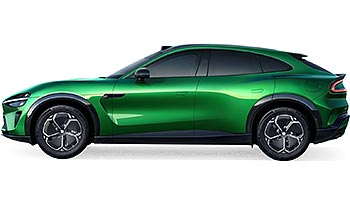
Stand next to the G9L, and your expectations suddenly feel inadequate. This serious grand-cruiser stretches 201.6 inches courtesy of its 122 inches wheelbase, and spans 78.7 inches side to side. The styling borrows the clean looks of its GX sibling - complete with stealthy flush handles, large 21-inch forged alloy wheels, and soft-close doors that latch with that airtight thud normally reserved for bank vaults. It is so large that it makes nearby crossovers look like nervous hatchbacks.
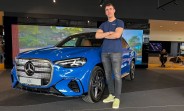
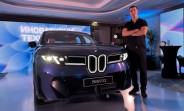
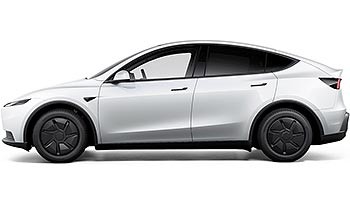
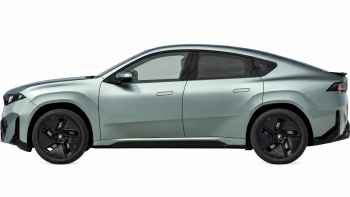
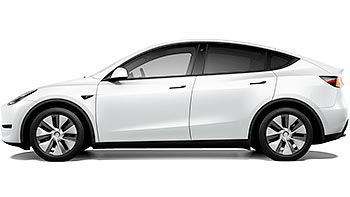
Just to prove the point - the G9L is 4.96 inches longer than the BMW iX5, and it easily overshadows the Tesla Model X - which measures 198.3 inches in length with a 116.7 inches wheelbase. It dwarfs the Audi Q8 e-tron at 193.5 inches long on a 115.3 inches wheelbase. Tipping the scales between 5,997 lb to 6,041 lb, this is a heavyweight contender in the truest sense of the term.
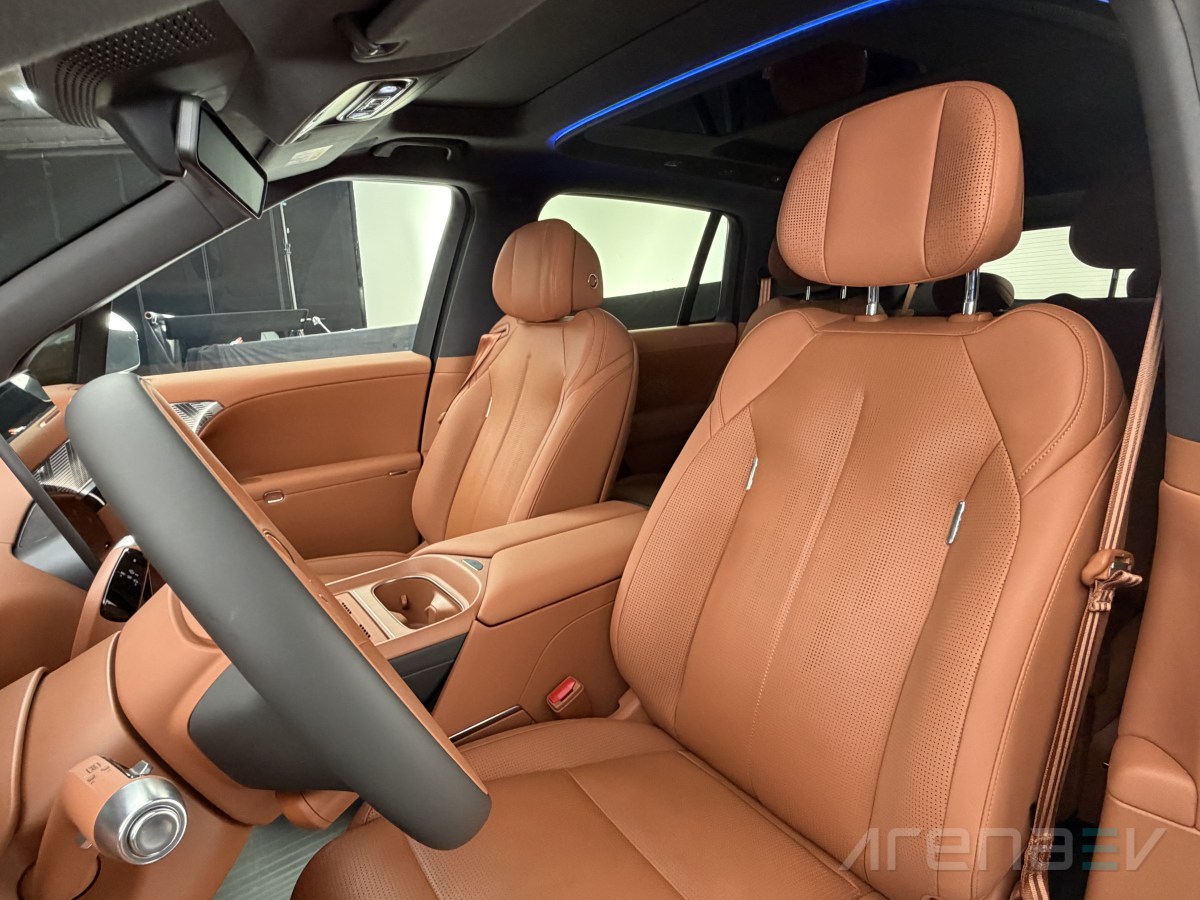
Where most automakers would have lazily crammed in a compromised, knee-scraping third row just to check a family-hauler box on a brochure, XPeng pulled a remarkably clever move: the European customers are getting both 7- and 6-seater setups (depending on the market). The six-seater is the definition of opulence - front and middle seats are heated, cooled, massaged, and can fully recline. The third-row seats offer a lot of room, surprisingly, with easy access between the middle-row captain chairs. There aren’t many 6-seat SUVs in Europe, and XPeng might end up being a pioneer in this niche.
The digital nerdery is where XPeng excels. Orchestrating the cabin is a 2,250 TOPS of computational muscle, driven by four proprietary AI Turing processing chips running the firm’s second-generation Vision-Language-Action neural model for autonomous driving. But the peak of engineering excess has to be the seating frames. XPeng managed to pack 91 pressure sensors into the cushions, sensitive enough to register a weight variation of just 2 grams. Shift your weight ever so slightly, and the pneumatic bolsters whisper into action, subtly inflating to tuck your ribs in place. It is beautifully over-engineered, and impossible not to grin at.
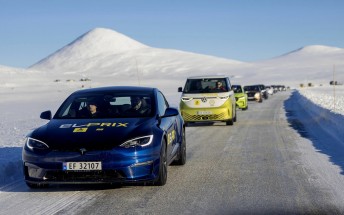
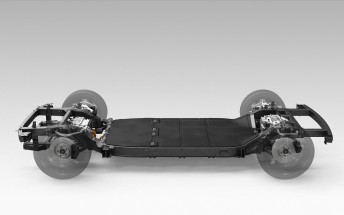
Hustling 6,041 lb of luxury through twisty roads usually ends up being a somewhat stomach-churning experience, but XPeng’s chassis department did its homework. A flagship smart chassis with adaptive air suspension comes bolted on as standard kit, constantly stiffening and leveling to defy the laws of momentum. XPeng even arrived in Paris boasting that the G9L locked in the fastest moose-test evasive speed in its size bracket. While tossing a two-and-a-half-ton palace through rapid directional transitions will never mimic the agility of a lightweight sports coupe, keeping that much bulk flat and composed when dodging imaginary Scandinavian wildlife is a genuine chassis-tuning triumph.
The all-wheel-drive dual-motor setup promises to be more than adequate. A 160 kW motor spins the front axle, and a 270 kW unit works away at the rear, delivering a collective 430 kW (577 horsepower). That is plenty to haul this land yacht up to an electronically pegged top speed of 124 mph. When the battery runs low, the native 800V silicon-carbide architecture sucks down 280 miles of fresh driving range in 9 minutes flat on a sufficiently potent DC dispenser.
Equally telling is the pragmatic mechanical pivot lurking under the hood. While pure battery power remains the flagship spearhead, XPeng is actively engineering an extended-range electric vehicle version to stand alongside the pure EV, but Europe will have to wait a while longer for this particular model. Offering a petrol-powered range extender is a savvy nod to real-world infrastructure gaps outside sleek urban hubs - it gives cold-climate drivers and cross-border road-trippers an ironclad security blanket. Wrap both powertrain flavors in an aviation-grade safety cell engineered from the ground up to sweep five-star ratings across Euro NCAP and ANCAP crash tests, and it becomes obvious this car was conceived with international customers in mind from day one.
Manufacturing the G9L right here in Europe cements that global ambition. Rather than shipping finished metal across oceans, XPeng wrapped trial production on October 7 at Magna Steyr’s famed Graz works in Austria, turning the G9L into its fourth European-assembled model alongside the G6, G9, and P7+. Sharing assembly lineage with the legendary machinery that rolls through Graz gives the brand instant street cred. At the same time, right-hand-drive units are already rolling off lines in Guangzhou earmarked for Australia, with the UK right behind it, as the company expands into 64 international markets.
But away from the showroom lights, the balance sheet reveals the brutal cost of that global expansion. XPeng’s second-quarter financial filings for 2026 show overall revenue rose 8% year-on-year to RMB 19.74 billion. Vehicle deliveries crawled upward by just 0.1% year-on-year to 103,295 units, with margins hovering at 12.1% compared to 14.3% in the prior period. The real financial lifesaver has actually been XPeng’s software; licensing technical R&D and platform architecture to legacy automakers drove service margins up from 53.6% to 75.1%.
Standing here next to the G9L as the Parisian crowds swarm in, the price tag of $87,700 leaves a fascinating question hanging over the continent. That price comfortably undercuts equivalent EVs from Munich and Stuttgart while offering significantly more room, computing power, and standard equipment. The days when European legacy boardrooms could dismiss Chinese tech brands are dead and buried.
Related
Reader comments
Nothing yet. Be the first to comment.