Volkswagen starts building the new ID.Tiguan as first customer cars roll out of Emden
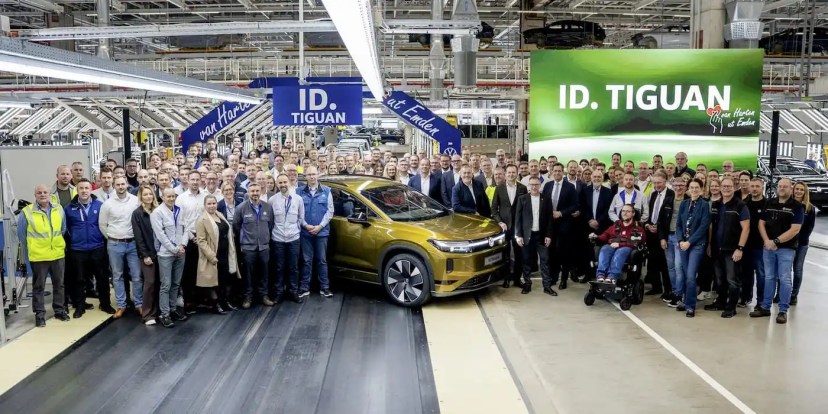
The electric car market has been a bit of a waiting game of distant promises, concept sketches, and software updates that were supposed to fix frustrating cabin controls six months after many customers started making monthly payments on their new cars. If you believe marketing promises, that waiting game just ended for Volkswagen's most important family crossover. Production of the new ID. Tiguan has officially started at the Emden factory in Germany, meaning the first batch of customer cars is now coming down the assembly line and heading to European showrooms.
Having actual cars moving down the line at Emden is a big moment for Wolfsburg, especially after a bruising couple of years in the showroom. Order books for the ID.Tiguan opened back in October across Germany and select European markets, so these early builds are not press demonstrators or display props - they are real cars bound for the driveways of early buyers. This production milestone also is the formal retirement of both the ID.4 and the coupe-roofed ID.5, which bowed out after combining for more than 950,000 sales since 2021. The ID.Tiguan going into manufacturing next to the larger ID.7 saloon should help Volkswagen shore up its EV deliveries, which slipped by nearly 28% in the first half of 2026 as buyers held off for this new model.
Retiring the numerical naming system is part of a much bigger course correction that has started with the European ID.Polo and ID.Cross. Volkswagen Brand CEO Thomas Schäfer said that the Tiguan is the company's best-selling nameplate worldwide - with more than nine million units built since 2007 - with the outgoing ID.4 and ID.5 doing the heavy lifting for the electric range. Merging those two lines under a single badge is what the company calls its True Volkswagen strategy. Stripping away the marketing talk, it is a sensible admission that regular buyers never warmed up to numbered cars that looked and felt like science projects gone a bit awry, and that people prefer spending their money on a name they already trust.
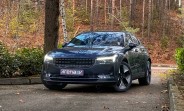
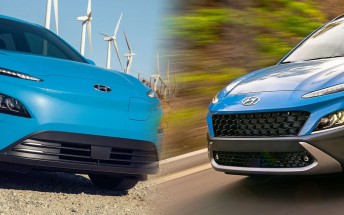
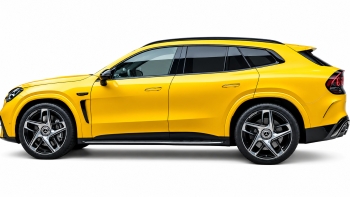
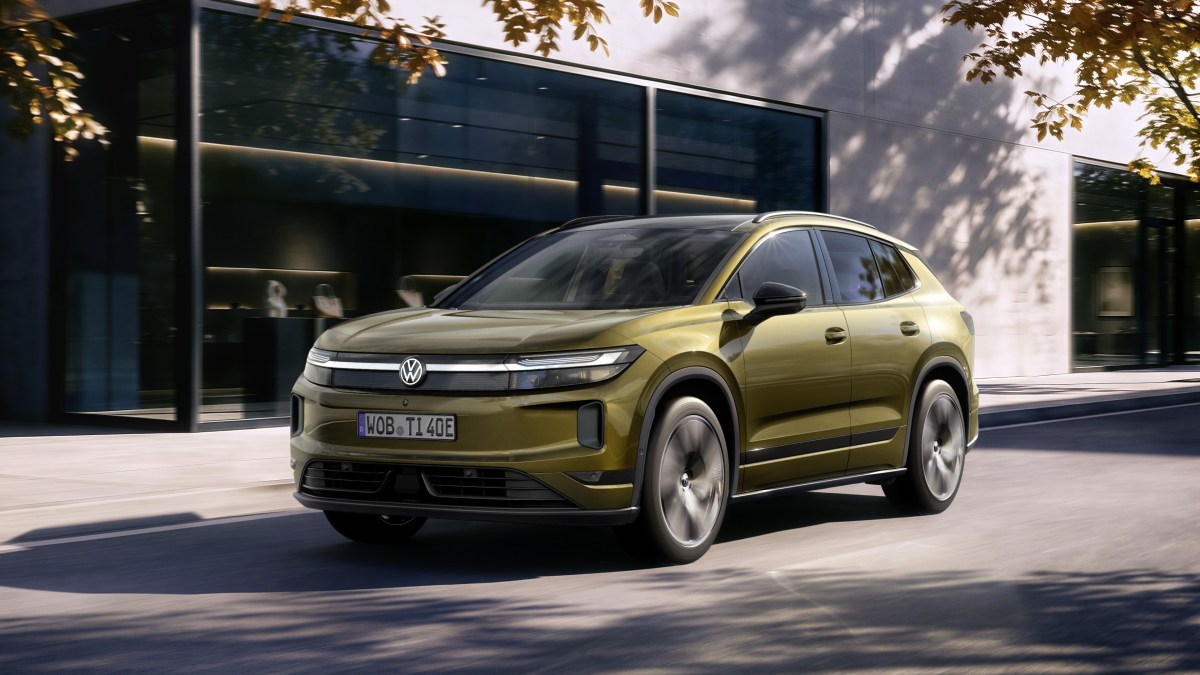
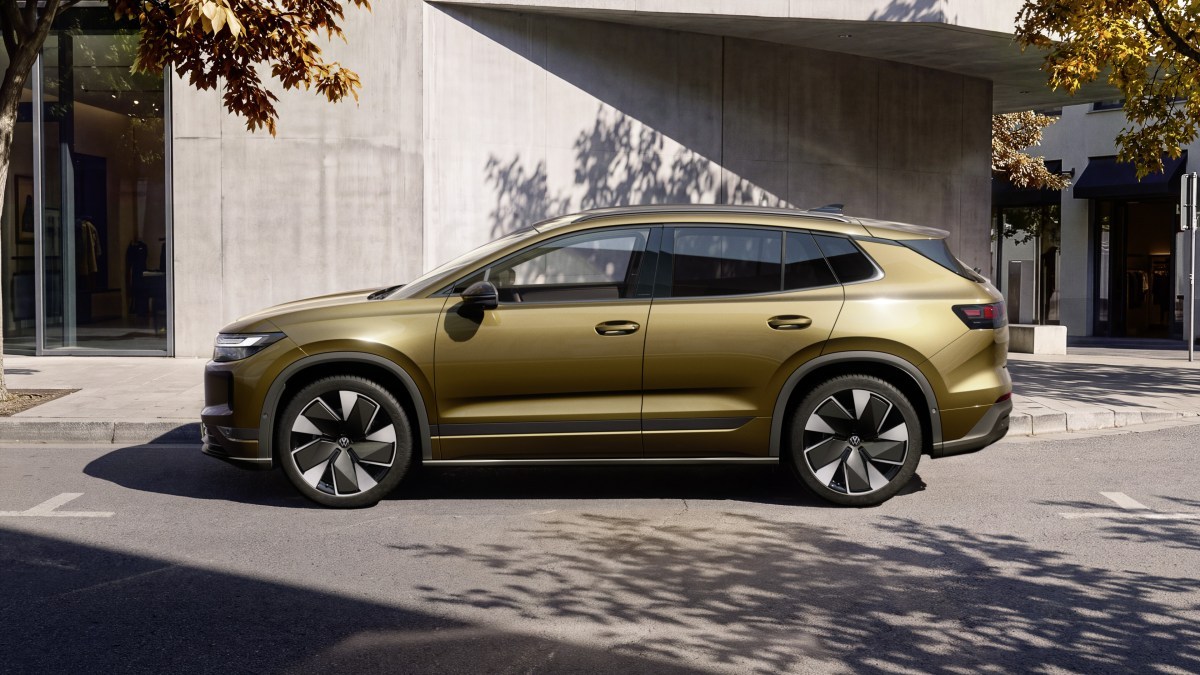
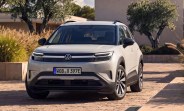
Those first buyers taking delivery out of Emden are getting a car that looks nothing like the smooth, pebble-shaped ID.4 it replaces. Under the company's Pure Positive design direction, the exterior has been completely reworked to mirror the upright, boxy proportions of the petrol-powered Tiguan built in Wolfsburg. The wide, chunky front end gives the car a much squarer stance on the road, and the annoying flush door handles that required an awkward thumb-press have been replaced by standard pull-style mechanical handles. Volkswagen claims the sharper posture makes the SUV look like a product from the premium segment. Calling a family crossover a luxury car is a bit of a stretch, but a squared-off nose and a vertical tailgate make it much easier to place the corners of the vehicle when backing into a tight parking spot.
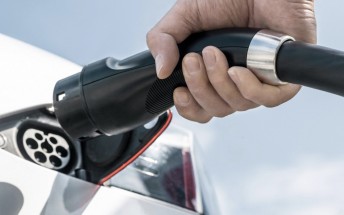
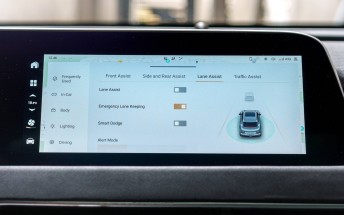
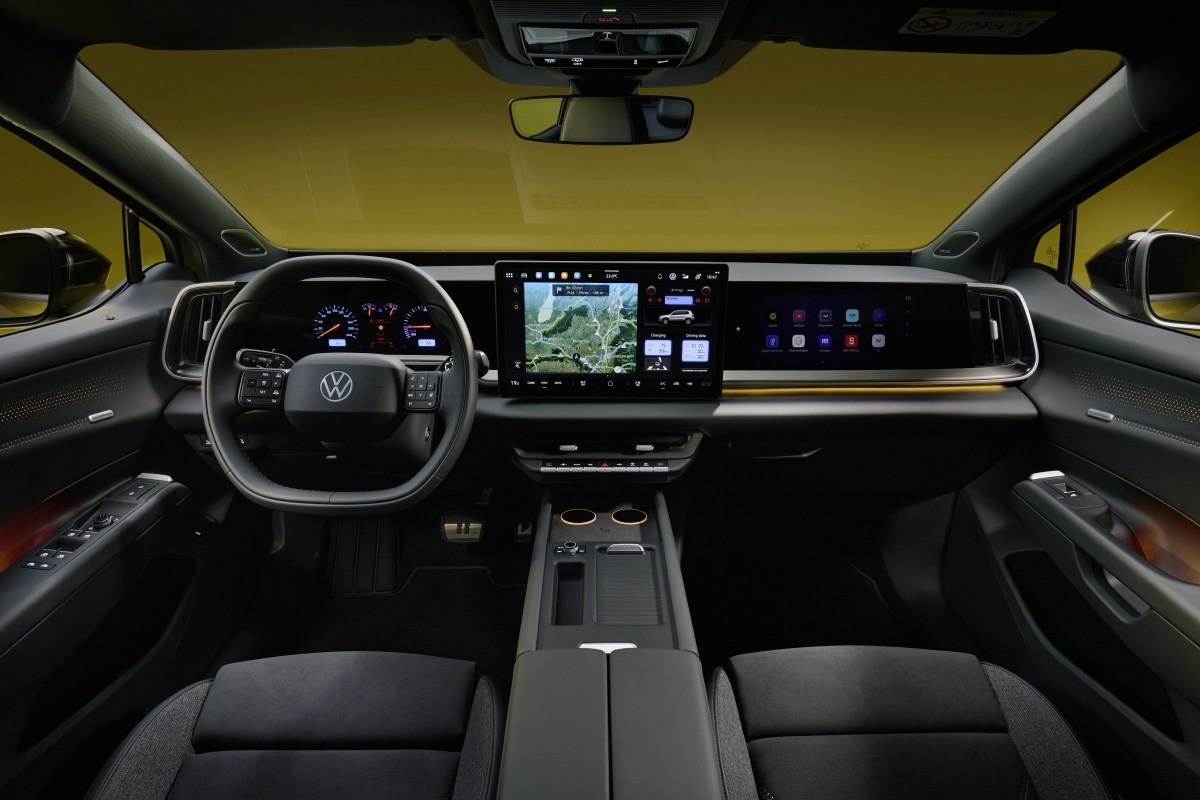
Opening the driver's door reveals the most practical upgrade of this entire production changeover. After listening to years of feedback from current owners, Volkswagen has finally put physical buttons back under the central screen and on the steering wheel. You no longer have to swipe blindly at unlit touch sliders in the dark just to turn down the cabin heater or adjust the volume. The updated dashboard comes with a 10-inch Digital Cockpit ahead of the driver and a 15-inch center touchscreen, plus an optional 12-inch screen on the passenger side. The everyday layout is also much better thought out, adding a 1.13 ft³ front trunk under the hood for muddy charging cables alongside the 18.9 ft³ rear trunk, plus a built-in power socket in the charging port that can run power tools or charge an electric bike.
To add a bit of personality to the new cabin electronics, the software engineers included a feature called Retro Mode. With a quick tap on the menu, the digital driver's display and the main screen switch over to classic instrument graphics inspired by older models. Drivers can also pick from six historic models to display inside a virtual garage on the center screen: the Golf I, Golf II Country, Golf IV, Tiguan I, Race Touareg, and the classic Beetle. It is a fun piece of nostalgia for long motorway trips, even if it is slightly ironic to see Volkswagen celebrate 1980s dashboard simplicity right after spending five years trying to convince us that physical buttons were obsolete.
The new electric Tiguan sits on the updated MEB+ electric platform, offering buyers two battery capacities and three power outputs. The range opens with a rear-wheel-drive model with a 58 kWh battery pack and a 140 kW (190 PS) motor. Moving up to the larger 77 kWh battery gives you a rear-wheel-drive version delivering 210 kW (286 PS) - this one uses the latest permanent magnet drive unit delivering 402 lb-ft of torque. At the top of the range we have the 4MOTION all-wheel-drive model, using that same 77 kWh battery to feed dual motors with a combined output of 220 kW (299 PS).
Even with the more upright front end, revisions to the power electronics and battery thermal management have pushed single-charge distances higher than before. Depending on the trim and wheel size, the ID. Tiguan gets a European WLTP range rating of up to 377 miles (the entry-level 58 kWh model covers up to 280 miles) - that is roughly 25 miles better than the outgoing ID.4 managed. In real-world driving during a cold winter with the cabin heater running, a 77 kWh battery realistically delivers closer to 264 miles between stops, which still gives a family more than three hours of relaxed cruising before pulling in for a coffee and a charge.
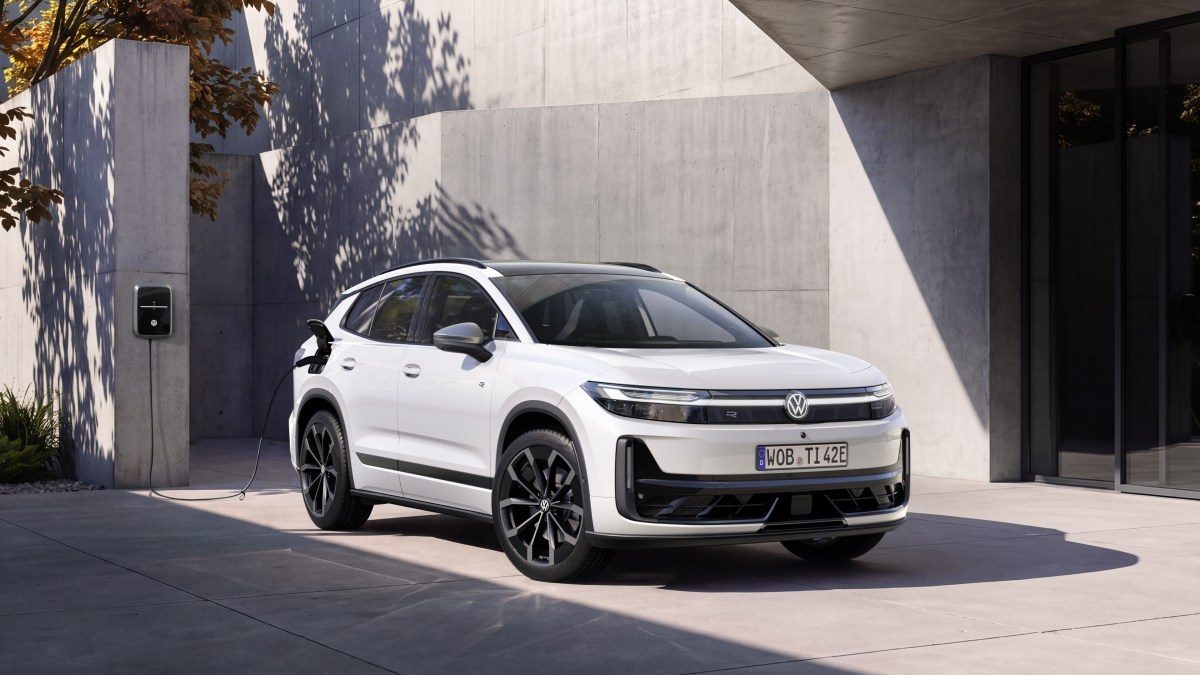
European buyers are paying a starting price of $50,017 in Germany. That puts the Emden-built SUV right in the middle of a fight against domestic competitors like the Renault Scenic E-Tech and Skoda Enyaq, as well as aggressive newcomers from China. North American drivers will have to wait until after the initial European rollout wraps up in early 2027 to get their hands on one. Because Volkswagen ended ID.4 production at its Chattanooga plant in Tennessee earlier this year, US-bound models are expected to ship directly from the Emden assembly line.
Related

Reader comments
Nothing yet. Be the first to comment.