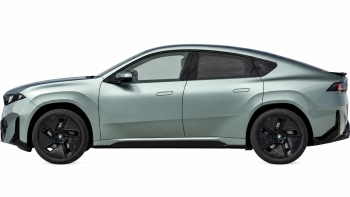
Volkswagen ID. Era 5X brings new architecture to China for under $15,000
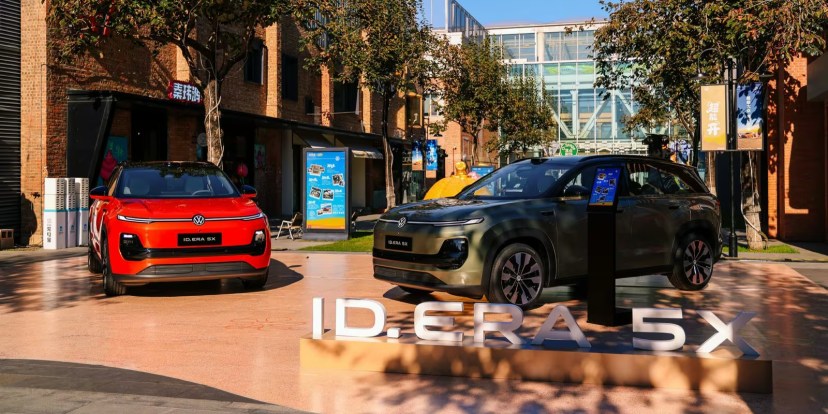
European automakers are trying to stretch ten-year-old hardware as far as their accountants will let them - that's hardly any news. You look at the price, look at the plastic dash, and wonder where the money actually went. In Germany and the UK, Volkswagen's answer to competition is the new ID. Tiguan - which isn't a new car at all. It's a heavily massaged facelift of the old ID.4. But customers walking into a VW dealership in Shanghai are looking at something entirely different. They're getting the brand-new Volkswagen ID. Era 5X for a starting promotional price of RMB 99,900, which works out to about $14,980.
Even without the debut discounts, the pricing goes from RMB 119,900 to RMB 159,900 (that's about $17,975 to $23,970). Compare that to Europe, where the "new" Tiguan starts at $45,331 even after local subsidies are added in. You are paying nearly three times as much in Europe for an older platform as a buyer in Chengdu pays for brand-new engineering.
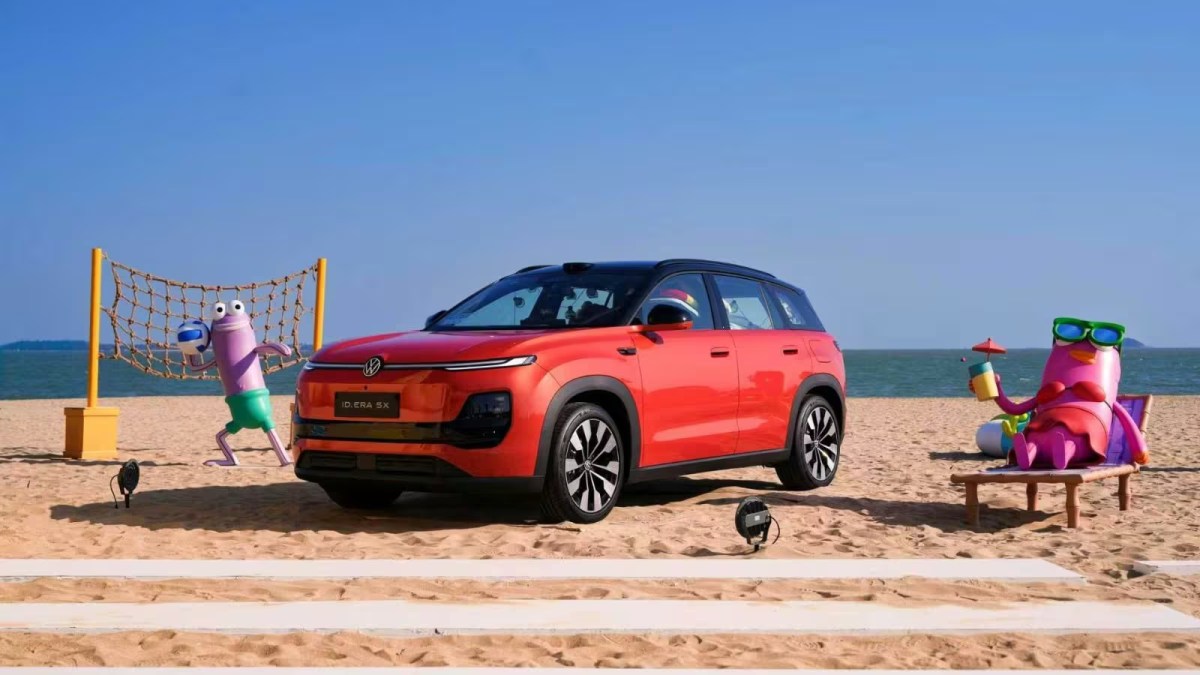
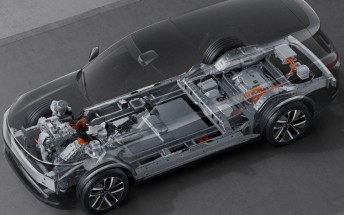
Volkswagen calls this "in China, for China" strategy. I'd call it what it really is - a survival. Wolfsburg saw its Chinese market share evaporate because local buyers refused to pay for laggy infotainment and old designs. Trying to fix the problem in-house through its Cariad division cost billions and delayed key models across the whole VW Group. The Germans finally swallowed their pride, wrote a huge check to XPeng, and used its joint-venture partner SAIC to build the new China Main Platform (CMP) with dedicated China Electrical Architecture (CEA). The ID. Era 5X is the first model born from that deal, joining the larger ID. Era 9X SUV and the ID. Era 5S sedan.
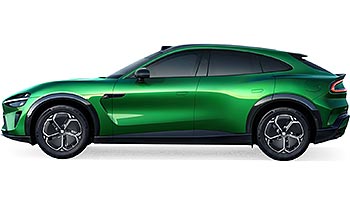
The ID. Era 5X is 179.5 inches long, 74.6 inches wide, and 64.2 inches tall, making it 2.28 inches shorter nose-to-tail than the European ID. Tiguan. Yet the engineers pushed the wheels right out to the corners, stretching the wheelbase to 110.8 inches - a full 1.97 inches longer than the ID. Tiguan's 108.9 inches footprint.
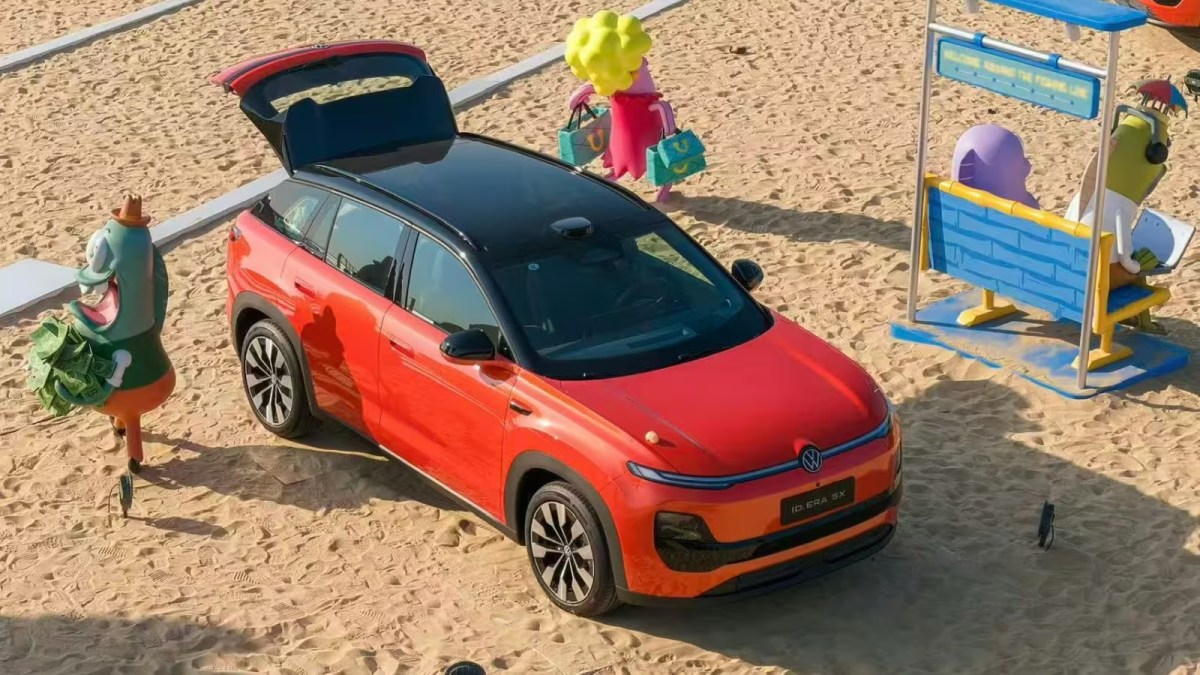
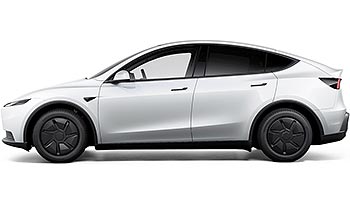
Size matters here - the first-generation BYD Yuan Plus (sold overseas as the Atto 3) comes in smaller across the board at 175.4 inches in length, 73.8 inches in width, and 63.6 inches in height, riding on a shorter 107.1 inches wheelbase. Even against the "old" European ID.4 - which is 180.5 inches long and 72.9 inches wide - the new Chinese VW claims a wider stance and more room between the axles. That means proper rear legroom and a flat-folding rear bench that opens up 64.1 ft³ of cargo.
Exterior styling moves away from the soap-bar curves of the early ID. models. You get split headlights, an active front air intake that closes at speed to cut drag, black pillars for a floating-roof visual trick, and a single full-width taillight bar.
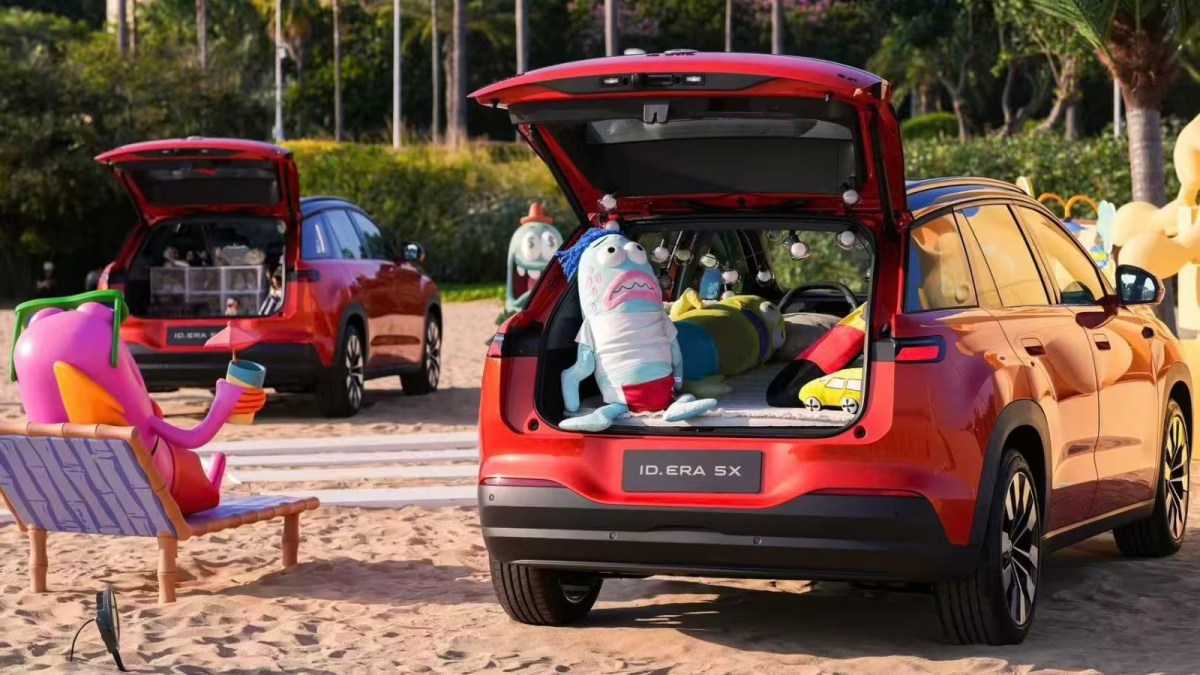
The XPeng influence is clearly visible inside. A 15.6-inch central touchscreen dominates the dash alongside a 10.25-inch digital instrument cluster for the driver, all running on a 4-nm MediaTek MTK8676 chip. Software used to be Volkswagen's weakest link, but this new CEA zonal architecture cuts down the number of individual electronic control units, allowing quick OTA updates and instant screen response. Top-spec models throw in power-adjustable front seats with both heating and ventilation, plus a heated steering wheel.
Then there's the plastic bump above the windshield - a 192-line LiDAR sensor that feeds data into a Horizon Journey 6H processor rated at 420 TOPS of computing power. Developed by Carizon - the joint venture between VW's Cariad unit and Beijing-based Horizon Robotics - this setup gives a sub-$21,000 family crossover full Navigate on Autopilot (NOA) across both highways and city streets. Finding roof-mounted LiDAR and urban automated driving at this price point in Europe is impossible - Western brands treat basic lane-centering as an expensive optional extra.

The Era 5X doesn't hide where the accountants trimmed the fat to hit that RMB 99,900 entry price. Rather than the rear-wheel-drive layout of the MEB platform, this car uses a single front-mounted 155 kW (208 hp) electric motor with 199 lb-ft of torque (that's actually 30 lb-ft less than the front-drive BYD Yuan Plus). Buyers can choose between two LFP battery packs: a 45.8 kWh unit and a larger 58.5 kWh pack. Under China's optimistic CLTC testing cycle, those batteries deliver 258 miles to 323 miles of range - or much more realistic 211 miles to 265 miles on the European WLTP standard.
If you want stamina and rear-wheel-drive balance, the European ID. Tiguan still has the edge. Its base rear-drive model makes 140 kW and uses a 58 kWh battery for 280 miles of WLTP range. The larger 77 kWh comes in either a 210 kW rear-drive version good for 373 miles WLTP or a 220 kW all-wheel-drive setup rated at 348 miles WLTP. A front-wheel-drive crossover with a 45.8 kWh LFP battery won't excite keen drivers on a fast backroad, and winter highway runs will mean careful planning.
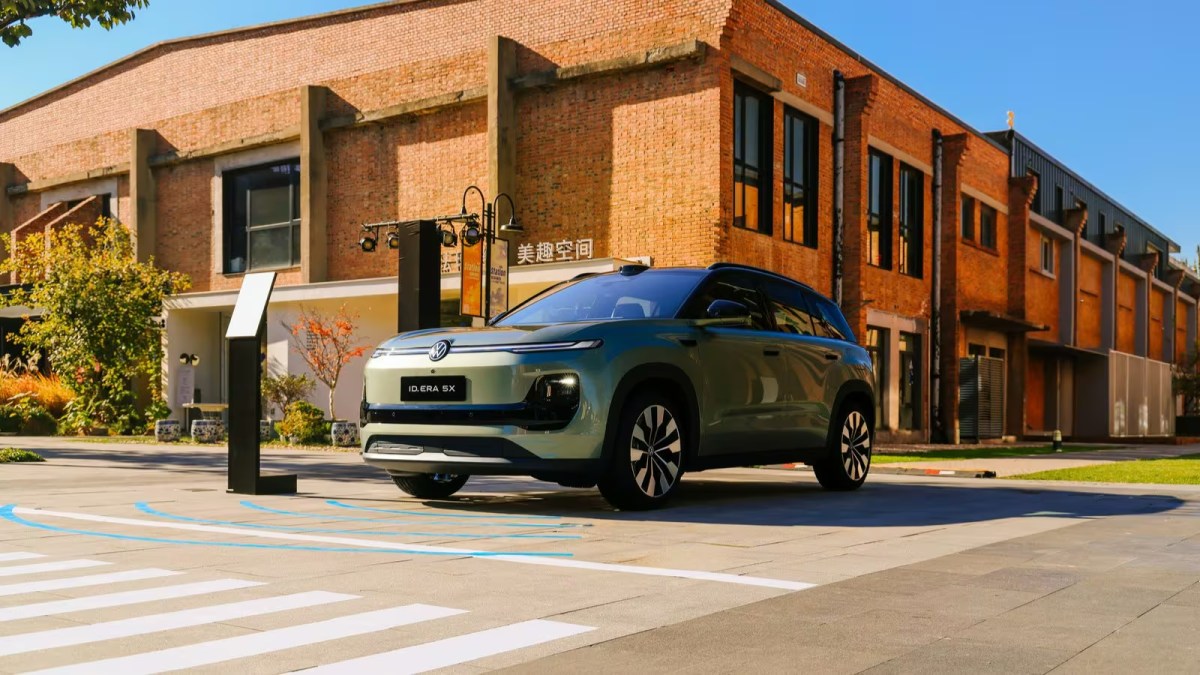
The Chinese-built ID. Era 5X makes its European sibling look dated. Western automakers love to argue that tariffs, labor costs, and supply chains make direct price comparisons unfair - that's true, but only up to a point. When Volkswagen proves it actually can build a modern, LiDAR-equipped, XPeng-based crossover from the ground up, and still charges European buyers nearly $45,700 for a warmed-up 2020 design, keeping the best tech locked inside China becomes quite hard to explain.
Related

Reader comments
Nothing yet. Be the first to comment.