Volkswagen takes the slow road to hands-off driving in China
Most of the "autonomous" cars that we drive today are Level 2: helpful right up until the moment things get messy, at which point the machine panics and dumps the responsibility back into your lap. That gap between real autonomy and glorified cruise control is what carmakers are desperately trying to bridge, and Volkswagen has decided that the road to solving this problem runs through China.
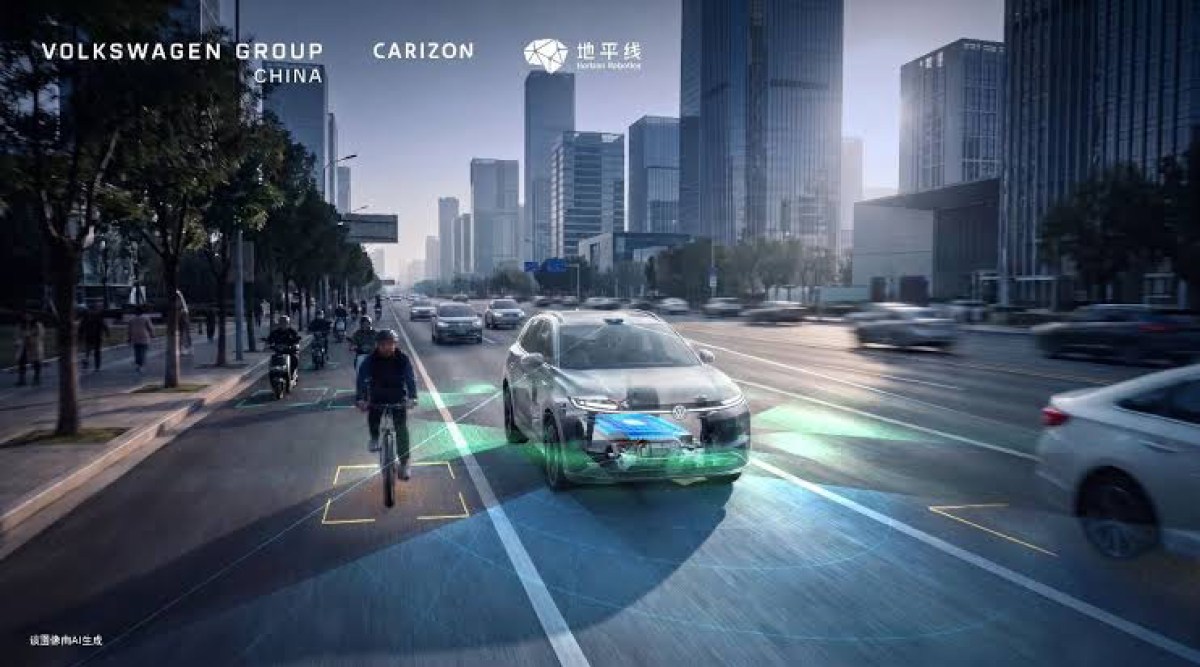
Volkswagen Group China has officially picked up a public road test permit for Level 3 autonomous driving in Hefei, the capital of Anhui province, and real-world trials are already rolling. The permit also clears the German group to collect large-scale driving data across the city's complex street network. Road permits are common among tech developers these days, but this one should help VW achieve the promised Level 3 production readiness in China by the second half of 2027. The location is hardly accidental - Hefei is the home of the Volkswagen China Technology Company (VCTC) - the manufacturer's largest development hub outside Germany - and its electric-focused Volkswagen Anhui manufacturing base.
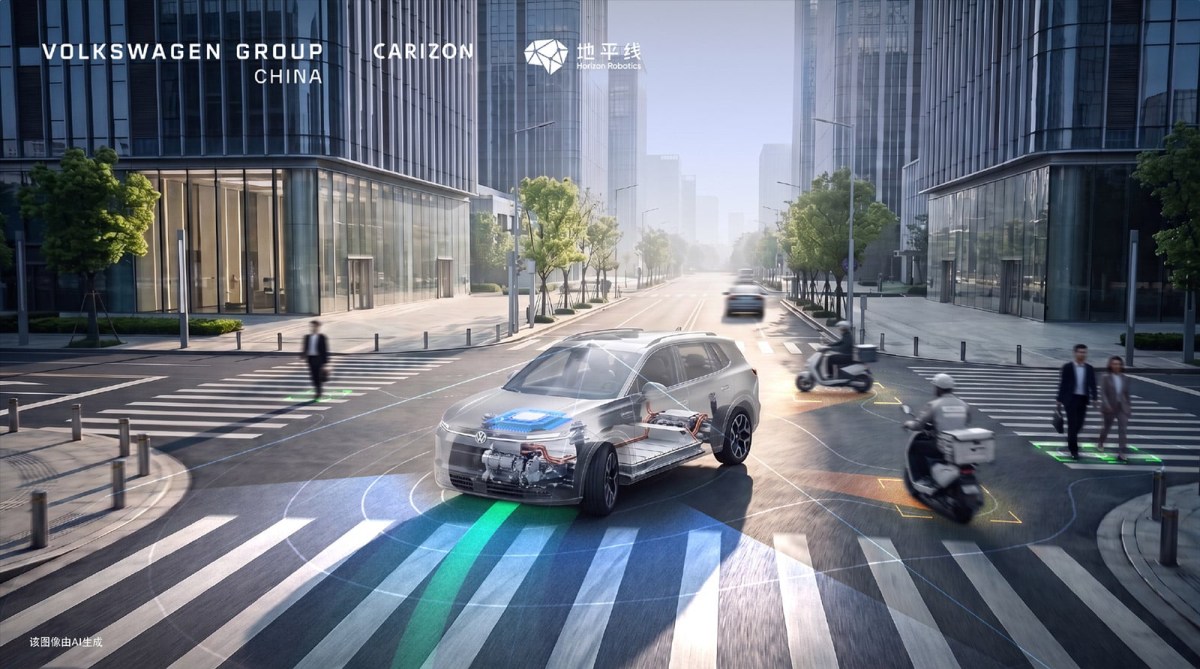
The tech used in the test fleet comes from CARIZON, an intelligent driving venture formed between VW's software arm CARIAD and Chinese hardware specialist Horizon Robotics. The system is called Hyper Sense 8 (HS8), and is framed as a full-scenario assistance setup. It is built on GAIA 2.0, an internal world model that VW claims runs safety simulations equivalent to 3,110,000 miles of road travel every single day using roughly 30 million scenario recordings, with an eye toward doubling that figure to 6,200,000 miles daily. To process that much data, the team is working on a custom system-on-chip named the C7H, which engineers claim can eventually scale all the way to Level 4 autonomy.
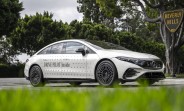
With any Level 2 system, including Tesla's controversially named Full Self-Driving suite, the human driver has full legal responsibility every second the car is moving. When an L3 system is active, the manufacturer assumes legal liability for whatever the car does. If the sensors misjudge a concrete barrier or fail to see a stationary truck, the fault is with Wolfsburg, not you. That liability transfer explains why so few automakers have tried to put certified Level 3 cars on sale, and why Mercedes-Benz put its flagship Drive Pilot system back on the shelf.
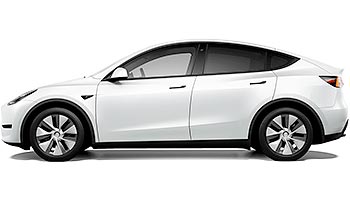
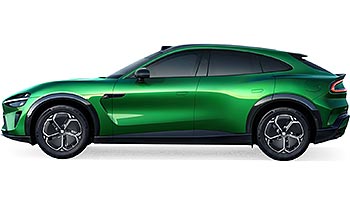
But the competition in China is not waiting around for foreign brands to get comfortable. Volkswagen is barely trying to keep pace - back in December 2025, China's Ministry of Industry and Information Technology issued the nation's first formal Level 3 product approvals to two cars. One was a Changan model restricted to 31 mph on designated Chongqing motorways, and the other was a BAIC Arcfox saloon certified to run at up to 50 mph across three specific Beijing expressways. GAC's premium Hyptec brand and XPeng have accumulated miles of testing under their own regional permits.
The big difference between L2 and L3 is in how the vehicle handles those unscripted moments of daily driving. We have all had the pleasure of being driven by systems that react like nervous novices - stabbing the brakes when a lane merges or stuttering at roundabouts. A certified Level 3 in busy Hefei needs a car to read merging traffic and respond with smooth throttle modulation, perform clean lane changes without unsettling the chassis, and deal with bad weather without ringing an alarm bell.
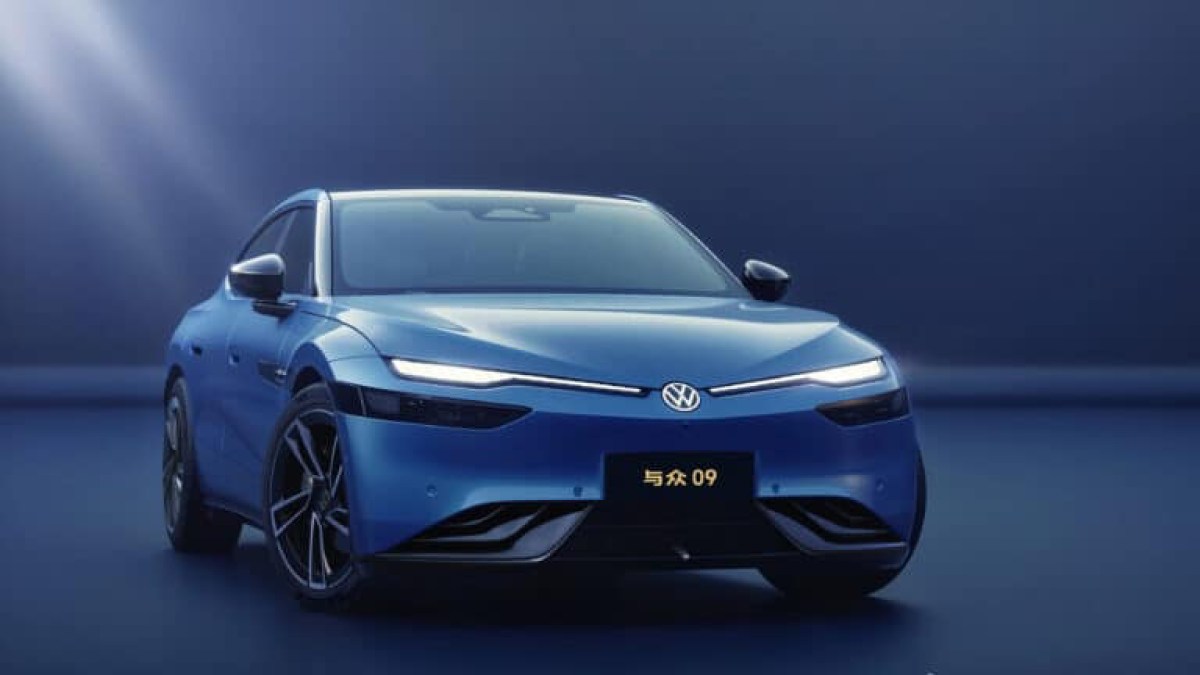
This push also reveals a final retreat for Volkswagen's software division. The plan was to write a universal software stack for every brand in the group portfolio, an ambition that delivered software delays, delayed vehicle launches, and even ended careers. Teaming up with Horizon Robotics and buying a 5% stake in XPeng to jointly build the China Electrical Architecture (CEA) is VW's admission of what we suspected for a while: you cannot come up with software solutions in a boardroom in Lower Saxony.
There is also an intriguing split dividing the industry over whether Level 3 is even worth the headache. Several executives, most notably Elon Musk at Tesla and several autonomous driving leads across Chinese startups, have argued that stepping through Level 3 is a distraction. Their argument is that managing the handover period - waking up a distracted driver and demanding they take control in {{3 seconds}} during an emergency - is dangerous, so the industry should leap straight to Level 4 robotaxis. But VW's veteran management team is taking the slower path. They are accepting the legal liability of Level 3 because they believe private car buyers still want personal ownership, not a taxi subscription.
Related
Reader comments
Nothing yet. Be the first to comment.