New BYD Yuan Up (Atto 2) rewrites the rulebook on affordable EVs
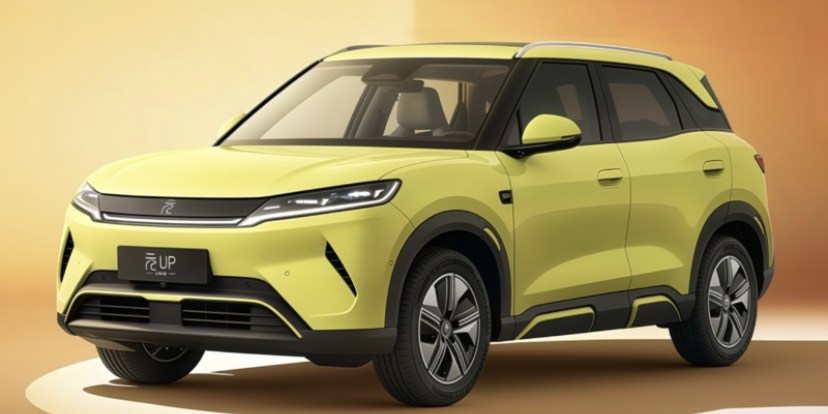
If you live in the West, then you've been told that building a genuinely compelling, long-range electric vehicle on a budget is about as realistic as finding a unicorn in a supermarket. Legacy automakers blame battery costs, supply chain bottlenecks, and the impossibility of putting modern tech into an affordable footprint. But if you are in Shenzhen (China), BYD will tell you that this narrative is a bad joke. The company revealed pricing and specs for the updated compact crossover known internationally as the Atto 2, and we need to talk about those numbers.
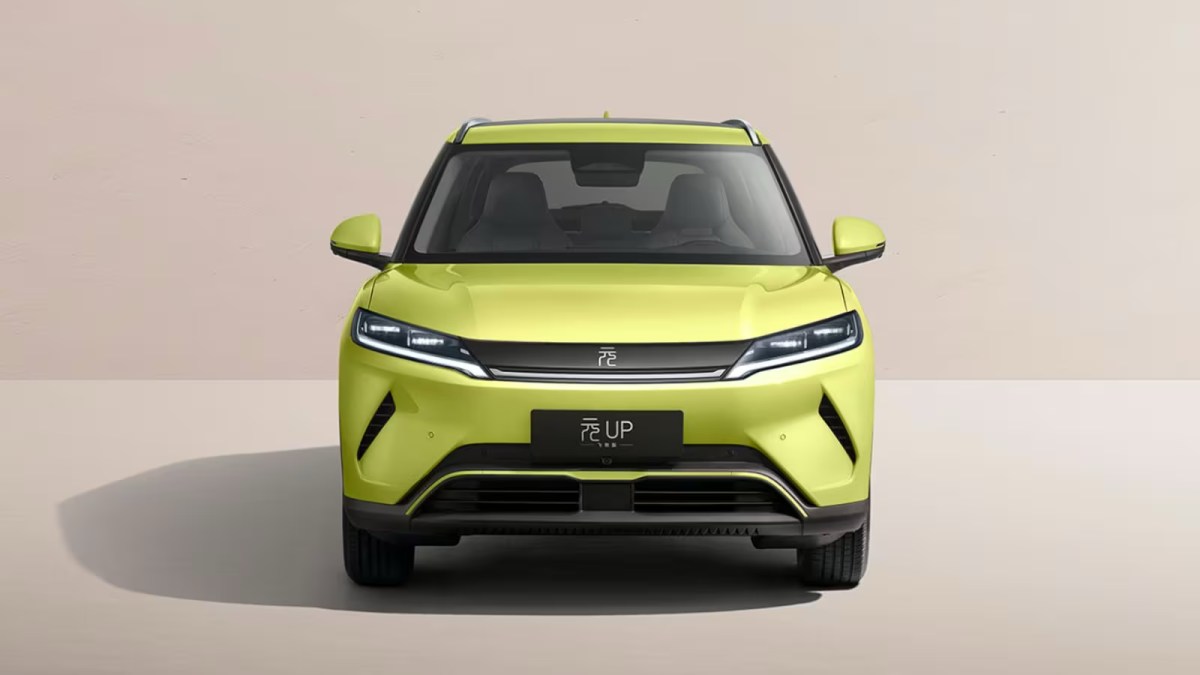
In its domestic market, where it wears the Yuan Up badge, the updated Feichi Edition kicks off with a sticker price of RMB 74,800 - that translates to a mind-bending $11,150. Include the temporary trade-in incentives, and that price drops even further to RMB 69,800 ($10,410). If you are sitting in Europe or North America looking at a $41,000 compact hatchback that still asks you to pay extra for alloy wheels and floor mats, this kind of pricing feels almost mythological.
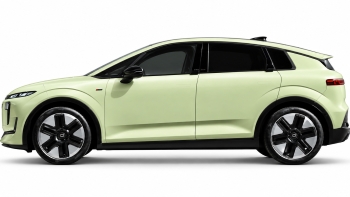
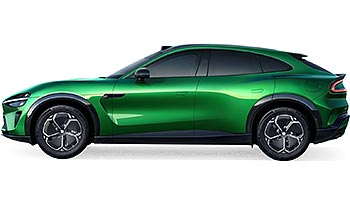
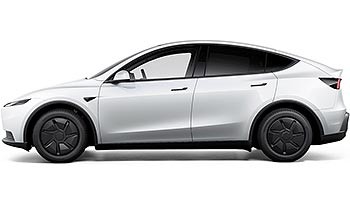
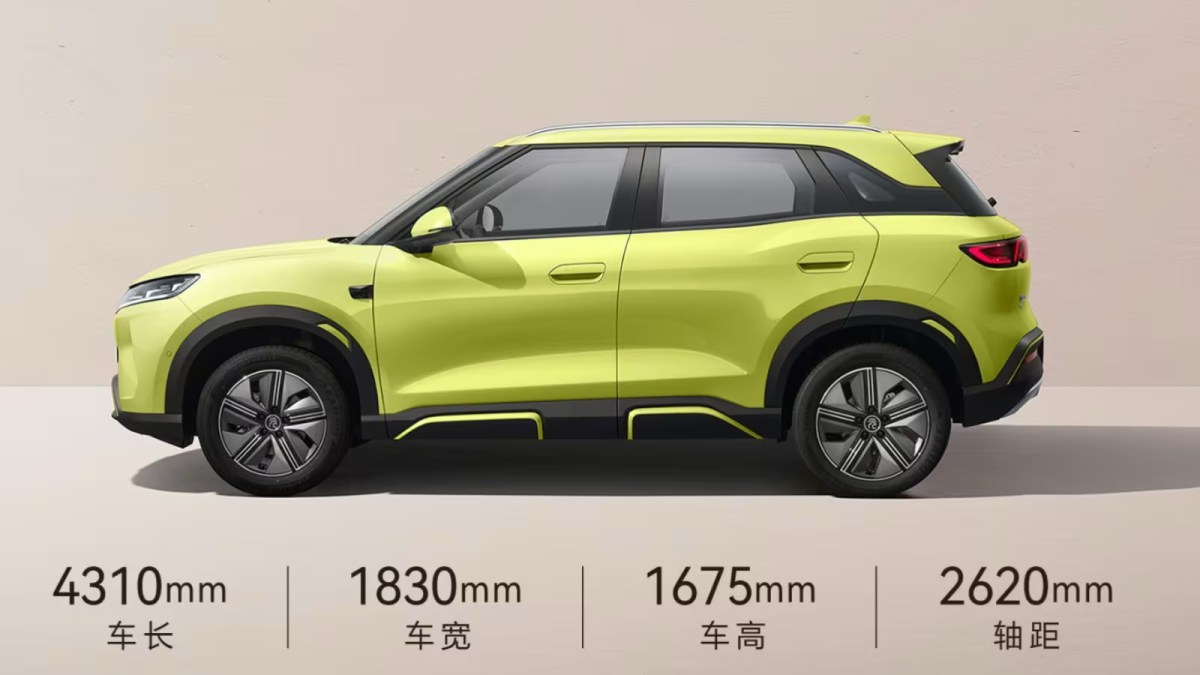
The refreshed Atto 2 is 169.7 inches long, 72 inches wide, and 65.9 inches tall, resting on a 103.1 inches wheelbase. Against something like the Geely Xingyuan - which has been dominating the domestic sales charts with over 260,000 units shifted through August - the BYD matches it in stance while offering a slightly chunkier, traditional SUV aesthetic. It easily dwarfs traditional city hatchbacks and yet is compact enough to dart through narrow alleyways with ease.
BYD has made an intriguing engineering decision by standardizing the powertrain across the board. Every single trim level in this new Feichi Edition - from the base car right up to the newly introduced long-range variant - uses a single front-mounted permanent-magnet motor pushing out 70 kW and 133 lb-ft of torque. Gone are the punchier 130 kW options from older high-end editions - BYD says that 94 hp should deliver more than enough punch for an urban commuter pod.
The real headline grabber is the energy storage department. BYD has bolted in a fresh 51.13 kWh lithium iron phosphate Blade Battery pack supplied by their in-house FinDreams division, unlocking a CLTC range of up to 311 miles. That is a twenty-five percent leap over the previous ceiling of 249 miles, and it suggests a real-world equivalent of roughly 230 miles on a WLTC cycle. For buyers who thought entry-level EVs are too limiting for weekend getaways, this extra range changes the math. Add to it DC fast charging that can pump the battery from 30% to 80% in half an hour, and range anxiety disappears into the past.
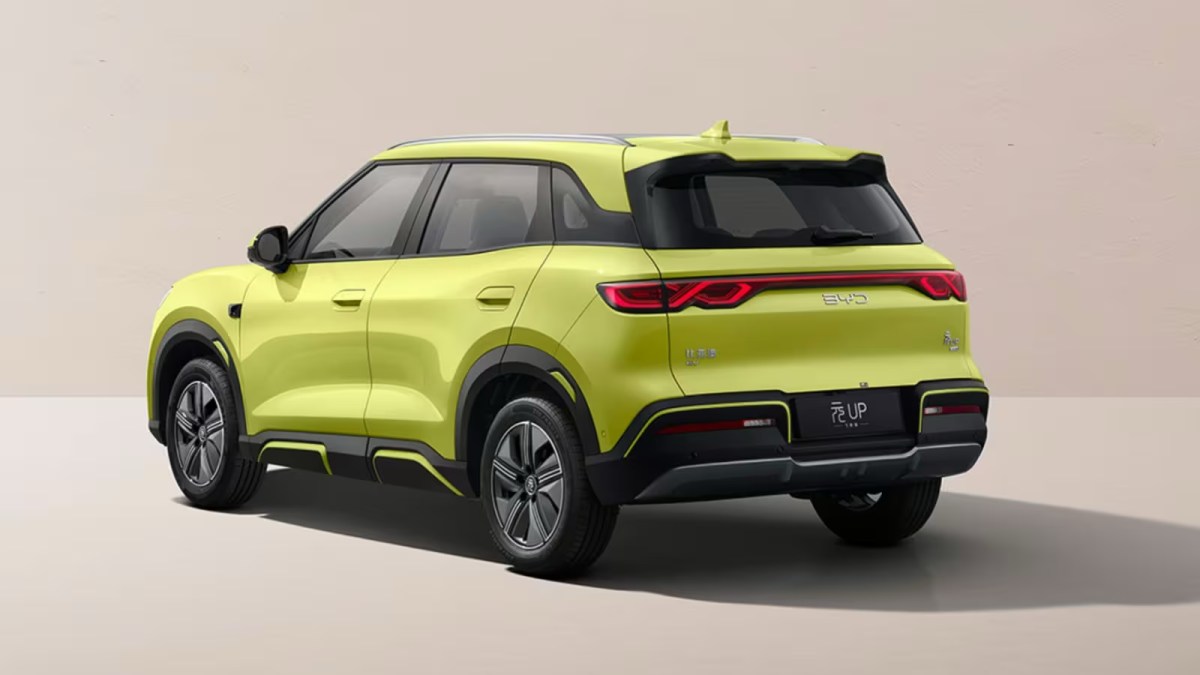
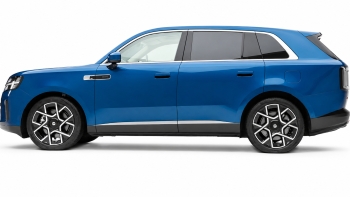
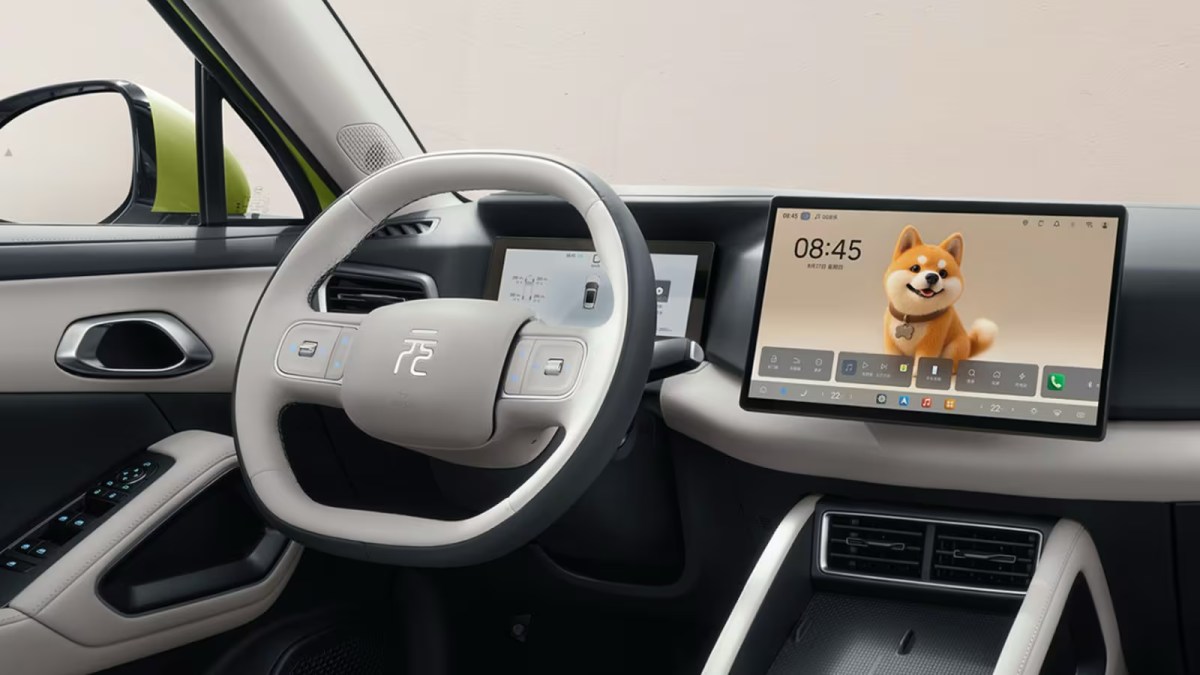
The cabin layout gets clever ergonomic tweaks, such as moving the gear selector to a steering-column stalk to free up valuable room under the 50W air-cooled wireless phone charger. Higher trims come in fresh color schemes like Energetic Yellow and Oxygen Blue, riding on 17-inch aero-friendly alloy wheels. Tech-wise, you get a 12.8-inch rotatable central touchscreen running the DiLink 100 system, backed by an 8.8-inch driver display and four-zone voice recognition. Fold down the sixty-forty split rear bench, and your cargo swallows up to 46.6 ft³ of gear.
As usual, navigating the different trims needs a bit of a spreadsheet. The range-topping models push the price tag up to RMB 104,800 ($15,630), but BYD has played a chess game with its advanced driver assistance tech. The lineup splits its features unevenly: you can have the 311 miles range, or you can have the sophisticated DiPilot C suite with Highway Navigation on Autopilot, but you cannot have both on the exact same trim. It is a compromise designed to keep the base prices low, and have the tech-hungry buyers pay a little extra for the autonomous bells and whistles.
Domestic sales figures show the Atto 2 family moving from strength to strength, jumping past twenty-two thousand monthly deliveries and capturing a big chunk of BYD's total volume. When a manufacturer can deliver an electric crossover with this level of range, build quality, and tech integration for the price of a decent used hatchback in the West, it feels like a seismic shift - the traditional playbook for cheap cars is officially dead. At least in China.
Related

Reader comments
Nothing yet. Be the first to comment.