Tesla sometimes uses remote human operators to drive its robotaxis
According to a report by Wired, a letter sent to Senator Ed Markey by Tesla reveals that the company sometimes relies on actual human operators, driving the company's robotaxis that are currently being tested around the US.
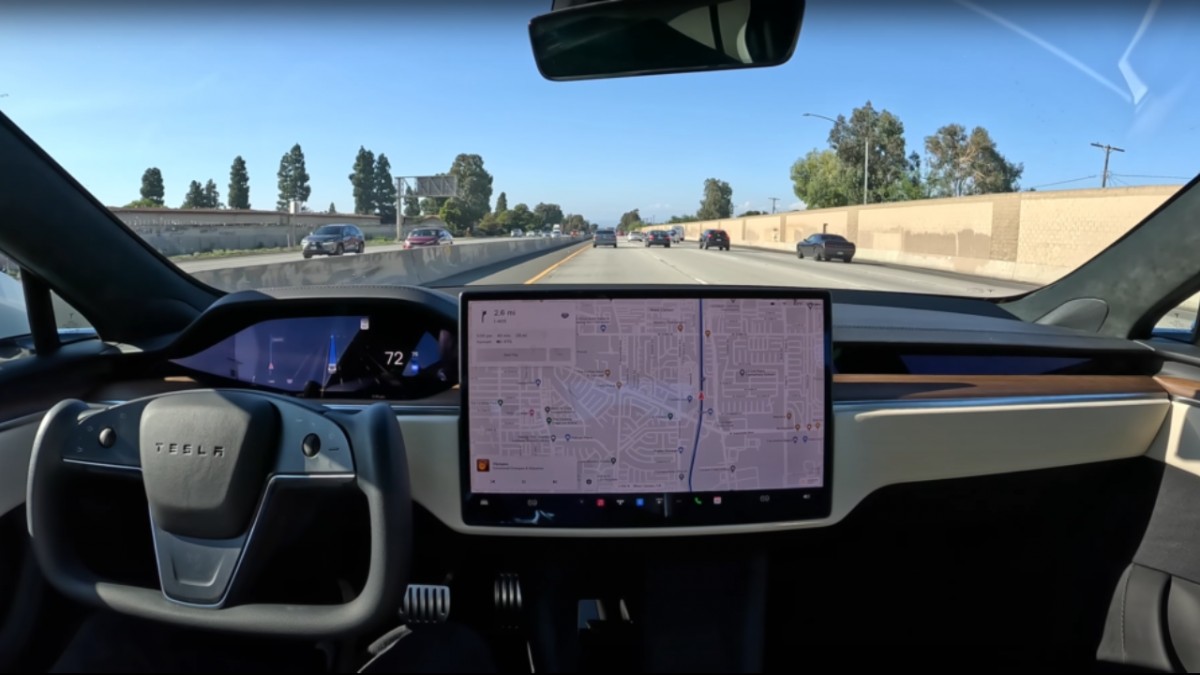
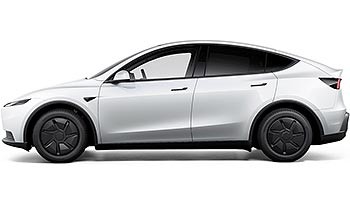
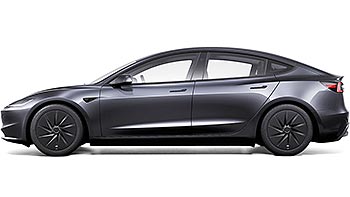
Some Tesla vehicles are already deployed in Austin, Texas, without a human present in the car. Instead, Tesla relies on remote operators to get the car unstuck from hairy situations. Tesla's spokesperson clarifies that overriding Tesla's FSD is a rare measure.
It may come as a surprise, but this is actually standard practice. Other self-driving taxi services like Waymo also have a team of remote operators that helps cars get out of complicated situations. However, Waymo and other services use operators to give the car general guidance, but never take full control of the vehicle.
The main reason not to adopt Tesla's approach is safety. There is latency and a limited perception of the surroundings from the vehicle's camera live feed. Not to mention, Tesla doesn't use LiDAR and relies only on regular cameras for its FSD. This makes things a tad more difficult.
Tesla assures that there are some guardrails in place. For instance, the operator can drive the car at 2 mph and can go up to 10 mph if the system allows.
Related
Reader comments
Nothing yet. Be the first to comment.