Tesla alters past agreements as Autopilot promises fade
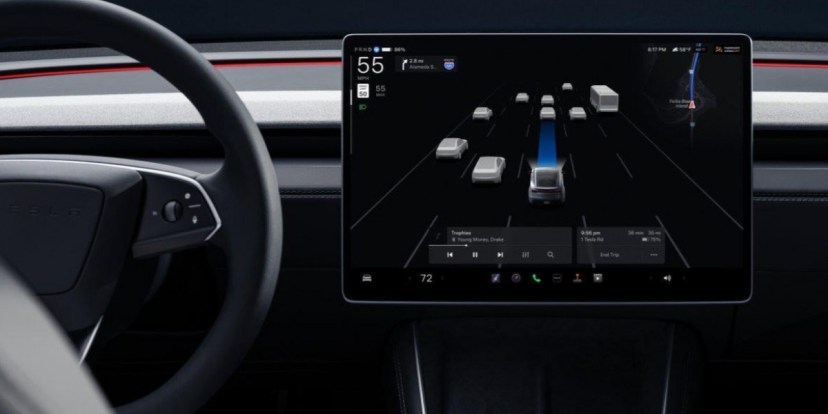
Tesla faces new criticism after changing the digital paperwork for its premium driver-assist software. Multiple owners of Tesla's electric cars report that the company altered or blocked access to original sales contracts. These documents date back several years, a time when the automaker promised its vehicles would eventually drive themselves without human input.
The issue involves the software package long marketed as Full Self-Driving, or FSD. For years, buyers paid large sums for the feature based on the promise of future autonomy. Now, early buyers find that their online accounts no longer show the original text they signed. Instead, the documents either contain new wording or fail to load completely.
Tesla owner Oliver Abcarius discovered the change while preparing a case to ask for a refund. He purchased the software option for his 2018 Tesla Model 3 on August 12, 2019. When he tried to download his original agreement, the website directed him to an invalid page. His wife experienced the same problem with her 2020 Tesla Model Y, which she bought on May 29, 2020, with the software package included.
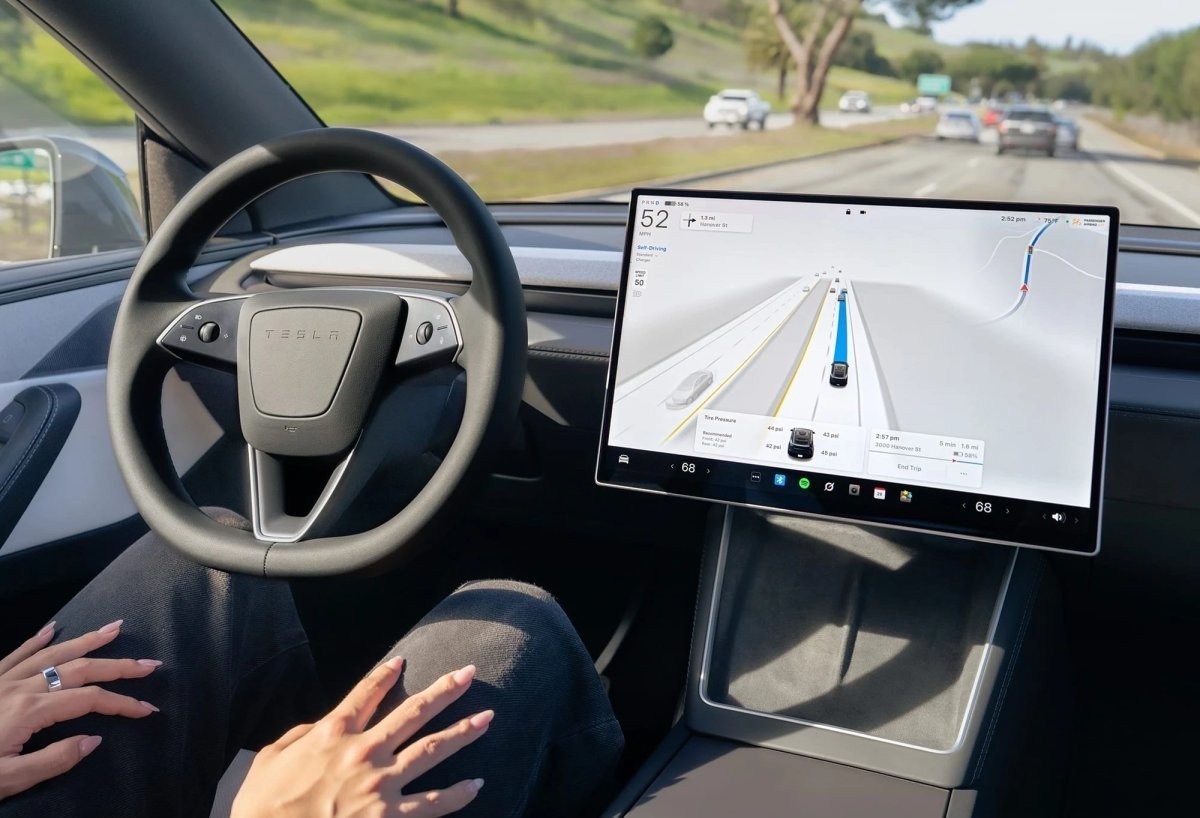
The couple realized that only documents mentioning the autonomous software failed to open - all other paperwork for their electric cars, including agreements for vehicles without the upgrade, loaded with no issues. Other drivers with older Teslas fitted with Hardware 3, or HW3, confirmed similar errors on their accounts.
The timeline explains why these old contracts matter today. From 2016 until early 2024, the manufacturer sold the upgrade under the name "Full Self-Driving Capability." Prices for the software reached as high as $15,000. Marketing materials promised the electric cars would achieve full autonomy via regular wireless updates. CEO Elon Musk frequently stated that human supervision would soon become unnecessary.
The strategy changed in March 2024 when the company released software version 12.3.3. The brand officially renamed the product to Full Self-Driving (now with added "Supervised"). Fine print added during this update explicitly noted that the system requires an active driver and does not make the vehicle truly autonomous. By late 2025, Tesla adjusted corporate compensation goals to fit this lower tier of driver assistance.
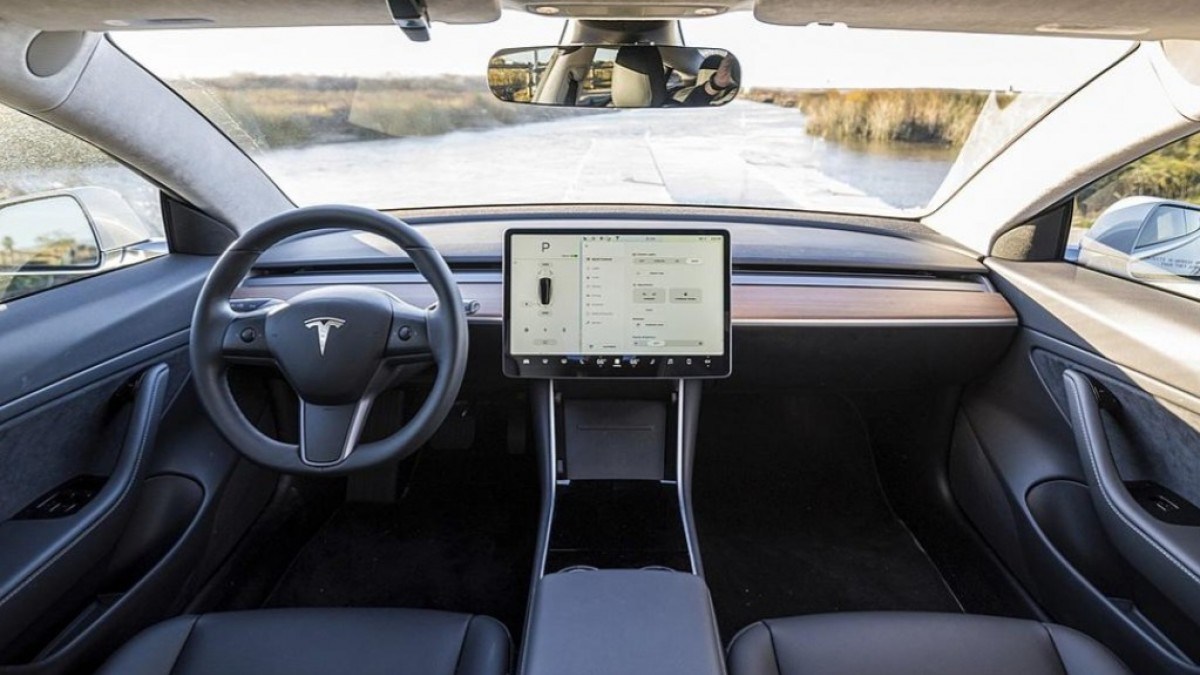
In April 2026, Musk himself admitted that vehicles built with HW3 technology between 2016 and 2023 cannot handle true autonomous driving because of the hardware limitations. The company has not provided a clear strategy to fix the situation, leaving millions of electric cars on the road that will never achieve the originally advertised autonomy.
The contract issue follows previous efforts by the brand to clear its past statements. In August 2024, Tesla erased an official blog post from October 2016, which claimed every factory vehicle had the necessary hardware to drive safer than a human. The post disappeared from the official website during rising legal pressure, but thankfully, digital archives preserved the original text.
The missing paperwork is vital evidence in a few large legal actions. The company is defending itself against lawsuits totaling up to $14.5 billion. The cases cover claims of false advertising, investor fraud, and liability for the Autopilot system. A certified class-action lawsuit in the United States covers all FSD advertising published between late 2016 and mid-2024.
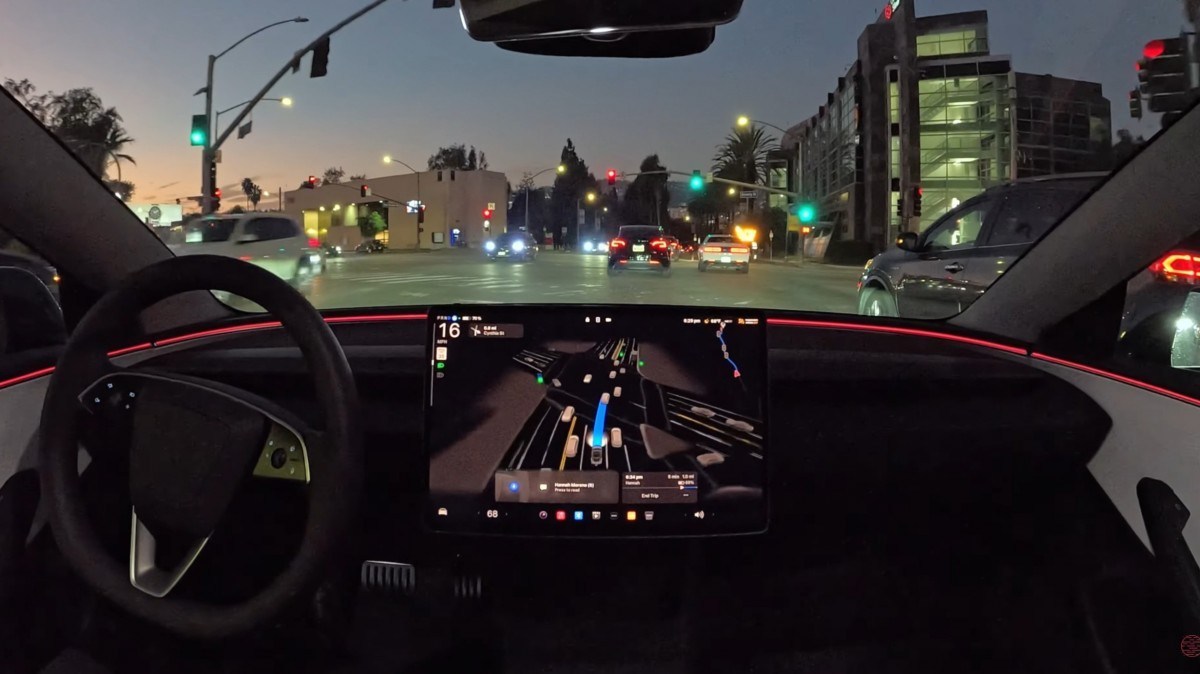
Government and legal authorities have already ruled against the carmaker in smaller actions. A California administrative court determined the brand used deceptive marketing practices for its driver-assist software. In a separate contract dispute, an independent arbitrator forced the firm to return $10,600 to a buyer. Similar legal battles continue to move forward in European and Chinese courts.
Legal experts view the missing online files as a potential problem for Tesla. Companies cannot delete or hide central evidence when active lawsuits exist. In court, the intentional loss or changing of relevant documents gives the judges a reason to punish this behavior by favoring the consumer or issuing heavy financial fines against the corporation.
Related



Reader comments
Nothing yet. Be the first to comment.