The EV paradox: why they are getting cheaper and yet sticker prices keep rising
It seems that the slow-burning EV revolution that we are witnessing, is going through a curious corporate shell game. On paper, things look spectacular. In the German market, which basically is Europe’s automotive barometer, battery-electric vehicle registrations climbed to a solid 19.1% market share by the end of 2025, rebounding beautifully after the government unexpectedly pulled the plug on consumer subsidies. But if you walk onto a showroom floor expecting to find a simple, accessible electric runabout, you are in for a cold corporate awakening.
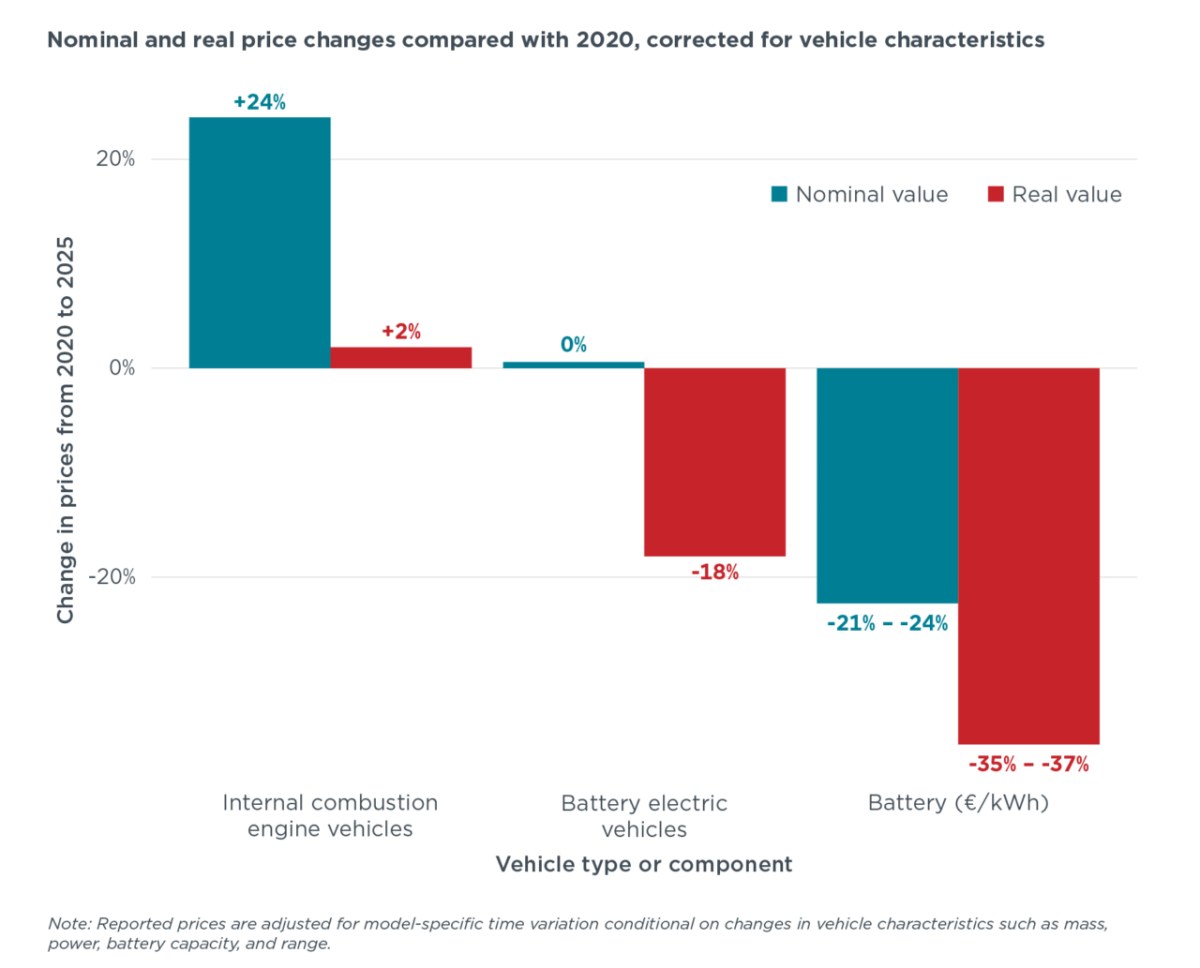
The shocking reality is the huge disconnect between what it costs to build an electric car and what the industry actually wants you to pay for it. Looking back at the data tracking the market from 2020 to 2025, individual electric model prices dropped by a comforting 18% in real, inflation-adjusted terms. Interestingly, the old-school internal combustion alternatives saw their real prices creep up by 2%. And yet, if you look at the much bigger picture, the median price for an electric car in the showroom didn’t fall at all. Instead, it rocketed up by 42%, swelling from $44,500 in 2020 to a wallet-melting $63,300 in 2025.
 Source: ICCT
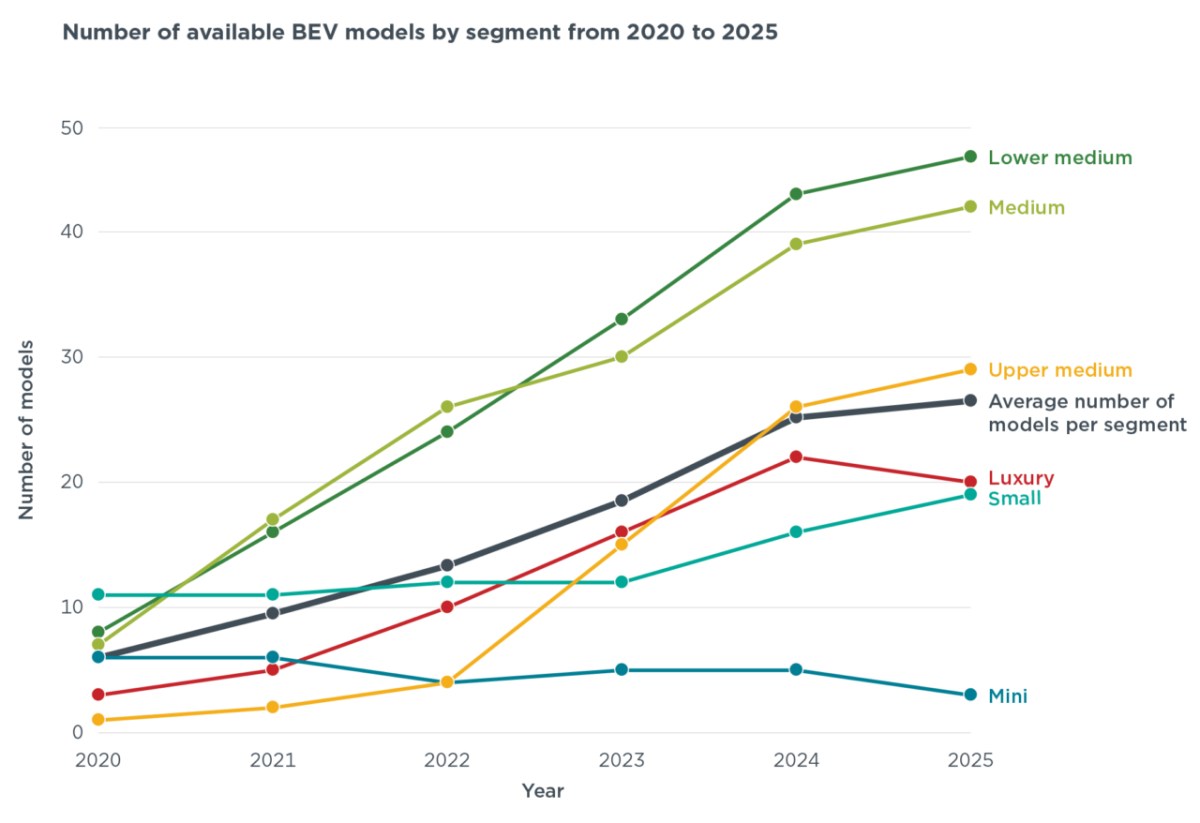
How did automakers manage this fiscal wizardry? Simple - they shifted the goalposts. Rather than building cheap, cheerful commuter hatchbacks, they flooded the market with heavy, high-riding, premium machines. The number of EV models on offer in Germany exploded from a modest 38 choices in 2020 to a dizzying 159 by 2025. At the same time, internal combustion options went down to 194. But here is the rub: 73% of those new EVs belong exclusively to the medium, lower-medium, or upper-medium segments. The industry went from selling 16 mid-sized models to 116 in just five years, completely ignoring the budget buyer.
If you are looking for a compact city hatchback or a commuter car, the options are sparse. The mini and small electric segments combined accounted for a pathetic 14% of total market offerings by 2025. And this is not an accidental oversight - it’s a cold, calculated strategy pivot. Automakers realized they could extract far healthier profit margins from bloated crossovers than from tight urban runabouts. They essentially left the budget-conscious consumer out in the cold, preferring to chase affluent corporate fleets and premium buyers who don’t blink at a high five-figure price tag.
 Source: ICCT
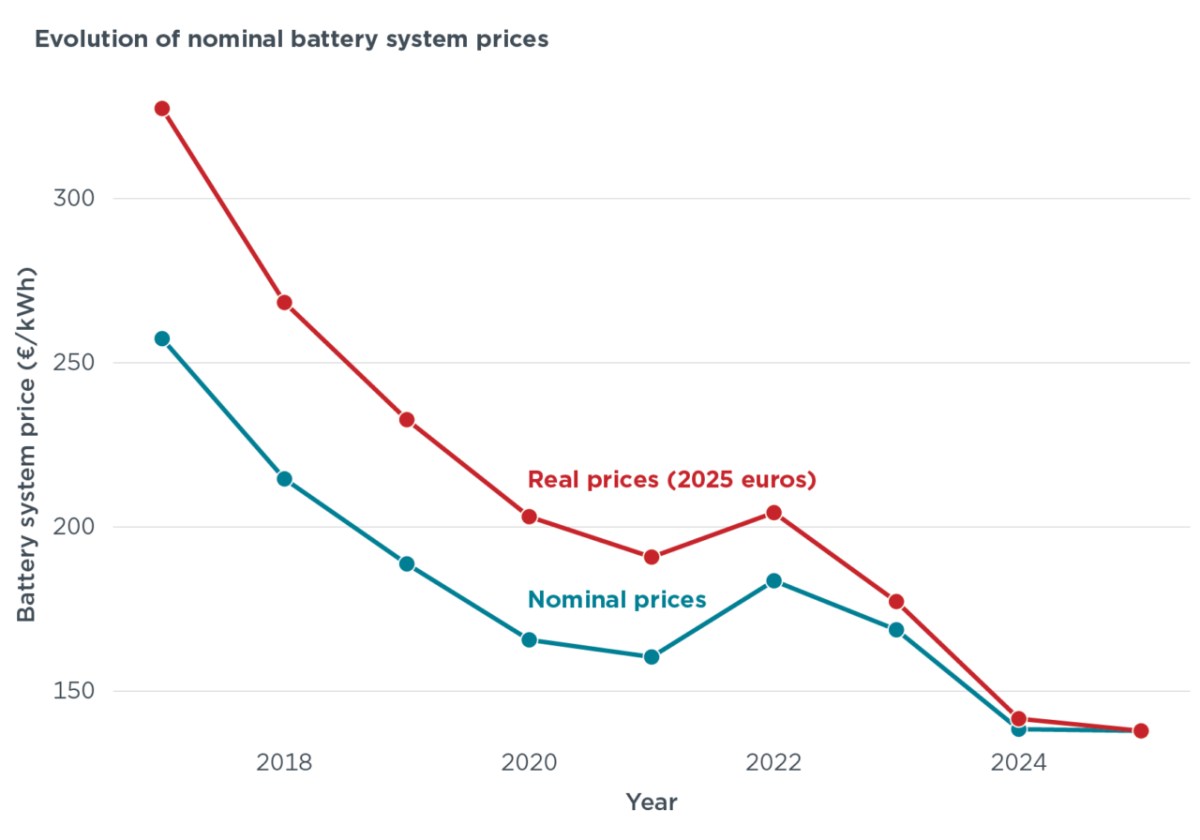
This structural greed becomes glaringly obvious when you look at what happened to battery manufacturing costs. Over that same five-year stretch, global average battery prices plummeted by 35% to 37% in inflation-adjusted terms, translating to a steady annual compound decline of 8.6% to 8.8% (in nominal terms, the drop was a healthy 21% to 24%). Logic dictates that when your most expensive component drops by more than a third, the vehicle should get cheaper. Instead, corporate boardrooms chose to withhold those manufacturing breakthroughs from your bank account.
Where did all that saved cash go? They invested it back into vehicle bloat, mainly by stuffing larger batteries into the floors to boast about a 30% average increase in electric driving range, or they simply used it to recoup the front-loaded research and development investments. They traded true affordability for theater and spec-sheet bragging rights. As a reviewer who sits in these cars week after week, I can tell you that a big range figure looks great on a brochure, but it doesn’t help the driver who just needs an agile vehicle to navigate narrow city streets without taking out a second mortgage.
 Source: ICCT
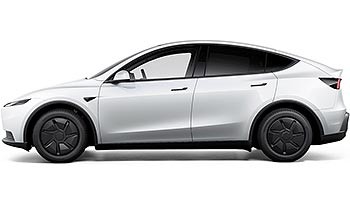
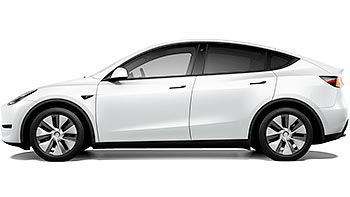
To understand the physical scale of this mid-size crossover obsession, we only need to look at the vehicles that topped the German sales charts. If you opt for the ubiquitous Volkswagen ID.4, you are pilot-steering a machine that measures 180.5 inches in length. Step into its primary American rival, the juggernaut Tesla Model Y, and you are commanding an even bigger 188.6 inches footprint. If your tastes veer toward the retro-futuristic, the Hyundai Ioniq 5 demands 183.3 inches of tarmac. None of these vehicles are small, and none of them represent the lightweight, hyper-efficient future we were promised; they are substantial family wagons taking up a lot of tarmac real estate.
At the same time, the legacy internal combustion market is playing an entirely different, rather punitive game. The nominal petrol and diesel car prices marched upward by 24% between 2020 and 2025. The median nominal price for a combustion engine car climbed from $48,000 to $53,900. It seems the legacy car industry is slowly turning the screws on the old guard, making combustion vehicles more expensive to buy new, effectively forcing buyers toward an electric segment that has systematically eliminated its own budget options.
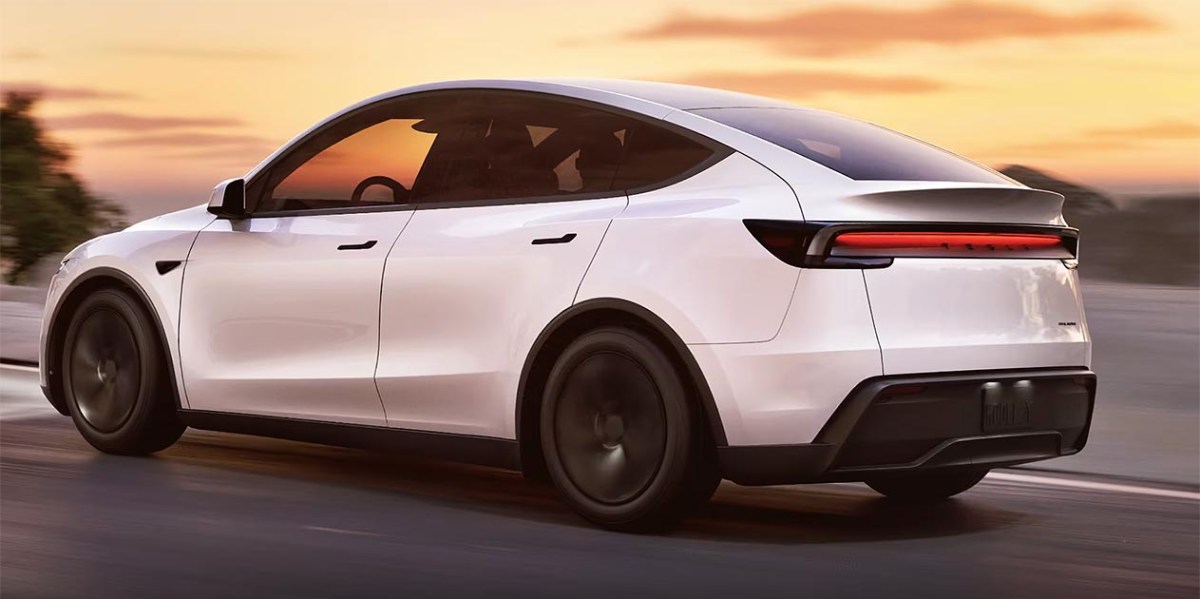
As we can see, the grand EV transition is proving to be less of a democratic revolution and more of a premium restructuring. The engineering has matured for sure, but the choices have quadrupled, and the cars themselves have become complicated machines with excellent range. By failing to pass down battery cost savings directly to the showroom floor, manufacturers have missed an opportunity to capture the true mass market early on. We are left with a shiny array of sophisticated, mid-sized electric marvels that are way out of reach for the everyday motorist.
Related


Reader comments
Nothing yet. Be the first to comment.