Volkswagen is halving its lineup and shuttering its fortress
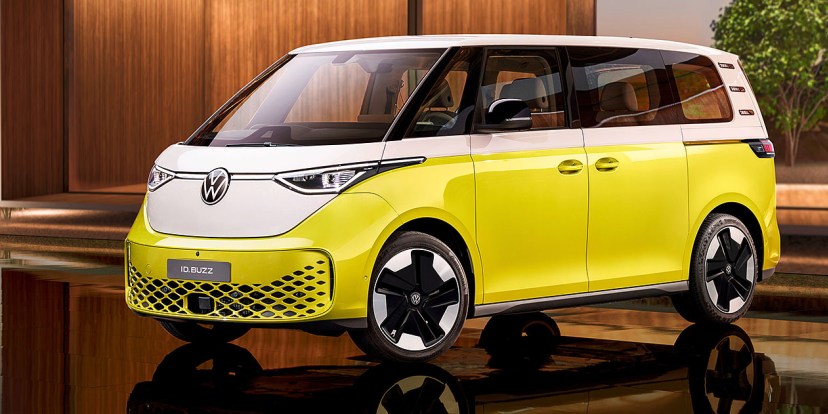
The ghost of Ferdinand Piëch must be pacing the offices in Wolfsburg, cursing into the fluorescent lights. The gospel according to Volkswagen used to be simple, quite arrogant for sure, but very effective: conquer every conceivable niche, buy every badge not bolted down, and build an industrial machine so monstrous it could literally steamroll the whole planet.
Whether you wanted a sensible hatchback, a quad-turbocharged W16 land-missile, or a Spanish supermini with an identity crisis, the empire had a brochure with your name on it. It was a glorious, diesel-soaked, platform-sharing Roman Empire on wheels. But the reckoning for decades-long binge has finally arrived, and the hangover is genuinely historic.
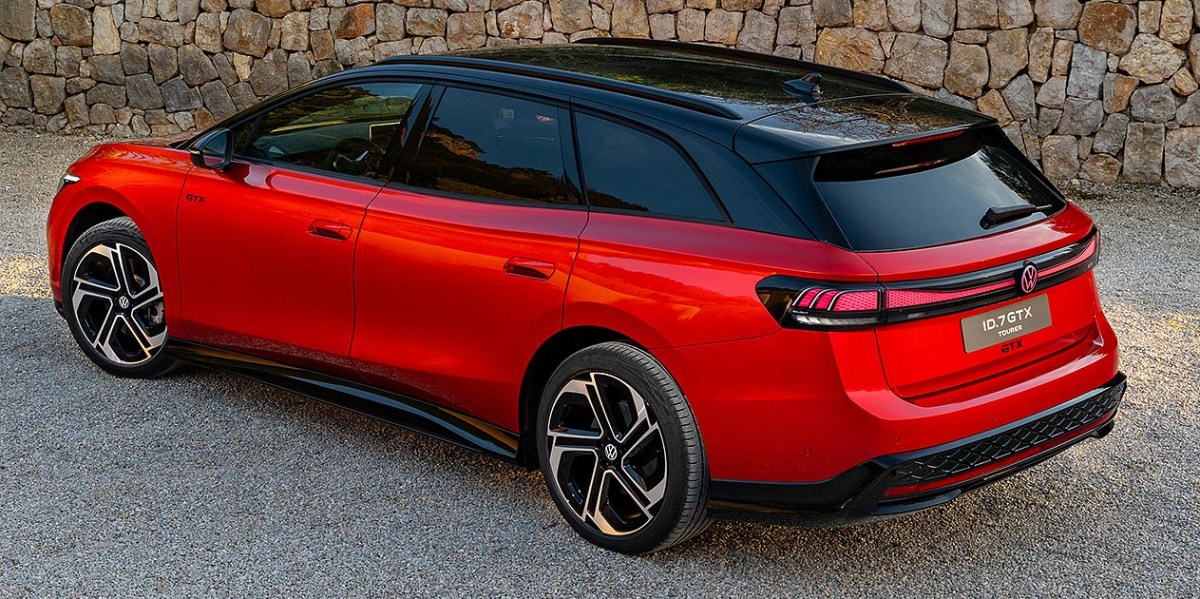
Volkswagen Group is taking a chainsaw to its empire. Under CEO Oliver Blume, the conglomerate has passed a restructuring blueprint that reads like a declaration of martial law. By 2030, VW will axe half of its global model portfolio, slashing its lineup from 150 nameplates down to 75. Ouch… In raw production capacity, the group is shrinking its planned output from 11 million cars in 2019 to around 9 million. That two-million-unit evaporating act is the equivalent of erasing the entire annual output of the BMW Group overnight.
Even more painful for German industrial pride is the casualty list on the factory floor. Up to four domestic manufacturing plants are now facing the chopping block. These aren't some forgotten satellite sheds in peripheral territories - we are talking about Emden, Hanover, the all-electric beacon of Zwickau, and Audi's historic fortress in Ingolstadt.
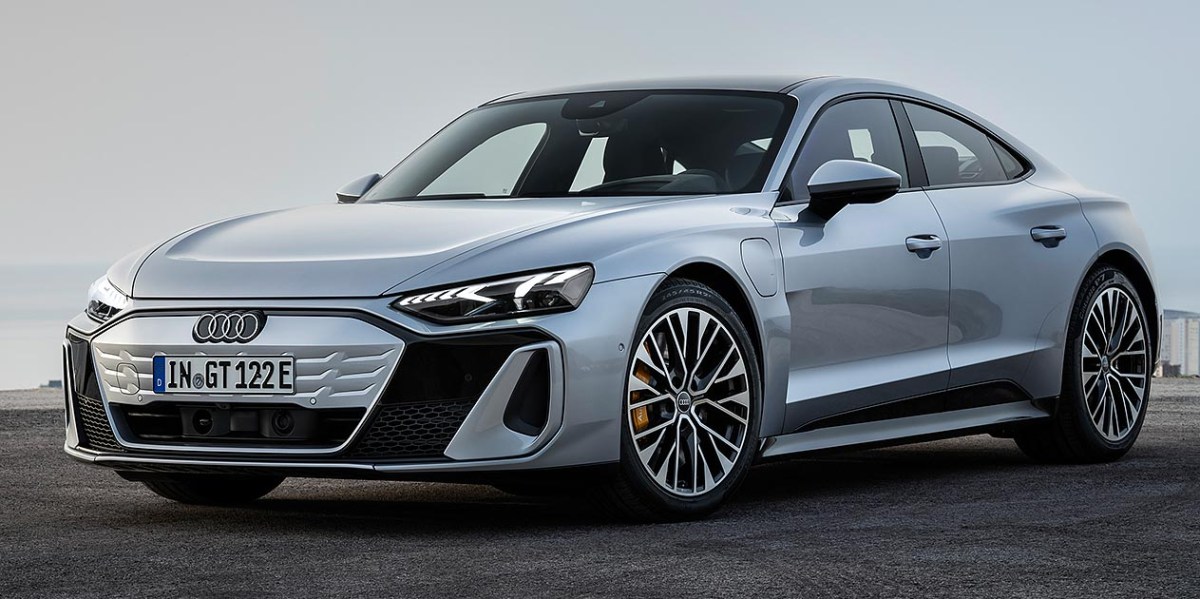
Seeing Zwickau - the facility VW spent billions retooling to lead its battery-electric revolution - on the endangered species list is a painful pill to swallow. Worse still for Ingolstadt's pride, industry whispers suggest the storied facility might even end up partitioned or sold off to XPeng, the very Chinese EV partner VW recently had to buy a stake in just to keep its software head above water.
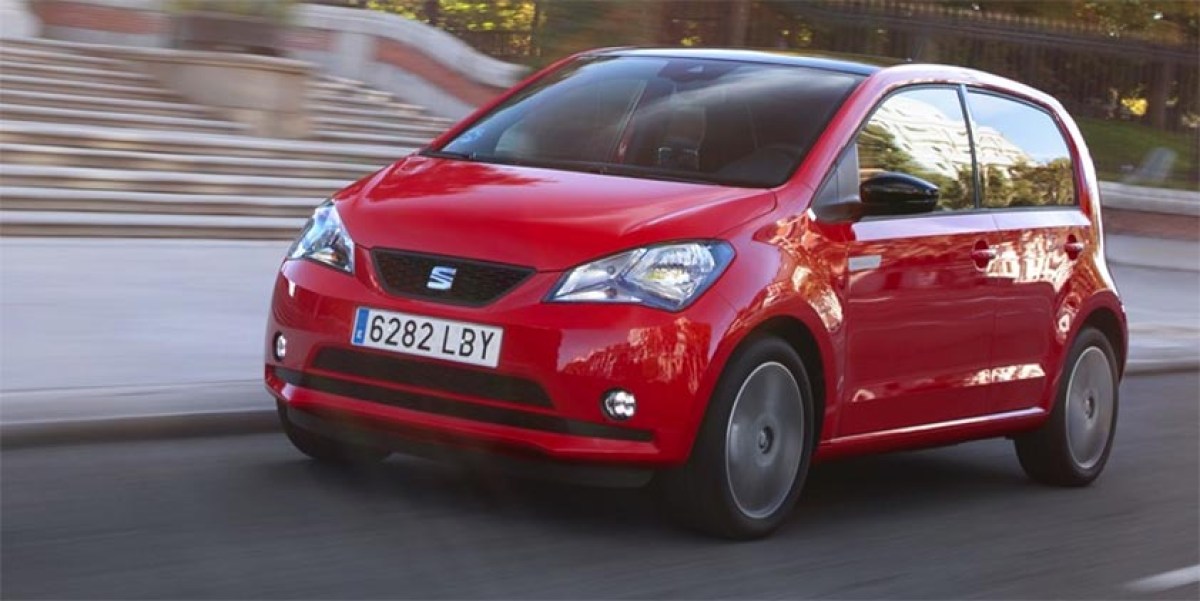
Then comes the formal obituary for SEAT. For thirty years, the Spanish subsidiary existed in a bizarre corporate limbo, endlessly tasked with being "emotional" and "youthful" while bean-counters ensured it never outshone the sacred Golf. Now, it is simply being put out of its misery. The brand will be retired, clearing the runway for Cupra - its copper-accented offspring that managed to capture the cultural zeitgeist, jack up transaction prices, and deliver healthy margins while parent-brand SEAT languished.
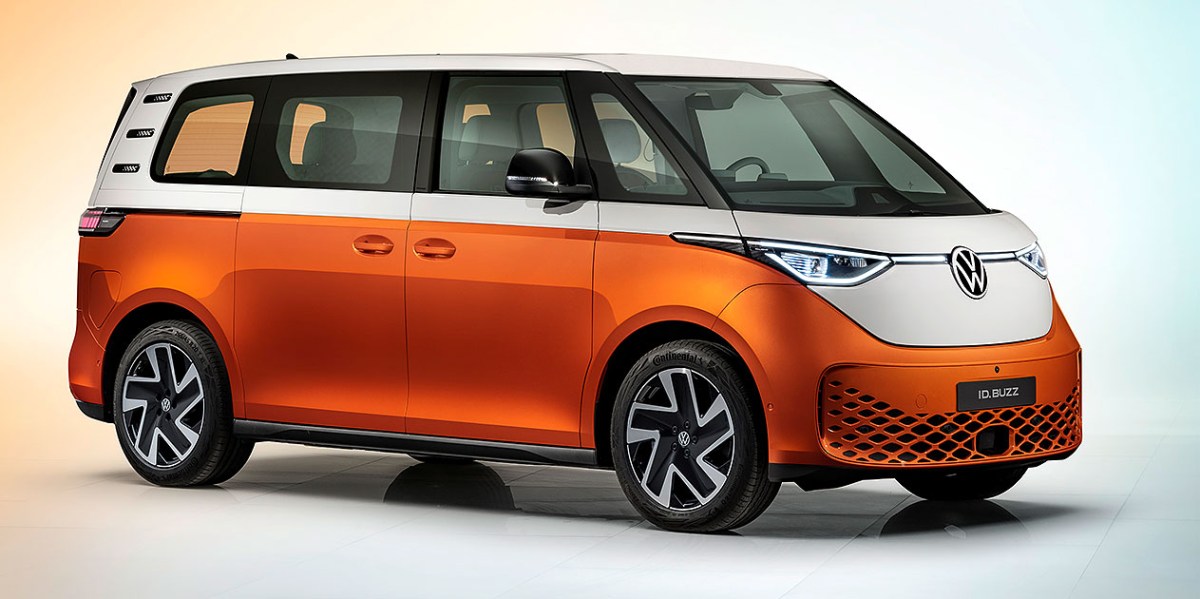
Beyond killing nameplates, Wolfsburg is taking an axe to the insane, self-inflicted nightmare of its configurators. This is where German engineering truly lost the plot. Across Audi, Bentley, and Lamborghini, the group has been building 2,600 different seat configurations. That madness will be pruned to about 100. Audi boss Gernot Döllner admitted that the Four Rings juggle 100 distinct steering wheel designs across their range - an absurd labyrinth of rim shapes, stitch patterns, and redundant button layouts. That will be hacked down to five.
The primary reason this restructuring hurts so much is the collapse of VW's piggy bank: China. It was Wolfsburg's financial cheat code. VW sold Santanas and long-wheelbase Passats by the boatload at sky-high profit margins. But the ground shifted beneath their feet - Chinese domestic manufacturers surged ahead with hyper-connected cockpits, native autonomous software, and predatory pricing that stripped market share away from Western legacy royalty in a matter of months.
VW's margin has withered to 3.8%, and the company has been reduced to shipping Chinese-built metal back to European shores - the sleek Cupra Tavascan assembled in Anhui is the prime example here. And then there is the software wound that refuses to heal.
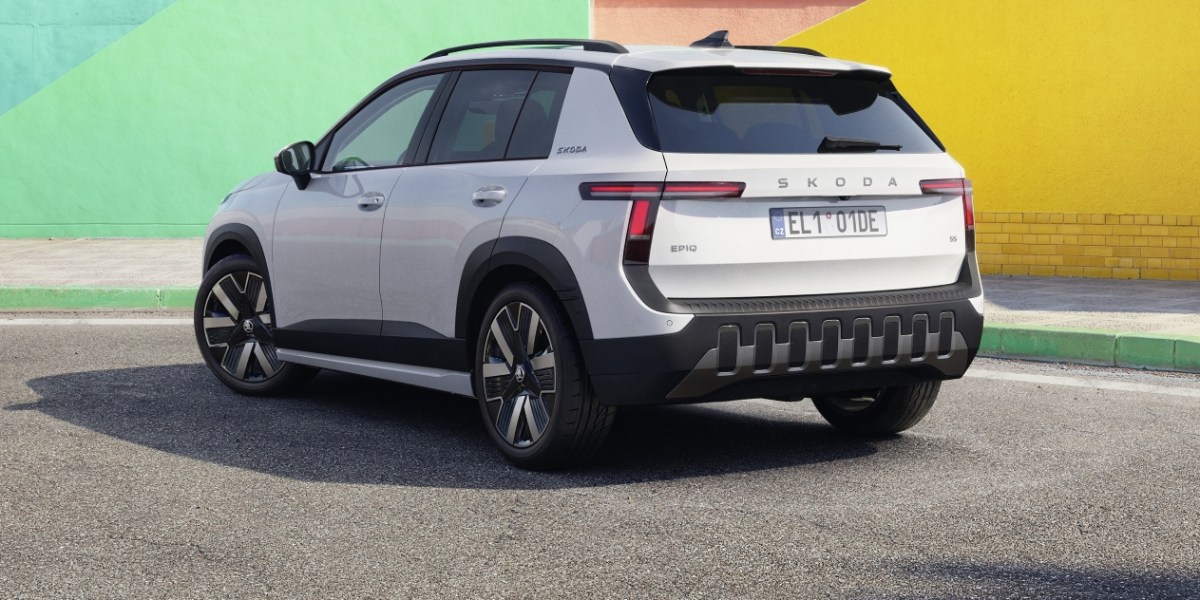
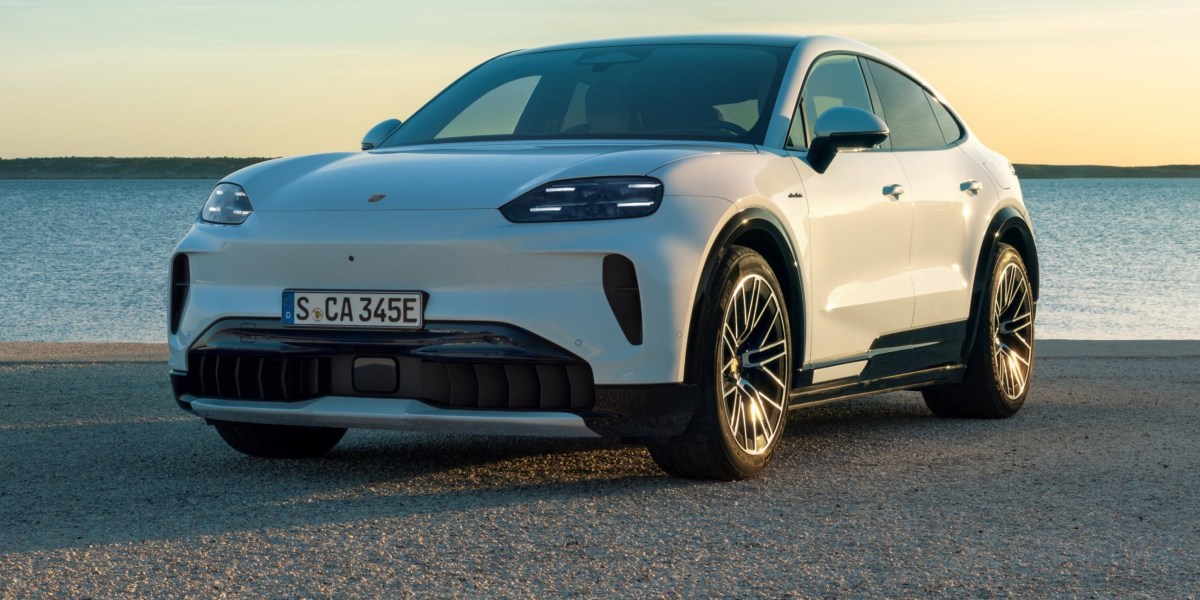
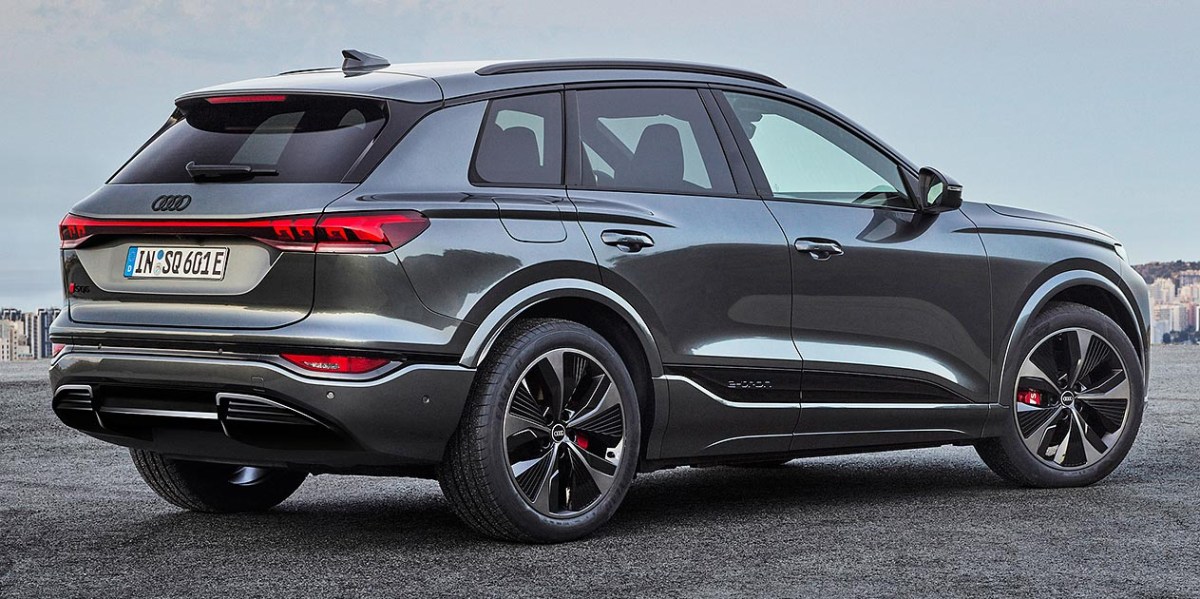
The Cariad fiasco - a saga of botched code, missing milestones, and delayed vehicle launches that crippled the rollout of the electric Porsche Macan and Audi Q6 e-tron - is an open sore. Oliver Blume's vow to forge a unified software stack for the entire stable sounds wonderfully tidy on a PowerPoint deck. But auto enthusiasts and industry veterans have heard this exact tune through three successive CEO regimes. But when you try to make one digital brain control everything from an entry-level Skoda hatchback to a 200-mph Bentley continental cruiser, you usually end up with a system that pleases nobody and crashes at boot-up.
Yet what makes this corporate earthquake truly seismic is the political consensus behind it. In Germany's co-determination corporate model, the Supervisory Board is split: half the seats belong to labor union bosses and state officials from Lower Saxony. Normally, a whisper of plant closures or job cuts on German soil would trigger nationwide strikes and picket lines outside the factory gates. The fact that this plan was rubber-stamped without a riot means everyone in that boardroom saw the abyss staring back at them. The unions know that the fantasy of endless overcapacity is a fast track to mutual bankruptcy.
Still, there is an element to this unfolding drama that leaves a deeply sour taste. European lawmakers spent months railing against Beijing, slapping heavy tariffs on imported Chinese electric vehicles under the indignant banner that Chinese factories are unfairly propped up by state subsidies. It is a righteous talking point - until you pull up the ledgers in Wolfsburg.
Over the past 25 years, the Volkswagen Group has pocketed more than $53 billion in government assistance, tax breaks, and state subsidies across the various countries it calls home. That public cash accounts for roughly 25% of the group's cumulative global profits over that span.
Those taxpayer billions were dished out with the explicit promise of creating and protecting domestic jobs. Yet here we are watching the exact same cycle unfold: gorge on public subsidies to fund reckless over-expansion, panic when the market corrects, shutter the factories, discard the workforce, and then promptly line up at the ministry doors for fresh subsidies to "retool for the future."
Cutting 75 dead-weight models and chucking redundant steering wheel designs into the recycling bin is smart housekeeping that should have happened five years ago. Unfortunately, pruning dead branches won't save the tree if the soil is tired. A leaner balance sheet is simply not enough - Volkswagen needs its soul back. It needs to build cars that people buy because they genuinely want them, not because a corporate fleet manager got a bulk discount.
If Oliver Blume can somehow strip away the suffocating layers of bureaucratic bloat and build electric cars with the verve, precision, and character that made the Golf GTI an icon, VW will survive this storm. If Blume fails, the world's most formidable automotive empire will learn that shrinking by half was only the first chapter of its decline.
Related
Reader comments
Nothing yet. Be the first to comment.