Polestar Formula 2030 Concept celebrates return to driver focus and physical buttons
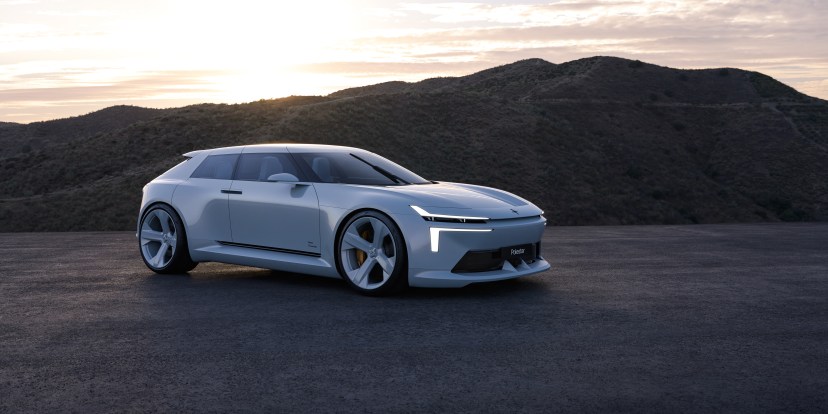
For the past six or seven years, electric car makers have treated the cabin like an empty electronics store, stripping out reliable dials and switches in the name of minimalism - and leaving the person behind the wheel to poke blindly at a slab of glass, trying to turn on a heated rear window through three layers of submenus. That’s why I believe the most interesting detail on Polestar’s new Formula 2030 concept car is not its wide rear arches or its wild coach doors. It is the group of physical controls sitting right at the base of the center console.
Unveiled in Gothenburg during the media drives for the Polestar 4, the Formula 2030 is the first show car penned under Head of Design Philipp Römers, who joined the brand in January 2025 after a long stint shaping mainstream hits at Audi and Volkswagen (can you see the influence?). Officially, the car represents the company’s corporate roadmap for the end of the decade. In plain terms, that corporate strategy comes down to selling more cars, turning a consistent profit, and lowering manufacturing emissions. And since you cannot display a spreadsheet on a turntable, Römers and his team built a four-door performance hatchback that previews the styling and cabin philosophy of the 2027 second-generation Polestar 2 and the 2028 Polestar 7 compact crossover.
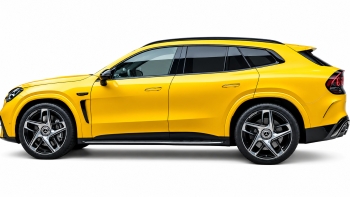
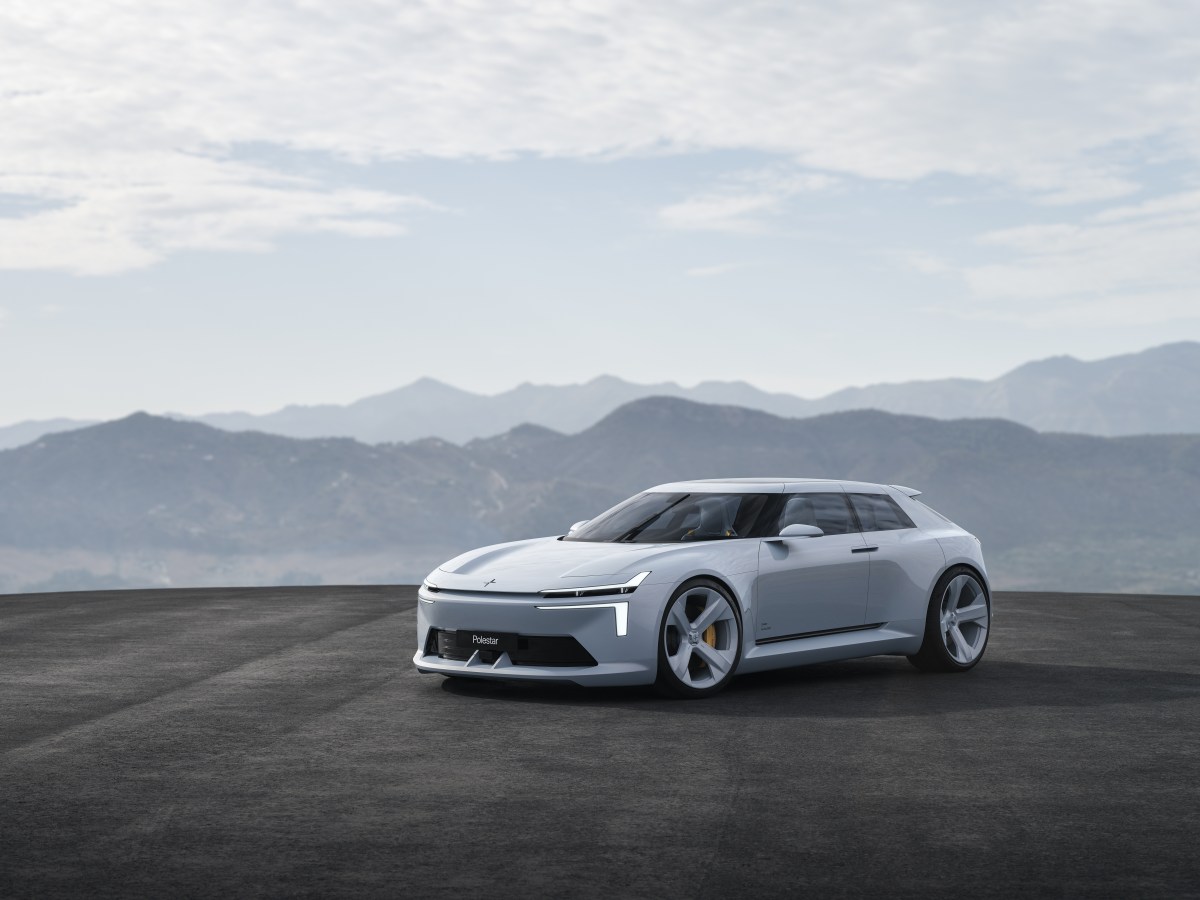
At 184.3 inches long on a 109.4 inches wheelbase, the Formula 2030 is roughly the same length as a Polestar 2, but it stretches 79.6 inches wide and sits 53.1 inches off the ground - the new concept looks squashed and stretched in all the right directions. It even undercuts the roofline of the big Polestar 5 grand tourer. Compare it to a Porsche Taycan Sport Turismo (195.4 inches long, 77.4 inches wide, and 54.7 inches tall) or a Hyundai Ioniq 5 N (185.6 inches long, 76.4 inches wide, and 62.4 inches tall), and you see a machine with the length of a midsize hatchback but the width and low roofline of a mid-engine exotic.
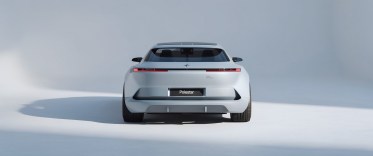
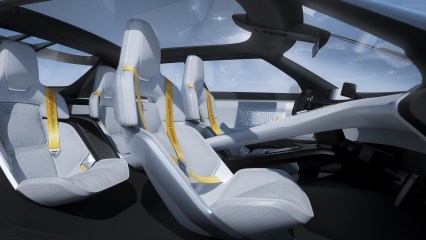
Getting a silhouette that low over a skateboard battery pack is one of the hardest packaging tricks in the electric car business. Most electric sedans force passengers to sit high with their knees pushed up toward their chest because of a thick floor pan of lithium-ion cells directly underneath. To get the roof down to 53.1 inches, Polestar’s interior team dropped the four individual bucket seats deep into the tub and used air-inflatable bolsters and cushions rather than bulky foam and heavy electric motors. It is a smart way to keep the center of gravity low and save weight, though anyone climbing in with a set of house keys in their back pocket will probably want to be careful around those inflatable bladders.
Once you drop into the driver’s seat through the pillarless doors - a classic motor-show flourish that has zero chance of surviving crash-test budgets for a production car - the cabin feels refreshingly focused on the job of driving. Interior design boss Juan Pablo Bernal admits the brand needed to rebalance digital screens and physical hardware. Below a 12.2-inch portrait touchscreen sits a modular bank of physical switches. Owners can apparently swap out the hardware modules themselves, choosing between rotary dials or rocker switches, and then program what each switch controls. After years of Volkswagen and Mercedes-Benz fumbling with clumsy capacitive sliders before quietly bringing back real buttons, seeing a tech-forward brand like Polestar champion tactile switchgear is a huge victory for common sense.
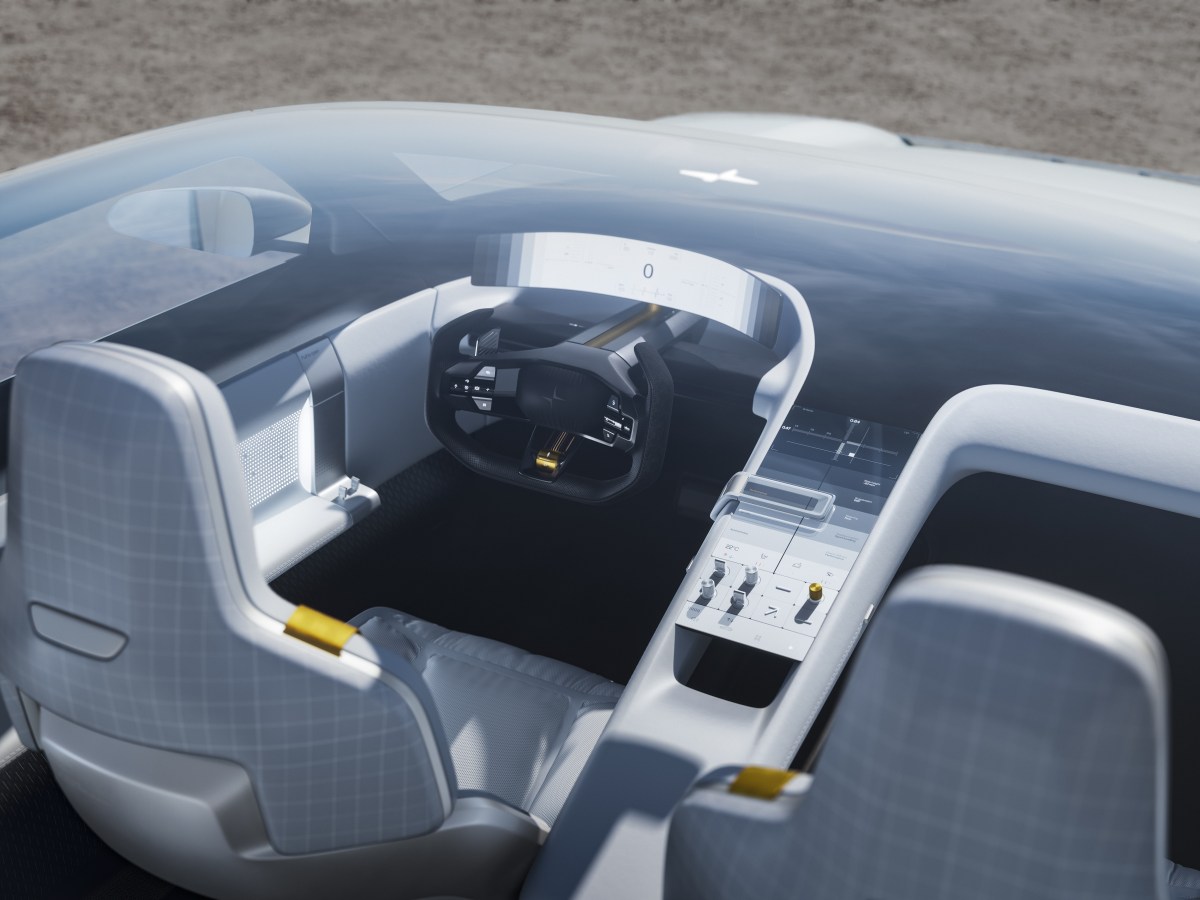
The rest of the dashboard plays with moving parts that are half practical and half theater. Mounted directly to the steering column is a curved 20-inch driver display that moves along with a cut-down yoke steering wheel. Slide the drive mode selector forward through Normal and into Performance, and the central touchscreen folds into the console to kill glare and distraction, with the steering wheel and main instrument cluster getting closer to your chest. Switch into Autonomous mode, and the wheel retracts, a hidden LiDAR sensor pops up at the top of the wraparound windscreen, and the center screen stands upright again. Ignoring the fantasy that buyers of stiffly sprung performance cars are itching to let a computer drive them to work, the idea of a center screen that tucks itself away on a twisty back road is seriously appealing. And if you need to adjust a setting while it is tucked away, Google Gemini is built into the native operating system for conversational voice commands.
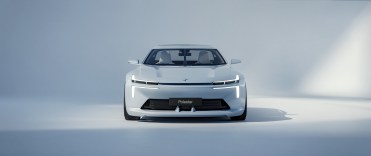
Outside, Nahum Escobedo’s exterior team has sharpened Polestar’s familiar geometric lines without throwing away the visual identity Thomas Ingenlath established so many years ago. The front end previews the 2027 Polestar 2, pairing the signature Dual Blade headlights with an integrated front aero wing and a deep splitter linked to a central spine. A single vertical wiper sits dead center on the visor-like windscreen - a neat nod to Endurance prototypes and fellow Swedish automaker Koenigsegg. Around the back, the full-width lightbar that has become a cliché across the entire car industry is gone. In its place are new Single Blade rear lights that will go straight onto the 2028 Polestar 7. The whole car - including the 22-inch center-lock four-spoke wheels and aero diffusers - is finished in a paint shade called Nitrogen, playing off matt, satin, and gloss textures with traditional Swedish Gold accents on the Brembo brake calipers, valve caps, and seat harnesses.
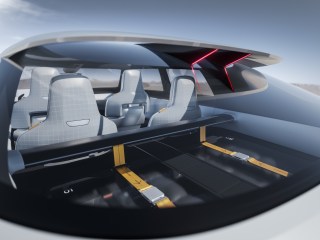
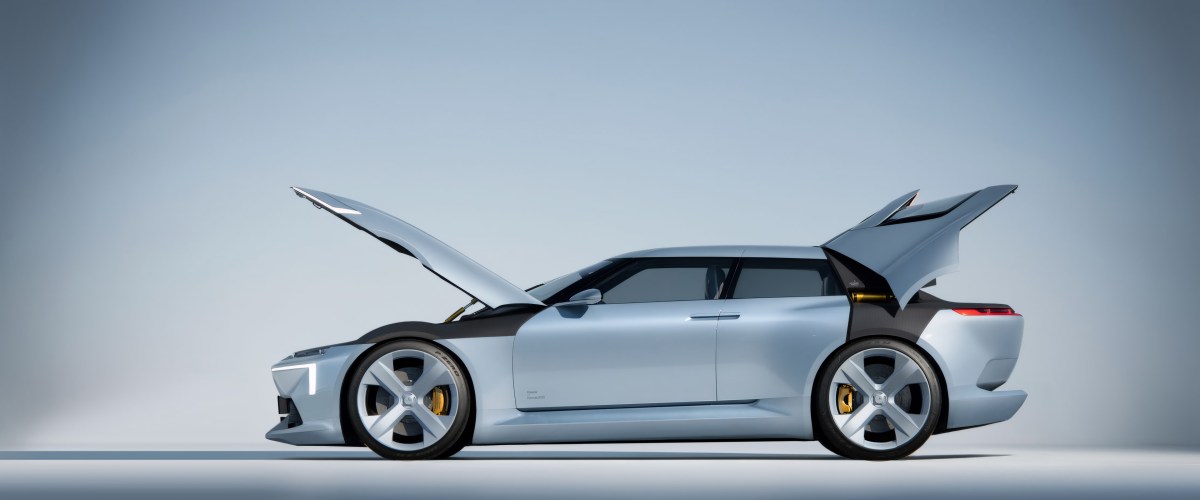
Polestar is keeping quiet on battery sizes and horsepower, but Römers mentioned that the body was designed around the hard points of an existing Geely Group architecture. Given what parent company Geely already builds - such as the SEA platform underpinning the Zeekr 001 FR and Lotus Emeya - fitting an 800V electrical system and dual motors producing upwards of 740 lb-ft of torque would need very little imagination. More telling is what you can see when you lift the hood and the rear clamshell. Rather than burying the mechanicals under acres of black plastic trim, the front trunk exposes a Swedish Gold strut brace and inboard race-grade Öhlins adjustable dampers alongside a storage bay sized for two crash helmets and a fire extinguisher. Out back, a transparent floor shows off bespoke luggage strapped down over exposed natural-fiber composite bodywork.
That exposed structure is part of a broader push led by materials chief Maria Uggla to lower manufacturing carbon footprints without making the cabin look like a hairshirt eco-project. The inner door cards are built from a single material so they can be recycled whole without complicated disassembly at the end of the car’s life. The exposed seat frames and cross-car structural beam use low-emission galvanized steel produced with renewable energy, while the seat backs and rear clamshell use Bcomp flax and bio-based polypropylene composites in place of carbon fiber and virgin plastic. In a heavy electric market where a standard BMW i4 M50 tips the scales at 5,049 lb, finding ways to shave mass with natural composites while cutting factory emissions is way more useful than adding another hundred horsepower.
For Western buyers and European automakers alike, the Formula 2030 is a signpost of where the electric car market is heading as the initial novelty wears off. Polestar has had a bumpy financial ride over the last couple of years, caught between aggressive rivals like Xiaomi and BYD on one side, and heavy import tariffs in the United States and Europe on the other. Moving away from sterile, screen-heavy boxes and focusing on low-slung proportions, visible mechanical engineering, and proper physical switchgear shows that Gothenburg is realizing a simple truth: once every family car can sprint to highway speeds in four seconds, how a car feels in your hands matters miles more than how many apps you can run on the dashboard.
Related


Reader comments
Nothing yet. Be the first to comment.