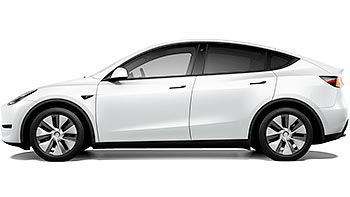
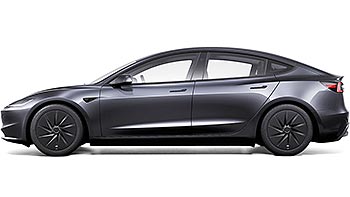
Porsche is turning to XPeng to save its combustion soul
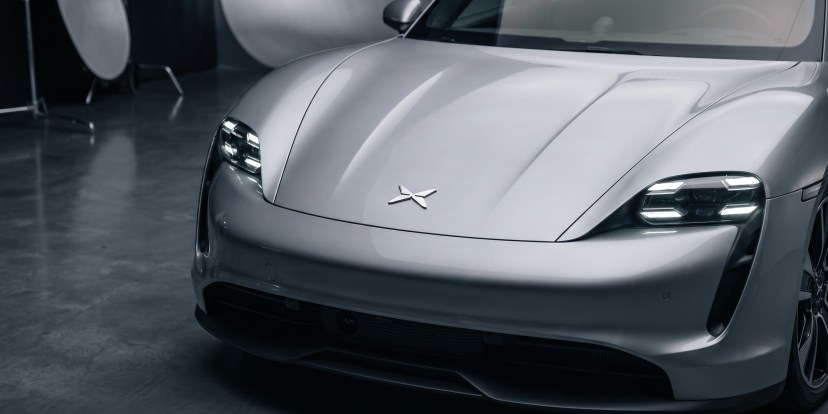
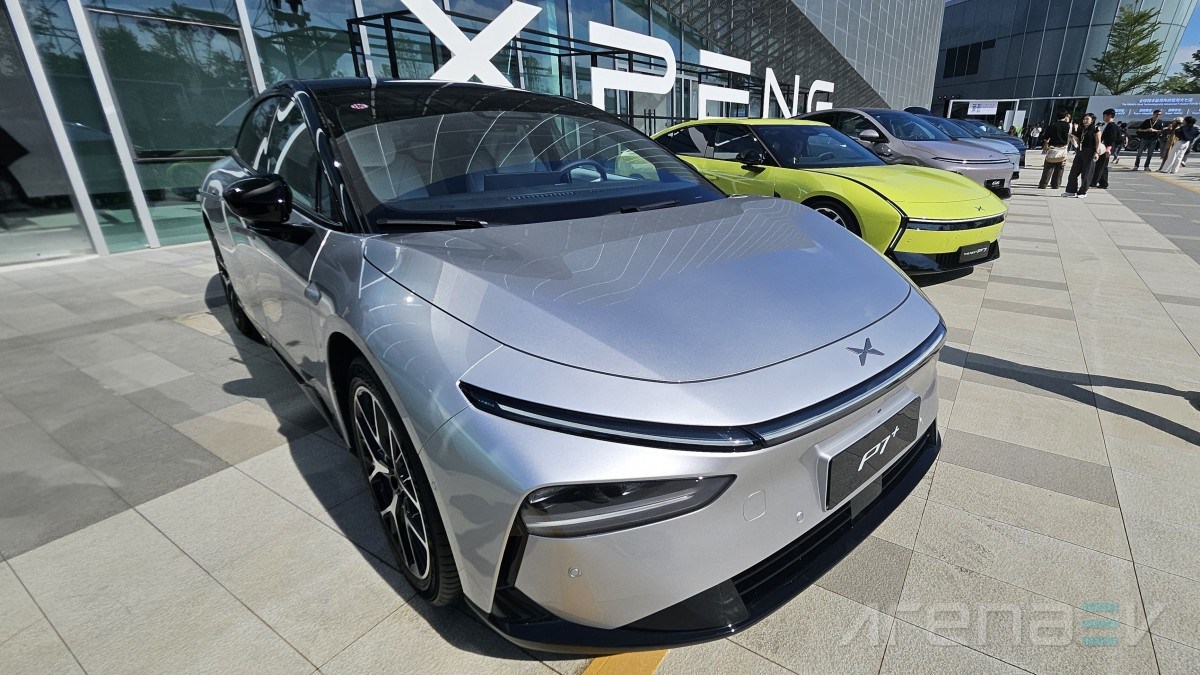
The automotive world has a way of delivering plot twists that no scriptwriter would have imagined a decade ago. Porsche - the sacred temple of screaming flat-sixes, and motorsport pedigree - has formally decided to decouple from its parent conglomerate's emissions pool and jump into bed with Chinese EV maker XPeng.
It sounds like an alternate-universe fever dream, but when Brussels starts dishing out ten-digit penalty notices, even the most proud German aristocrats will happily go hunting for practical survival strategies in Guangzhou.
The root of this drama comes down to European Union regulations that force automakers to keep their average new-vehicle fleet emissions below 93.6 g/km. Exceed that threshold, and the EU slaps a merciless fine of $111 per gram over the limit, multiplied by every single vehicle registered across the bloc over a three-year evaluation cycle from 2025 to 2027.
For a giant like the Volkswagen - which shifts millions of passenger cars a year - running at an estimated average of 100 g/km is an express ticket to financial pain. VW Group CFO Arno Antlitz openly flagged that the company gets annual penalties running anywhere from $469 to $586, creating a worst-case cumulative exposure of $1.76 (roughly $1.7 billion).
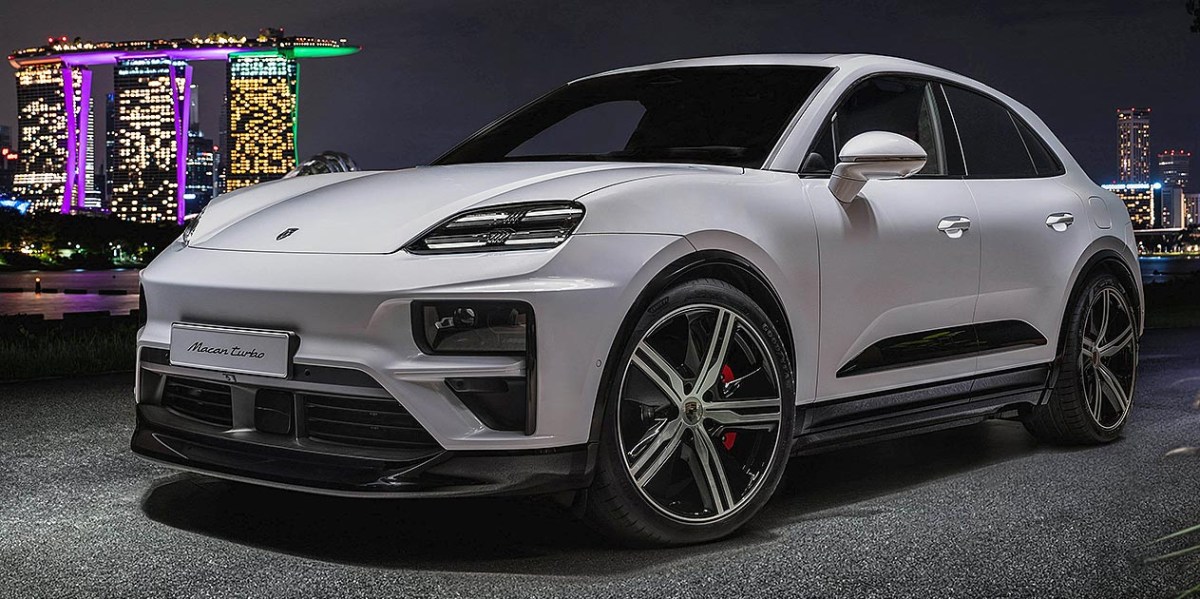
That is $1.76 evaporating into administrative penalties instead of funding chassis development, software overhauls, or next-generation solid-state battery architecture. But the dirty little secret inside the family is Porsche, which was actually making the mothership's problem worse. Sure, the brand gave us the Taycan and the new electric Macan, but Zuffenhausen's wider sales mix is addicted to combustion horsepower.
With rumbling V8 Cayennes, twin-turbo Panameras, and 9,000 RPM GT3s flying out of showrooms, Porsche's standalone fleet average hovered around an eye-watering 130.2 g/km. In the shared pool, Porsche was acting like a cinder block tied to Volkswagen's ankles.
To stop the bleeding, Porsche did what any profit-minded manufacturer would do: it went for the pooling loophole. Under EU rules, automakers can form collective "open pools" with rival brands, blending their tailpipe emissions into a single regulatory balance sheet. If your lineup drinks too much petrol, you simply pay an electric-only manufacturer to let you average out your numbers against their zero-emission fleet.
Take Tesla as an example here - it essentially built a multi-billion-dollar empire out of selling regulatory carbon credits to panicked legacy players. No surprise then that now Chinese EV makers are taking over the exact same lucrative racket. Bear in mind that in the US, that business model is as good as gone after the emissions targets were reversed.
For XPeng, this arrangement is pure free money. Having moved around 19,000 electric vehicles in Western Europe last year - and tracking toward nearly 50,000 units this year - the Chinese brand holds a massive surplus of zero-emission credits. By forming an open pool together for 2026 and 2027, Porsche hands XPeng a nice injection of high-margin cash, lowers its own regulatory risk, and liberates the VW Group to fight its own emissions battle without Porsche dragging down the family average.
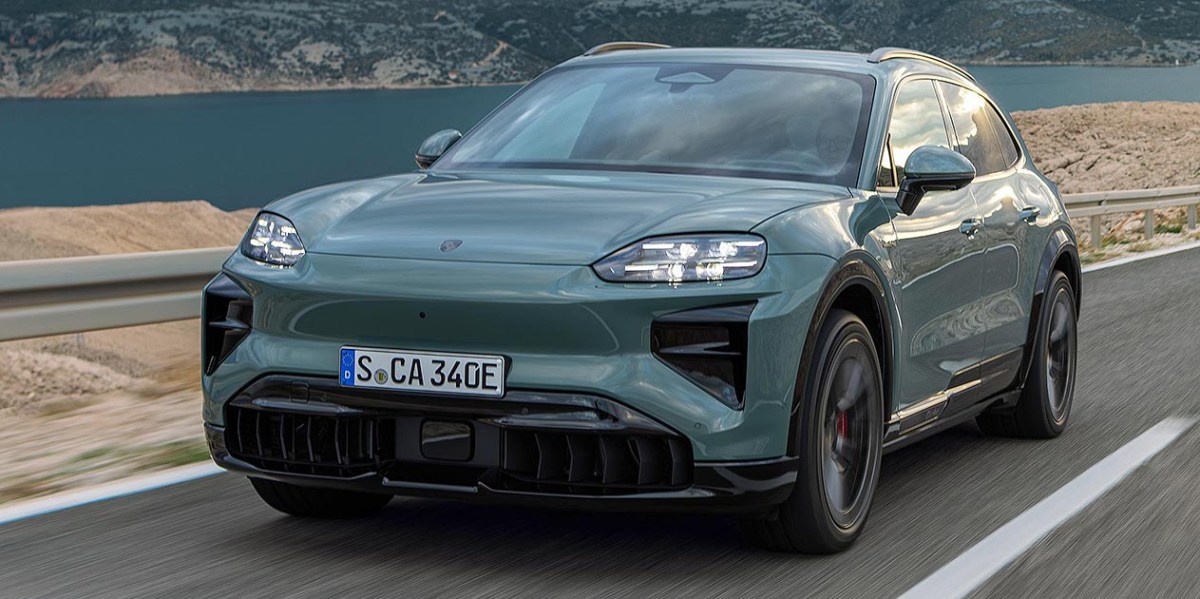
It really is a cynical regulatory chess where everybody wins - except the regulators who thought these penalties would force an immediate end to the combustion engine. The irony becomes impossible to ignore when you park these brands' flagship hardware side-by-side. The new Porsche Macan Electric (188.3 inches long, 76.3 inches wide, and 63.9 inches) kicks off at $99,100 before you even glance at Stuttgart's infamously expensive options list (four figures for leather-wrapped air vents).
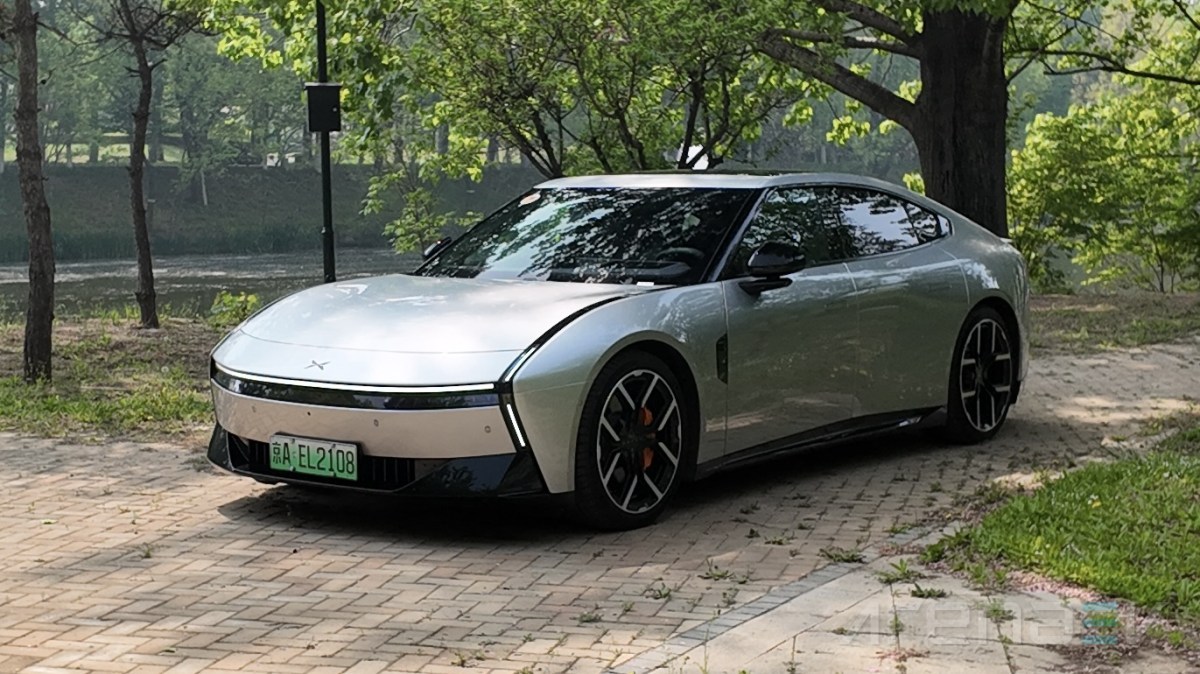
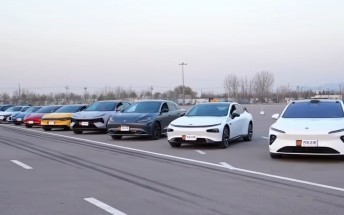
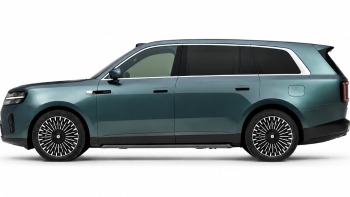
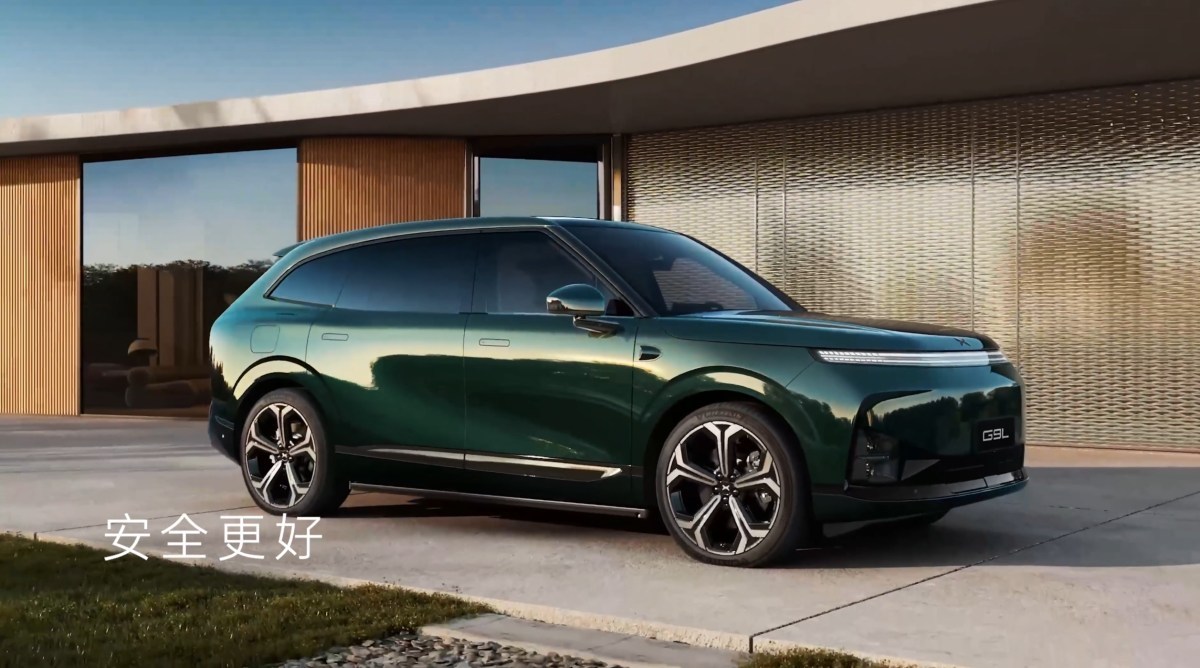
XPeng’s technological flagship, the G9 SUV (192.6 inches long, 76.3 inches wide, and 65.7 inches tall) with its 800V fast-charging starts from $69,800. The new G9L is even more wallet-friendly and is already on its way to Europe - the Chinese upstart is delivering serious luxury real estate for tens of thousands less than Zuffenhausen's finest.
For the mothership in Wolfsburg, cutting Porsche loose is only stage one of a high-stakes salvage operation. Volkswagen desperately needs its own mass-market EV portfolio to step up to the plate. The new subcompact duo - the ID. Polo and ID. Cross - are critical for dealer volume, but they are as well vital mathematical lifelines. If VW cannot sell hundreds of thousands of affordable electric hatchbacks and small crossovers to ordinary European buyers, meeting the incoming 2030 EU target of 49.5 g/km will be completely out of reach.
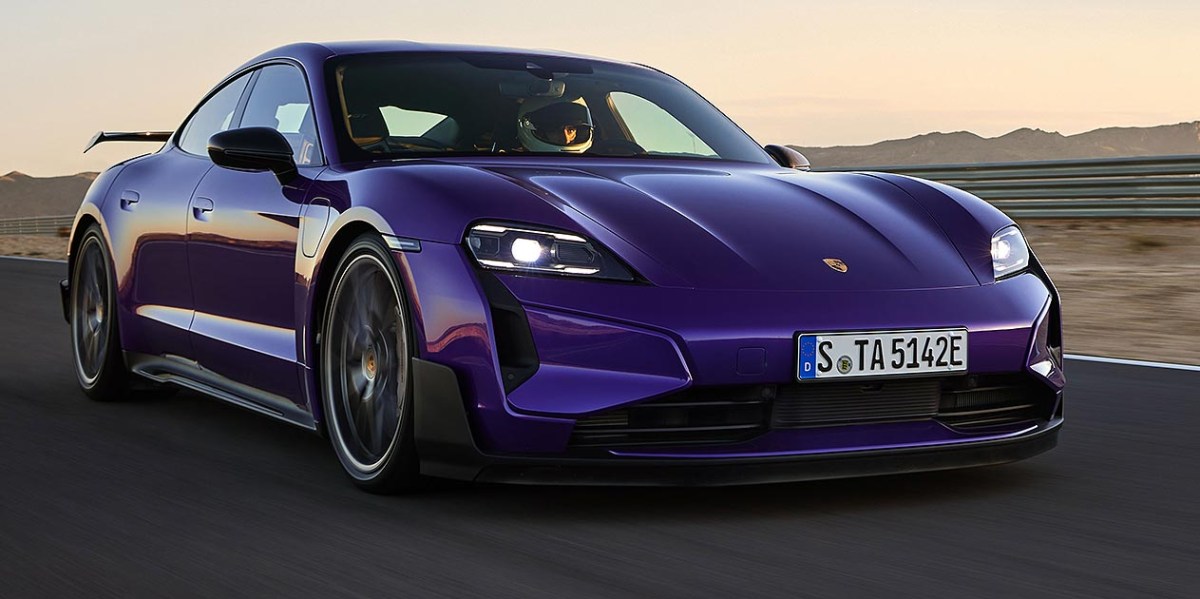
All of this speaks to a quiet pivot underway inside Porsche. A few years ago, company executives were forecasting that electric vehicles would dominate nearly their entire lineup by the end of the decade. Today, that rhetoric has collided head-on with customer reality. Enthusiasts still want the theatre of internal combustion, and wealthy buyers are balking at rapid EV depreciation.
Partnering with XPeng to shoulder its emissions burden bought Porsche some breathing room - a golden regulatory hall pass, if you like, that allows Stuttgart to keep its gas engines and plug-in hybrids alive, letting dino-juice ponies run wild on mountain passes for many more years to come.
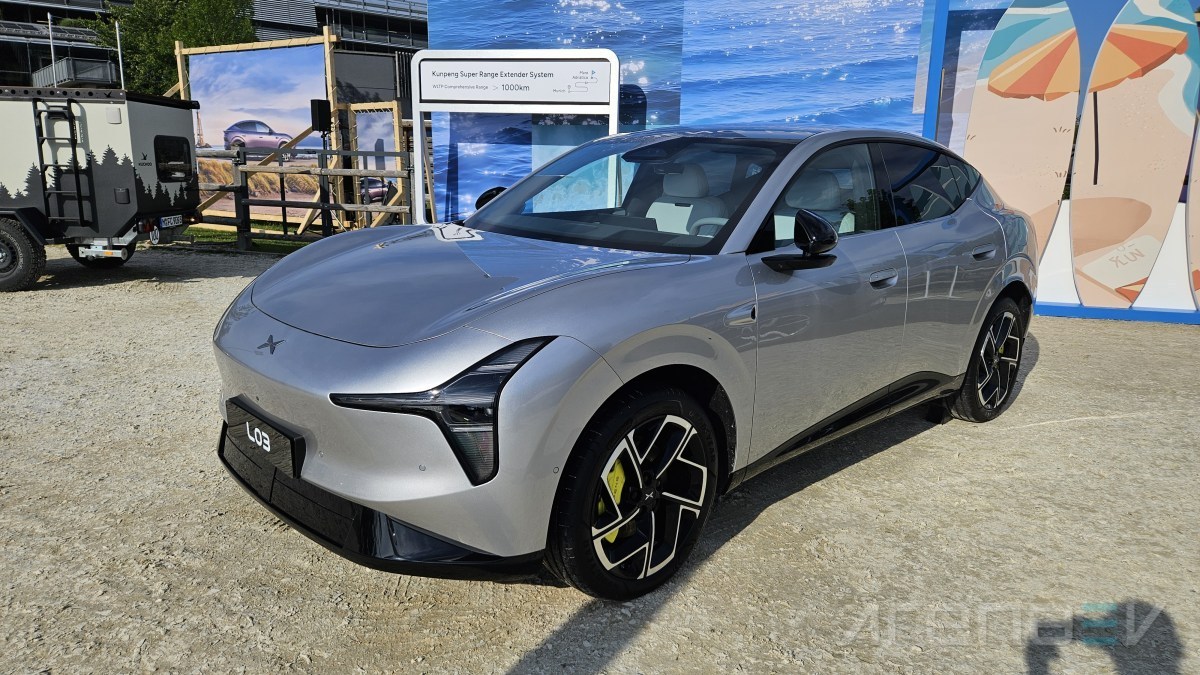
Even if you don't agree with the whole idea, you have to admire the brass neck of modern automotive capitalism. European regulations were designed to force legacy giants to accelerate their electric transitions under threat of financial ruin.
Instead, those very mandates have created an absurd situation where Germany's premier sports car manufacturer writes a fat cheque to a Chinese EV challenger so that wealthy drivers can keep revving flat-sixes down the Autobahn. The electric transition is not going away - it is still marching forward, but as Porsche proved, there is always a clever detour around the rulebook if your pockets are deep enough.
Related
Reader comments
- Anonymous
And where do you have actual democracy? Voters are good for politicians only during elections. Then tehy do whatever they want or what theit backing told them to do.
- 18 Aug 2026
- MFI
- Anonymous
western europe/eu is not really a democracy or elected republic. i feel sorry for euros..going through the motions of 'voting' like zombified ants.
- 18 Aug 2026
- D6e
- Anonymous
And you are surprised? Political parties are sending the leftover politicians there because they dont want them in their home parliament. Thats why It looks like this.
- 18 Aug 2026
- MFI