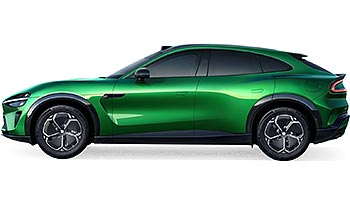
The all-new Torcal reveals Bentley’s obsession with torque
Ettore Bugatti famously derided W.O. Bentley's Le Mans-conquering racers as "the fastest lorries in the world." It was meant as a Parisian sneer, but in Crewe, they took it as the highest form of praise. For over a century, a proper Bentley has never been a dainty, rev-happy plaything. It has always been an iron fist in a bespoke Connolly leather glove - a velvet steamroller built to flatten mountain passes and compress European continents with terrifying, low-slung momentum.
Whether powered by the 6.75-liter pushrod V8 or the titanic twin-turbo W12 that could rearrange tectonic plates at 2,000 rpm, effortless thrust has been pretty much Bentley's entire reason for being. But now, that mechanical heritage is about to go through the ultimate identity crisis: swapping petrol-swilling pistons for a silent battery pack.
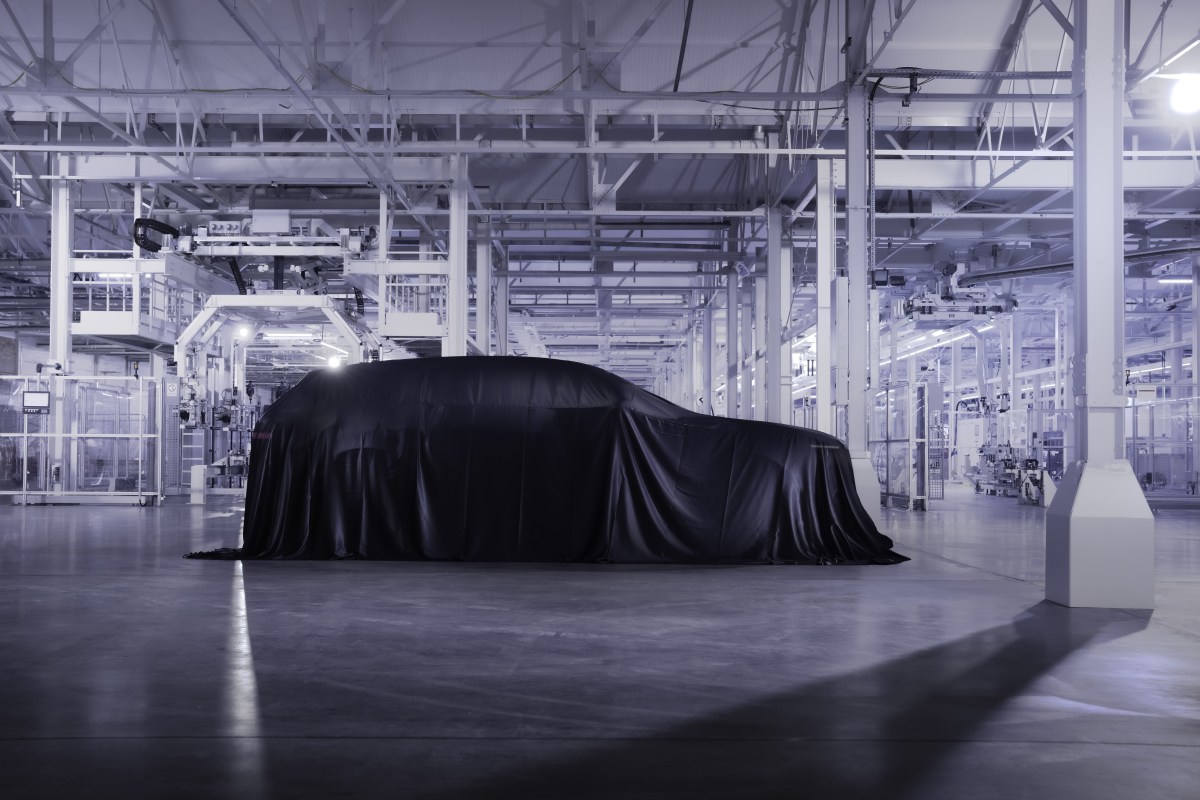
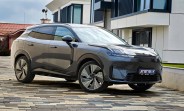
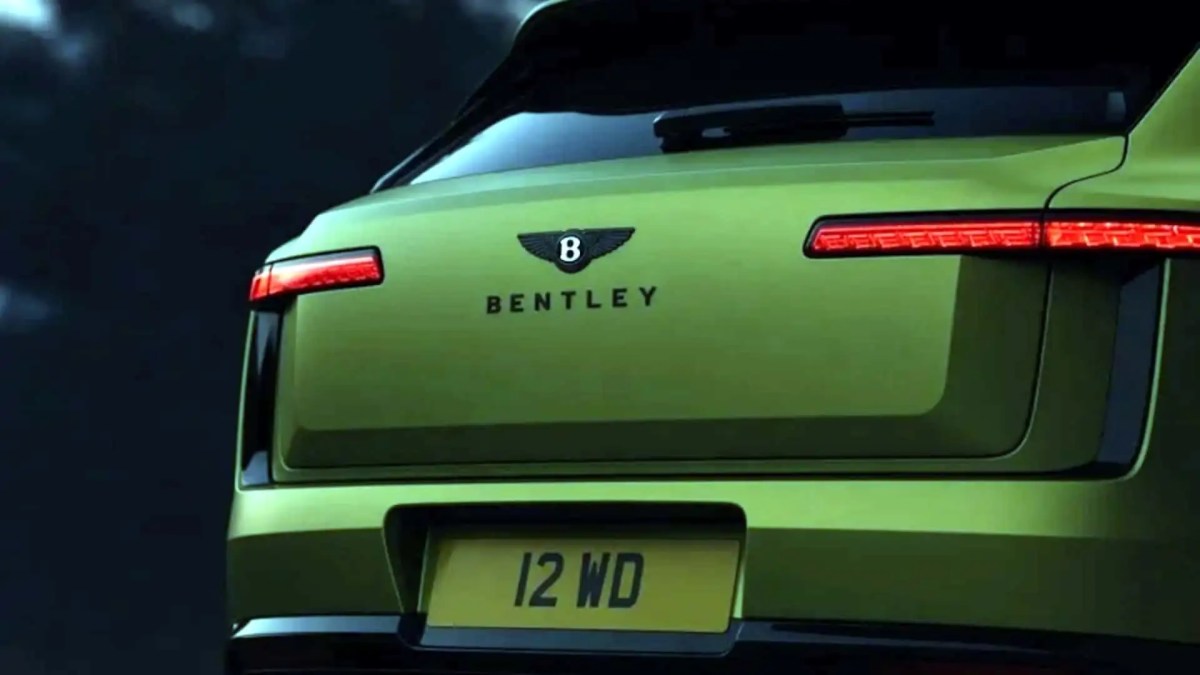
Bentley Torcal - named after El Torcal de Antequera (a Spanish nature reserve famous for its wind-sculpted limestone karsts) and paying homage to the Latin verb "torquere" (the linguistic root of torque itself), this high-riding projectile is Bentley's very first venture into pure electric propulsion.
On paper, the pairing of an electric powertrain with an ultra-luxury grand tourer is an open goal. After all, what is an EV if not the purest form of instant, lag-free twisting force? But rather than maybe dipping its toes in the electric pool first, the British marque decided to build the most ferocious road car to ever roll out of the Crewe factory gates.

The Torcal has some serious shoes to fill in - the outgoing twin-turbo hybrid Continental GT Speed serves up a monumental 771 horsepower. Bentley already admitted the Torcal will breeze right past that benchmark, with whisperings from inside the camp pointing to anywhere between 800 and 900 ponies going wild under your right foot.
That is enough muscle to launch this two-and-a-half-tonne lounge from zero to 60 mph in well under three seconds. But in typical Crewe fashion, the engineers are quick to insist that this neck-snapping acceleration has been kept strictly "within the boundaries of comfort." My guess is that the Torcal will literally rip your face off taking off the line, but it'll do so without spilling a single drop of gin and tonic sitting in the cup holder.
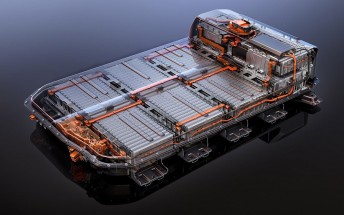
Curiously, underneath all that sculpted metalwork sits the Volkswagen Group's Premium Platform Electric (PPE) architecture, developed in close coordination between Porsche and Audi. It is the very same backbone that the new Porsche Cayenne Electric sits on, complete with a monstrous 110 kWh battery pack and an 800V electrical architecture.
That info is enough to speculate that the Torcal will use the powertrain from the Turbo version of the Cayenne - two electric motors, probably a little bit less than 1,100 horsepower in order not to step on Porsche's toes, and mighty 1,106 lb-ft of that instant torque. If Porsche can deal with the 0 to 60 mph in 2.4 seconds, then Bentley won't be far behind.
The VW setup helps the Torcal to ingest electrons at charging rates up to 300 kW, recuperating roughly 100 miles of range in about seven minutes. Granted, finding a public ultra-rapid charger that actually spits out 300 kW on a rainy Tuesday outside Birmingham is about as likely as meeting Lord Lucan at a roadside diner, but the theoretical firepower is there.
Where the Torcal truly departs from established Bentley orthodoxy is its footprint. Bentley describes it as a "luxury urban SUV," deliberately designing the exterior to tuck neatly under 197 inches in total length. That might sound massive if you drive a hot hatch, but in the stratosphere of multi-millionaire family haulers, it is a genuine restraint.
Consider the existing Bentayga, which stretches to 201.8 inches in standard guise - and swells to an ocean-liner-like 208.9 inches in Extended Wheelbase trim - while crushing the world with a weight of 5,534 lb. By keeping the Torcal's proportions tighter, Bentley is giving affluent city dwellers something they can actually park outside Harrods.
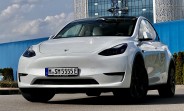
Simply for comparison, the polarizing Lotus Eletre is 200.9 inches long and weighs between 5,490 lb to 5,820 lb, offering a riotous 905 horsepower in track-focused R guise with entry prices starting around $122,900 and quickly sailing past $165,000. The palatial Rolls-Royce Spectre is imposing 214.7 inches long, tips the scales at 6,371 lb and melts your wallet with a starting price of $453,000. The Torcal slots into a sweet spot: it is more agile and street-friendly than Goodwood's electric monolith, yet way more opulent and stately than the angular Lotus.
Of course, this is still a Bentley, which means buying one will need a spectacular financial outlay. Early estimates put the starting price somewhere around $233,000. Naturally, that number is purely academic since nobody buys an off-the-rack Bentley. Once you let the artisans at Mulliner run wild with hand-stitched veneers, illuminated treadplates, and paint matched to the exact hue of your vintage yacht's hull, you will comfortably breach the quarter-million-pound barrier.
The most eccentric detail of the Torcal is how Bentley plans to tackle the acoustic void left by the missing internal combustion. Instead of piping in synthetic, sci-fi spaceship whooshes or fake, hollow V8 exhaust samples through the cabin speakers, the design team hired living, breathing musicians. The Torcal's auditory soundtrack is composed from actual acoustic recordings of a viola, an electric bass guitar, and dynamic percussion, layered to swell and respond in real time to throttle inputs.

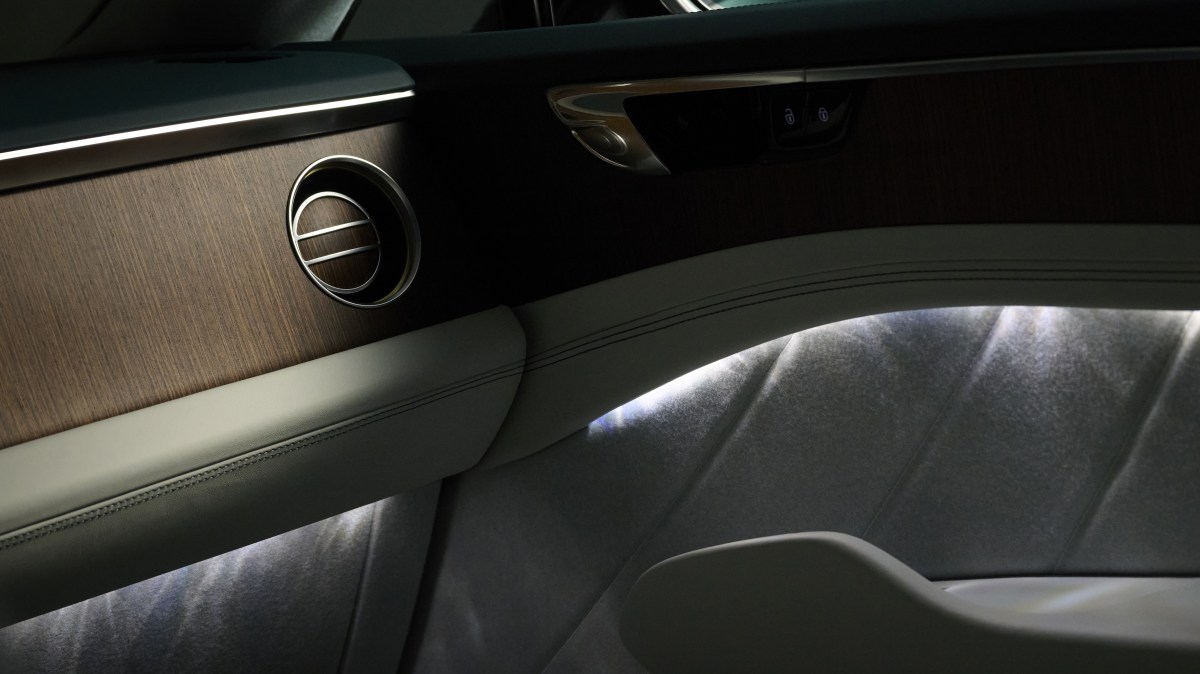
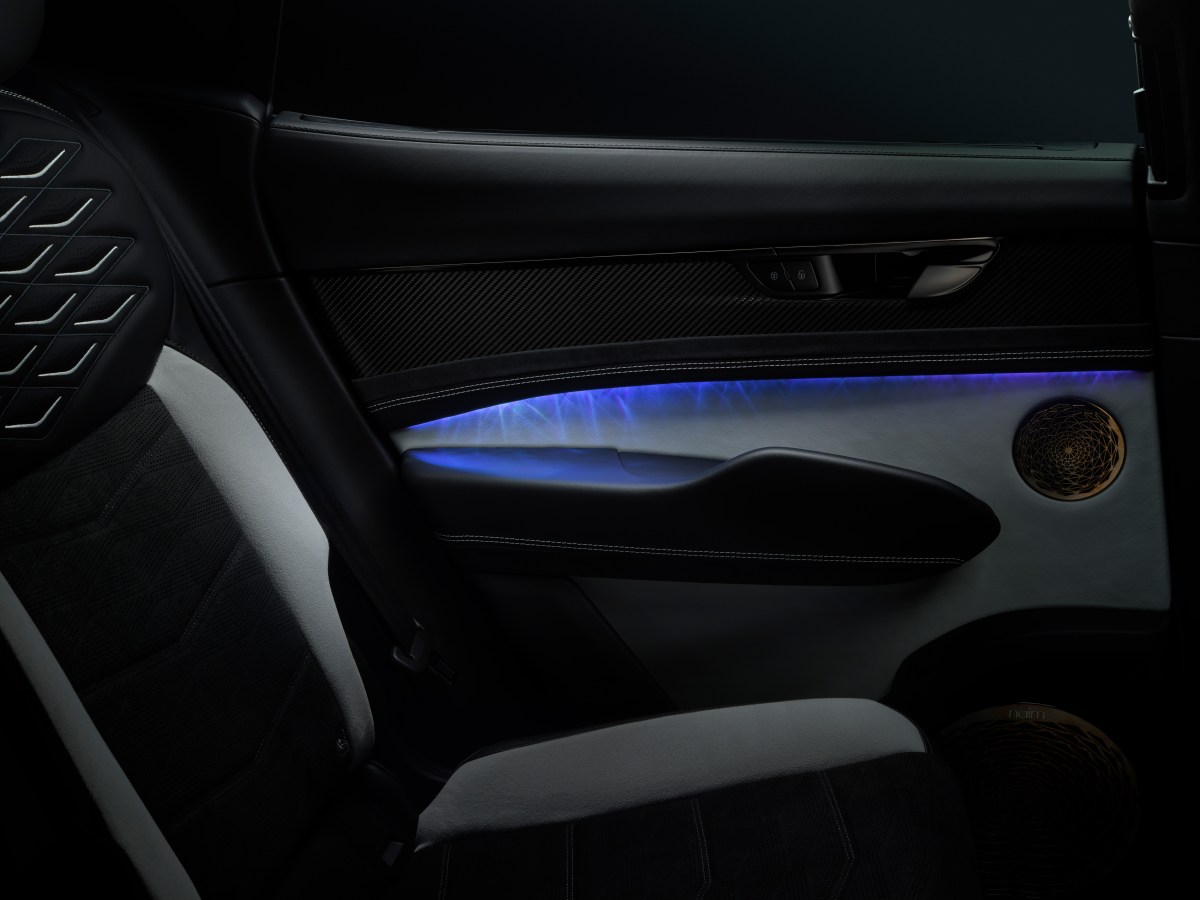
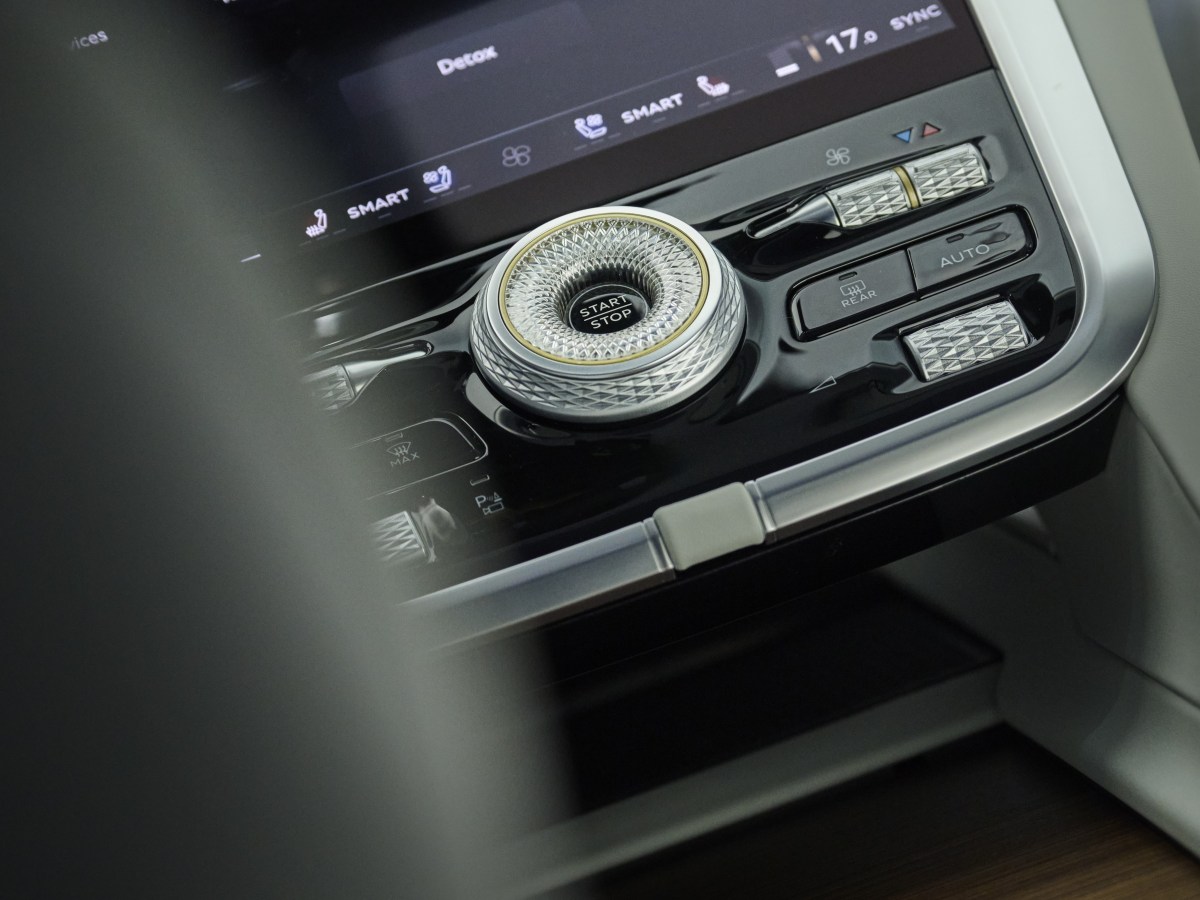
I have only seen a few teaser images of the cabin, but it was enough to realize it blends old-world craftsmanship with high-tech theater. Taking inspiration from the dramatic EXP concept studies, the cockpit will have an upright dashboard centered around a portrait-oriented touchscreen and an analog-style selector dial dubbed the "Curation Engine".
Rather than forcing owners to swipe through submenus, Bentley preserves proper tactile pleasure with knurled metal toggles, knurled dials, and organ-stop air vents. The roofline is deliberately upright, ensuring that rear passengers enjoy headroom rather than having their scalps shaved by the sloped roof of a pseudo-coupe.
The story of the Torcal coming about is fascinating. Not so long ago, under the banner of its ambitious "Beyond100" plan, Crewe was boasting that it would ditch combustion engines by 2030. But the real world intervened. Wealthy buyers made it clear that they love the glorious rumble of a petrol engine, and the demand for six-figure EVs proved far more volatile than anyone anticipated, and Bentley hit the brakes. The 2030 pure-EV mandate was scrapped, the transition was kicked down the road, and the firm confirmed that combustion engines and plug-in hybrids will stay on sale well into the 2030s.
That retreat puts the Torcal in a high-stakes position: it will be Bentley's solitary all-electric offering for the rest of the decade. Rather than being the first domino in an electric avalanche, the Torcal is a scouting party. It does not replace the thunderous petrol-fed Continental or the Bentayga - it exists to prove that the soul of Crewe can thrive without burning a single drop of fuel. It may rely on an electric motor and an orchestra rather than roaring exhausts, but this is pure Bentley through and through. Mark your calendars - September 23: a new chapter begins. Let's see how long it lasts.
Related

Reader comments
Nothing yet. Be the first to comment.