VW’s latest numbers suggest a huge change at Wolfsburg
If you listen to the people talking at the local pub or scroll through the darker corners of automotive internet forums, you would think the electric vehicle dream is stone-cold dead. They will tell you the public has lost its appetite, the charging infrastructure is a joke, and everyone is secretly running back to petrol pumps.
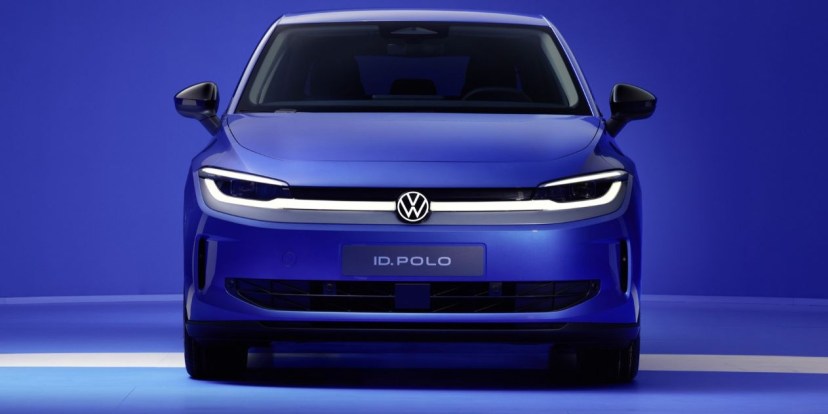
But when you look at the data coming out of Wolfsburg, that doomsday narrative falls apart. In just a few weeks, Volkswagen Group has watched more than 70,000 orders flood in for the new electric ID. Polo and its siblings. That is not just a trickle of interest - it is a full-blown stampede of buyers wanting to see what happens when the people's car brand finally builds an EV for actual, everyday people.
The new breed of subcompact electric hatch is a big shift in how the German giant plans to lay out its future footprint. The ID.Polo sports a length of 159.6 inches, a width of 71.5 inches, and stands 60.2 inches tall, riding on a neat 102.4 inches wheelbase. For comparison, the gorgeous, retro-infused Renault 5 E-Tech cuts a tighter silhouette, measuring just 154.3 inches in length, 69.7 inches in width, and 59.1 inches high. On the other hand, the sharp-edged Peugeot e-208 stretches slightly longer at 159.6 inches. Volkswagen clearly wants the sweet spot - compact enough to zip through tight multi-story car parks but wide enough to plant itself firmly on a twisting B-road.
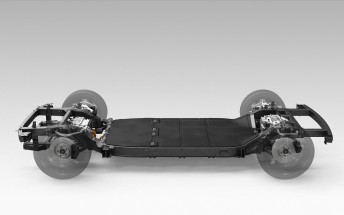
What makes this packaging particularly clever is the way the engineers have used the skateboard chassis architecture. By tossing out the internal combustion engine and driving the front wheels with a compact electric motor, they have freed up a lot of cabin space. Despite a footprint that barely shadows a traditional petrol-powered Polo, the interior packaging promises the kind of knee room you would normally expect in a larger Golf, alongside a trunk that juggles between 490 liters to 1,330 liters of luggage capacity.
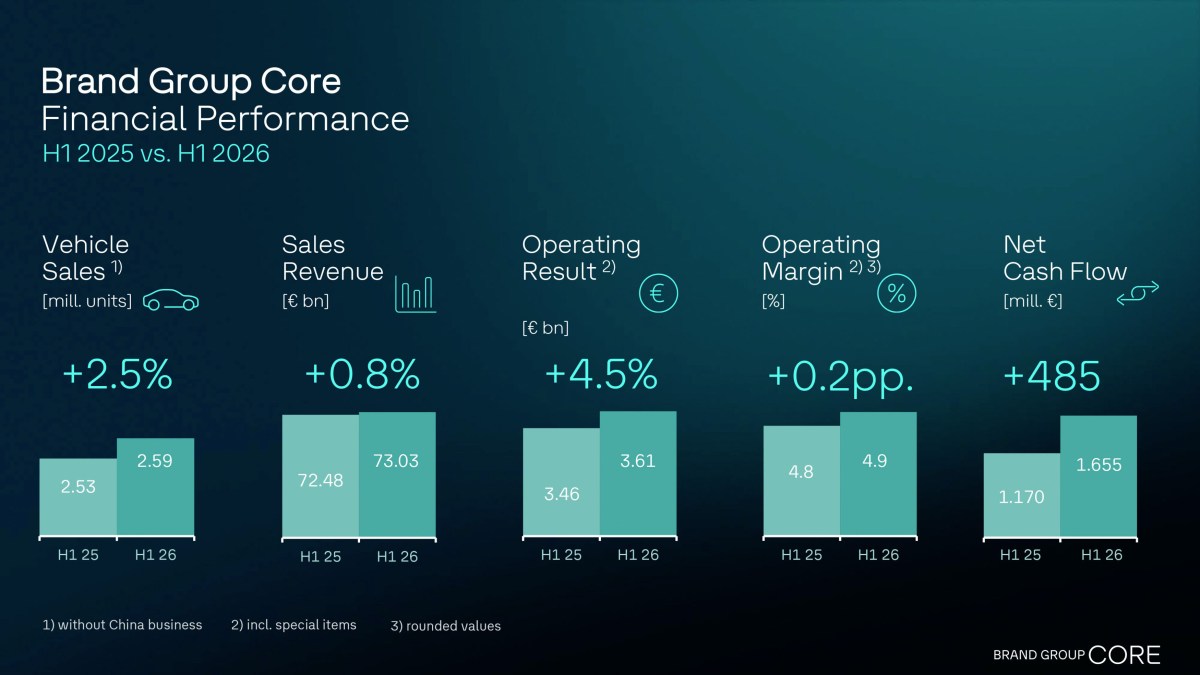
Step inside the giant tent of the Brand Group Core, and you realize this is a co-ordinated, multi-pronged blitz. Škoda Auto is absolutely flying right now with a dynamic 9.1 percent spike in worldwide deliveries. Deliveries of the Elroq and Enyaq crossovers nearly doubled, propelling the Czech brand to fourth place among Europe's top-selling BEV makers. And the pipeline is expanding - their upcoming electric cars, the Epiq and Peaq, have already racked up more than 30,000 advance orders.
The Spanish division is injecting some serious emotion into the spreadsheets as well. SEAT and CUPRA turned in an operating result of $143 million, and the real star of the show is the CUPRA brand hitting a record 170,100 vehicle sales in the first half of the year, turbo-charged by the launch of the edgy CUPRA Raval hatch, which sent their electric vehicle order bank skyrocketing by 85 percent in the second quarter alone.
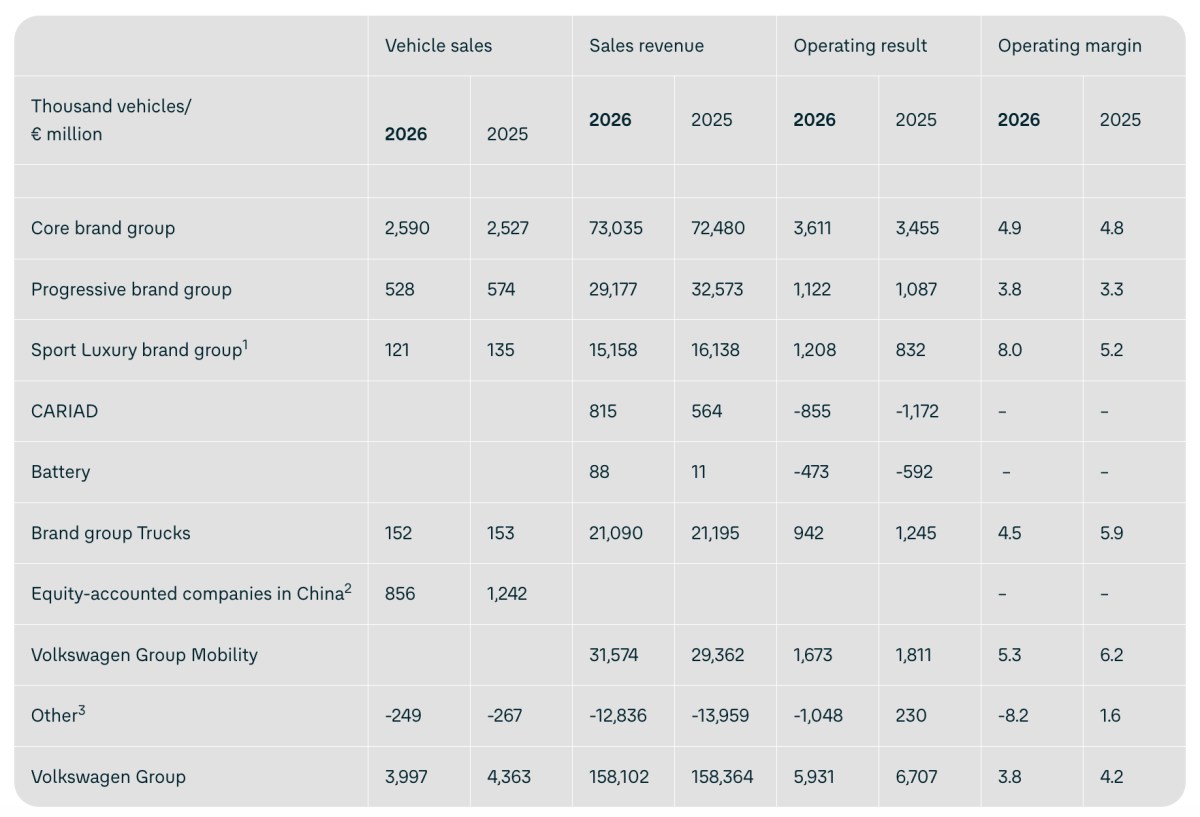
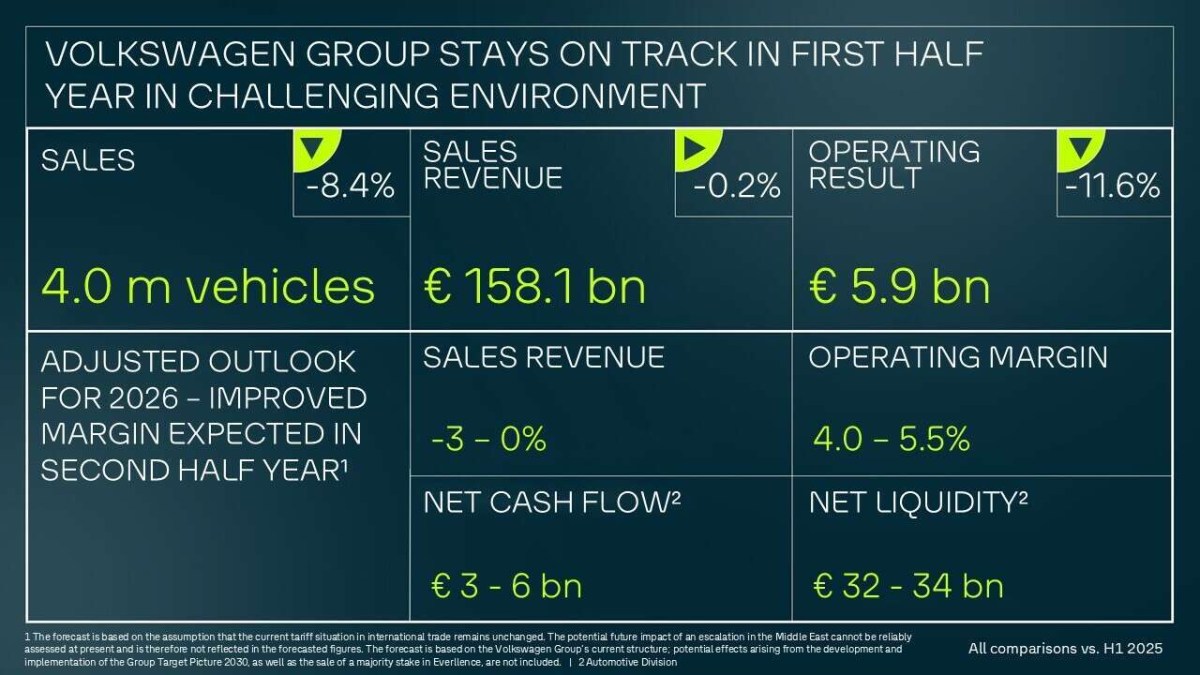
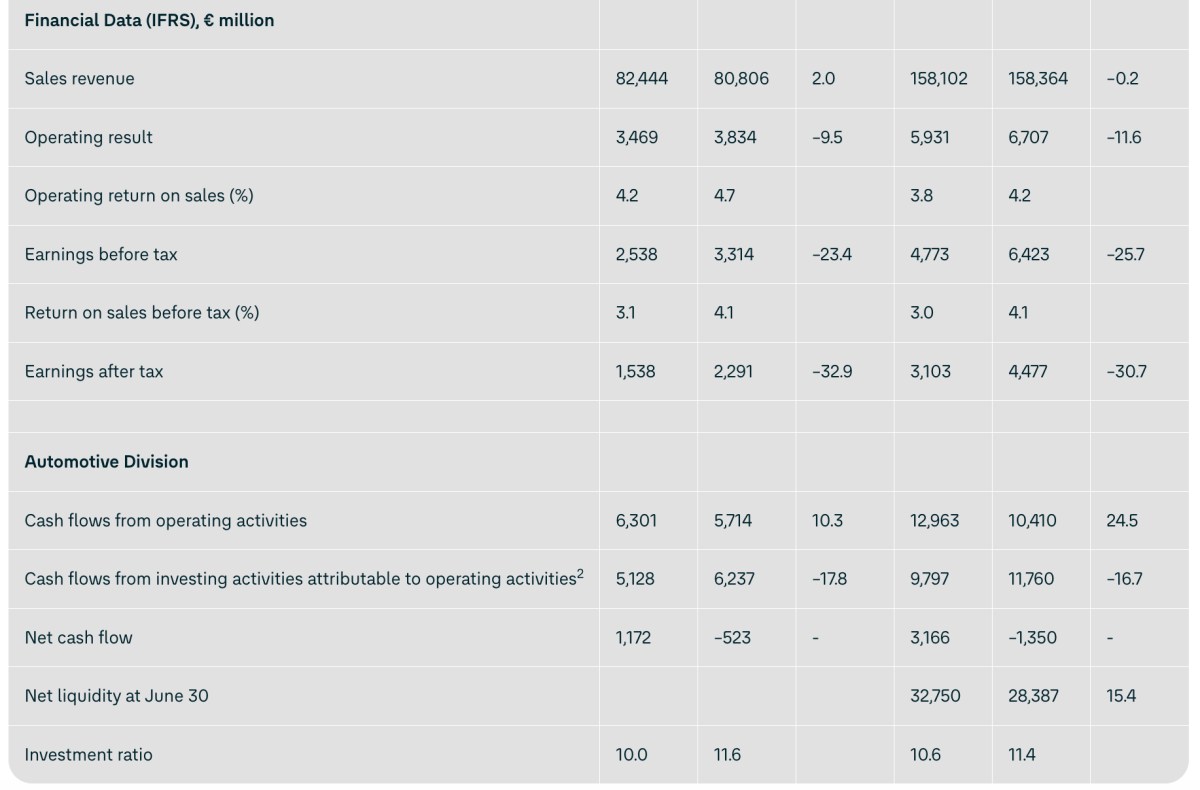
Yet, outside the design studio, the corporate boardroom tells a much more dramatic story of financial headwinds and structural tightening. The group managed to haul in a massive $185.21 billion in sales revenue for the first half of the year, tracking nearly neck-and-neck with the $185.57 they pocketed during the same stretch last year. But here is the catch - the overall operating result tumbled by 11.6 percent, down to $6.91 billion.
For a company of this scale, a global operating margin of 3.8 percent is cutting things incredibly close, triggering an urgent demand from management to lower the cost base and speed up decision-making across the board. A big chunk of that financial bruising came down to a strategy pivot across the Atlantic - the painful decision to halt production of the ID.4 in Chattanooga. That alone dragged down the balance sheet to the tune of roughly $0.59 billion in unexpected expenses, pulling the VW passenger car brand's operating margin down to a razor-thin 2.4 percent.
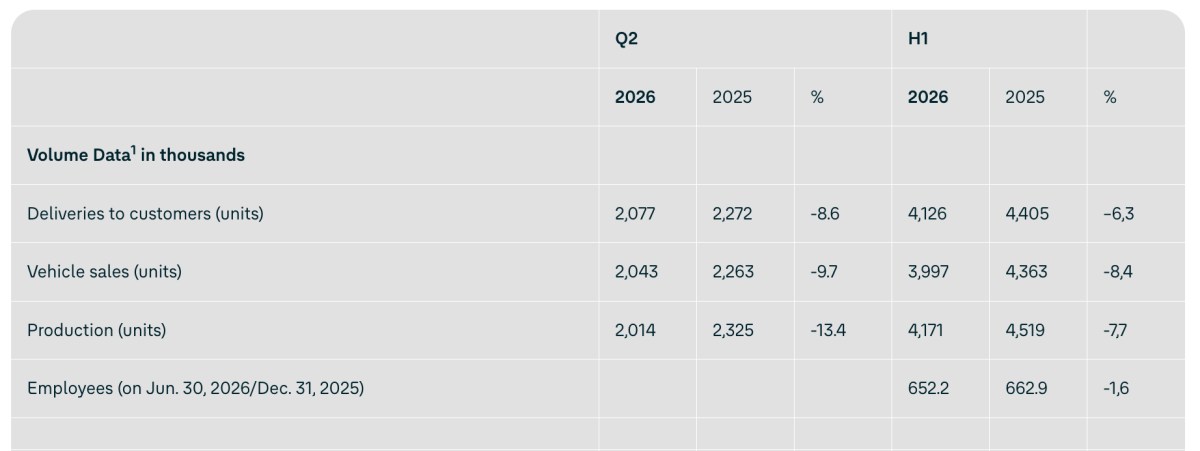
Geographically, the brand is fighting a brutal war on two completely different fronts. Over in China - traditionally Wolfsburg's massive cash cow - the market has turned into a meat grinder. The total Chinese market slumped by 20%, but VW felt the squeeze even harder, watching their local joint-venture deliveries nosedive by a painful 31.6% as domestic EV brands pushed them to the margins.
Western Europe is the brand's savior - European orders for all-electric vehicles shot up by more than 50 percent in the second quarter alone, proving that the home crowd is still hungry for high-quality German engineering.
Then there is the ongoing soap opera of CARIAD, Volkswagen's internal software division, which has long been the target of dry automotive wit and frustration. The software unit has been blamed for delayed car launches and glitchy infotainment screens, but the latest balance sheets show the ship is slowly being turned around.
CARIAD actually bumped its revenue up to $955 million for the first half of the year, turning in an operating loss of negative $1,002 million. Losing nearly a billion euros in six months would normally make any automotive accountant wince, but when you compare it to the bloodbath of last year's negative $1.37 billion deficit, it is a big, disciplined step in the right direction.
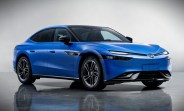
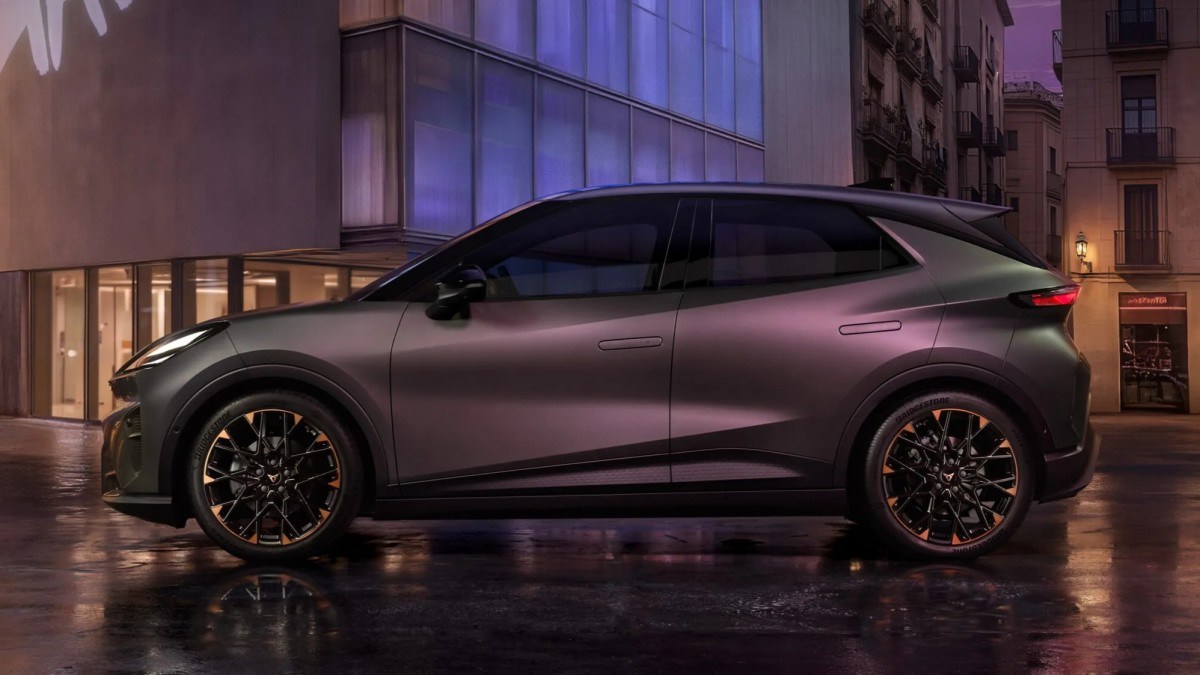 CUPRA Raval is selling like hot cakes
To keep the whole machine moving forward, the executives are steering the group through the most far-reaching restructuring program in its history. The game plan now is all about reducing complexity, pruning slow-selling models, and maximizing factory efficiency (by letting go of thousands of employees) to ensure they can weather any incoming storms. They have even set up a new Core Executive Committee to streamline decisions across the volume brands and implement a Future Production Governance model. Pooling regional responsibility near the plants is expected to squeeze out a savings potential of $1 billion by 2030 in production alone.
The takeaway here is reassuringly clear. VW is finally moving past the awkward phase of its electric transformation and leaning into what it does best: building small cars that do not cost a king's ransom. If they can successfully trim the bureaucratic bloat and get the new EV family out on the roads, the future looks a lot less gloomy.
Related
Reader comments
It is curious to notice that VW is doing better on small models, They should have done it much earlier regaining the spirit of the mark Volks Wagen which means People's Car in german. Remember that Adolf Hitler took Ferdinand Porsche yo create a...
- 26 Jul 2026
- n00