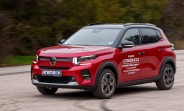
2026 Jeep Compass e FWD real life range test
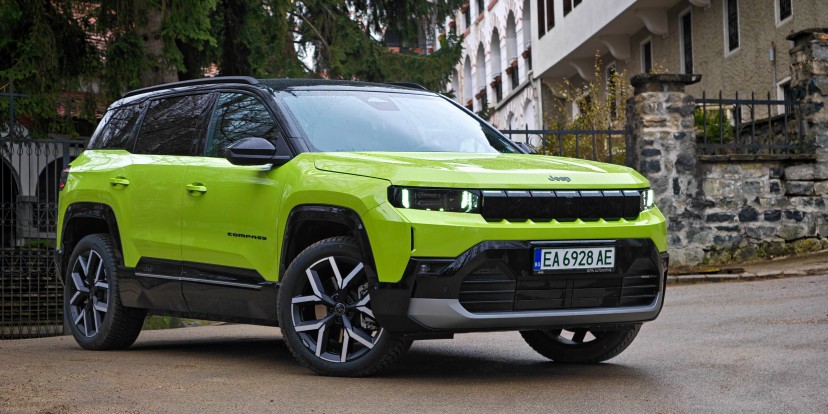
Jeep is known for dominating the off-road tracks for decades, producing the toughest vehicles to take on the worst conditions. But when the Jeep Compass was first introduced 20 years ago it actually tried to bridge the gap between those mighty off-roaders and regular volume seller SUVs by delivering the best of both worlds.
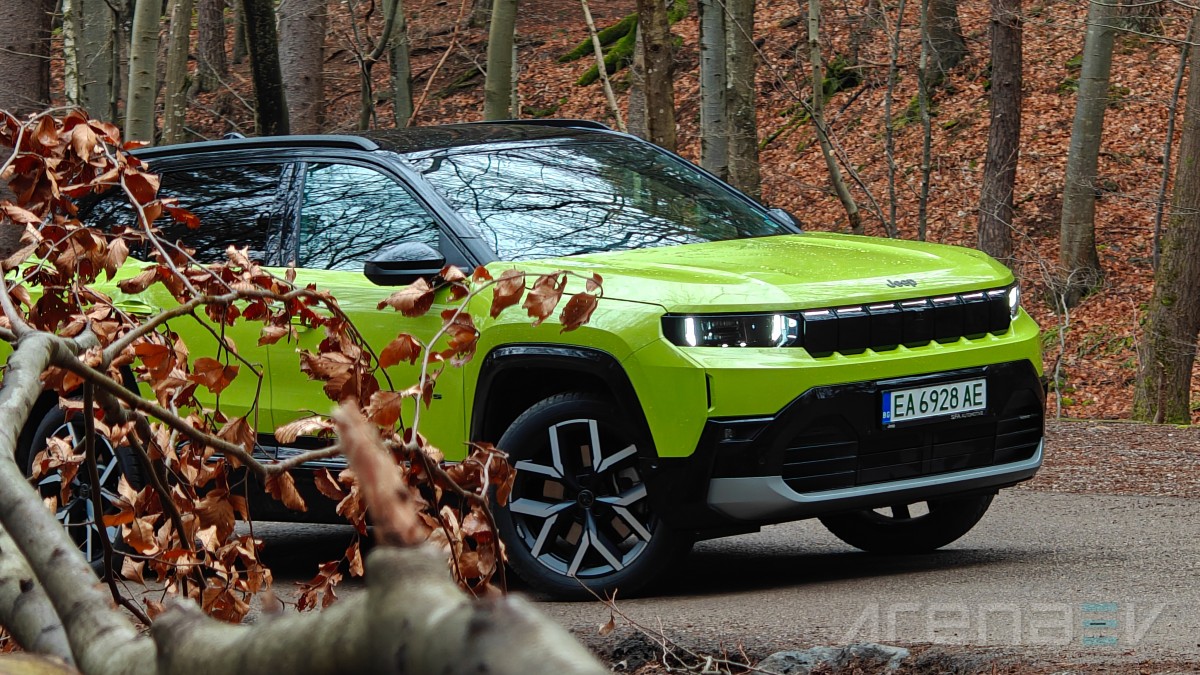
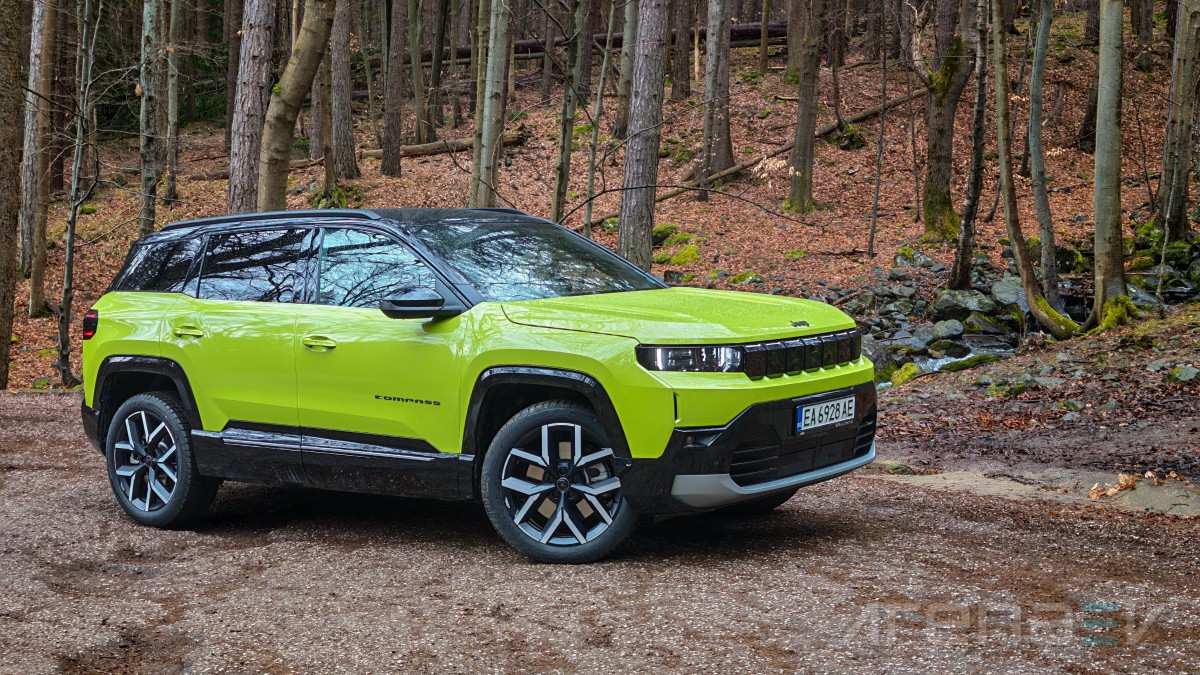
In late 2025 the Jeep Compass entered its third generation and today we have the first fully electric version to test. It goes by the name Jeep Compass e, features a 73.7 kWh battery pack and for now has a single motor attached to the front wheels. A dual-motor 4WD version is coming later this year and there are also hybrid and plug-in hybrid versions available currently.
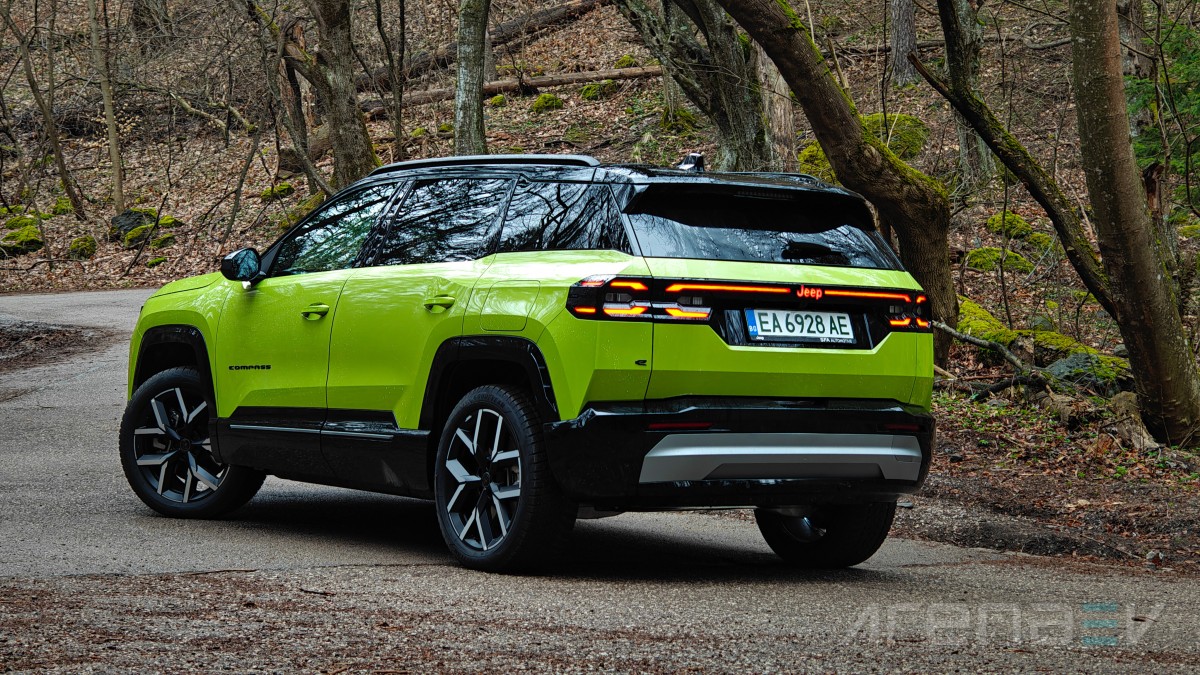
For now we'll focus on the real world range, seeing how far the Compass can take its fully charged battery at different speeds. The battery is moderate for the class and Jeep promises a bigger one will come for the 4WD version. A more detailed review will be coming shortly, focusing on the other aspects of the vehicle.
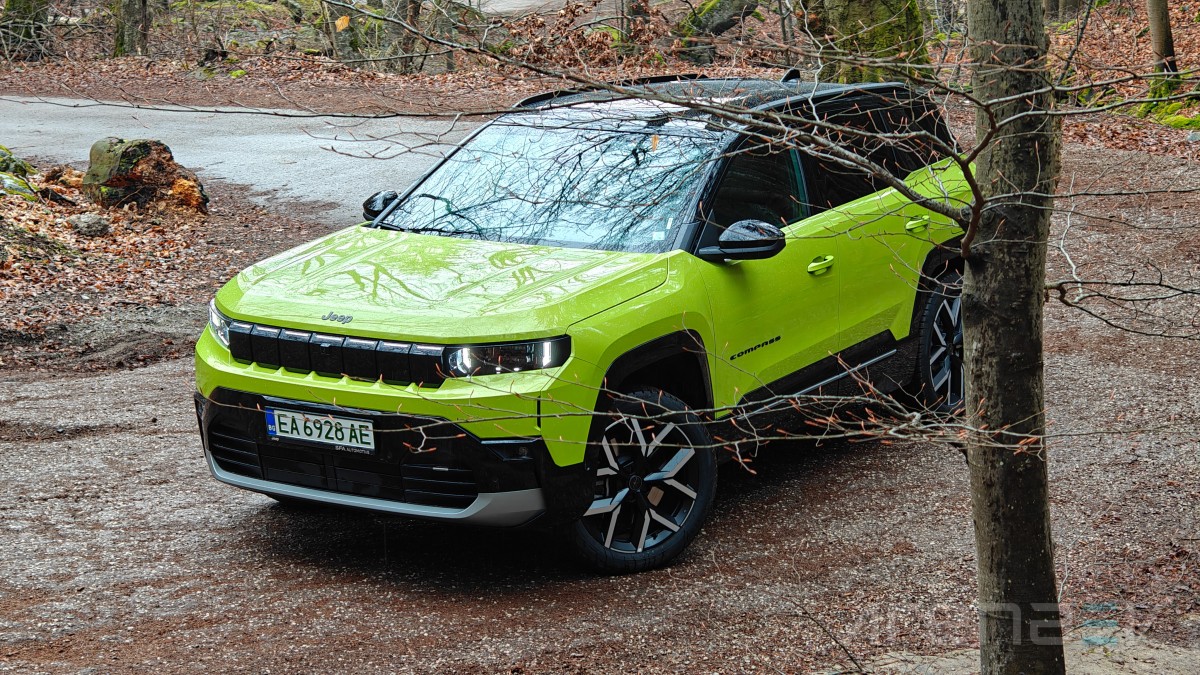
Based on the values we get in the testing, we are able to provide a real world range widget. You can use it to simulate a wide variety of conditions and adapt the values to your liking in order to check out how well the cars tested will work for you.
We drove our usual test routes, doing the same track both ways at constant speeds at the same place as with every other car we test. The ambient temperature while testing the 2026 Jeep Compass FWD was 45°F. That isn't optimal testing weather, so the results will be slightly lower than ideal.
At our lowest testing speed of 37 mph, the Jeep Compass e performs phenomenally, especially when we factor in how large and heavy it is. The motor is impressively efficient and had it been paired with a larger battery it would have been at the very top of the chart.
Range test results
- 37 mph
- 56 mph
- 81 mph
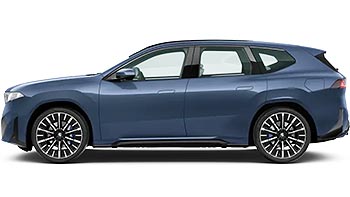 BMW iX3 50 xDrive
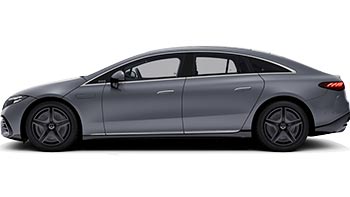
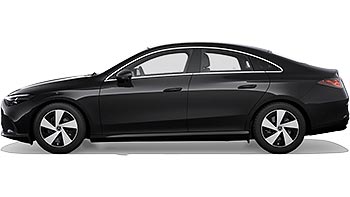
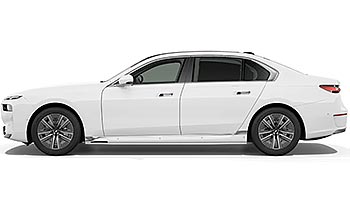
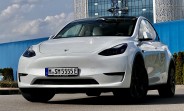
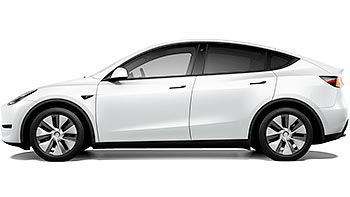 Tesla Model Y Long Range (2023)
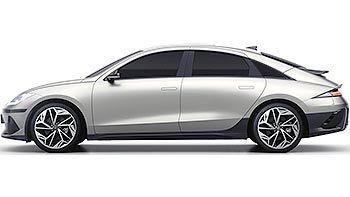
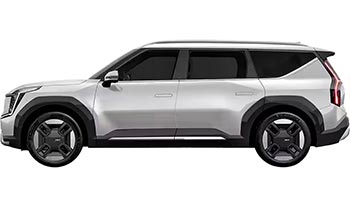
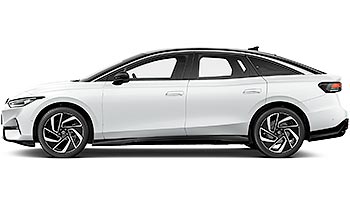
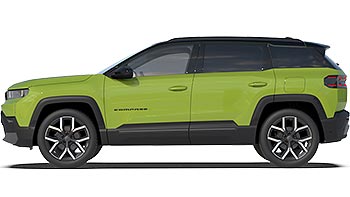 Jeep Compass FWD
 Volkswagen ID.4 GTX
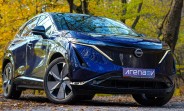
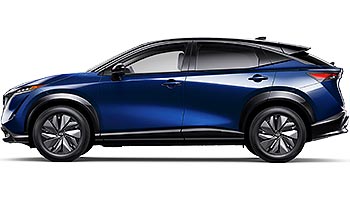 Nissan Ariya 87 kWh FWD
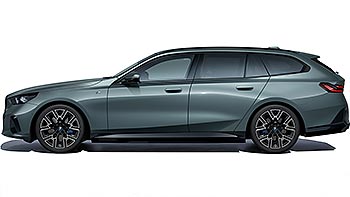
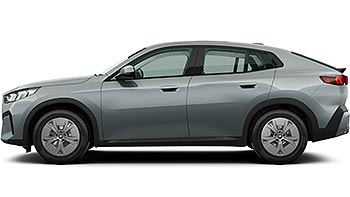
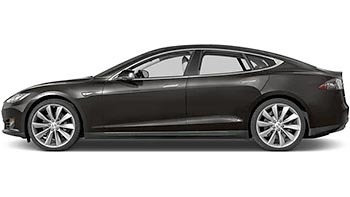
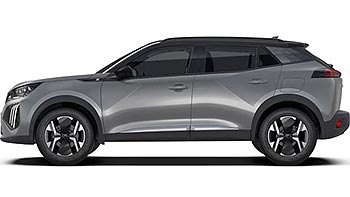
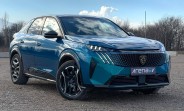
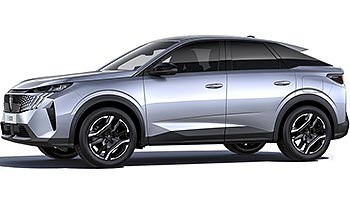 Peugeot e-3008 GT Electric
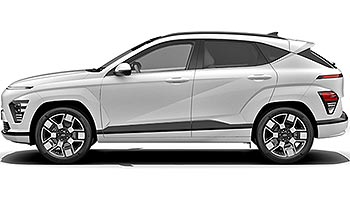
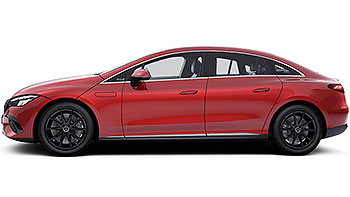
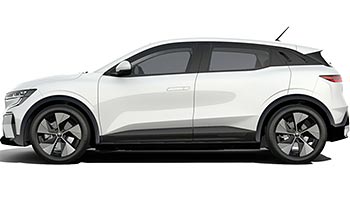
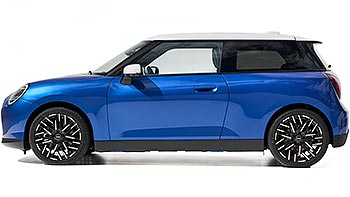
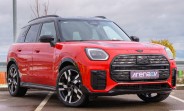
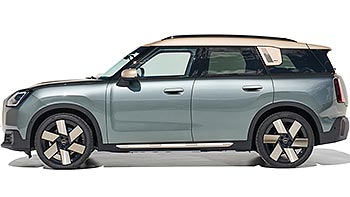 Mini Countryman SE ALL4
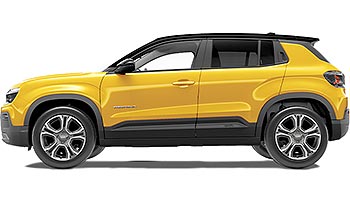
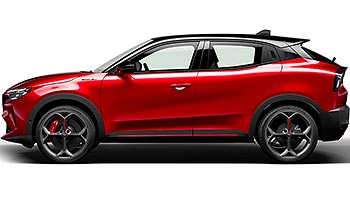
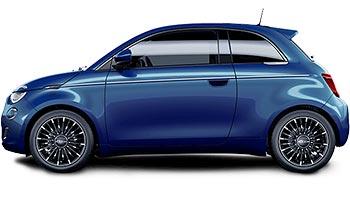
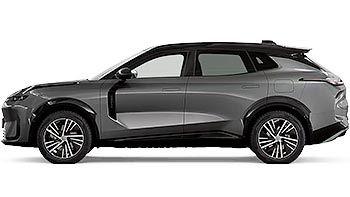
When we speed up to 56 mph, consumption rises noticeably as the less-than-ideal aerodynamic efficiency starts taking its toll.
At the highest testing speed of 81 mph, the range plummets. That is mostly due to the relatively small battery, but the boxy shape means it's far from the Peugeot e-3008, which is quintessentially the same vehicle underneath.
Now, since we have all the necessary values we need for the widget to work, we can see how the Jeep Compass will perform in different weather and at different speeds. We've used our real world tests and a complex model to provide an estimate that should be as close to the actual performance as possible.
The Jeep Compass e delivers impressive efficiency at lower speeds despite its size and weight. However, as speeds increase, its modest power output and less aerodynamic shape begin to impact consumption more noticeably, especially at highway speeds. Combined with a relatively low battery capacity, this limits its overall range compared to some rivals.
Overall, the Compass e proves efficient in urban and moderate driving conditions, but it struggles to maintain that advantage during high-speed travel, making it better suited for everyday use than long-distance efficiency.
Related
Reader comments
Nothing yet. Be the first to comment.