BYD has a cunning plan to outrun China’s domestic price war
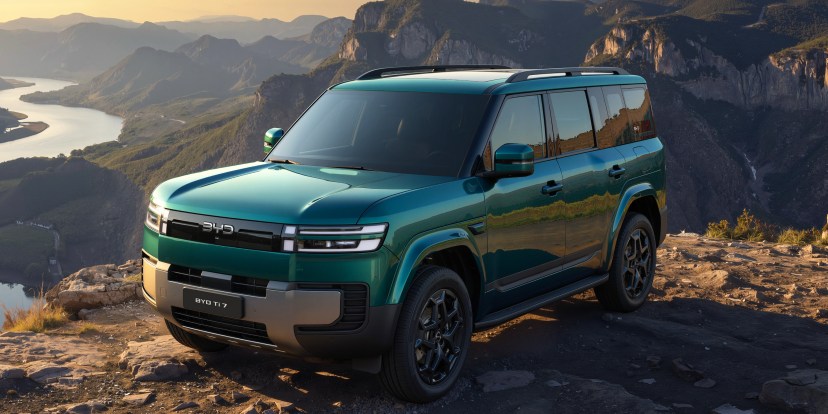
There is an old rule on the racetrack: when the chicane gets dangerously busy and every car around you starts swapping paint, the smartest driver looks for clear asphalt out wide. It is simple and effective. Right now, China's domestic electric vehicle market is literally that kind of demolition derby. It is a merciless, margin-crushing slugfest where legacy giants and hungry upstarts slash price tags on a weekly basis just to keep the showroom lights on.
Watching Shenzhen's automotive titan navigate through the carnage, you quickly realize BYD is playing a completely different game. Rather than bleeding out in a local scrappage, they are packing their cars onto ocean transports and pointing the compass toward foreign shores at a pace that should seriously rattle boardrooms from Wolfsburg to Detroit.
The scale of this offensive came into sharp focus this week courtesy of a Deutsche Bank research note following a post-earnings call with management. The headline number demands a double-take over your morning coffee: BYD wants more than 2.5 million overseas vehicle sales in 2027. If you think that sounds outlandish, consider that they revised their 2026 export forecast upward to between 1.9 million and 2.0 million units. That is a massive leap from the 1.3 million target they mentioned around January, and well past the revised 1.5 million figure floated in March.
The catalyst behind this stampede is simple arithmetic. Back home, the domestic pond is a bit chilly. Over the first eight months of the year, BYD's domestic sales dropped 32.72% to 1,505,755 vehicles, dragging their total global sales down 6.84% to 2,668,015. But look outside China, and the dynamic flips completely.
Overseas volume exploded by 85.72% year-on-year, racking up 1,162,260 deliveries. In August alone, foreign registrations hit a record 189,466 cars - a jump of 134.45% compared to the same period last year, and 43.03% of everything BYD built that month. To clear their new 2026 guidance, they need to keep an average monthly clip of roughly 184,000 to 209,000 foreign sales through the final four months. That is a furious sprint, but the August numbers prove the taps are already wide open.
What makes this overseas migration even more attractive is cold, hard cash. In China, cutthroat competition means cars leave the dealership floor with margins shaved down to the thickness of a clearcoat. But abroad, buyers expect to pay proper money. BYD management confirmed that their overseas operations generated a healthy profit of roughly RMB 20,000 (about $2,950) per vehicle throughout the first half of this year.
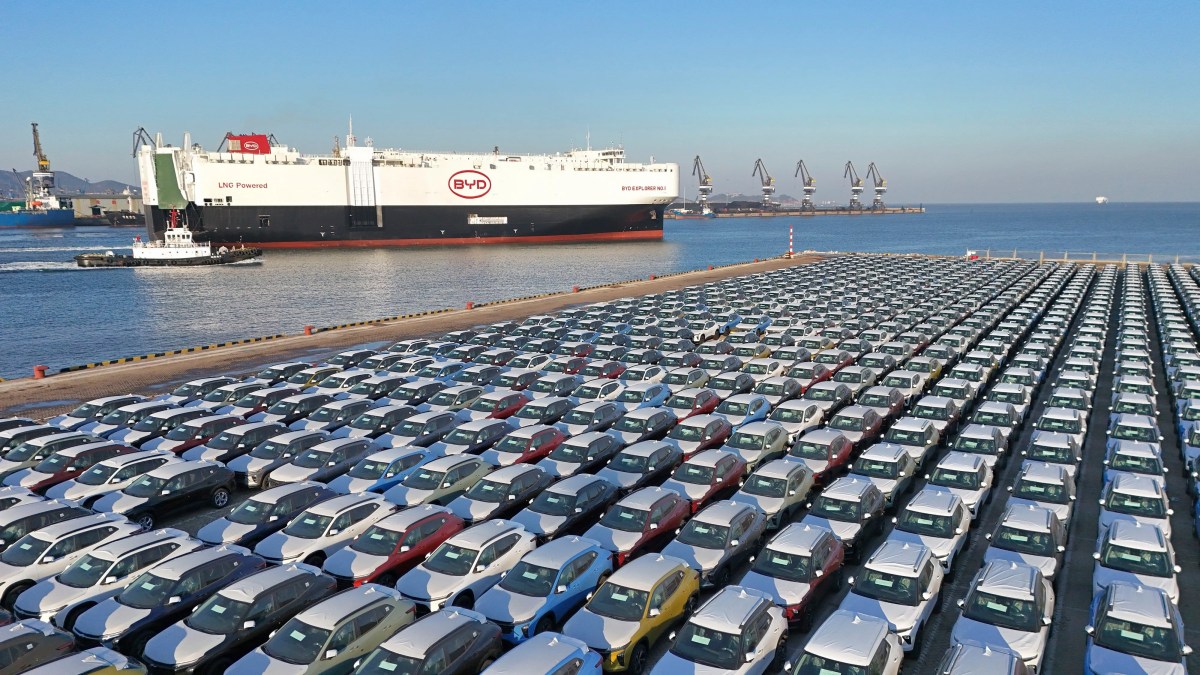
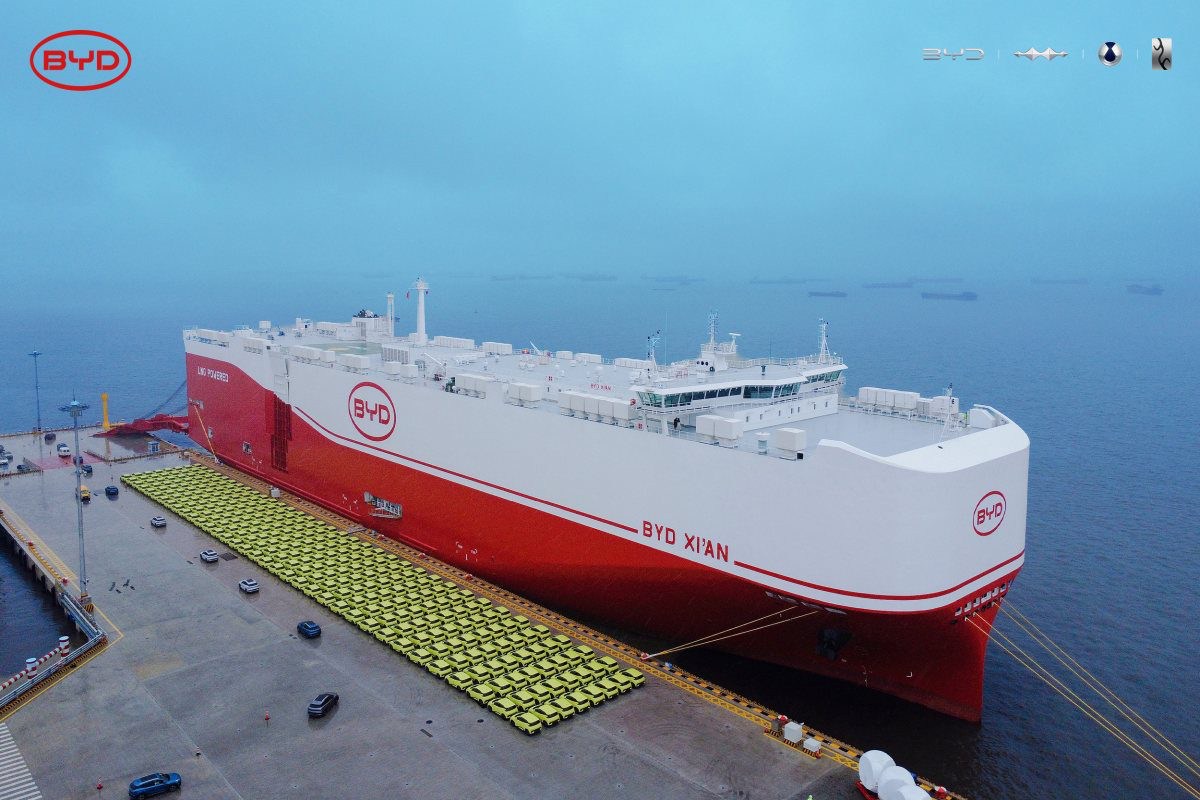
When your balance sheet enjoys that kind of cushion on every exported car, suddenly buying your own armada of purpose-built roll-on/roll-off cargo ships does look like common sense. Management admitted that shipping capacity was the main bottleneck holding back foreign deliveries this year. Struggling to find enough deck space to float your product is a big problem, but it is a good problem to have.
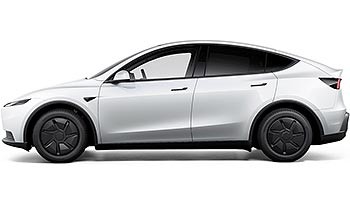
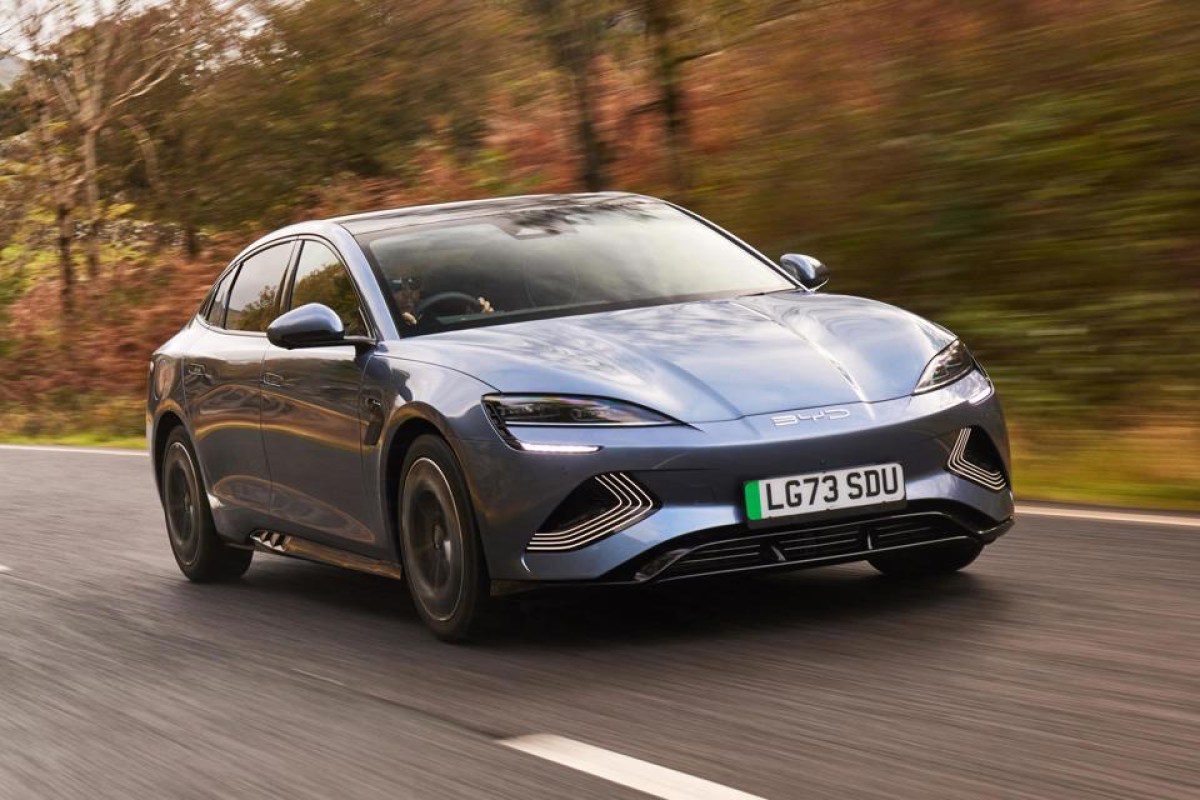
Let's see why buyers outside China are actually biting - the BYD Seal is an electric saloon that goes after the midsize executive establishment. The Seal measures 189 inches in length, spans 73.8 inches wide, and stands 57.5 inches off the tarmac, resting on a long 115 inches wheelbase. Its primary nemesis, the benchmark, is the Tesla Model 3 - and it feels quite a bit smaller. It measures 184.8 inches from bumper to bumper, spans 72.8 inches across, and stands 56.8 inches tall over a 113.2 inches wheelbase.
The Model 3 is lighter at around 4,034 lb compared to the Seal's 4,530 lb - giving the Tesla quicker reflexes when you throw it into a tight apex - but the Seal counters with more rear legroom and a plusher cabin ambiance. Hyundai's streamlined Ioniq 6 (191.1 inches long, 74 inches wide, and 58.9 inches tall on a 116.1 inches wheelbase) reveals how tight the packaging war has become. With a European sticker hovering around $52,710 for the Seal against $50,360 for the Model 3 and roughly $53,300 for the Ioniq 6, the Chinese challenger offers executive room for compact money.
In the family crossover segment, the BYD Atto 3 is 175.4 inches long and 73.8 inches wide. Its nearest competitor, the Volkswagen ID.4, stretches to 180.5 inches in length and 72.9 inches in width. The German offers slightly more cargo room, but it frequently wanders north of $47,000 once you add features that are standard on the $44,510 Atto 3. You might roll your eyes at the Atto's playful interior - complete with guitar strings on the door panels and air vents modeled after gym weights - but everyday motorists shopping with their wallets rather than sentimental badge loyalty struggle to ignore the equipment-to-cost ratio.
Shipping completed cars across the oceans is a fragile strategy, especially since European lawmakers stack up tariff walls. That is why BYD is shifting from transport ships to local soil. Production is already underway at their Indonesian facility, their Brazilian plant in Bahia is ramping toward an annual capacity of 300,000 vehicles, and their European beachhead in Szeged, Hungary, will begin vehicle assembly around November or December. BYD management is already scouting additional foreign locations, ensuring their local manufacturing roots run deep.
To understand how quickly the BYD machine moves, you have to remember where it started. Back in the mid-1990s, founder Wang Chuanfu was running a modest business manufacturing rechargeable batteries for mobile phones. When he bought a defunct, state-owned carmaker named Qinchuan in 2003 to get an automotive manufacturing license, investors fled, sending company shares tumbling.
The early cars were crude runabouts with loose steering and cheap interiors. Yet Wang reinvested relentlessly, and mostly into battery chemistry, eventually producing the first generation of Blade Battery - a structural lithium iron phosphate pack that could survive a brutal nail-penetration test without catching fire - alongside their ultra-frugal DM-i plug-in hybrid drivetrains. That engineering backbone eventually allowed them to unseat Volkswagen as the best-selling brand in China. But domination at home started a brutal price war and became a low-margin trap.
That explains why this export drive is a survival strategy, not a victory lap. Of course BYD is not giving up on its home turf, they still want to capture roughly 25% of China's total auto market. Their domestic offensive relies on the rollout of ultra-fast flash charging and their second-generation Blade Battery. But right now, enthusiasm has outrun component supplies: the order backlog for flash-charging-compatible vehicles stands at roughly 250,000 units. Battery bottlenecks have slowed deliveries, though BYD expects supply constraints for the new Blade Battery to clear completely by the first quarter of 2027.
Since fast charging on a vehicle side of things is useless if the roadside infrastructure does not support it, BYD is spending heavily to build out its own charging network. In China, they want 20,000 flash charging stations by the end of 2026, adding 30,000 in 2027, and another 40,000 in 2028, creating a 90,000-hub charging backbone. Abroad, the plan is a bit less ambitious: 6,000 flash charging stations deployed globally by the end of March 2027, split across 3,000 in Europe, 2,000 in the Americas, and 1,000 across the Asia-Pacific region.
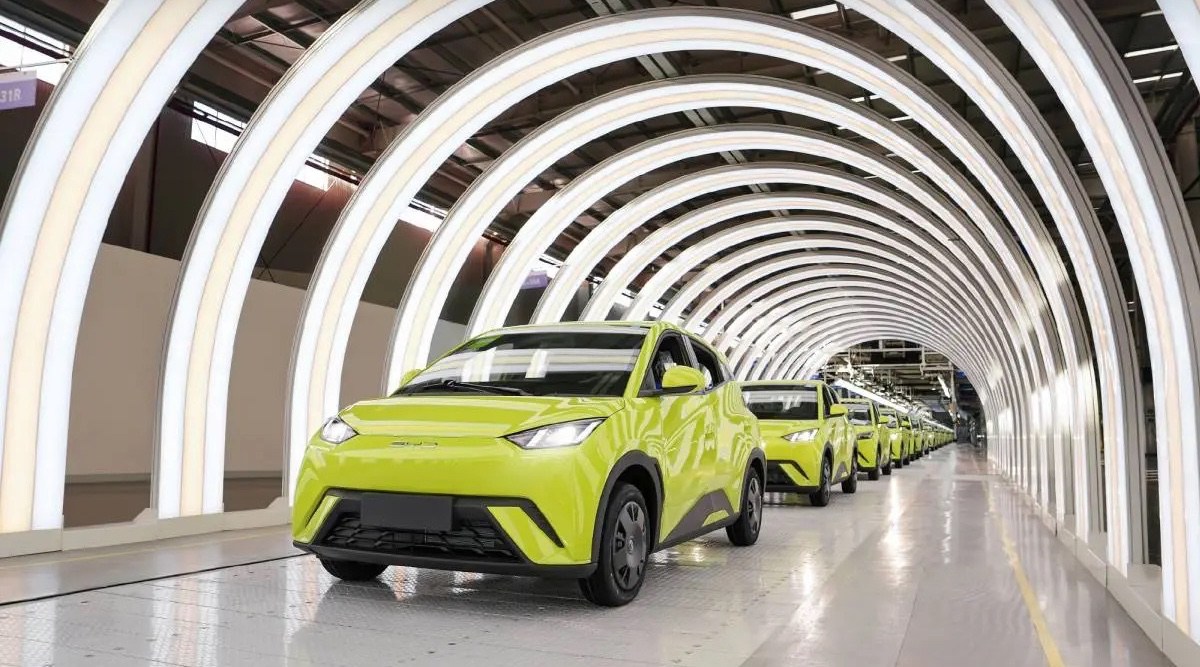
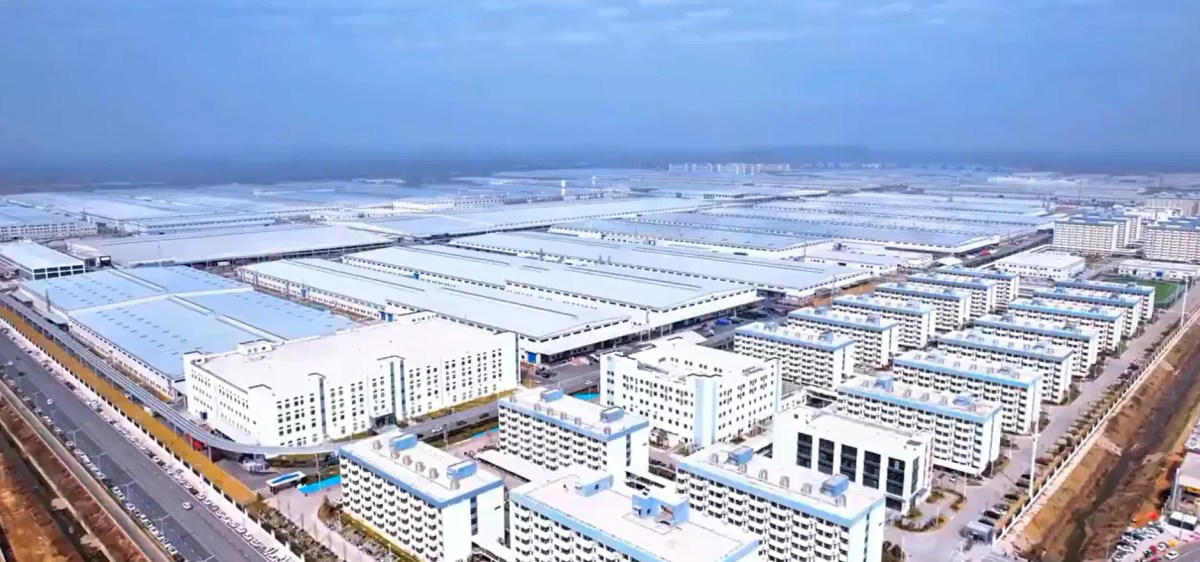 BYD factory in Zhengzhou, China
The final frontier where BYD needs to convince potential buyers is software. Their mechanical platforms and power electronics are remarkably solid, but in the past their infotainment and advanced driver-assist systems lacked the polish found in Silicon Valley or rival Chinese startups like XPeng. That is where R&D spending is going.
BYD promises a big leap in proprietary autonomous driving capability for 2027, timing their rollouts to meet China's upcoming Level 3 self-driving framework. External tech suppliers should help BYD compete against in-house engineering squads, in an attempt to replicate the vertical integration that made its battery division so dominant.
Once you put all those pieces together, this wildly ambitious plan is hard to ignore. China's domestic car market is a pressure cooker, but that pressure has transformed BYD into efficient, and fast-moving manufacturer. Legacy Western automakers might be scaling back, but BYD is expanding across three continents at once. With local factories open, cargo ships running like clockwork, and their own charging grid in place, BYD is very quickly becoming an automotive empire.
Related
Reader comments
Nothing yet. Be the first to comment.