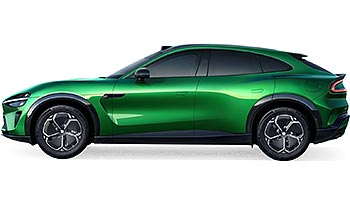
CATL calls for solid-state EV battery reality check
Many EV fans hope that next-generation batteries will soon change the world of electric cars, and if you follow the news, it really sounds like solid-state technology is almost around the corner. These next-gen power packs promise longer driving ranges and incredibly fast charging times. Unfortunately, the largest battery manufacturer in the world delivered a major reality check - Dr. Robin Zeng, the chairman of Contemporary Amperex Technology Co., Limited (CATL), claimed that true mass-market solid-state technology is still years away. Excited enthusiasts were hoping for an overnight revolution, but real-world engineering moves at a much slower pace.
CATL believes that the industry cannot achieve true commercialization until production reaches a threshold of 1 million vehicles. According to corporate projections, manufacturers will not hit this volume before the year 2030. When these batteries finally debut, they will not appear in cheap, everyday electric cars. The high manufacturing costs will limit the technology to premium vehicle platforms. Buyers should expect these early solid-state EVs to target market segments priced above RMB 250,000, which equals roughly $36,920. Sounds affordable to us, but in China this is a premium market threshold.
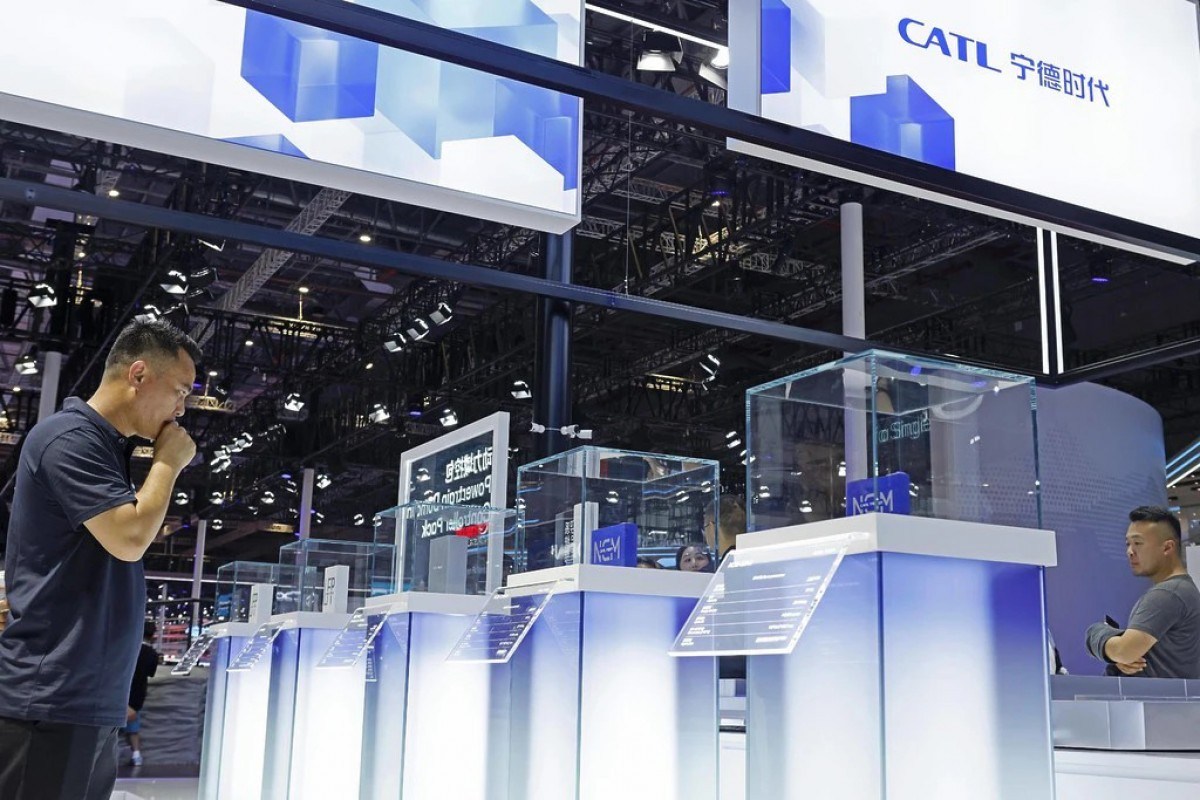
Why does this technology take so long to develop? The answer lies deep inside the battery cells. Right now, all-solid-state chemistry sits at level four on a nine-point Technology Readiness Level scale. This low ranking means the design is trapped inside laboratories and early prototype engineering phases. The main manufacturing bottleneck involves the solid-solid interface layer, where components must bond perfectly. To force these pieces together, engineers use warm isostatic pressing under an incredible 6,000 atmospheres of pressure and unfortunately, materials with different densities often misalign under this intense crushing force. This structural error increases internal resistance and makes the active cells degrade much faster.
Because solid-state options aren’t ready for prime time, the auto industry relies on standard liquid electrolyte platforms to meet the global demand for EVs. Companies must build millions of traditional batteries to keep assembly lines moving. CATL itself showed strong growth in the field of traditional liquid configurations. The company reached an installed manufacturing capacity of 33.08 GWh in May 2026. This data, compiled by China EV DataTracker, shows a steady increase from the 29.06 GWh that the manufacturer recorded in April 2026.
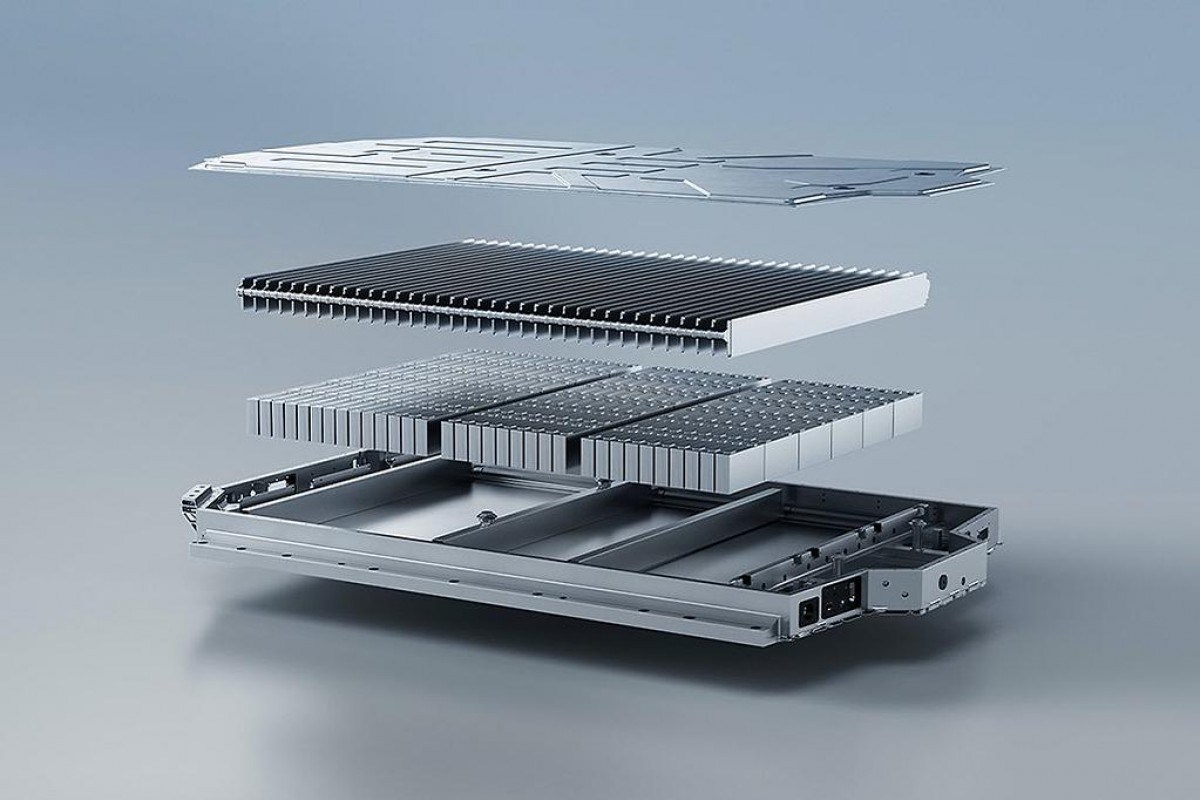
A closer look at the monthly numbers reveals exactly which battery types power modern electric cars. Lithium iron phosphate (LFP) chemistry is the preferred choice for most automakers, followed by ternary lithium options (MCN). In May 2026, lithium iron phosphate variants made up 23.12 GWh of the total installation volume, and ternary lithium variants accounted for 9.96 GWh. The previous months showed a similar trend. In April 2026, iron phosphate reached 19.53 GWh, and ternary options hit 9.53 GWh. March 2026 recorded 18.11 GWh of iron phosphate and 7.60 GWh of ternary installations. February 2026 saw a seasonal dip, dropping volumes to 9.10 GWh for iron phosphate and 3.84 GWh for ternary, after starting the year with a January baseline of 13.26 GWh.
To reduce reliance on rare raw materials, battery suppliers are actively developing alternative systems. Engineers are building new sodium-ion battery designs that offer extended cycle lifespans, and top suppliers continue to spend vast amounts of money on long-term research. Developing sulfide electrolyte tech (for solid-state batteries) needs a cumulative investment of 10 billion yuan, or about $1.48 billion. Because of these immense costs, traditional liquid battery platforms will be the manufacturing focus for the industry until solid alternatives achieve true cost parity.
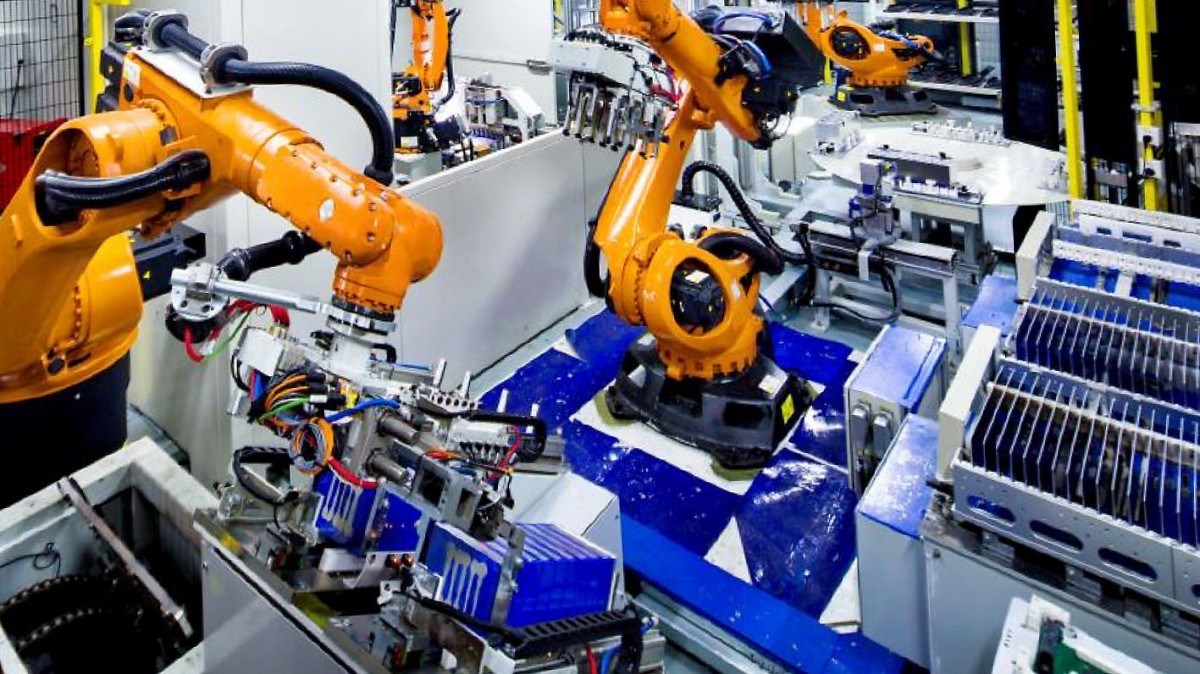
Scientists are working hard to perfect pure solid-state chemistry, but some car manufacturers are finding a clever middle ground. State-owned automaker Dongfeng Motor is moving forward with plans to build composite battery architectures. The company plans to integrate an oxide-polymer cell into its production vehicles during the second half of 2026. This proprietary battery pack achieves an impressive energy density of 350 Wh/kg. Dongfeng claims this technology allows an electric car to achieve a driving range of over 620 miles on a single charge, with clever structural optimization cutting the total pack weight by 30% compared to traditional liquid lithium assemblies.
Weight savings and driving range are not the only benefits of this composite approach. Extreme weather testing shows that the newer battery designs solve a major flaw of traditional EVs. They improve cold-weather performance by more than 10%. Winter trials at a freezing -22°F in the city of Mohe proved that Dongfeng test vehicles perform exceptionally well. The prototype cars kept more than 74% of their nominal battery capacity despite the brutal temperatures.
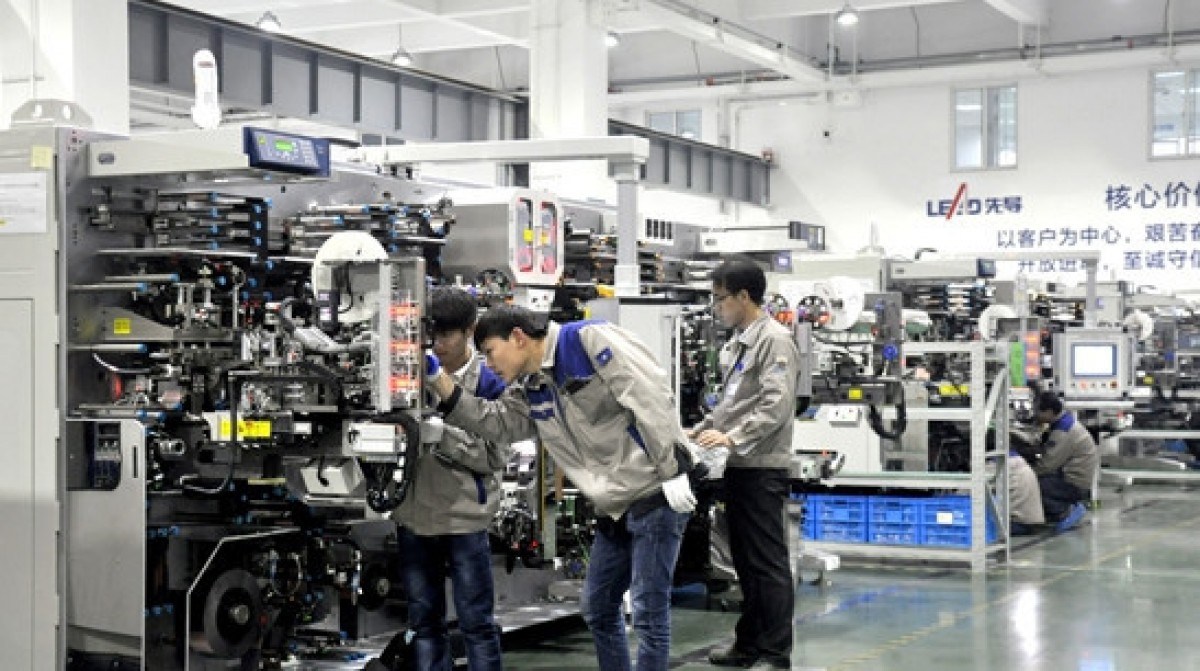
Passenger cars might have to wait for high-volume factories, but aerospace companies are already taking these high-density batteries into the sky. Drone manufacturer Ehang completed a historic flight across the Qiongzhou Strait. The company successfully used a pilotless vehicle powered by a 480 Wh/kg lithium-metal solid-state battery from Shenzhen Neox, proving the technology works in specific scenarios, even if it is not yet ready for the local car dealership.
Related
Reader comments
- Anonymous
Looks like you just cut and pasted some PR copy - i bet 99% of non-chinese readers have no idea where the "Qiongzhou Strait" is. Do you (without Googling) ?
- 29 Jun 2026
- nI8