Global sales surge saves BYD from domestic trouble
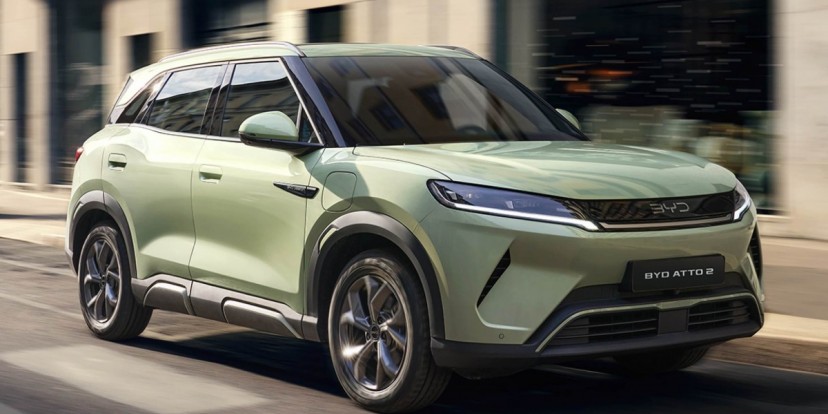
Few EV companies are watched as closely as BYD. As the leader in the New Energy Vehicle (NEV) market, every month it releases a flurry of numbers that automotive journalists and investors dissect. November’s sales figures from the Chinese giant tell a story of two different markets, showing both impressive resilience and some surprising slowdowns right where the company is strongest.
The total number of vehicles sold set a record for the year, but a closer look reveals that BYD’s domestic sales dipped year-over-year. The overall sales were saved largely by a massive surge in international demand for BYD’s electric cars and hybrids.
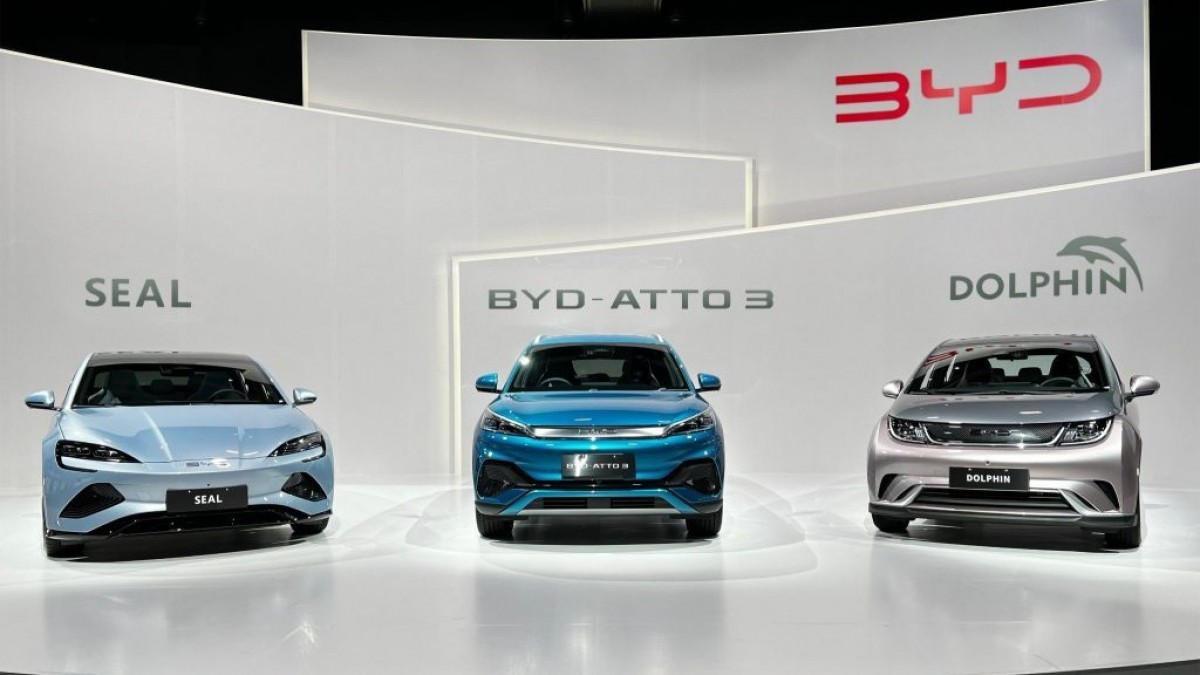
In November, BYD moved a total of 480,186 NEVs. This was actually the company’s highest monthly sales number for the entire year. But this shiny achievement comes with a huge asterisk: sales were down by 5.25% compared to November of last year. November was the third straight month that BYD saw a year-over-year contraction in total sales, a sign of growing competition or possibly even worse - market saturation at home.
Despite the annual slide, the company did manage an increase of 8.71% compared to October’s performance, showing it still had momentum month-to-month. The company’s passenger NEVs made up the bulk of the sales, with 474,921 units sold, following a similar trend with a 5.77% year-over-year decline but an 8.71% monthly boost.
The true powerhouse of BYD’s November performance was its export business. BYD set a new record by shipping 131,935 NEVs overseas - a number nothing short of explosive, a 325.91% increase compared to the same month last year. Month over month, exports jumped by 57.25%, confirming the company’s aggressive push into new international markets is paying off handsomely.
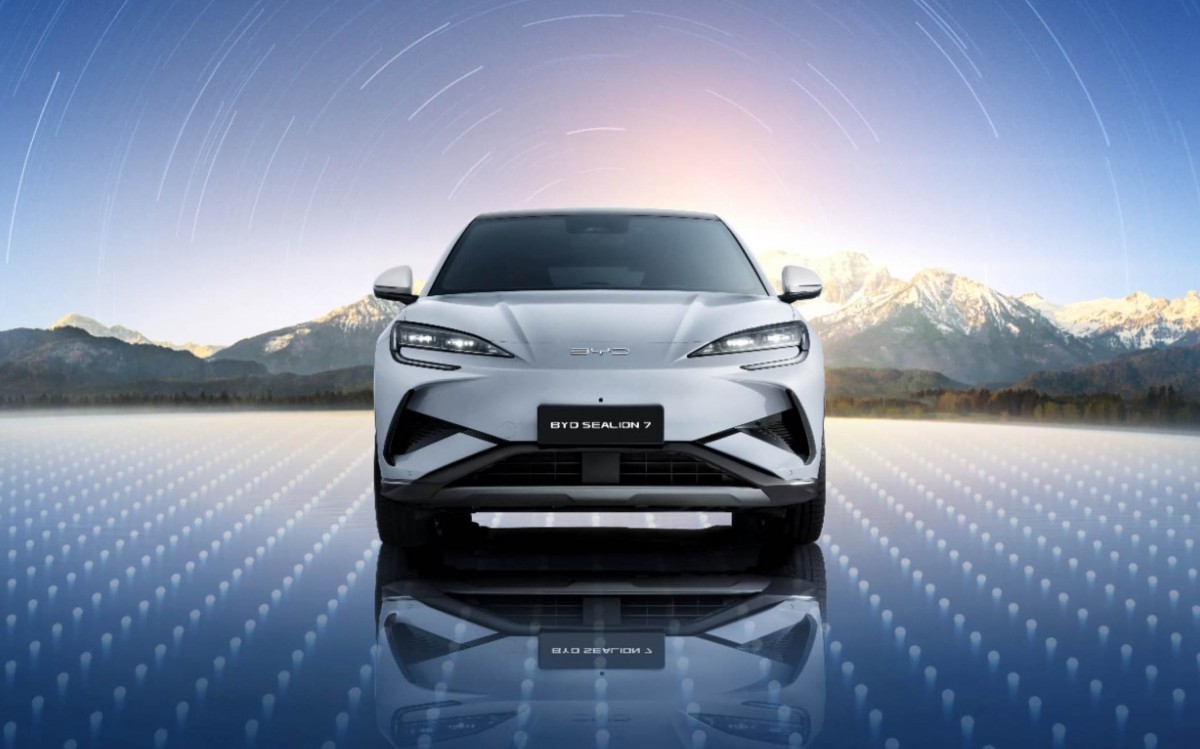
The overseas success acted as a powerful counterweight to the domestic dip and shows that BYD’s transformation into a global automotive player is working. Looking at the year so far, the company has shipped 912,911 vehicles overseas from January through November, which is a 153.55% increase over the same period last year.
The sales data for different types of EVs shows where the drag is coming from. BYD’s lineup is split between battery-powered EVs and plug-in hybrids. Passenger BEV sales were strong, hitting 237,540 units - a solid 19.93% year-over-year increase and a 6.73% jump from October. But the story is very different for the PHEVs.
BYD sold 237,381 passenger PHEVs in November. This segment saw a big year-over-year decline of 22.41%. What’s worse for the company is that this has been the eighth month in a row that PHEV sales have fallen when compared to the same month in the prior year. PHEVs did see a 10.77% bump from October, but the annual decline suggests that drivers in BYD’s home market might be shifting their preference toward full BEVs or perhaps turning to competing brands.
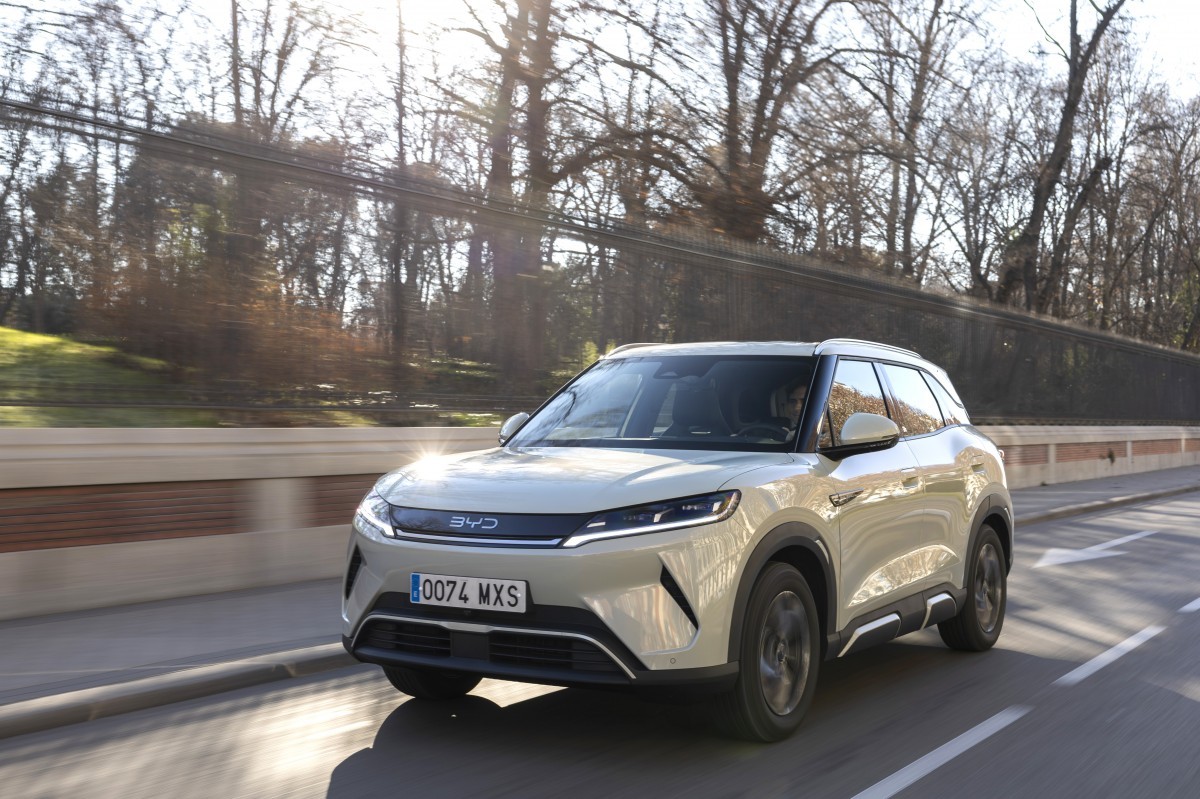
The company’s commercial NEV sales hit 5,265 units, a huge increase of 87.97% compared to last year. BYD is also one of the world’s largest battery producers, and this segment continues to grow. The installed capacity for both EV batteries and energy storage batteries reached nearly 27.7 GWh in November, a 23.13% jump year-over-year. For the full year-to-date, BYD has installed approximately 258.3 GWh of batteries, up 50.86% from the previous year.
Overall, BYD’s year-to-date performance remains positive. From January through November, the company sold 4,182,038 NEVs total, which is an increase of 11.30% compared to the same period in the prior year. Passenger NEVs accounted for 4,130,639 units, up 10.42%. Passenger BEV sales for the year are up an impressive 32.67% with 2,066,002 units sold, while PHEV sales are down a manageable 5.45% for the year-to-date, totaling 2,064,637 units.
Related


Reader comments
- Anonymous
Western way of thinking a bit dip in China brand as a sign of trouble, but when happened to western brand it say "face challenge" 😂😅😂😅
- 02 Dec 2025
- XVE