Google tests Gemini AI feature that lets electric cars see the outside world
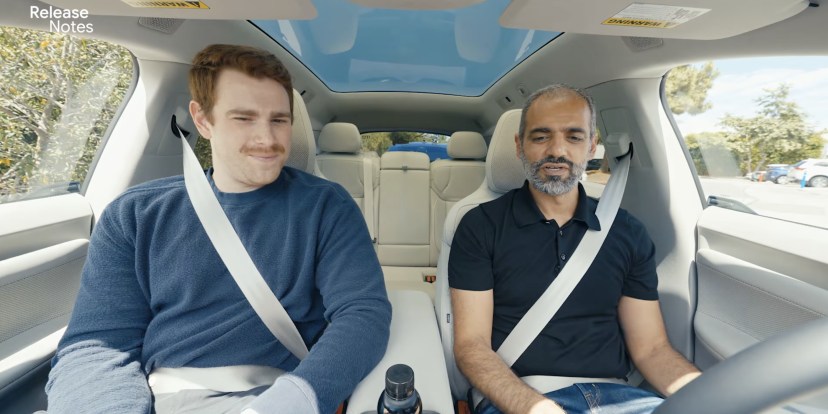
Google has revealed a new experimental feature that allows the AI assistant look at the world outside your vehicle. The company used its popular Gemini system for the demonstration. The new technology connects the AI directly to a vehicle's built-in forward-facing camera, turning it into a pair of smart eyes. By linking software with physical hardware, Gemini can answer complex questions about buildings, landmarks, or street layouts as you drive past them.
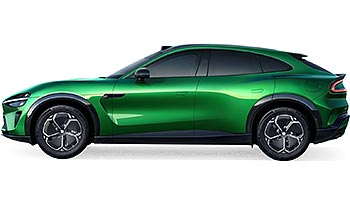
The technology giant chose a very specific vehicle to showcase the project. The demonstration ran entirely inside the Volvo EX60, a fresh addition to the premium EV market. This fully electric SUV is 189.1 inches long, 75.1 inches wide, and stands 64.4 inches tall. It rides on a generous 116.9 inches wheelbase that maximizes cabin space. In Europe, pricing for this model starts at around $77,900 for the base rear-wheel-drive version.
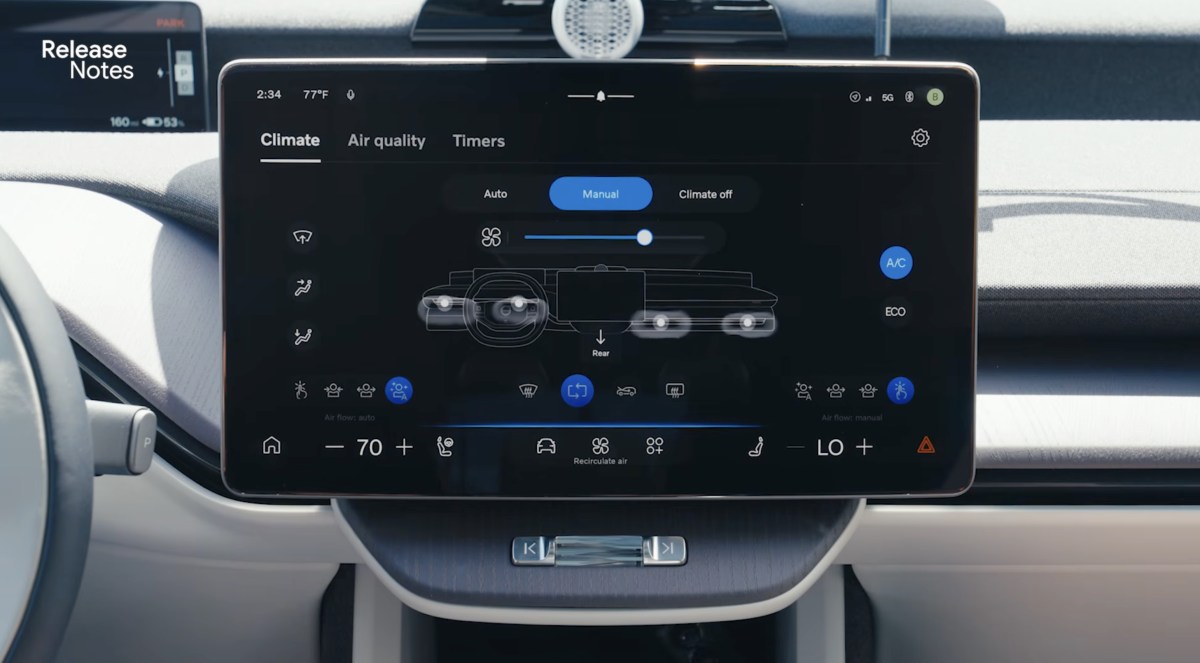
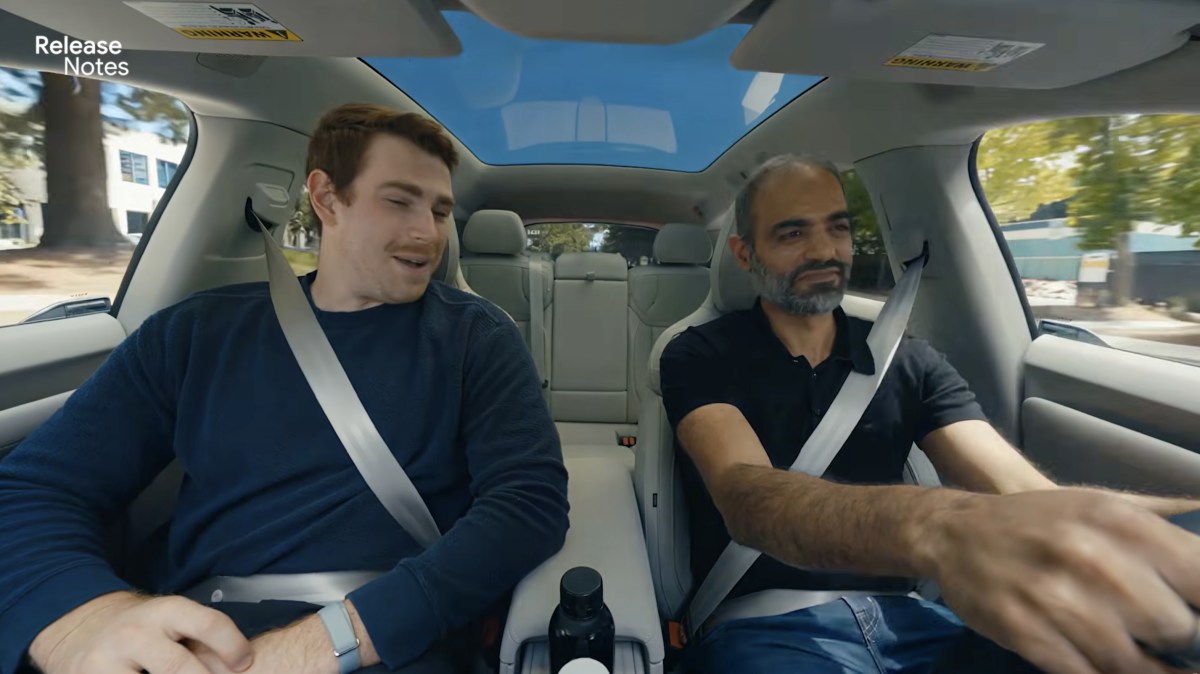
Sameer Samat, the President of Android at Google, led the live demonstration alongside Logan Kilpatrick, the Product Lead for Google AI Studio. The entire test run took place at Google's main Mountain View campus in California. The idea behind the experiment was simple - engineering team wanted to see what would happen if the Gemini system could visually perceive the environment during real-world driving. For users who have experienced the camera features on standard mobile phones, the overall concept will feel quite familiar.
Whenever tech companies talk about tracking cars with cameras, big privacy questions follow closely behind. Google anticipated this and clarified that the vehicle does not watch the road continuously. The software blocks the camera feed until the driver actively interacts with the system and asks a question. Only at that exact moment, the front-facing camera sends visual data to the AI server. Once the system delivers the answer, access to the camera is instantly lost.
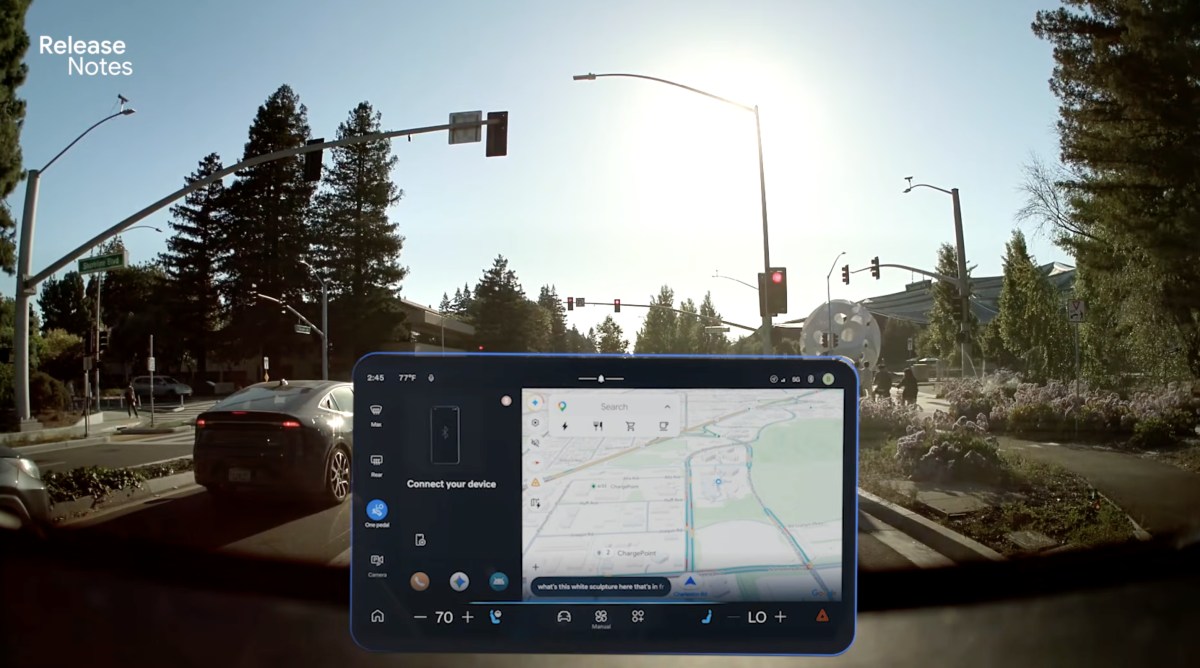
The software performed very well when identifying local monuments and campus features during the test drive. For example, Samat asked the system to identify an item outside, and the AI correctly named a local public art installation called "The Orb." The vehicle's assistant also successfully pointed out the specific solar roof on the nearby Gradient Canopy building. To push the limits, the team asked about the Shoreline Amphitheater, and the AI accurately explained the architectural history of the famous venue.
But early adopters must pack their patience because the system is not yet flawless. The live demonstration revealed a very noticeable delay while the car transmitted data to the remote servers. Drivers should not expect a fancy movie screen experience - unlike a standard smartphone, the large 15.0-inch central touchscreen in the Volvo EX60 does not show a live camera viewfinder. Instead, the driver simply hears a spoken answer to the question.
The car itself is a very strong hardware foundation for advanced digital experiments. The base P6 model of the Volvo EX60 has an 83 kWh battery pack and an electric motor that delivers 275 kW (374 hp) of power. Buyers who want more performance can opt for the P12 all-wheel-drive variant. This version bumps the battery capacity to 117 kWh and delivers an impressive 500 kW (680 horsepower) of total power, though it raises the price to around $88,400.
Google engineers are still looking into different ways this software can help people during daily commutes. One highly practical example includes traveling through countries where you do not speak the local language. A driver could simply ask the AI to look at a complicated road sign and translate the text, eliminating the dangerous habit of looking down at a mobile phone screen while navigating a busy intersection or trying to read unfamiliar signs.
Here's the full presentation of the latest Gemini developments - skip to 34:36 if you want to just watch the Volvo and AI experiment:
As of right now, Google has not shared any solid plans to release this feature to the general public. The company also declined to say whether other EVs using the Google Built-in ecosystem will receive this camera capability in the future. For now, the technology is a fascinating look into the future of automotive software.
Related


Reader comments
- trivik12
Thinking this will be only for specific markets. Huge privacy concerns in car recording what is happening outside and broadcasting it to Google servers.
- 01 Jul 2026
- 8rM