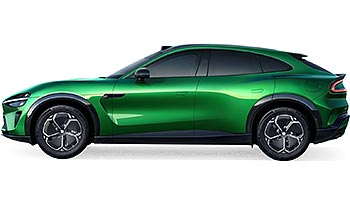
Honda partners with QuantumScape to use solid-state technology in future EVs

The auto industry changes rapidly as manufacturers look for the best ways to power future electric cars. We see new partnerships springing up all over the world, but today we can say that we never saw this coming. Not that long ago, Honda dramatically moved away from its EV plans and controversial concepts, much to the relief of many industry critics. As it turns out, this does not mean the automaker is slowing down its electrification plans. Quite the opposite - Honda is changing its strategy to focus on what goes inside the vehicle.
The Japanese automaker has officially entered into a joint research agreement with QuantumScape Corporation, an American company that develops next-generation solid-state lithium-metal batteries. This new agreement has the potential to significantly alter the future of Honda EVs.
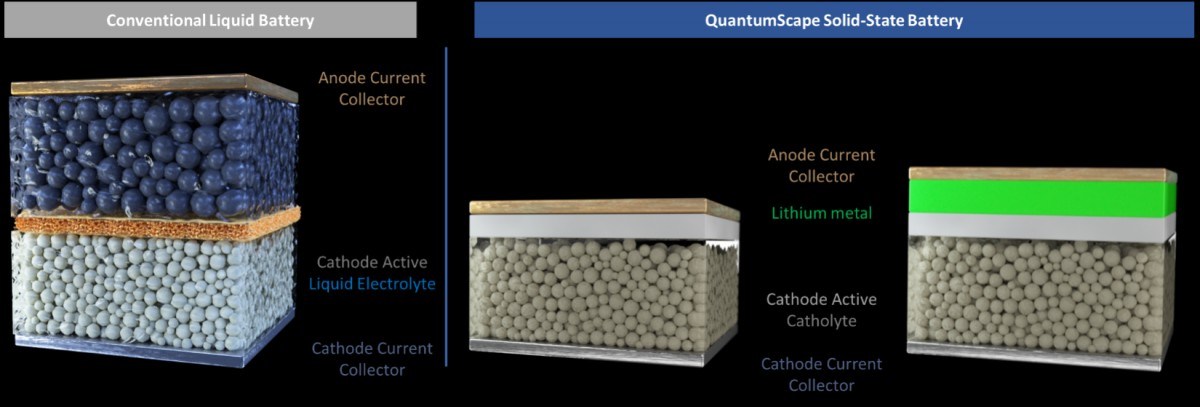
The new multi-year plan focuses on developing solid-state battery technology and creating efficient manufacturing processes to build them. Before signing the new contract, Honda completed a detailed technology evaluation agreement with QuantumScape. Engineers from Honda conducted an in-depth, hands-on technical study of the solid-state platform. They also performed competitive benchmarking, comparing QuantumScape's prototype cells against existing industry standards through a series of strict technical tests.
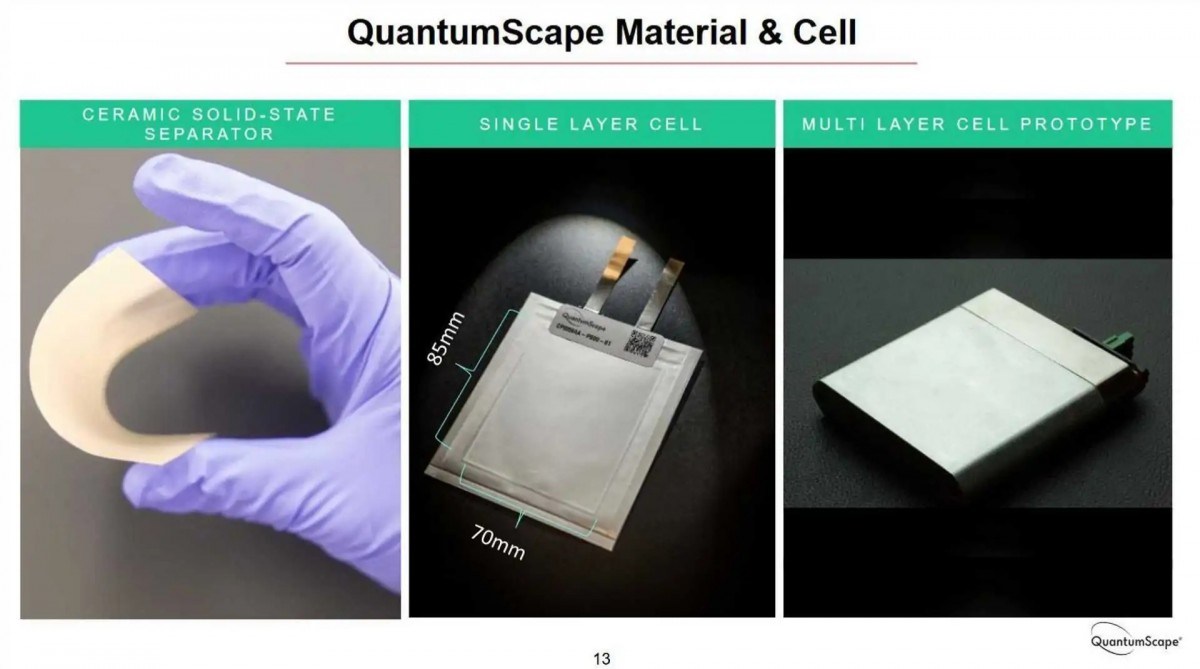
Solid-state lithium-metal batteries differ from the conventional lithium-ion batteries found in most current electric cars. Traditional batteries use a liquid electrolyte to move energy back and forth, which can limit energy capacity and pose fire risks under extreme conditions. Solid-state technology replaces this liquid with a solid material, allowing the battery to hold more energy in a smaller space, charge much faster, and offer better safety. For any future EV owner, this means longer driving ranges and shorter stops at charging stations.
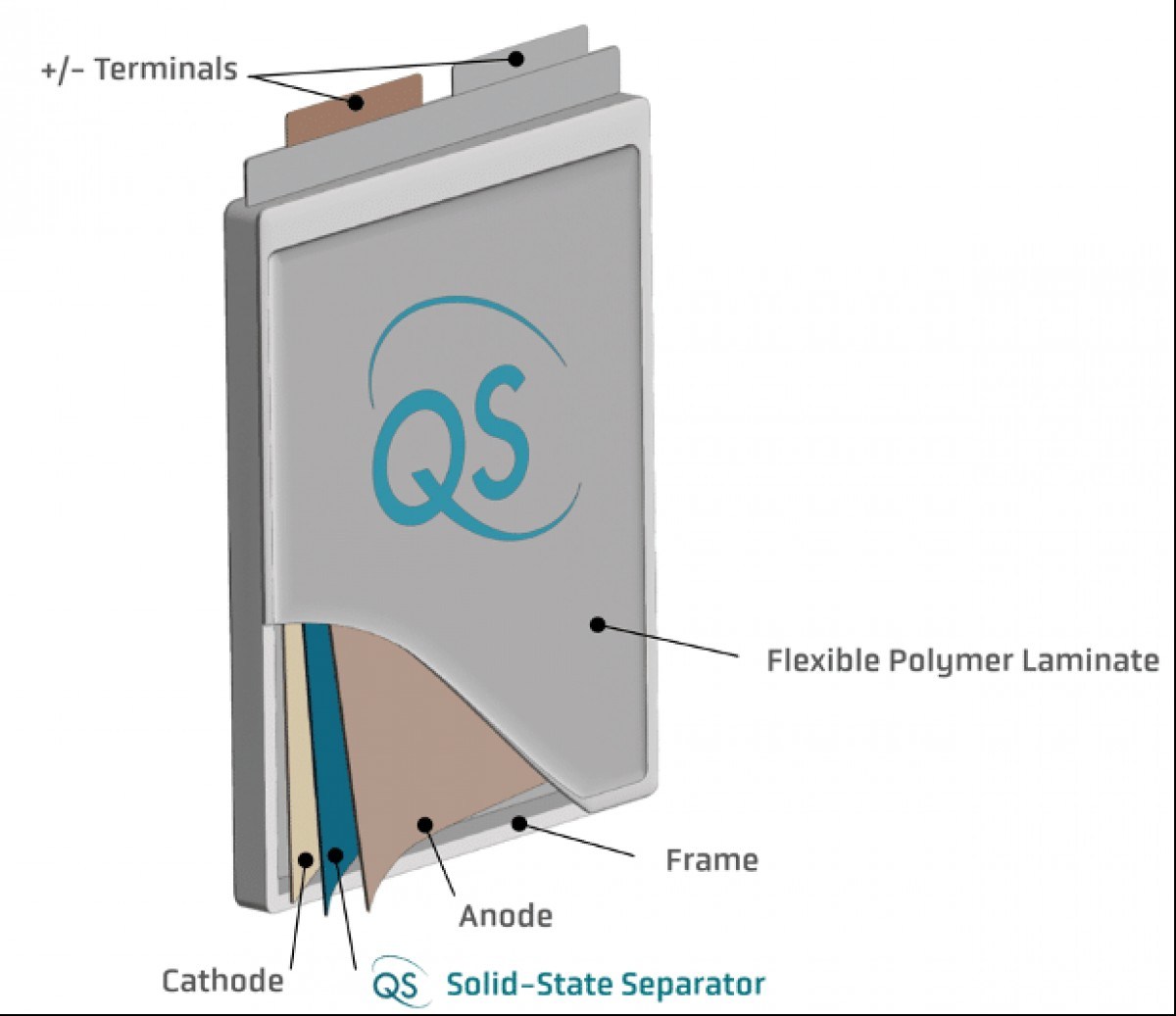
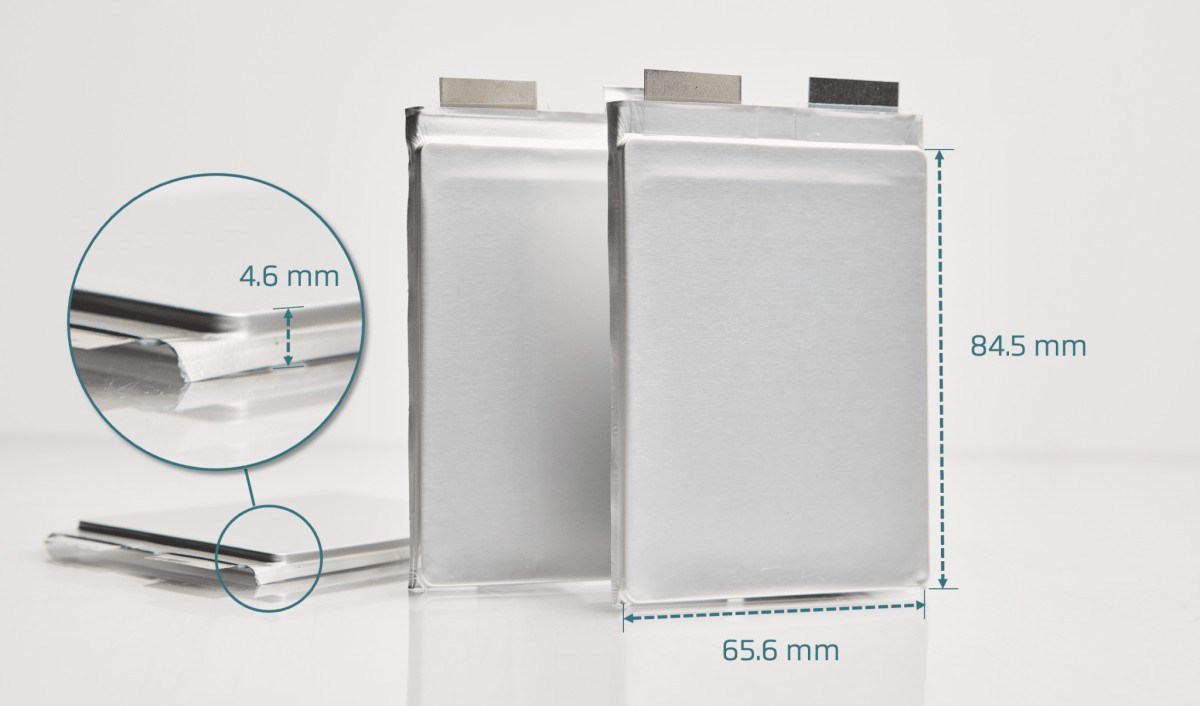
QuantumScape's advanced solid-state cells measure 3.33 inches by 2.58 inches by 0.181 inches, and have an individual mass of 71.8 grams. Despite their small size, they achieve a volumetric energy density of 844 Wh/L and a gravimetric energy density of 301 Wh/kg.
Company executives expressed strong optimism about the test results and the future of the partnership. Atsushi Ogawa, the COO at the Research Center of Excellence for Honda R&D, stated that the technology showed unique advantages during their testing phase. He noted that Honda sees clear potential for this technology to add value across multiple products, especially within the automotive division. Dr. Siva Sivaram, the CEO and President of QuantumScape, remarked that Honda's evaluation was one of the most rigorous assessments his company has faced so far, showing growing confidence in their solid-state platform.
The agreement between Honda and QS reveals a growing trend in how businesses develop parts for electric cars. In the past, technology startups tried to build their own factories from scratch to manufacture batteries. Today, companies are shifting toward licensing and manufacturing partnerships. QuantumScape is leveraging the existing manufacturing infrastructure of established automakers instead of spending billions of dollars on solo factories. This business model reduces the amount of capital a tech firm needs and helps bring new battery designs to the mass market much faster.
Automakers are also rethinking their supply chains because of global challenges. Rising geopolitical uncertainty, trade tensions, and new government regulations mean companies cannot rely on a single source for critical components. By working with QuantumScape, Honda joins a network of major industrial partners like Volkswagen's battery company, PowerCo, as well as Murata Manufacturing and Corning.
The primary focus is on passenger EVs, but the solid-state battery tech will spread to other transport and tech sectors. QuantumScape is already exploring how to use its high-density solid-state platforms in aerospace engineering, defense systems, and artificial intelligence data centers. These industries need the exact same benefits that drivers want: rapid charging, high energy capacity, and excellent safety.
Related

Reader comments
Nothing yet. Be the first to comment.