Rimac beats Tesla to the punch with the 60-strong Verne robotaxi fleet
We are used to automotive executives making big promises on stages with bright lights and loud music. The world often looks at Elon Musk and Tesla when thinking about the future of driving. But it seems a different CEO has quietly taken the lead in the race for self-driving taxis.
Mate Rimac, the man known for building incredibly fast supercars, has revealed a real fleet of robotaxis. The new project is called Verne, and while other companies are still talking about what they might do, Mate Rimac has parked 60 finished prototypes in a parking lot to prove he is serious.
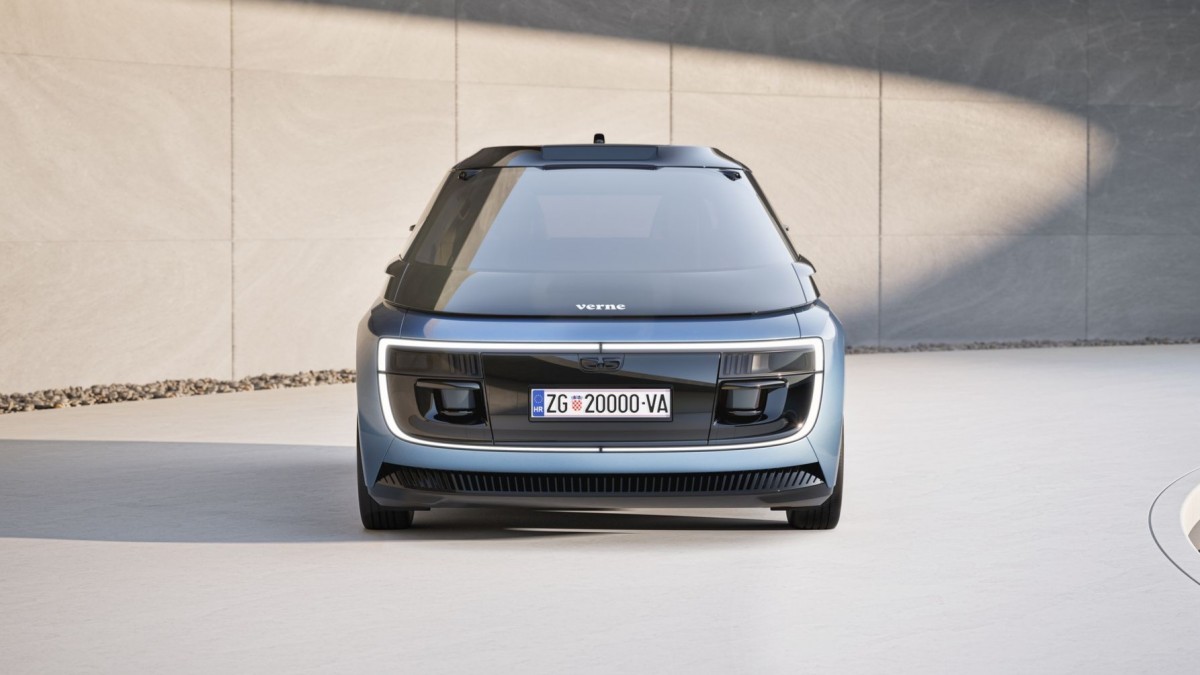
Mate Rimac is famous for his other company, which builds the Nevera. That car is an electric beast with nearly 2,000 horsepower. But Rimac, along with co-founders Marko Pejković and Adriano Mudri, wanted to do something different. They wanted to solve the problem of getting around a city, and to do that, they started Verne just over two years ago.
The goal was to build a car that drives itself, together with a complete service to run it - an autonomous taxi business in a box. This is somewhat similar to what Cruise tried to do in the United States and what Waymo is doing with their modified Jaguar EVs. But Verne is doing it differently.
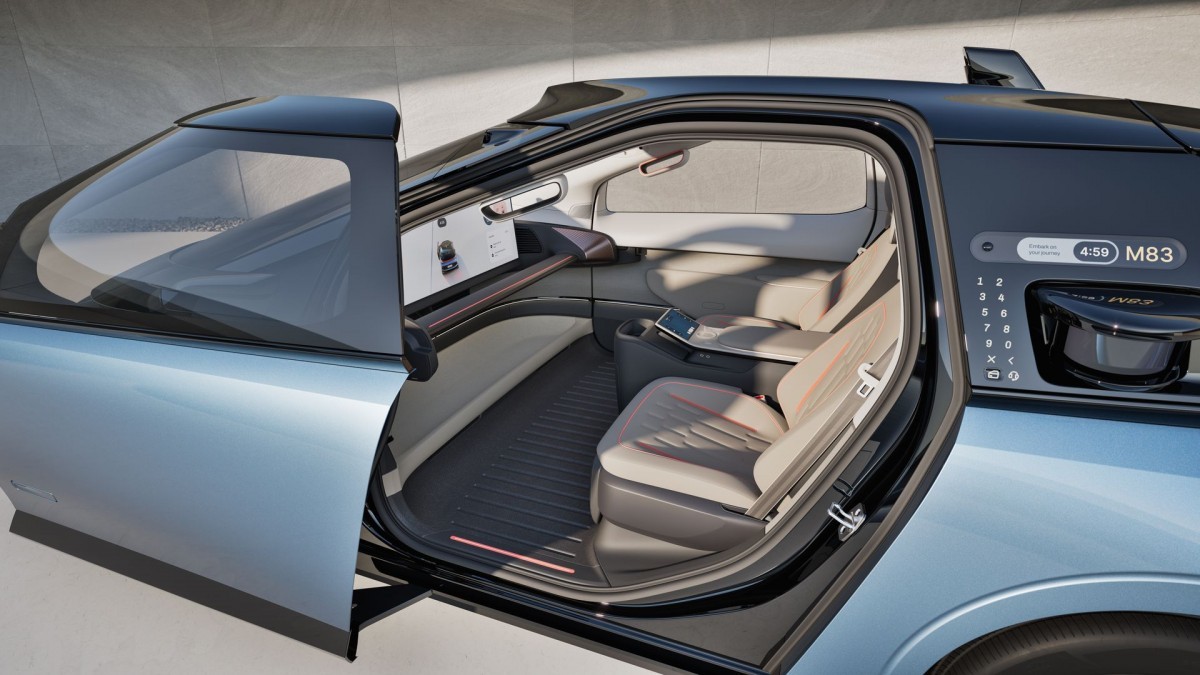
Most companies take a normal car and stick cameras and sensors all over it. Verne built a car from scratch just for this job. Rimac showed off the ready fleet in a video on Instagram. He did not use a fancy studio - he simply walked around a parking lot in Croatia holding a phone.
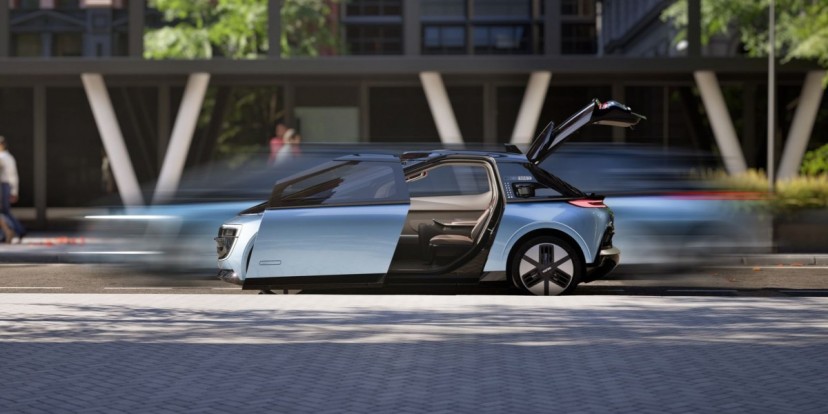
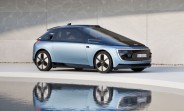
It was simple, but it showed the truth. The cars are real. The video also gives a short tour of the new Verne robotaxi, a small hatchback with two doors. It does not look like a normal car because it does not need to be one.
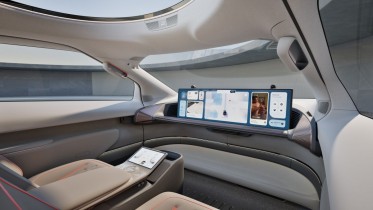
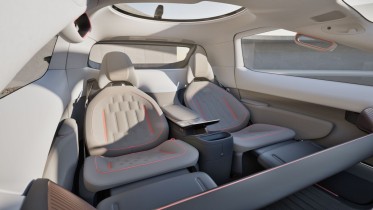
Inside the cabin, things look very comfortable. Since the car drives itself, there is no steering wheel, and there are no pedals on the floor. There are also no back seats. This gives the two passengers plenty of room to stretch out. The front of the cabin features a massive screen that Rimac says passengers can use to watch YouTube or stream movies while the car handles the traffic. This design focuses entirely on the rider, turning a boring commute into time you can use for fun or work.
Some fans of Rimac’s fast electric cars might feel confused. Why is a speed freak building a slow taxi? Rimac has a good answer for this. He says we spend too much time stuck in city traffic. Nobody enjoys stop-and-go driving. If a robot can handle the boring stuff, people will have more energy to enjoy driving their own cars on open roads. The Verne robotaxi simply takes away the pain of city travel.
The technology behind this is serious. The lack of a steering wheel suggests this is Level 5 autonomous driving. That means the car does not need a human to help it at all. Verne is already testing these cars on the streets of Zagreb, Croatia, with a plan to launch the service in the spring of 2026. This is a solid date, unlike the vague timelines we often hear from other automakers.
Verne has raised nearly $234 million to get this far, with the money coming from several big names. Mate Rimac’s own company is an investor, and Kia has also put money in. An investment firm from Saudi Arabia called Jameel, and the European Union are also backing the project, giving Verne solid foundations.
Related



Reader comments
- Anonymous
So Rimac says their market research showed that over 90% of taxi rides are with one or two passengers on board. Hence their focus on a 2 seater.
- 16 Dec 2025
- yNP
- Anonymous
You've actually described exactly what Verne is - spacious, easy to get in and out of, fully self driving and loaded with cameras and sensors, and the only controller is for entertainment.
- 16 Dec 2025
- yNP
- Anonymous
max at least make the AI less obvious, such a lazy article
- 05 Dec 2025
- mZL