Mercedes-Benz G580 EQ real life range test
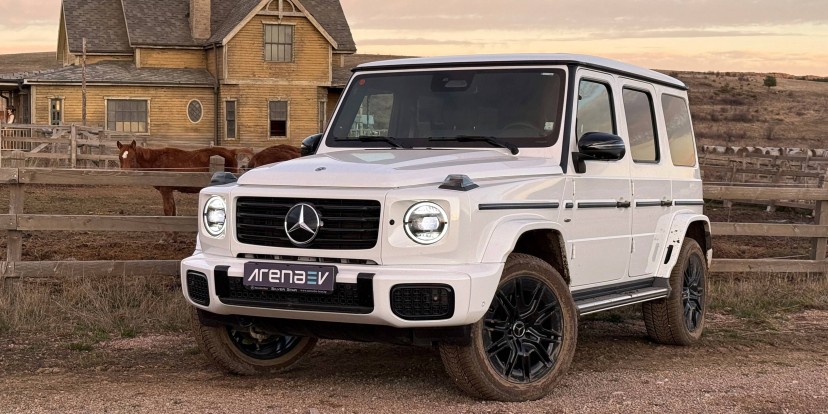
Military hardware is rarely linked to status or luxury, yet Mercedes-Benz managed to achieve exactly that with the G-Class, better known as the G-Wagon. Originally launched in 1979 as a utilitarian off-roader, its boxy design has remained remarkably faithful to the original since.

Over the decades, the formula has been evolved rather than reinvented, with modern technology and luxury layered onto the same upright silhouette that first defined the model more than four decades ago.
What seems like a travesty for some is the perfect daily for others. And now we have the Mercedes-Benz G580 with EQ technology - the first fully electric version of the G and we got to test it in the real world.
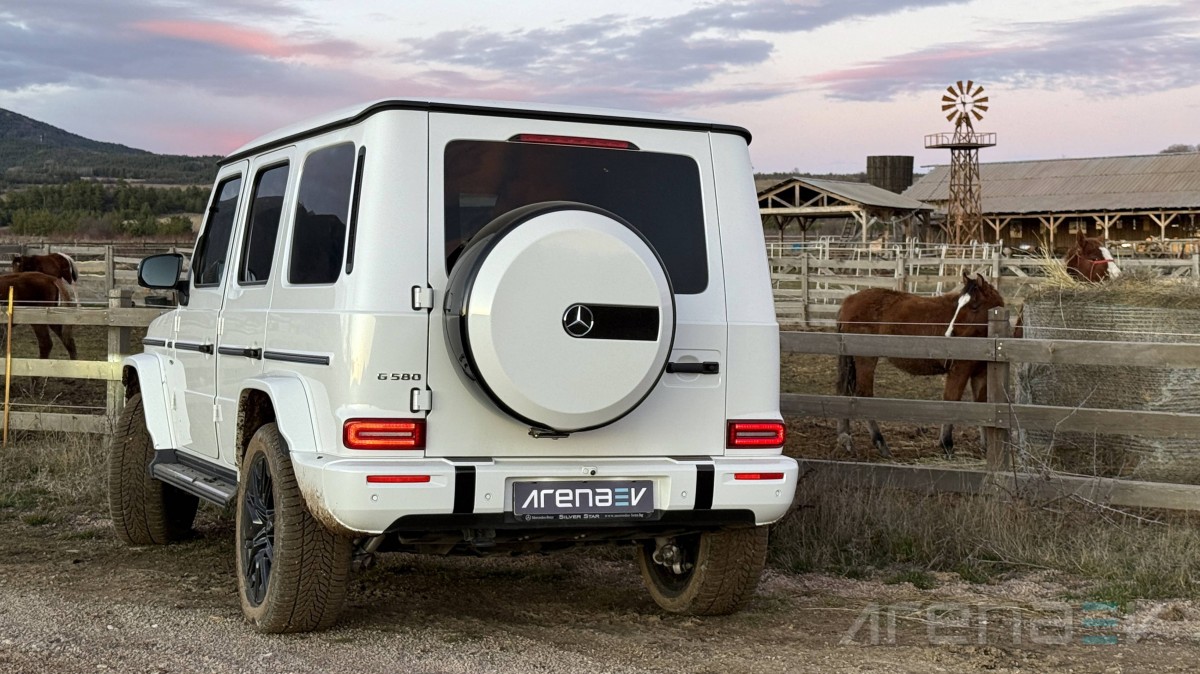
Today’s article focuses on range and efficiency, whereas a deep-dive review is coming soon to our homepage. With a drag coefficient of Cd 0.44 and a weight of 6,801 lb, any hopes of great efficiency should be minimal, but it’s still important to know how far one can travel on a single charge.
There is currently only one electric version on sale and it features a 116 kWh battery pack, four motors that power each wheel individually, outputting 587 hp and the impressive 859 lb-ft.
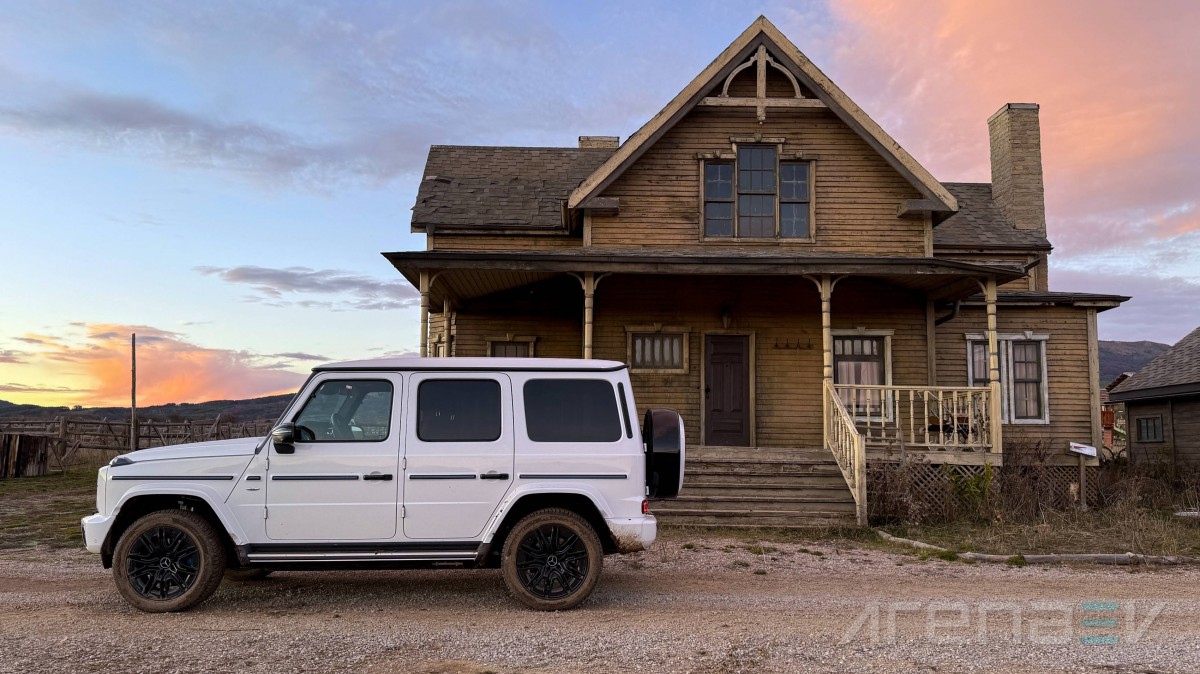
We drove our test routes, doing the same track both ways at constant speeds at the same place as with every other car we test. The ambient temperature while testing the Mercedes-Benz G580 was 39°F, which is far from perfect for an EV, further compromising the range.
Right from our lowest testing speed of 37 mph, the Mercedes makes us realize this is going to be the least efficient EV we’ve ever tested. The ICE G-Wagon was already notoriously inefficient and the electric one is no different. It’s inefficient even at low speeds, where the aerodynamics haven't really come into play.
Range test results
- 37 mph
- 56 mph
- 81 mph
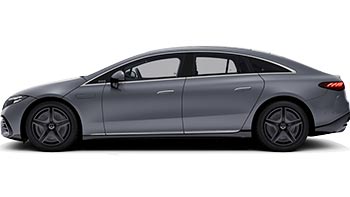
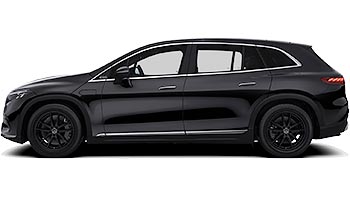 Mercedes-Benz EQS SUV 580 4Matic
 Maserati Grecale Folgore
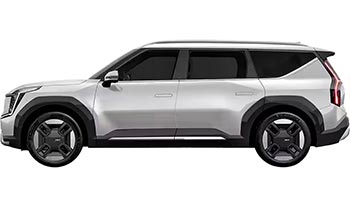 Kia EV9 99.8 kWh AWD
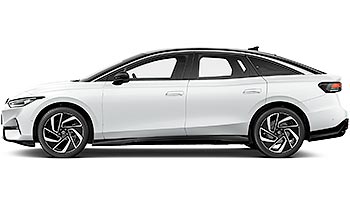
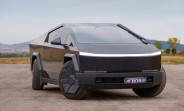
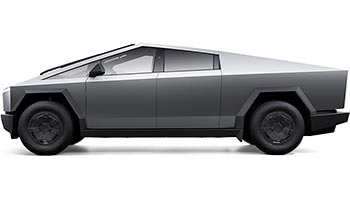 Tesla Cybertruck Cyberbeast
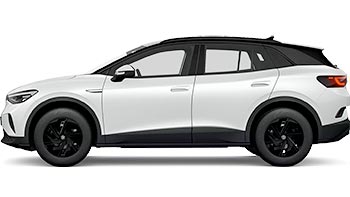
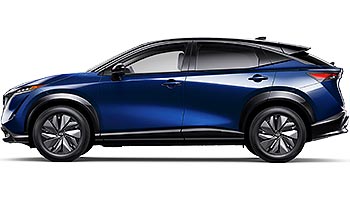
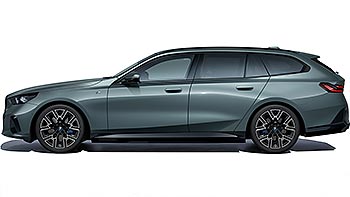
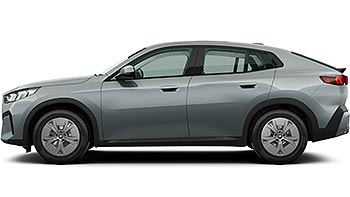
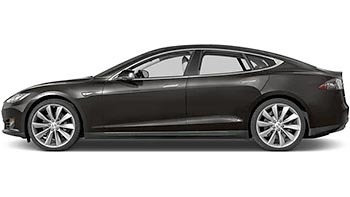
 Volkswagen ID.Buzz
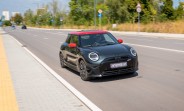
 Mini Cooper SE
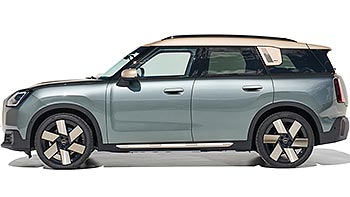
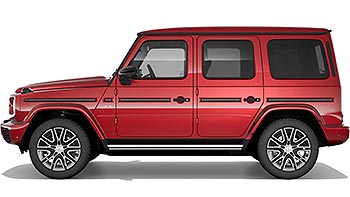 Mercedes-Benz G580 with EQ technology
With a value of 2.8 mi/kWh at 37 mph, it is already “thirstier” than most other vehicles in our rankings. The enormously heavy weight and multitude of motors already require lots of energy to feed.
Moving onto the next speed of 56 mph, consumption rises steadily. The electric G consumes over 2.1 mi/kWh at a speed which is common in daily situations. Our experience shows that the result a car gets in this segment of the test is closest to what that car will consume overall when driven daily in the city.
At the highest testing speed of 81 mph, the Mercedes-Benz G580 solidifies its electricity-guzzler reputation. 1.3 mi/kWh is a lot, even for highway consumption. Thanks to the huge battery you can still do some highway miles with the G. However, if you plan on long trips you will need to stop frequently.
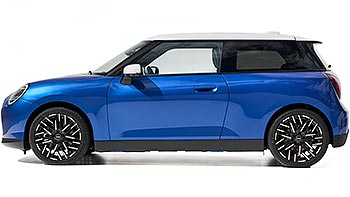
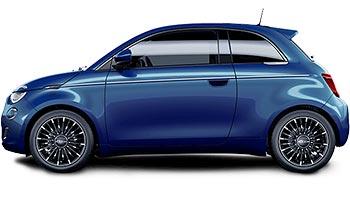
Going through the other vehicles we've tested, we found out that the little Mini Cooper SE offers almost identical range and has a similar non-aerodynamic shape. It has less than half the battery capacity, but it also weighs half of what the G580 does.
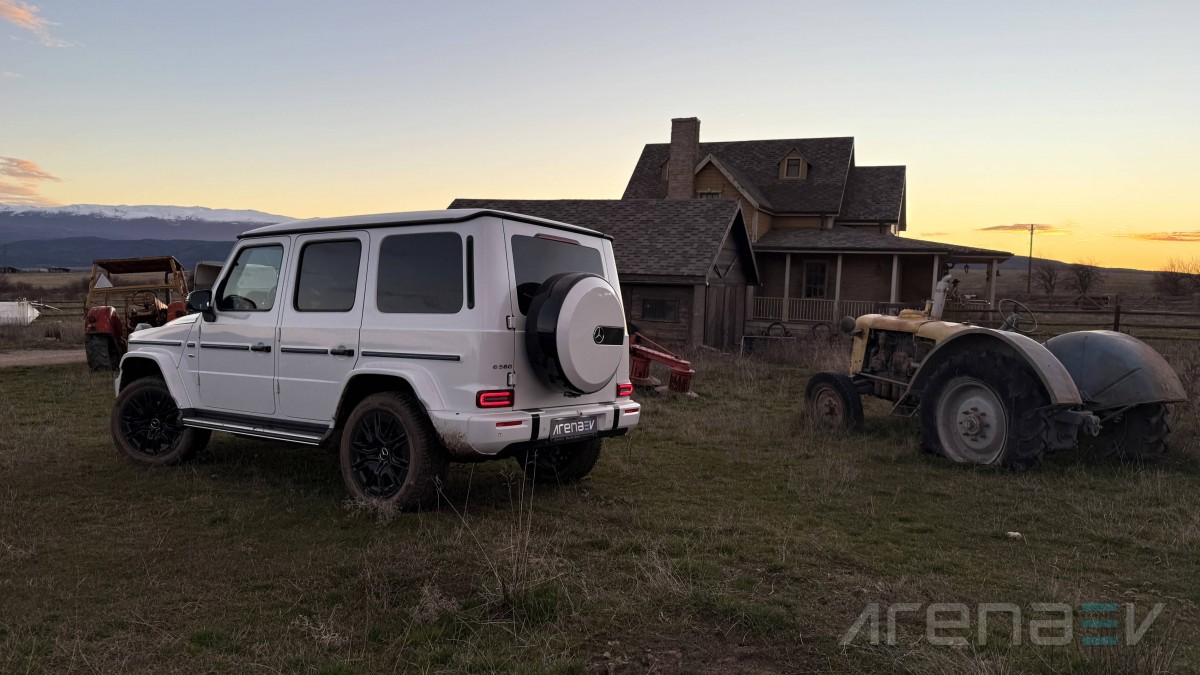
Mercedes has transformed its iconic G-Class into an electric vehicle and because it doesn't stray further away from the ICE version, the range was always going to be poor. So while it may retain the virtues of the G-Wagon that made it appealing to certain customers, its boxy and rugged shape entirely contradicts the philosophy of EVs.
We now suggest you use the widget below to find out the Mercedes-Benz G580’s range in every combination of speed and temperature you might need. We've used our real world tests and a complex model to provide an estimate that should be as close to the actual performance as possible. This should help you see how much better it will do in optimal weather.
Related
Reader comments
- The Man
I'll buy it whatever it consumes just cause it's an electric G!!! All the fun of the gas one + I can charge it at home!? What's not to like?
- 13 Jan 2026
- 0Bh