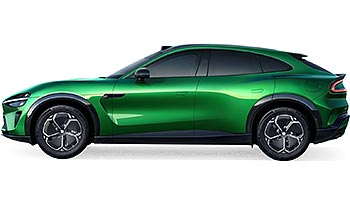
New 1,000-km battery from FAW sets high bar for electric cars
It is only February, but 2026 is already shaping up to be a massive year for electric cars. Last year felt like a slow crawl for battery news, and in contrast, the first few weeks of this year have been a sprint. The latest announcement comes from China's FAW Group, which completed a successful test of a new battery that could change how far we drive our EVs.
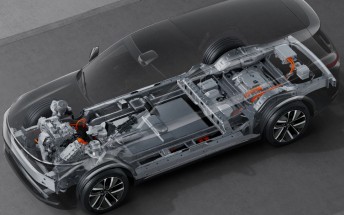
The new tech is a lithium-manganese liquid-solid-state battery, and it has already been installed in a production EV for the first time. According to FAW, the new battery pack allows a car to travel more than 620 miles. For those of us used to seeing electric cars struggle to reach 311 miles, this is a huge leap. The battery pack itself holds 142 kWh of energy despite being the same size - that's 67% more energy than the pack FAW used just a year ago.
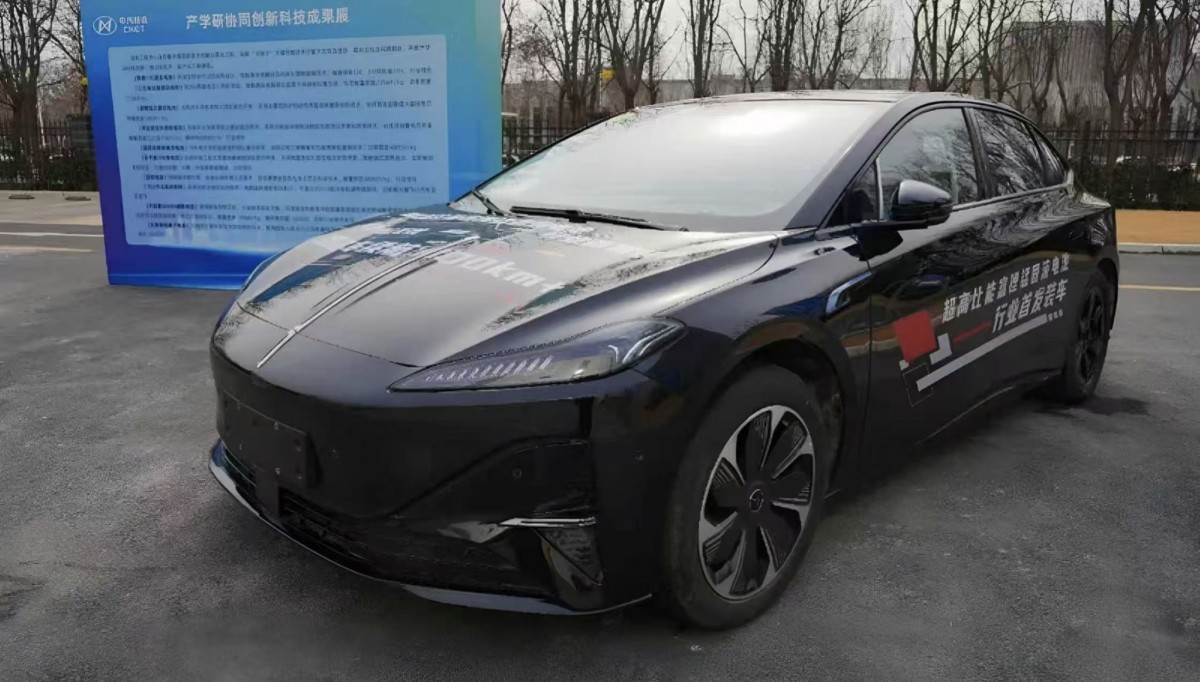
Scientists from Nankai University worked with FAW, and they focused on a cell-level energy density of over 500 Wh/kg. By packing more energy into each cell, the car stays lighter even though it can go much further. This tech uses a mix of liquid and solid parts. Engineers call it a semi-solid-state design. It offers a middle ground between the batteries we have now and the "holy grail" of full solid-state batteries that are still years away.
Most battery companies use high-nickel formulas to get more power. FAW decided to take a different path by using manganese, which is often easier to find and cheaper to process. The new battery uses an in-situ-cured composite electrolyte - it means the inside of the battery is more stable and less likely to catch fire than if it were using a normal liquid electrolyte. It also helps the battery last longer because it manages heat better than older designs.
Interestingly, this new battery does not use a metallic lithium anode. Instead, FAW created a lithium negative electrode that forms right inside the battery, reducing the risk of the battery short-circuiting. It also means the battery can be charged and emptied thousands of times without wearing out quickly. The cathode, which is the positive side of the battery, can hold twice as much energy as the common LFP batteries found in many affordable EVs.
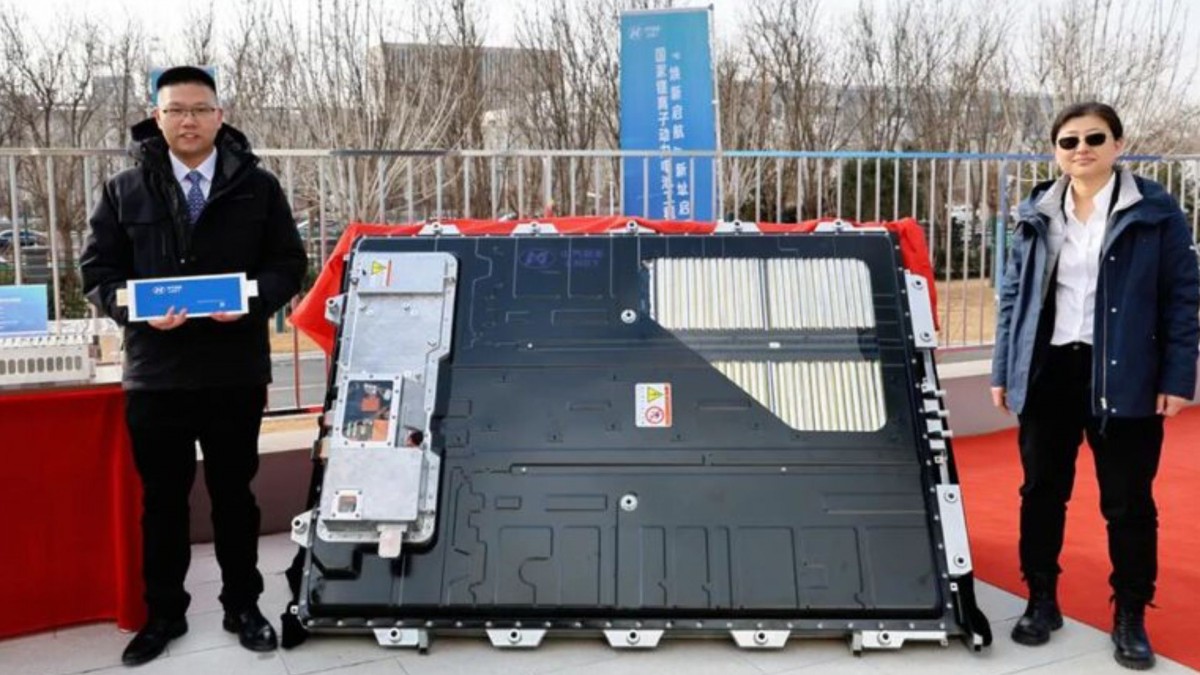
While other brands like Nio and SAIC are also working on semi-solid batteries, they mostly stick to the old nickel-heavy recipes. Outside of China, companies like Toyota and Volkswagen are still focusing on sulfide-based solid-state tech. FAW is one of the few big companies showing that manganese is a real winner for long-range driving.
But this is just the start, and the future looks even more extreme. FAW is already working on the next version of the battery pack that can hold over 200 kWh. If they succeed, some electric cars might be able to travel over 994 miles on one charge. They are also adding a five-dimensional protection system to keep the battery safe from fire, gas, and electrical surges. The plan is to show off the more advanced version later this year.
For now, this 142 kWh manganese battery is a major win for the industry. It proves that we do not have to wait a decade for a better range. As more of these batteries enter mass production, the "range anxiety" that keeps some people from buying an EV might finally disappear. If you can drive 620 miles without stopping, a road trip in an electric car starts to sound a lot easier than one in a gas-powered car.
Related


Reader comments
- JonSnow
Cathode is the negatively charged part of the battery, not positive
- 11 Feb 2026
- SYc