Tesla promises Robotaxis in Austin in three weeks - no drivers this time
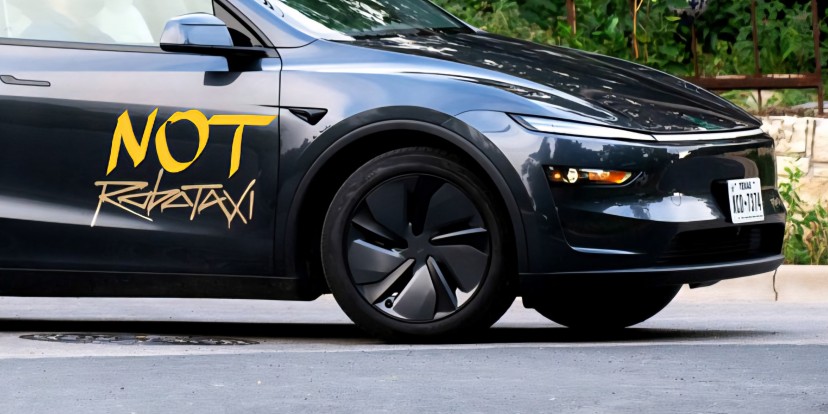
The promise of true self-driving electric cars feels like a mirage, a juicy carrot dangled in front of us for many years, always just a few steps away. Nobody disputes the fact that the technology has improved a lot, but every improvement brings more questions than answers. And now, Tesla CEO Elon Musk claims the wait is finally over. Haven't we heard that song before?
In a surprising statement made during an xAI company event, Musk announced that Tesla is preparing to launch a fleet of fully driverless Robotaxis in Austin, Texas. The timeline for this massive step? Three weeks... Given Tesla's history of missed deadlines - especially concerning full autonomy - you have to forgive us if we remain extra skeptical about this. But if the company delivers, it will be one of the quickest shifts from testing to commercial reality the EV world has ever seen.
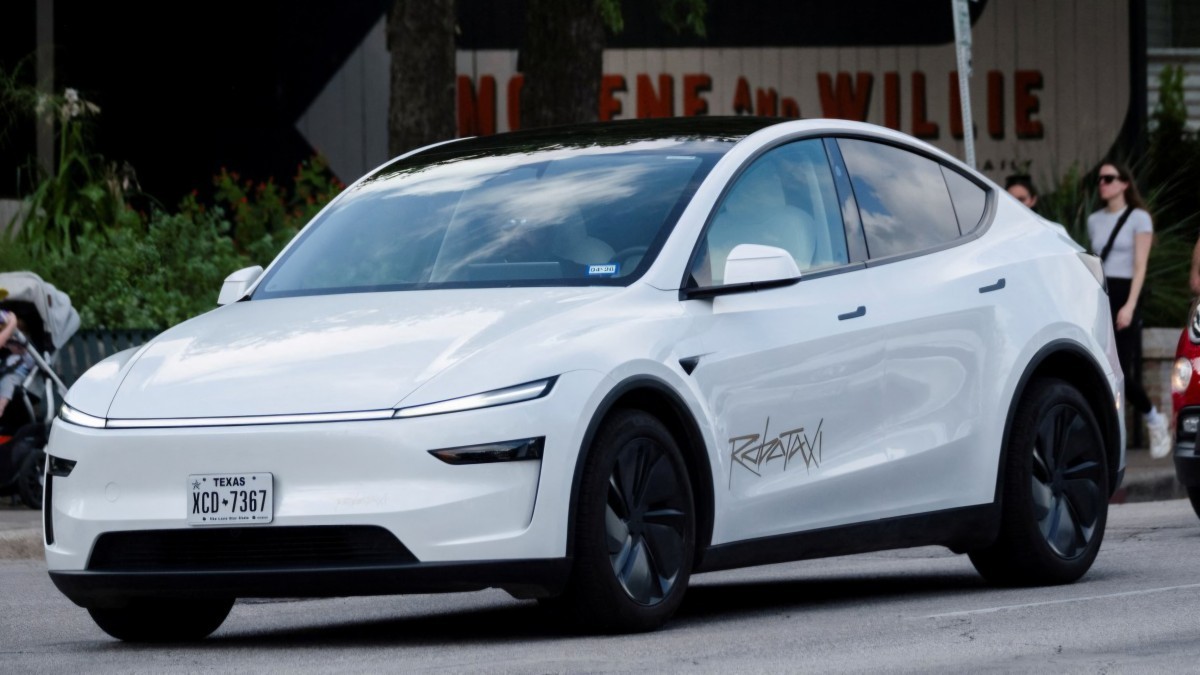
Interestingly enough, the upcoming Austin rollout is not simply a continuation of Tesla's current testing program - it is a complete removal of the safety net. The electric cars will operate entirely on their own, meaning no human monitor will be inside the vehicle. Engineers often call this moment "crossing the autonomy Rubicon" - moving from an advanced driver-assistance system to unsupervised autonomy.
Musk's usual strong confidence, captured in his remark that "Unsupervised is pretty much solved at this point," comes from recent leaps in the performance of the FSD software. The company confirmed it is in a final "validation phase" for the Unsupervised Robotaxi system. This phase requires the taxis to prove that the system almost never fails or requires a human to take over. Successful validation means the safety driver can be pulled out. Competitors like Waymo spent many years reaching this critical point, but Tesla, by contrast, launched its Robotaxi service in June and could reach the safety-driver-free milestone in only a few months.
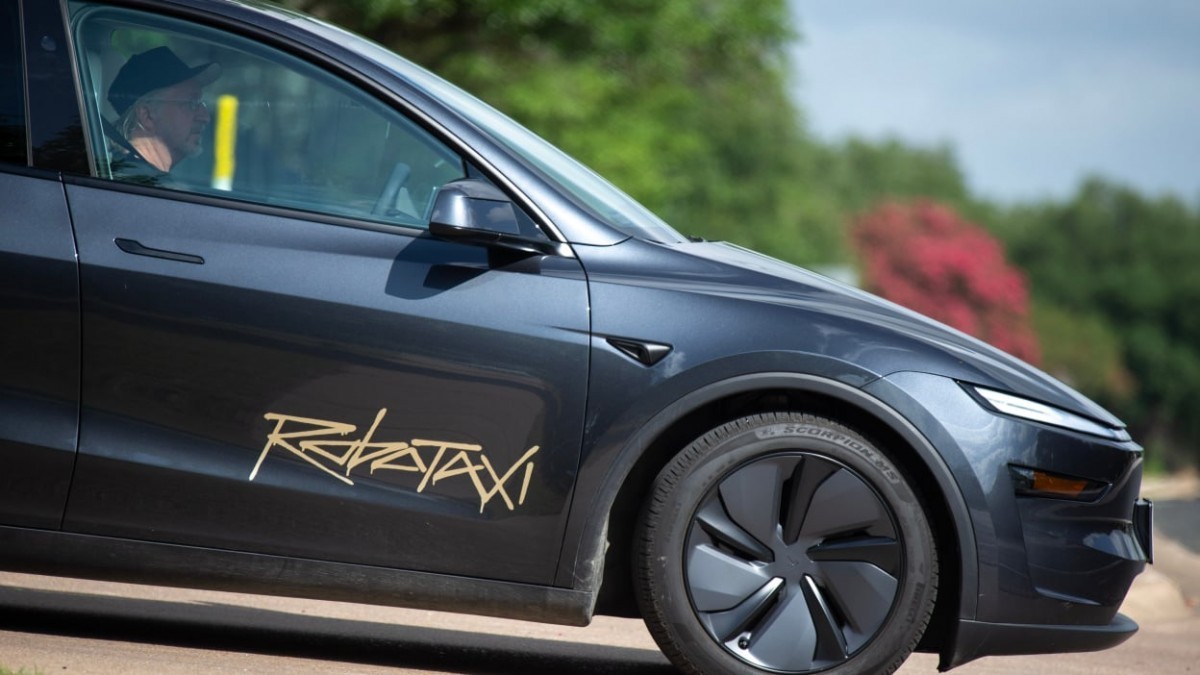
The most telling technical detail about the launch involves the computer model running the car. Musk clarified that the first Robotaxi fleet in Austin uses "quite a small model." This specialized software, a highly polished version of FSD v14, is optimized to handle the specific operational domain of Austin. Because the environment is known and "geofenced," the current architecture has reached a "local maximum of proficiency," effectively solving the challenge of Unsupervised FSD within that specific city.
The smaller model handles the Austin launch, but Tesla is already planning for a nationwide fleet of Robotaxis. The company is developing a new FSD model, described as an order of magnitude larger than the current one, that will be deployed in January or February 2026.
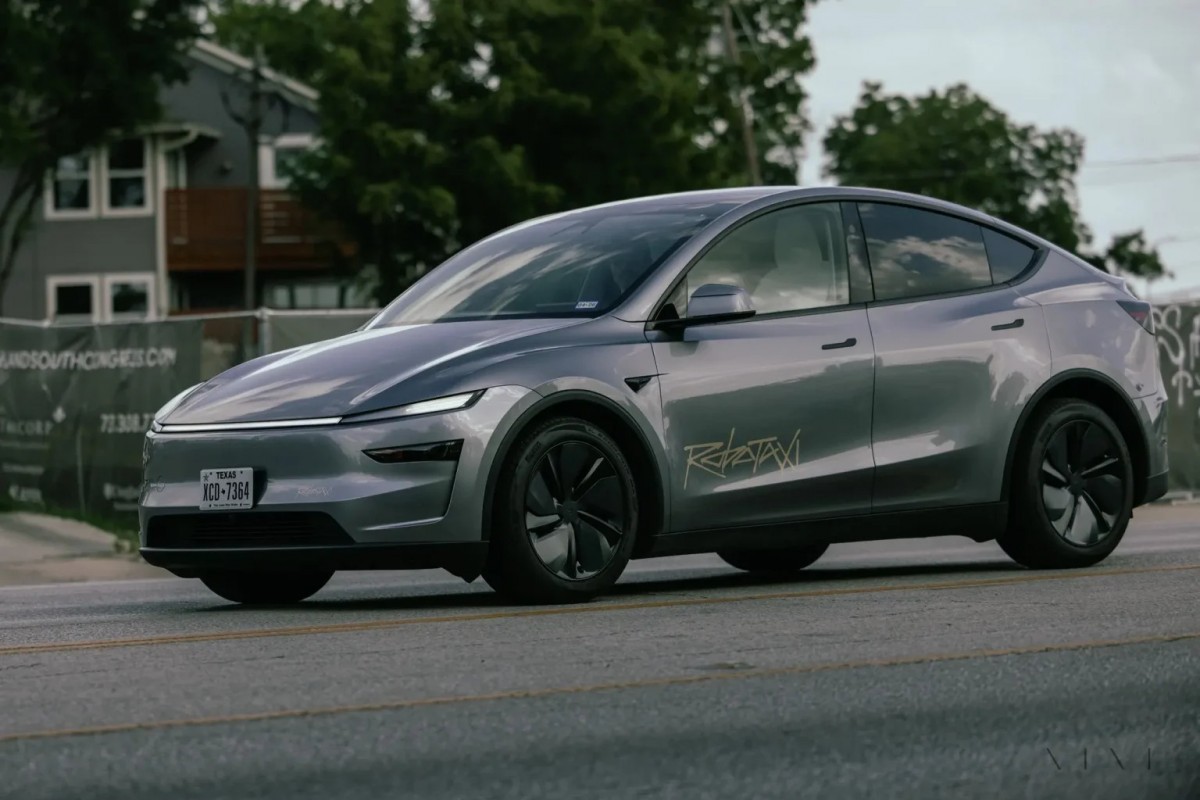
Unlike the current iteration, which mostly relies on learned habits and reflexes, the new system will introduce reasoning and advanced learning capabilities. This will allow the EVs to "think" through and plan for complicated, never-before-seen traffic situations, rather than simply reacting moment-by-moment. This advanced "reasoning" capability will be the key to scaling Unsupervised FSD across the entire country.
If the aggressive deadline holds, Tesla will have truly crossed the final barrier to autonomy by the end of 2025. The transition from advanced driver assistance to genuine, unsupervised Robotaxis is a huge moment. The success of driverless EVs in Austin will vindicate the FSD software. It will also provide data needed to train the next, more powerful generation of the system. The stakes here couldn't be higher. Now, let's see if Tesla lives up to the hype, or trips over its own CEO's goals yet again.
Related
Reader comments
Nothing yet. Be the first to comment.