Tesla expands FSD Supervised to China in hope to boost EV sales
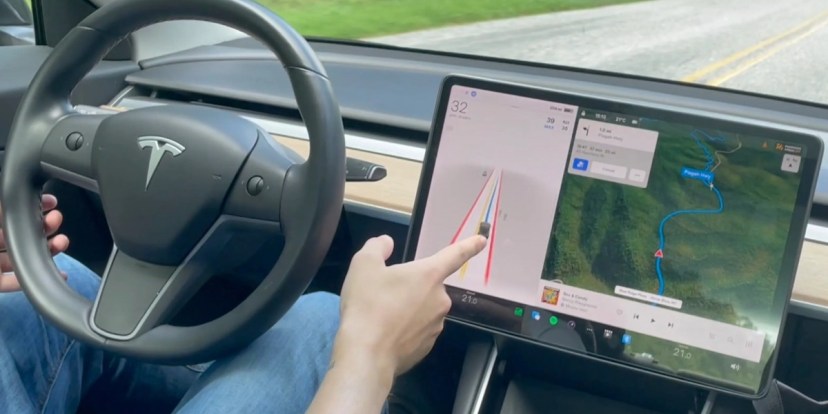
Tesla finally announced the arrival of its Full Self-Driving software, known as FSD Supervised, in China. The American automaker confirmed the expansion on the social media platform X and noted that the software is also available in other global markets: South Korea, Australia, Canada, the Netherlands, and the United States.
The official confirmation follows the state visit to China by US President Donald Trump. Tesla CEO Elon Musk traveled to the country as part of an official delegation of American business leaders. Shortly after the trip, the electric vehicle manufacturer listed urgent job openings in China for autopilot test engineers and data labelers with a focus directly on autonomous vehicle software validation, suggesting an immediate preparation for the system's release.
FSD Supervised is now available in:
— Tesla (@Tesla) May 20, 2026
- United States
- Canada
- Mexico
- Puerto Rico
- China
- Australia
- New Zealand
- South Korea
- The Netherlands
- Lithuania
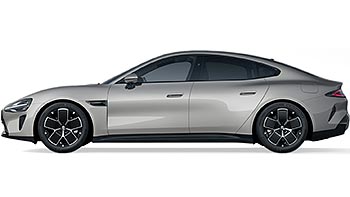
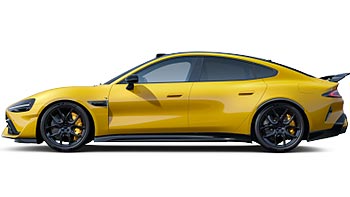
Domestic tech giants and local car manufacturers present intense competition for foreign electric cars in the region. Chinese brands like XPeng, Xiaomi, and Huawei already include advanced urban driving assistance in their vehicles. Features like automatic lane changing and vehicle summon are what local buyers expect from any new car - electric or not.
The software rollout is an important piece of the company's long-term business strategy. The premium driver-assist program creates a stream of recurring software subscription revenue for the manufacturer. Globally, Tesla shifted away from permanent software purchases in February 2026 to focus purely on monthly subscriptions. However, the brand's local Chinese portal still displays the traditional one-time purchase price of 64,000 yuan ($9,420), and the company continues to sell Enhanced Autopilot at half the cost of the full system.
Launching FSD in the Chinese market took a while thanks to a long and complicated regulatory process. Tesla had to set up a local data storage facility in Shanghai and then partnered with Chinese technology company Baidu for navigation mapping data to meet local compliance laws. Early testing began in 2023, and it was followed by a small 10-vehicle pilot program in Shanghai's Nanhui New City in June 2024. After missing multiple target dates and despite conflicting statements from local state media regarding approvals earlier this year, the manufacturer pushed forward and managed to secure the release.
Technical questions still surround the localized version of the autonomous driving system. Local regulations strictly prohibit automotive data from leaving Chinese borders. At the same time, the US government's semiconductor export restrictions prevent Tesla from building massive data processing centers inside China. Previously, engineers trained the software using publicly available online videos of local roads and traffic signs. The industry is watching closely to see how the company balances data isolation requirements with its computing needs.
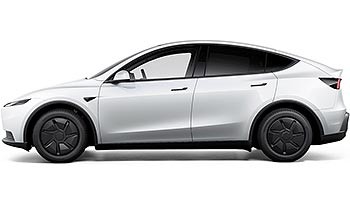
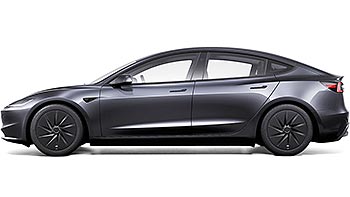
A sales slowdown highlights the urgency of the FSD launch. Local retail registration data reveals that Tesla's year-on-year sales dropped in 12 of the 16 months between January 2025 and April 2026. In 2025, the brand delivered 625,698 electric cars to local buyers - a 4.78% drop compared to the year before. The downward trend accelerated during the first four months of this year, with local sales falling 15.05% to 138,754 units. April sales dropped to 25,956 vehicles - yet another steep 53.74% decline compared to the previous month.
Domestic retail demand weakened, but international shipments from the Shanghai assembly plant remained a major bright spot for the business. The factory exported 53,522 EVs in April, achieving its second-highest monthly export volume on record. Between January and April of this year, total export volume reached 154,122 vehicles. That's a 127.07% surge in export volume compared to the exact same period last year, helping to offset the slowing demand within the Chinese retail market.
Related
Reader comments
Nothing yet. Be the first to comment.