2026 XPeng Next P7 interior, design and performance review
One thing about the electric vehicle world stands out the most - it moves fast, especially in China. Sometimes it feels like a new model is revealed every couple of hours. Some cars stay for longer, some disappear after a brief spell in the limelight, but few cars have made a splash quite like the Next P7 from XPeng.
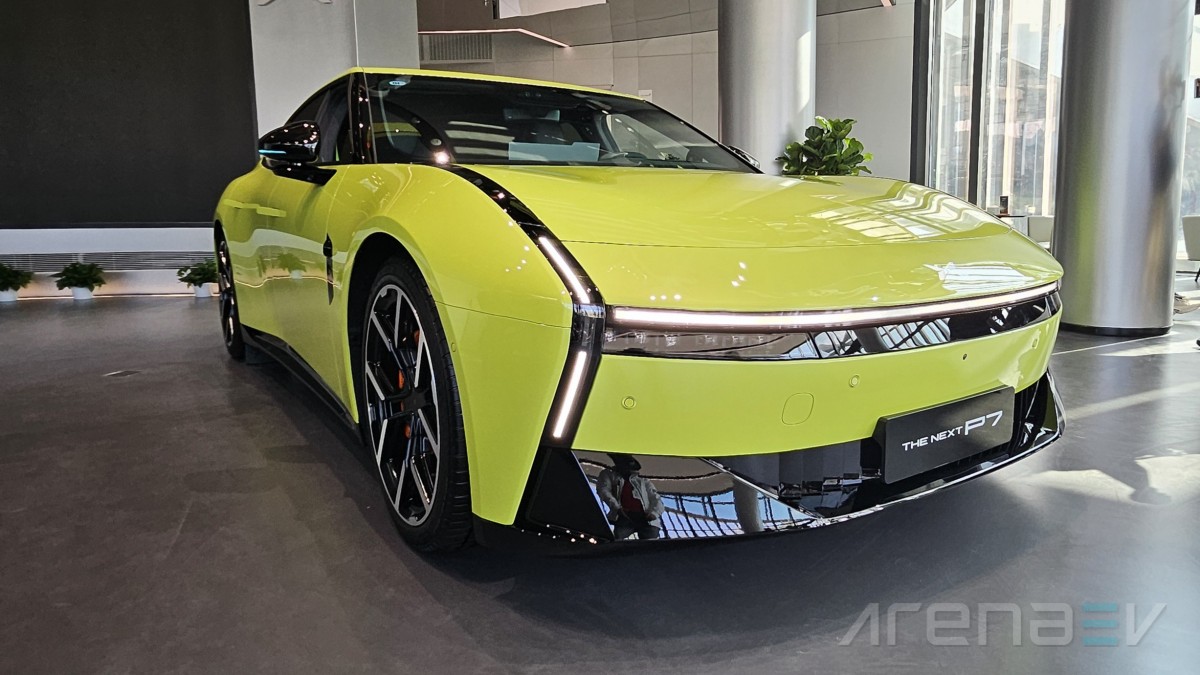
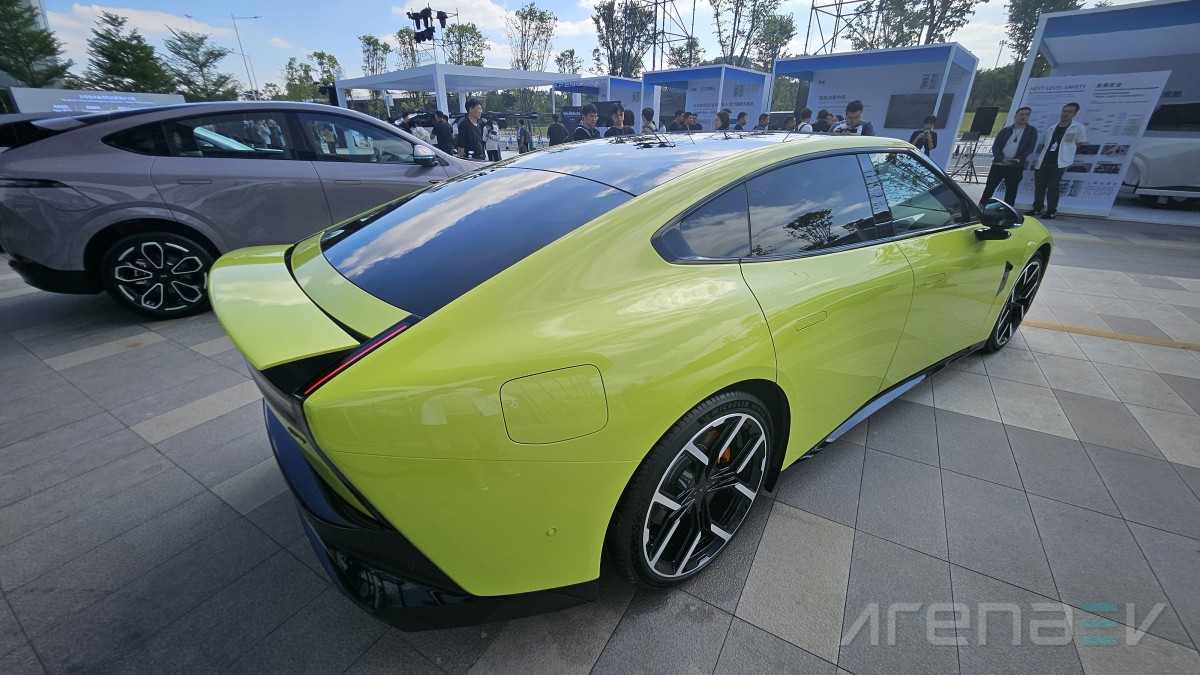
We often worry that many cars look breathtaking in official press material, but then they quickly turn into a major letdown the moment we see them in real life. Thankfully, there's nothing to worry about here, because this new electric sedan proves that reality can beat the hype. Launched in the bustling city of Guangzhou, China, the Next P7 takes on giants like Tesla and Xiaomi, and it does so by mixing classic design with technology that feels like it was plucked straight out of the future.
A design inspired by the classics
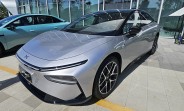
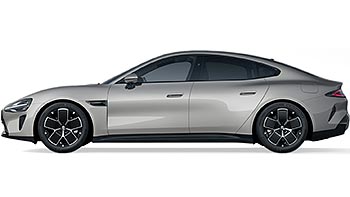
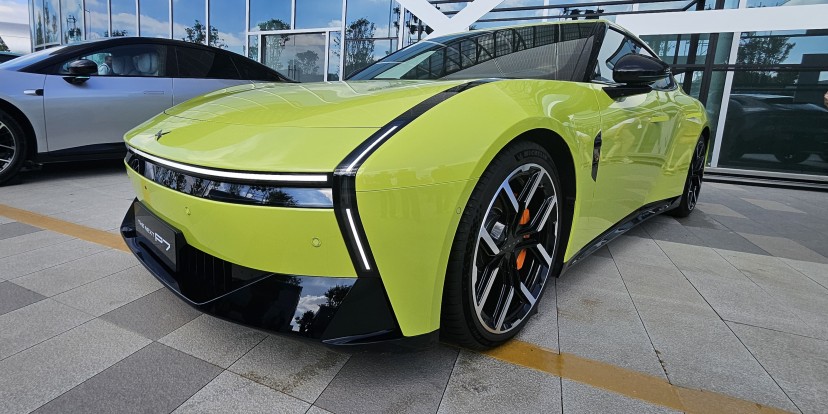
At first glance, the Next P7 looks like a concept car that accidentally escaped a designer's computer. It is long, wide, and sits very low to the ground. Measuring 197.5 inches in length and 77.6 inches in width, it has a commanding presence. The car is only 56.2 inches tall, giving it a sleek, missile-like shape. For a vehicle this size, its aerodynamics are world-class, boasting a drag coefficient of just 0.201 Cd.
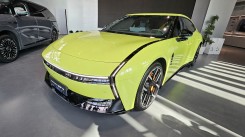
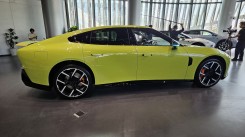
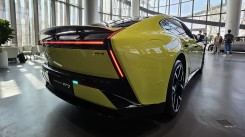
The design is a clever "best of" list of famous cars. The front looks a bit like a classic Ferrari 365 GTB Daytona, while the back has hints of Aston Martin and Jaguar. There is even a touch of the Porsche 911 "ducktail" spoiler at the rear. Despite all these influences, the XPeng manages to look completely original. For those who want extra drama, the Wing Edition features scissor doors that lift up, much like in a Lamborghini.
Stepping into the future
The interior of the Next P7 continues the high-tech theme. When you sit down, you are greeted by a massive 15.6-inch center screen that actually tilts toward you whenever you use voice control - this is part of the car's AI system. When you speak to the car, the screen turns to face you, making it feel like a helpful companion rather than just a machine. Drivers also get a massive 87-inch augmented reality head-up display that projects navigation and speed onto the road ahead.
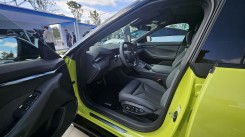
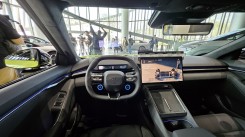
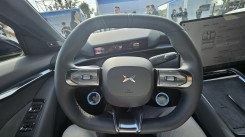
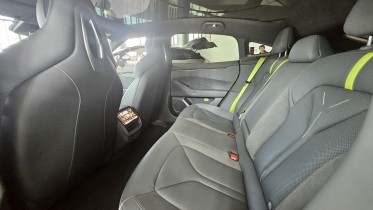
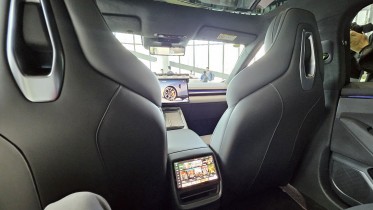
The cabin is built with high-quality materials like Nappa leather and microfiber suede. You will not find cheap, hard plastics here. The seating position is low and stretched out, making it feel more like a sports car than a family sedan. Despite the sporty feel, there is plenty of room. The 118.4 inches wheelbase provides nearly a meter of legroom for people in the back. Passengers in the rear even have their own 8-inch screen to control the 23-speaker sound system and climate.
Power and performance
XPeng offers several versions of the Next P7 to suit different drivers. The base rear-wheel drive model uses a 74.9 kWh battery and a single electric motor that produces 362 horsepower. This version can travel up to 436 miles on a single charge based on the Chinese CLTC tests. The car weighs about 4,850 lb, depending on the version. It uses an advanced 800V platform, which helps it charge very quickly - it can add as much as 326 miles of range in just 10 minutes.
The Ultra Long Range version benefits from a larger 94.3 kWh battery to push the range to a bladder-busting 510 miles, but it keeps the same motor as the standard RWD model. The performance version adds a second motor for a total output of nearly 600 horsepower. This version is incredibly fast, reaching 62 mph in just 3.7 seconds, and it has a top speed of 143 mph.
Technology that talks
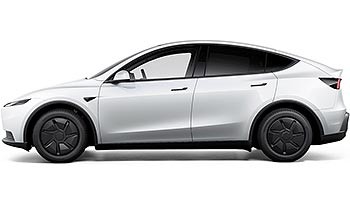
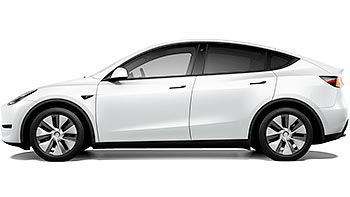
One of the most unique things about the Next P7 is how you control it. Almost everything is done through voice commands. You can ask the car to change the temperature, set a map destination, or even order food. The top version uses three in-house developed Turing AI chips that give it more computing power than almost any other EV on the market today. These chips provide 2,250 TOPS of processing power, which is three times more than what you find in a Tesla.
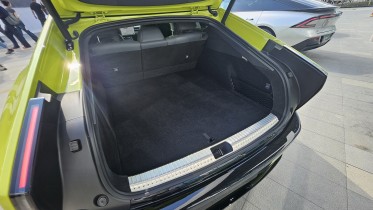
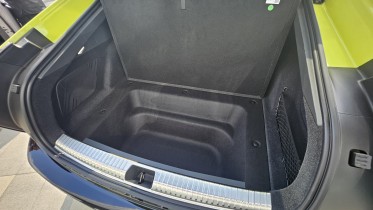
The car also features a "Vision-Only" driving assistant. Instead of using expensive laser sensors, it uses 11 high-definition cameras to see the road. This helps the car park itself, change lanes, and even drive through busy city streets. In fact, the car can drive itself from the factory assembly line to the shipping area without a human behind the wheel.
The price of progress
Perhaps the most shocking part of the Next P7 is the price. In China, the car starts at roughly $30,700. Even the top-of-the-line version with scissor doors and all-wheel drive is priced competitively. When you compare this to luxury cars from Europe that cost $100,000 or more, it is clear why other car companies are paying close attention. XPeng has created a vehicle that looks, feels, and drives like a high-end supercar but at a price that many more people can afford.
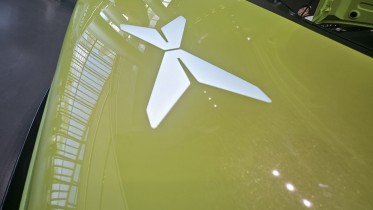
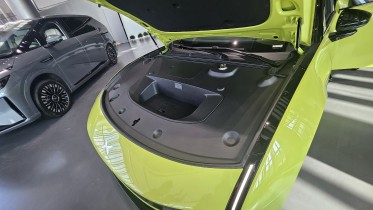
The Next P7 combines the soul of classic car design with the brains of modern artificial intelligence, all while keeping the price grounded in reality. XPeng has already introduced its P7+ cousin to the European market, and the G6 electric SUV is available across the Old Continent as well. Does that mean the Next P7 is actually "next" in line? Let's hope there's enough demand for the company to consider selling it here, even if in small numbers.
Related


Reader comments
Nothing yet. Be the first to comment.