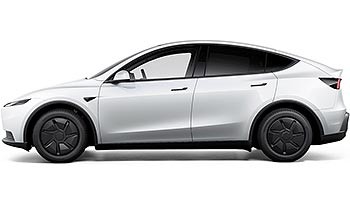
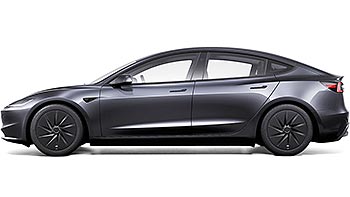
Tesla steers around bureaucracy as Denmark approves FSD software
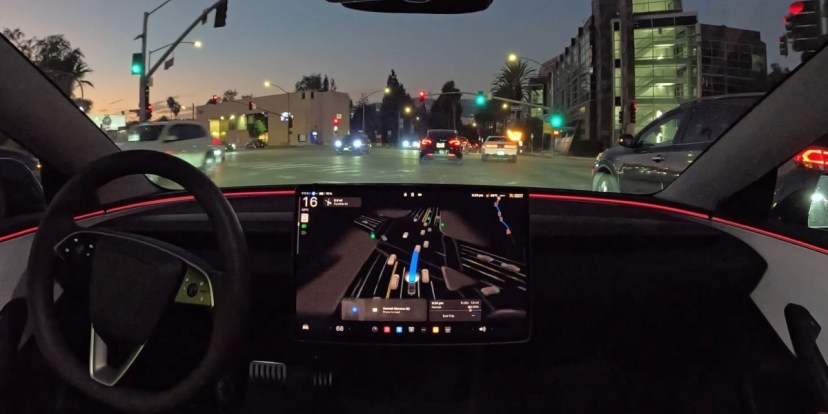
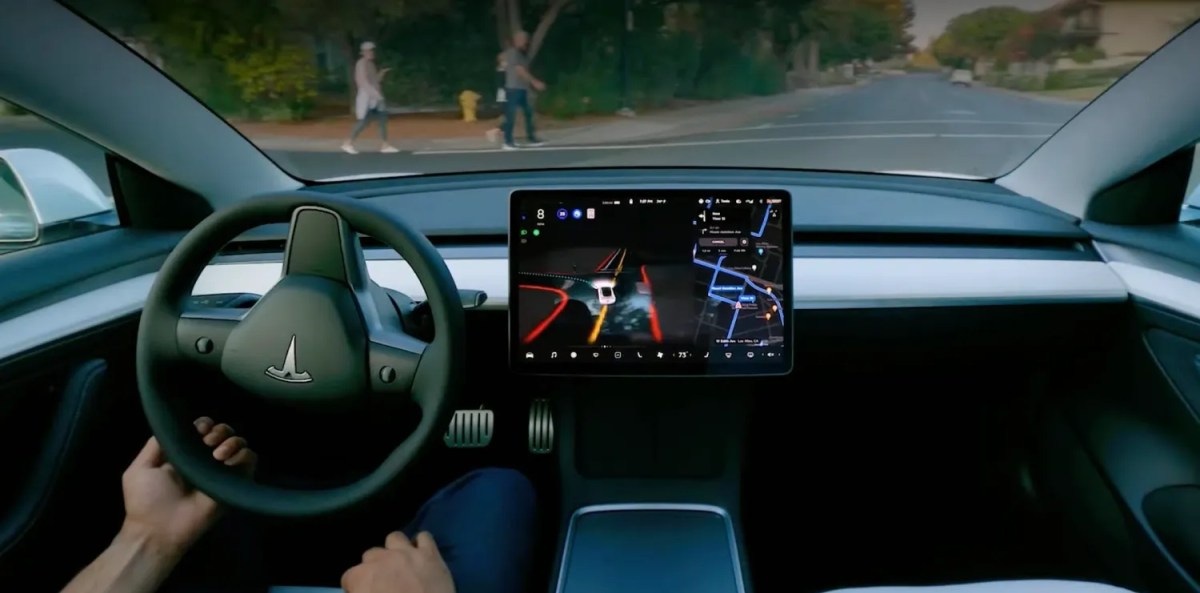
Tesla unlocked another geo expansion for its driver assistance software in Europe. Denmark has officially granted provisional clearance to the American automaker's "Full Self-Driving" (Supervised) platform. Denmark is the fourth European nation to approve the technology in a span of just eight weeks. The decision reveals a growing appetite among individual European governments to experience advanced software features without waiting for the notoriously sluggish centralized decisions from Brussels.
The Danish Road Traffic Authority, known locally as Færdselsstyrelsen, confirmed the authorization after an extensive evaluation. Interestingly, the Danish government previously joined a coalition of Nordic nations that voiced serious reservations about the American company's driver assistance capabilities at the regional level. By breaking ranks to issue the national waiver, the Danish transport agency accepted a preliminary safety framework originally established by the Netherlands, although regulators stressed that they only signed off after performing an independent audit of the underlying engineering documents.
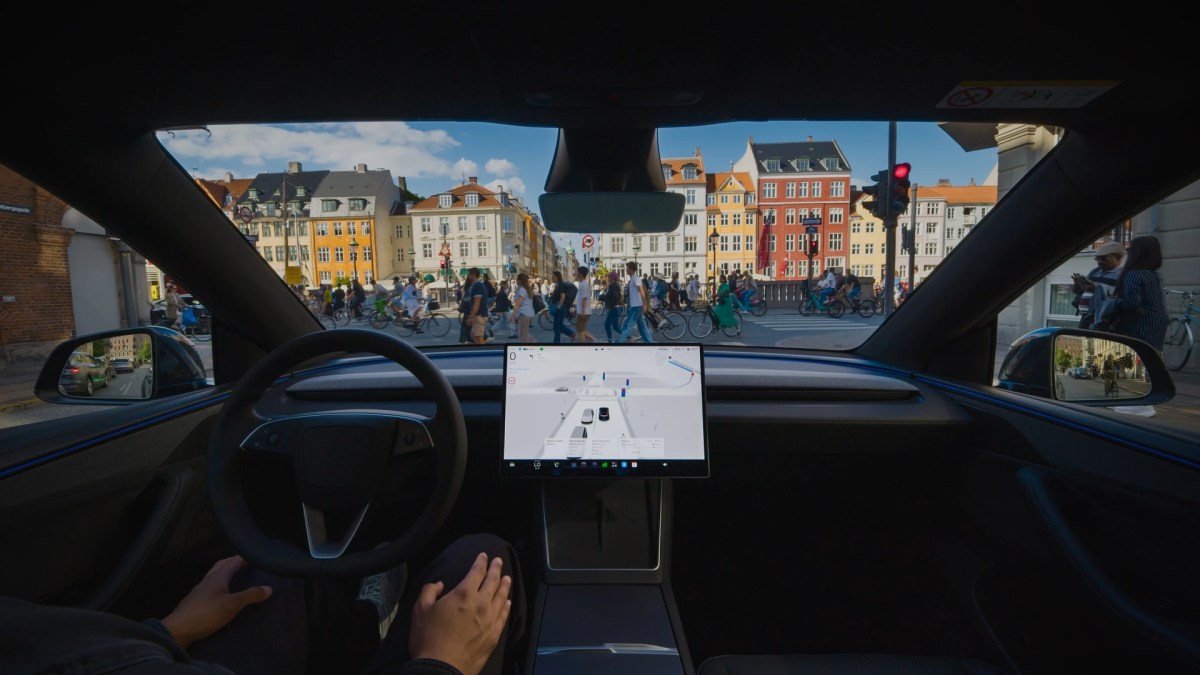
Official documentation notes that the FSD does not transform conventional electric cars into fully autonomous vehicles. Instead, human operators must retain complete operational control and monitoring duties at all times. The technology simply manages routine driving variables like lane centering, maintaining distances, and navigating standard roadways, acting as an extra set of electronic eyes rather than a digital chauffeur.
By adopting this fast-track method, Denmark follows a path set by the Netherlands, Lithuania, and Estonia. These nations are using a reciprocal framework that allows individual members of the European Union to temporarily adopt automotive certifications issued by a peer country. This strategy essentially allows regional markets to bypass the gridlocked European Commission, allowing EV owners to download and use FSD years ahead of a synchronized continent-wide rollout.
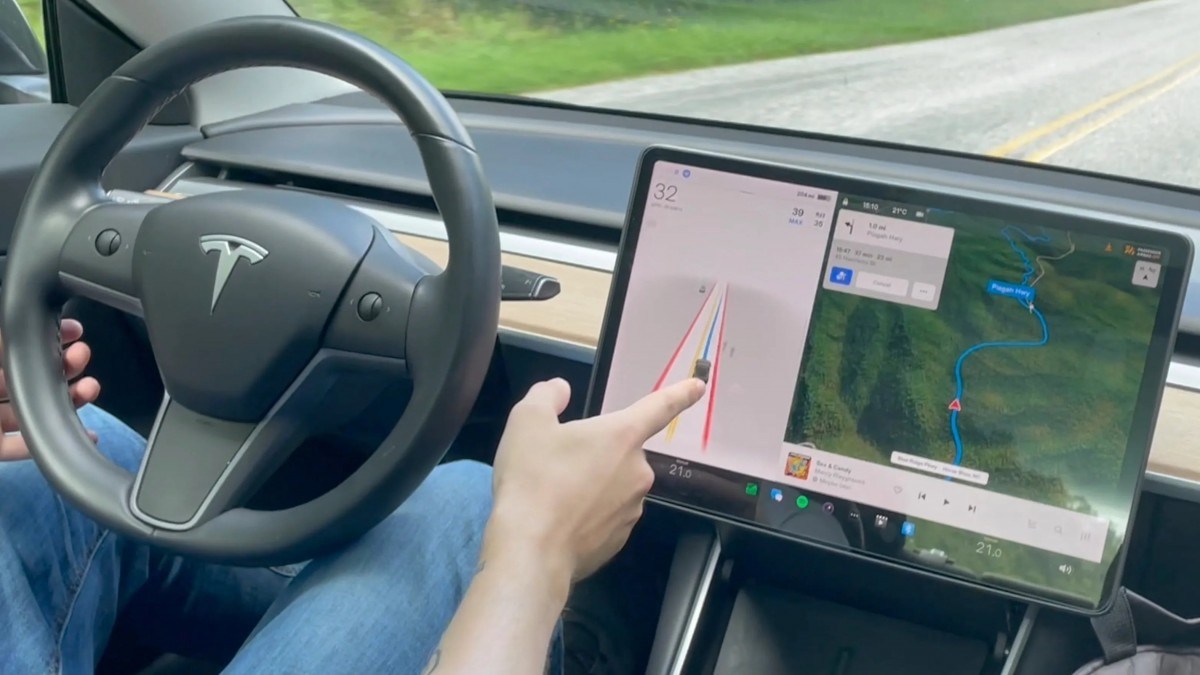
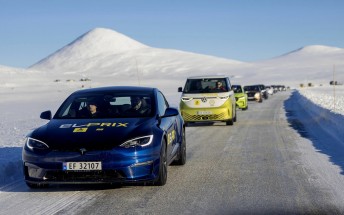
The change of approach from the Danish government caught many automotive industry analysts off guard. Previously, regulatory bodies in Denmark, Sweden, Finland, and Norway expressed deep skepticism over how the software operates. Early objections focused on the platform's occasional behavior of matching traffic flow by exceeding posted legal speed maximums. There are also concerns regarding traction management on severely icy northern roads, and a Swedish investigator openly admitted surprise at the software's aggressive tuning during evaluations.
The dynamic between regional hesitation and national enthusiasm highlights a clear divide in how European regulators view advanced electric cars. The Dutch vehicle authority presented its safety findings to the Technical Committee on Motor Vehicles in early May, but there seems to be no progress. The committee scheduled more discussions for late June, though regulatory experts do not expect an official vote until late autumn, meaning a unified continental law may not arrive until early 2027.
A permanent, bloc-wide standardization is a mathematically challenging task for Tesla. Passing a unified law needs a qualified majority consisting of at least 15 of the 27 member states, which must collectively represent 65% of the total European population. Any resistance from a united Nordic voting bloc could easily derail the legislation, keeping the technology restricted to a patchwork of friendly nations.
Danish regulators explicitly warned that if central European authorities eventually vote down the automated architecture, all temporary national approvals will immediately be void. Under regional law, the Dutch foundational certification expires after six months if rejected at the executive level. If that happens, marketing or selling the software package will become illegal across the continent, instantly turning off the feature for active subscribers.
The Dutch regulatory U-turn comes at a moment when Mercedes-Benz and BMW are scaling back their public push for Level 3 autonomy. Mercedes quietly skipped its Drive Pilot hardware from upcoming premium sedan updates, and BMW canceled its automated product line. Both manufacturers are focusing on basic Level 2 setups, leaving the American brand as the main option for consumers wanting automated driving features.
The FSD operates as a subscription model, costing users $116 per month across European markets. Drivers who previously bought Tesla's Enhanced Autopilot option get a discounted rate of $57 per month. Belgium and Greece are reportedly preparing their own local adoptions, but major automotive markets like Germany, France, and Spain are still in the testing phase.
Related


Reader comments
Nothing yet. Be the first to comment.