BMW moves from website configurator to ChatGPT prompts
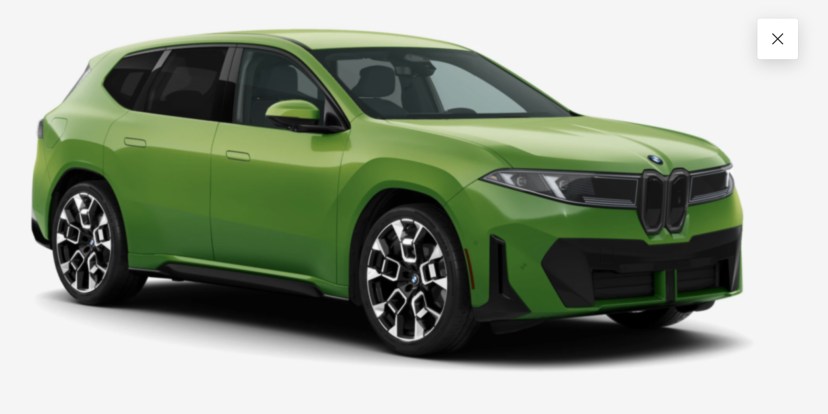
I have lost count of the hours I have spent deep in the digital trenches of online car configurators late at night. For anyone who genuinely loves cars, clicking through countless paint samples, ticking boxes for different upholstery, picking different drivetrains and swapping out wheel designs can be a deeply satisfying, almost therapeutic ritual - the ultimate modern tool for automotive daydreaming.
BMW has decided that this method of clicking through endless menus is a relic of the past. In a digital u-turn, the Munich-based automaker has bypassed traditional website navigation by launching a vehicle configurator built entirely as a dialogue-based plugin within OpenAI's ChatGPT. Instead of a visual journey through complex options, the brand now wants us to type or speak our way to a perfect specification, replacing the cursor with natural language prompts.

To find this new tool, you need to navigate to chatgpt.com or fire up ChatGPT on a mobile device, head into the plugins section, and search directly for the BMW brand. Once activated, the interface completely abandons the rigid, step-by-step approach of a typical manufacturer site. I simply describe my automotive needs in normal, everyday prose, focusing on lifestyle requirements like cabin space, electric power, all-wheel drive, ground clearance, or intended daily usage.
The system almost instantly processes these variables, cross-references them with its live corporate database, and serves up tailored model recommendations. If I find myself torn between two separate setups, the chatbot can draft side-by-side comparison tracking things like projected running costs and overall driving dynamics without forcing me to open multiple browser tabs or deal with separate submenus.
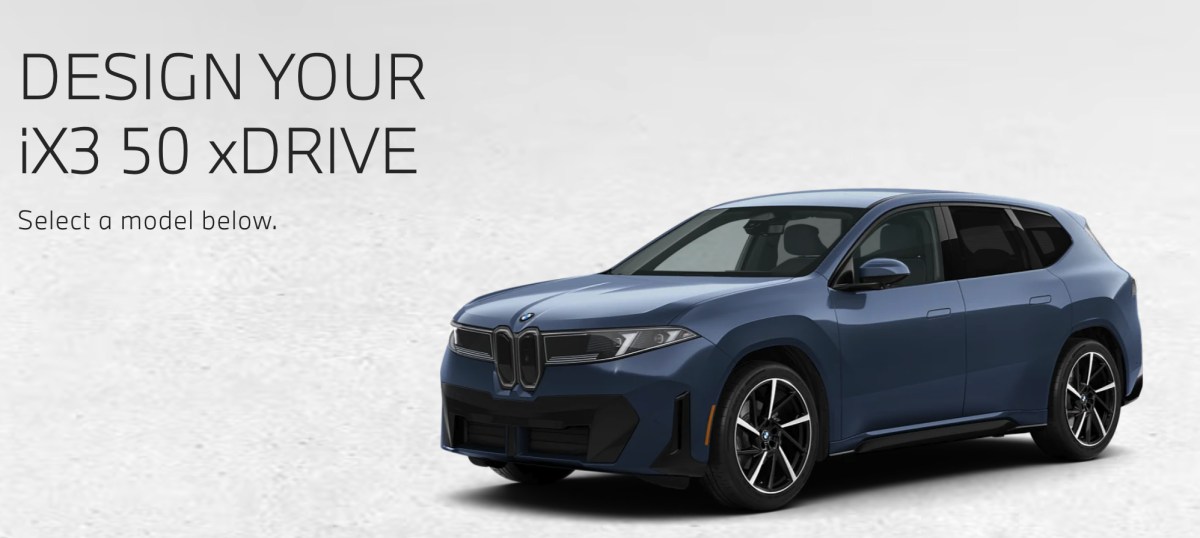
I appreciate the ambition behind the idea, but I cannot help but wonder if we are solving a problem that never actually existed. Ticking option boxes on a screen was never an exhausting chore - for enthusiasts, it was the entire point of the exercise. BMW frames this rollout as a necessary adaptation to meet a massive structural shift in how the global public searches for information online.
The company correctly points out that dialogue-based generative systems are steadily replacing traditional search engines and website layouts, making them the first car manufacturer to build a direct advice channel within this specific AI architecture. It is an absolute coup for their digital marketing department, but the practical reality of translating the highly visual, emotional experience of customizing a premium automobile into a text message thread feels a bit like reading a technical spec sheet to appreciate a beautiful paint job.
To understand why BMW is leaping so aggressively into the conversational AI space, you have to look back at their historical relationship with digital user interfaces. The company has never been afraid to alienate traditionalists in the name of technical progress, a trait most famously illustrated by the introduction of the original rotary iDrive controller in the early 2000s, which drew massive media ire before eventually setting the global standard for cabin ergonomics.
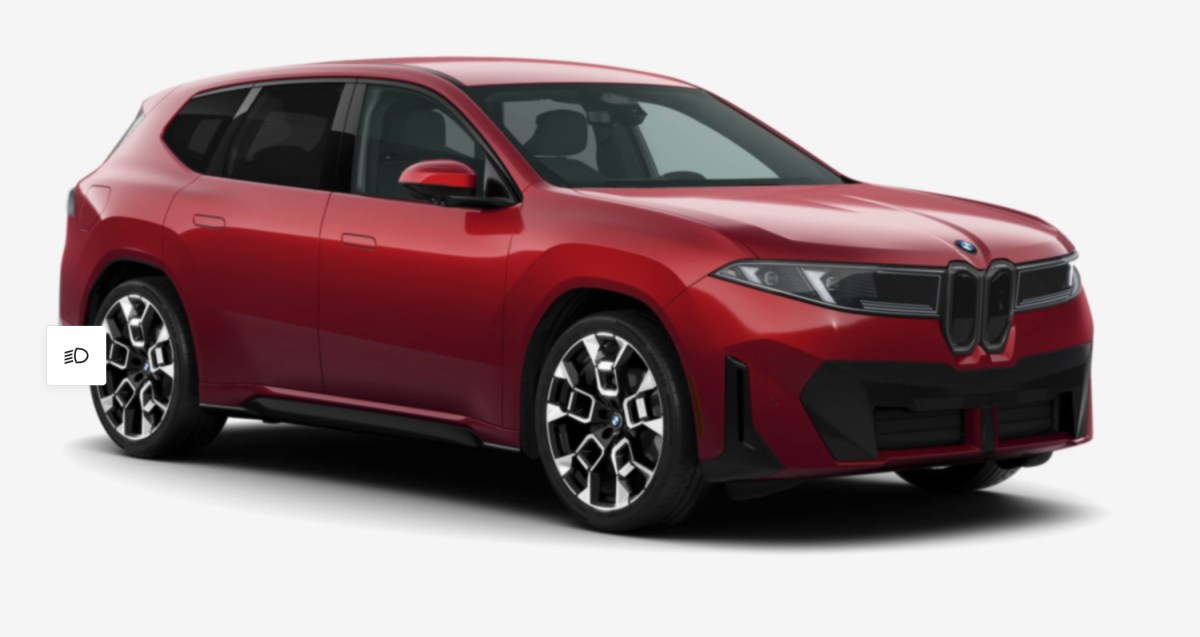
More recently, the brand has transitioned away from niche, experimental carbon-fiber oddities to a very successful family of mainstream electric vehicles like the i4 sedan, the new iX3 crossover and its sedan sibling i3, or the heavy-set iX. As global EV adoption rates go through a fairly complex stabilization phase, capturing tech-savvy buyers through novel digital storefronts has become a core element of BMW's global market strategy.
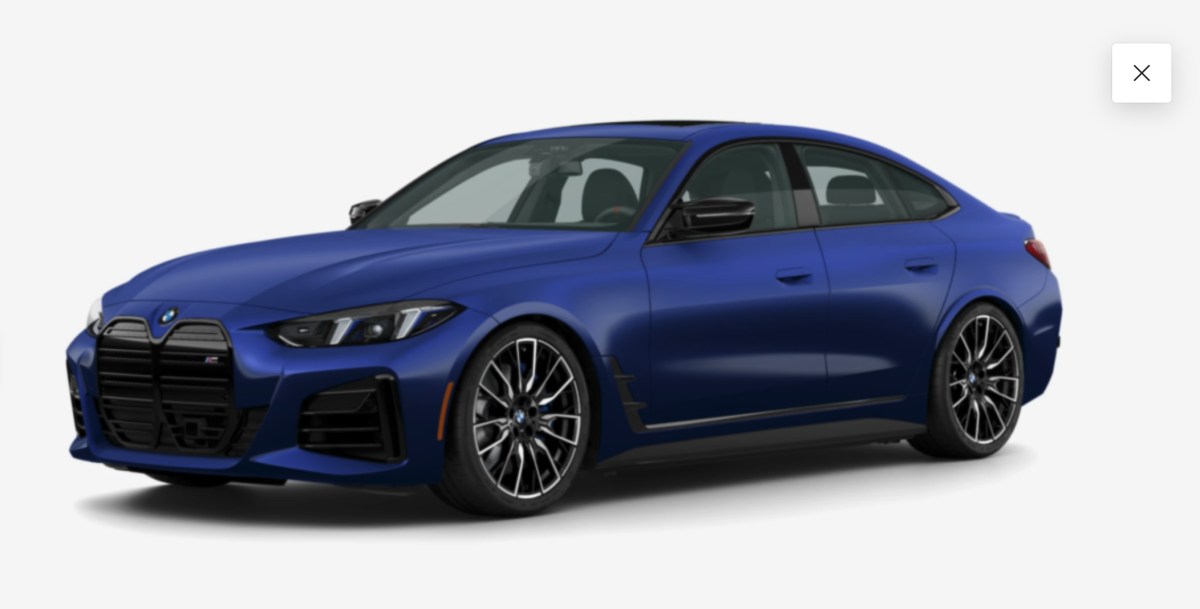
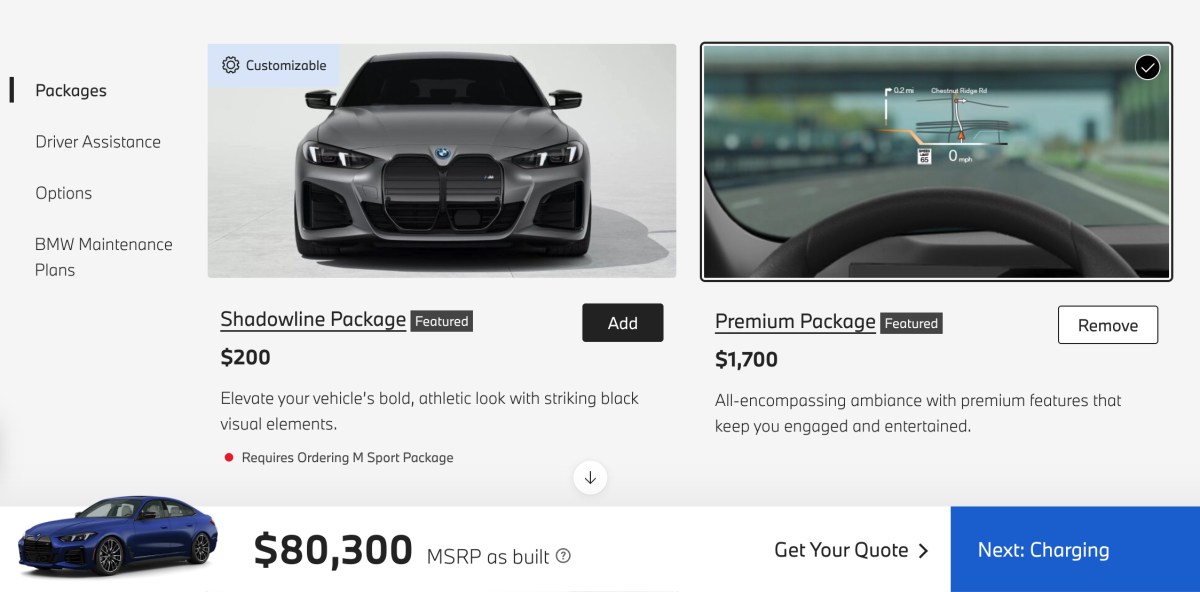
When you put the ChatGPT plugin to work on a concrete example - say, configuring a mid-sized premium electric sedan like the popular BMW i4 - the tool reveals the exact financial realities of the EV market. The i4 is a beautifully engineered machine, but because it shares a legacy architecture with combustion-engine models, it inherits some of their dimensional constraints. It has an overall length of 188.3 inches, a width of 72.9 inches, and a height of 57 inches. It weighs 4,685 lb, and with a starting price tag around $57,000, it feels like BMW wants its weight in gold.
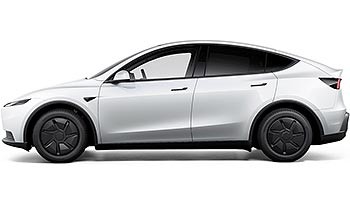
The AI tool allows you to easily compare it against its most prominent global arch-rival, the Tesla Model 3. The American benchmark cuts a slightly more compact shadow on the tarmac with a length of 185.8 inches, a width of 72.8 inches, and a height of 56.7 inches. Crucially, the Tesla is built on a dedicated electric platform that keeps its weight down to a range of 3,552 lb to 4,048 lb, depending on the battery capacity, and it undercuts the German rival with a starting price closer to $42,000.
I can push the chatbot a bit more to evaluate another direct European competitor like the Polestar 2. The Swedish-designed fastback is quite a bit shorter than the BMW, measuring 181.3 inches from bumper to bumper, though it stands a bit taller at 58.2 inches and spreads out to a width of 73.2 inches. The Polestar tips the scales at approximately 4,277 lb to 4,647 lb and has a fairly competitive pricing structure that floats around $51,000 for its long-range variants.
Having an AI dissect these granular differences via text impresses from a technical standpoint, and because the plugin pulls directly from authentic factory databases, it ensures the user will not receive an imagined trim level or a fabricated pricing structure. If the database cannot resolve a highly niche query, the system can switch to live web browsing to get external information, assuming the user has enabled those permissions.
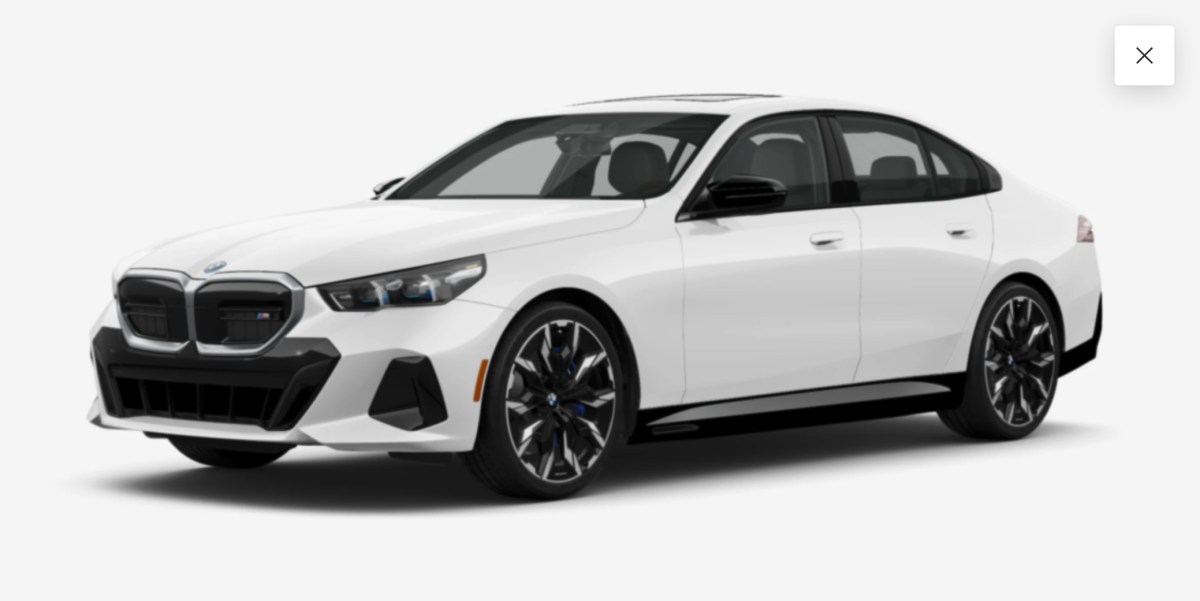
One of the most genuinely useful attributes of this integration is its ability to instantly transition from an abstract text concept to a tangible machine sitting on asphalt. Once the AI helps you finalize the perfect specification, it generates a direct, clickable link that opens the official web-based configurator with your choices pre-loaded. It also scans real-time dealership inventories for identical or similar configurations. If a matching car is already built and waiting on a local lot, you can theoretically bypass the factory production queue entirely.
Unfortunately, the execution during the rollout has not been completely seamless. Early real-world testing exposed technical bugs, with multiple users reporting that the ChatGPT interface completely failed to locate or load the brand's custom plugin on both desktop browsers and mobile operating systems, proving that even the most forward-thinking digital pivots are prone to early software stumbles. By the end of my test, the plugin disappeared entirely from the ChatGPT website, suggesting it was a bit of a premature celebration.
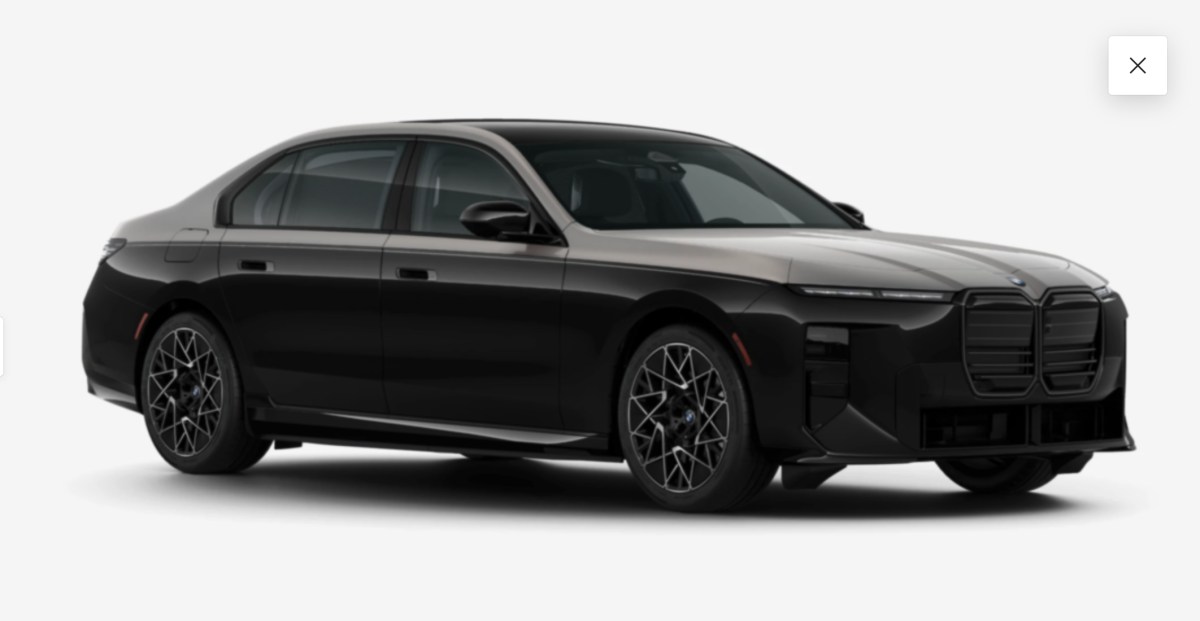
I agree, the value of this conversational advisor depends entirely on what kind of buyer you are. If you are an automotive purist who treats the configuration process as a sacred, intensely visual experience where you need to see exactly how a specific metallic paint option reflects light against a particular wheel design, this text-based middleman will feel unnecessary. You will likely skip the chatbot completely and head straight to the standard website.
But on the other hand, for a casual consumer who is overwhelmed by the complexity of modern automotive option sheets, standalone packages, and conflicting drivetrain combinations, a friendly dialogue that narrows down dozens of options into a single, simple recommendation is a godsend.
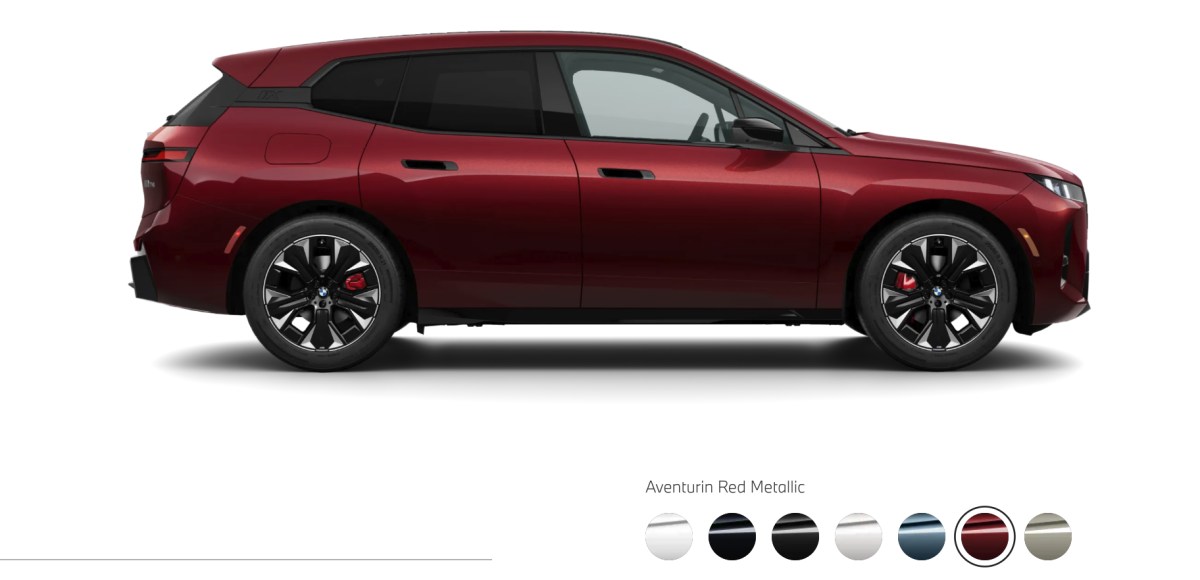
I don't think this "bot" is a permanent replacement for the classic online car builder - at least I hope it isn't. Rather, it is a glimpse into the future of retail that we cannot escape. We are moving fast toward a world where consumers want instant, tailored answers to complex questions without having to go through dense drop-down lists.
BMW's decision to plant their flag inside OpenAI's ecosystem is a shrewd play for the next generation of car buyers, even if the software needs some fine-tuning to iron out the early bugs. For now, I will keep typing prompts to see how it handles my unrealistic vehicle specifications, but I'm pretty sure my late-night clicking habits are safe for a little bit longer.
Related



Reader comments
Nothing yet. Be the first to comment.