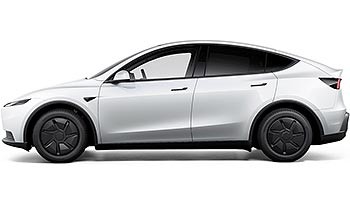
Dish on the roof, nowhere to go: Tesla reveals Starlink-equipped Cybercab
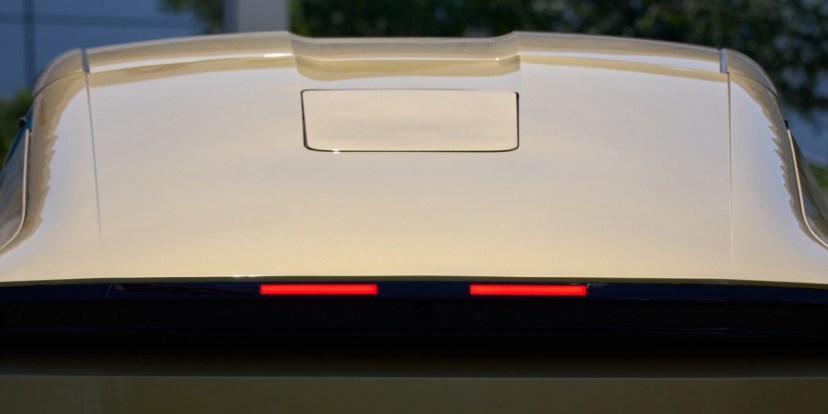
Standing under the blazing Austin sun outside Gigafactory Texas, a gold-painted Tesla Cybercab caught my eye in a set of newly released photos, its butterfly door propped skyward beside the Lone Star flag. At first glance, it looks like a sleek, futuristically minimalist coupe - until you glance at the roof panel and notice a flat, low-profile Starlink antenna neatly blended into the bodywork.
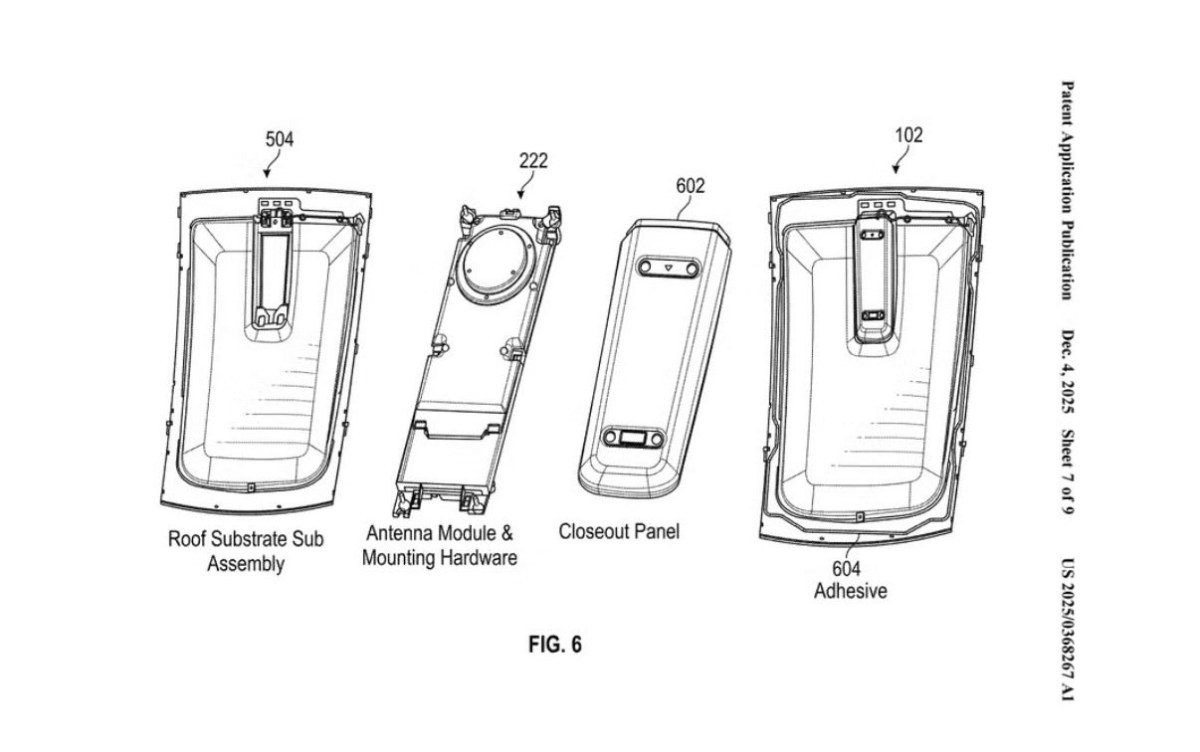
It is the real-world version of a cutaway diagram Tesla teased a month ago, CAD drawings transformed into metal-and-silicon reality. Yet, as a car nut who spends way too much time thinking about vehicle architecture and systems integration, I find myself looking at this gold-hued Cybercab and asking one simple question: why?
When Elon Musk revealed the Cybercab in late 2024, the pitch was simple - a bare-knuckle, two-seat autonomous shuttle built without a steering wheel, pedals, or rear window, engineered to hit a razor-thin price target of $30,000. Fast forward to today, and Giga Texas has already produced over 100 units sitting in staging lots, waiting for regulatory blessing.
Tesla's official robotaxi social account has posted shots of this satellite-equipped build with the caption: "First Cybercab with @Starlink integration." No technical specifications, no rollout timeline, and no functional explanation was provided.
First Cybercab with @Starlink integration pic.twitter.com/8TI6LYSFjl
— Tesla Robotaxi (@robotaxi) August 10, 2026
Here is where the technical paradox turns almost comical. The Cybercab doesn't rely on a cloud server to navigate through city streets or keep from nudging a tree stump. The processing is handled locally on the vehicle's onboard AI4 computer chip, running trained neural networks directly on the iron - the car already has all the brainpower it needs without an active internet feed to make driving decisions.
To make this even stranger, consider where these autonomous taxis are actually going to work. Tesla's early commercial fleet operations are focused on dense urban centers - cities like Austin, Houston, Dallas, and Miami. In those concrete jungles, cellular networks are practically overflowing with bandwidth.
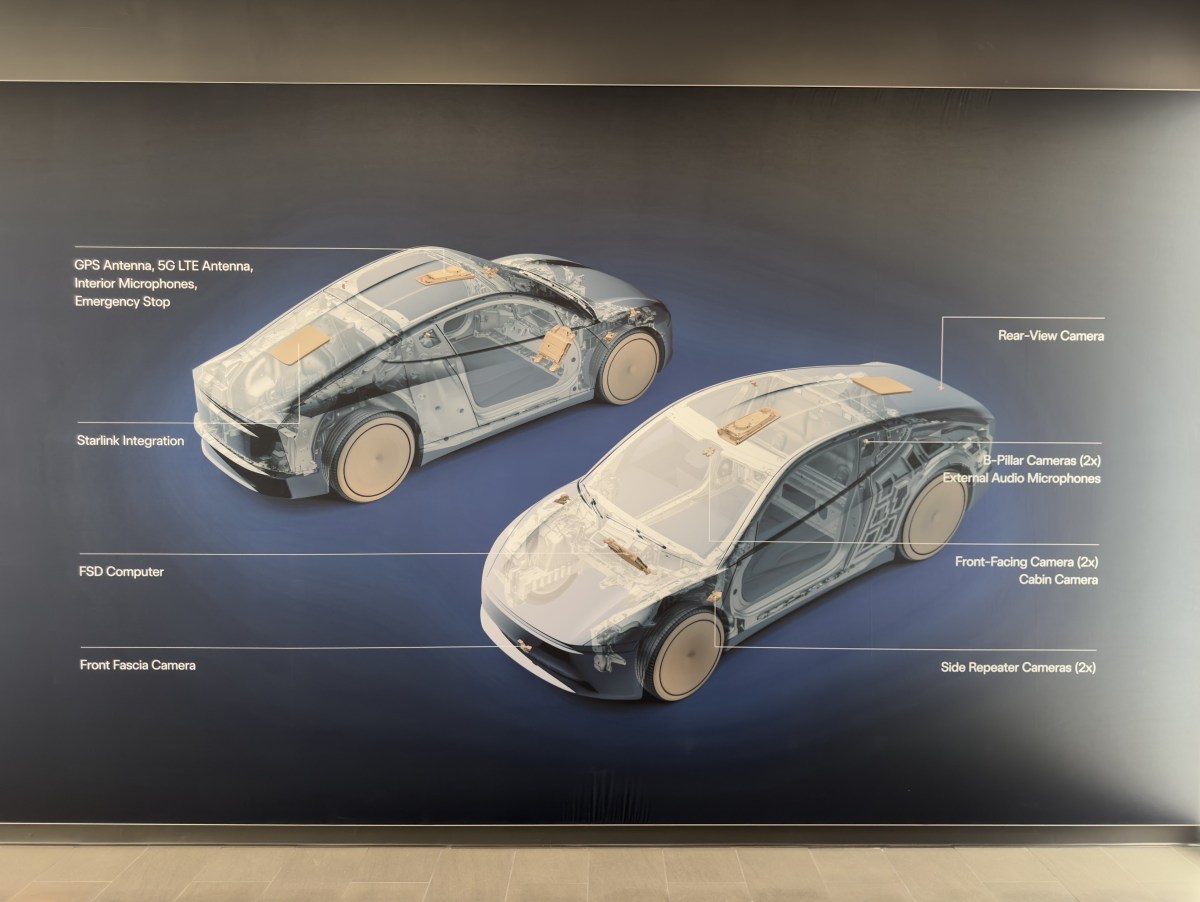
Cellular networks can easily cover remote telemetry, fleet dispatch, and emergency support calls, rendering a satellite receiver about as useful in downtown Miami as de-icer. Satellite connectivity is brilliant when you are overlanding through remote mountain passes, but in the middle of Texas rush-hour traffic, cellular coverage reigns supreme.
Tesla succeeded in designing a compact, lightweight aerodynamic shell, which makes bolting redundant hardware onto its roof feel entirely counter to the vehicle's engineering ethos. In the brutal world of automotive mass production, every single gram of mass, every fraction of aerodynamic drag, and every cent of manufacturing cost is scrutinized with extreme discipline. A satellite dish adds weight, manufacturing complexity, and a mandatory recurring data subscription bill to a vehicle designed from scratch to cost just $30,000.
I spotted this one in Dallas today with what I’m assuming is a cutout for Starlink. @butala_aryan Is this possibly the “New Process” sticker you spotted? pic.twitter.com/yyAnt0YAP0
— Chris Deardurff (@cddeardurff) August 8, 2026
When an automaker does its best to shave pennies off wiring harnesses to keep profit margins healthy, adding satellite hardware feels less like hyper-efficient automotive engineering and more like an exercise in corporate cross-pollination.
But it all aligns with a pattern we've watched unfold across the Tesla empire over the past year. Musk has been increasingly blending Tesla's capital resources with his parallel ventures - be it through massive investments in xAI or constant chatter about SpaceX merger. Putting a Starlink terminal on every Cybercab generates a guaranteed, recurring revenue stream for SpaceX, regardless of which corporate body holds the keys to the robotaxi fleet.
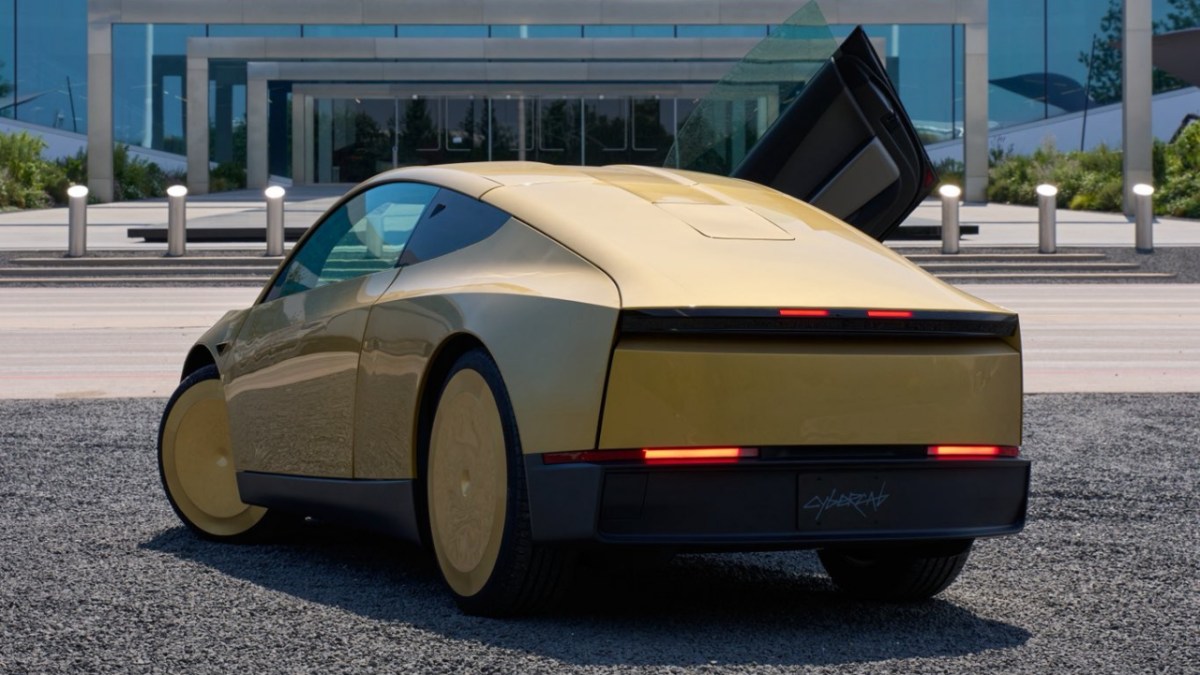
Perhaps down the line - years from now - when robotaxis can offer long-distance intercity transits across desolate desert highways, direct satellite telemetry will prove its worth. But right now, with Tesla still navigating the regulatory maze to run these driverless pods without human monitors sitting in the background, the Starlink dish feels like shiny automotive theater. It's a solution in search of a problem, wrapped in a gleaming gold package.
As an enthusiast who loves clever engineering, I can appreciate the tidy integration of the hardware - it looks miles better than a chunky roof rack. But as someone watching the EV industry fight tooth and nail for profitability, I see a two-seater carrying extra weight for a feature it has no use for. Tesla has built an amazing machine, but until those wheels start turning without a human nanny, that satellite dish is only a very expensive Christmas tree decoration.
Related
Reader comments
Nothing yet. Be the first to comment.