2026 MINI John Cooper Works Aceman e real-life range test with 19-inch wheels and summer tires
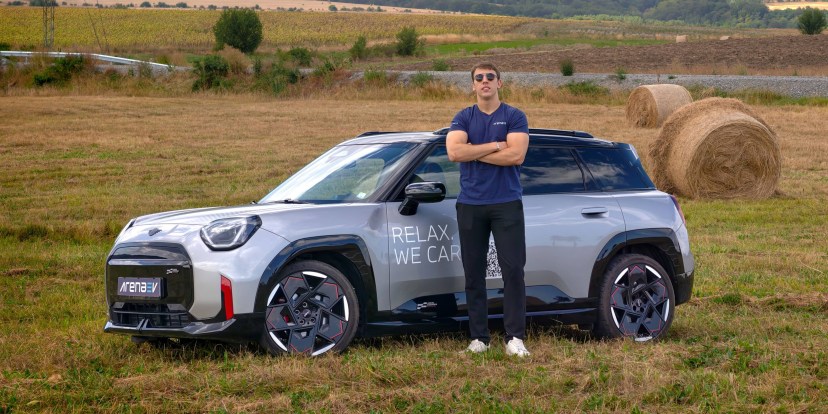
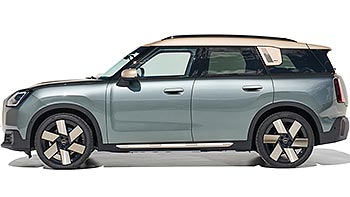
MINI is one of the most recognizable automotive brands in pop culture, even among people with little interest in cars. Today, we are testing one of its new additions, the MINI Aceman JCW e, a compact crossover positioned below the Countryman while offering more space and versatility than the traditional MINI Cooper.
The Aceman is MINI’s first model available exclusively with electric powertrains. Ours comes in the range-topping JCW e specification. It is the most powerful version available, although that extra performance comes at the expense of some range compared with the Aceman SE, which utilizes the same battery pack. There is no AWD option either, which helps efficiency but slightly limits versatility.
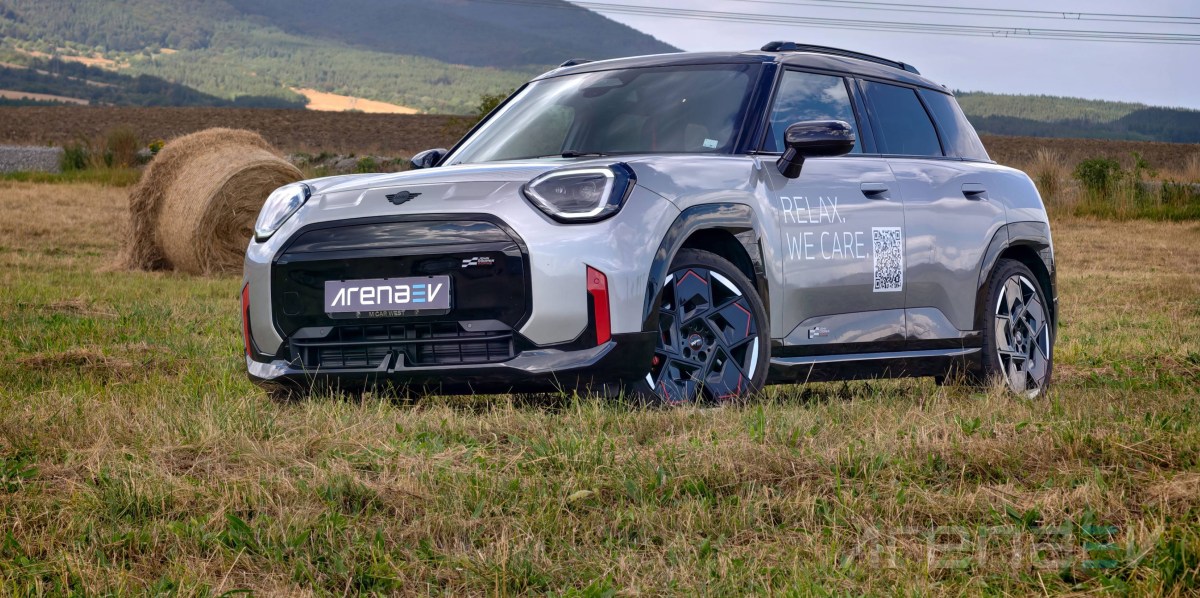
With a relatively modest 54.2 kWh battery, of which 49.2 kWh is usable, we are not expecting record-breaking range figures. Previous MINI models we have tested, however, have compensated for smaller batteries with excellent efficiency, so the Aceman may still have a few surprises in store.
Our full review of the MINI Aceman JCW e is coming soon. For now, we are focusing entirely on range and efficiency to see how far this compact crossover can really go.
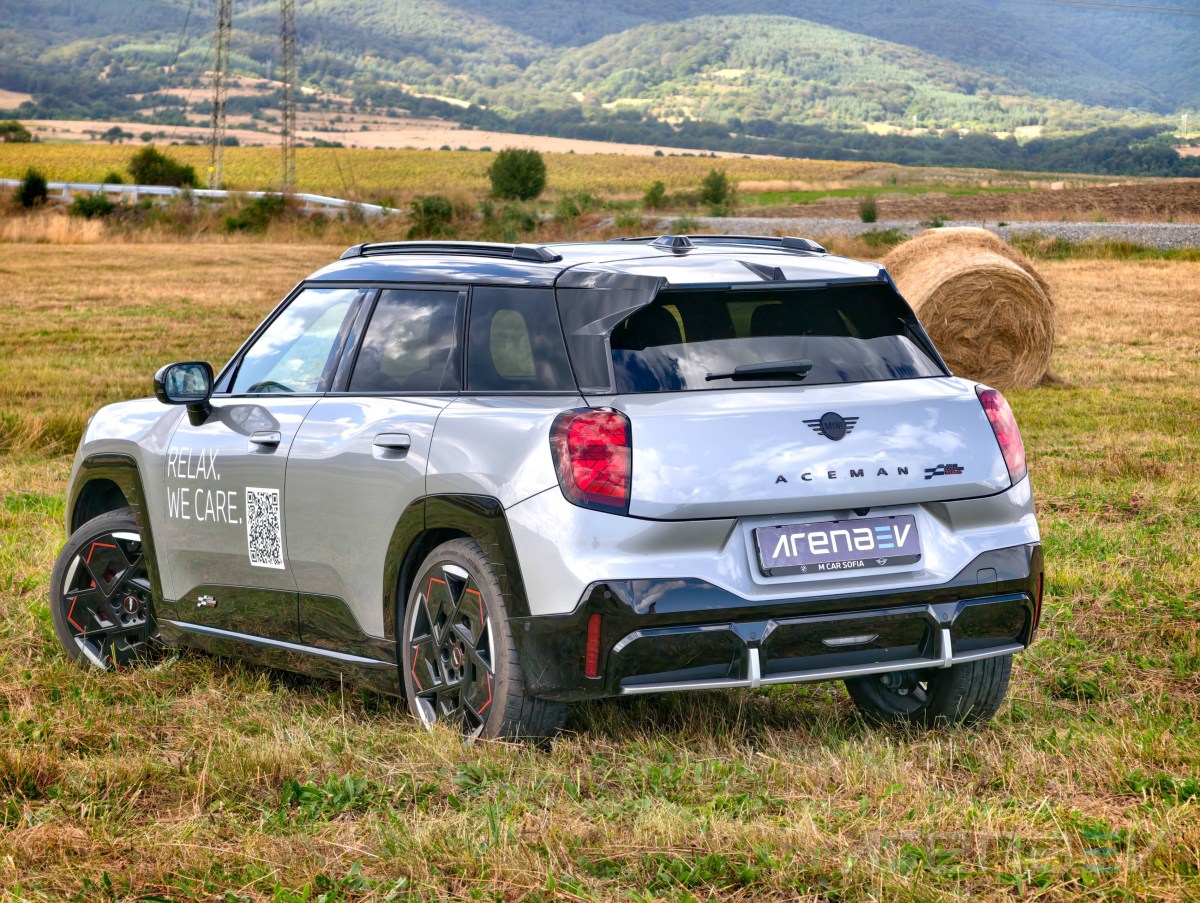
Based on the values we get in the testing, we are able to provide a real world range widget. You can use it to simulate a wide variety of conditions and adapt the values to your liking in order to check out how the car will perform in different scenarios. You can find it at the end of the article.
We drove our usual test routes, doing the same track both ways at constant speeds at the same place as with every other car we test. The ambient temperature while testing the 2026 MINI Aceman JCW e was 70°F, which is the perfect weather to perform such testing, giving the MINI a slight boost in its overall score.
At our lowest test speed of 37 mph, the Aceman JCW e immediately confirms what we have seen from other MINI EVs, delivering excellent efficiency.
Range test results
- 37 mph
- 56 mph
- 81 mph
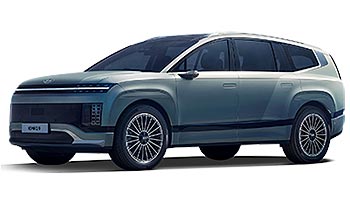
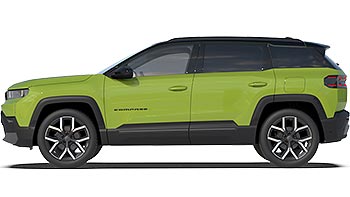 Jeep Compass FWD
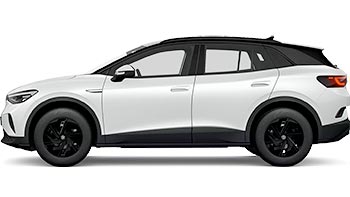
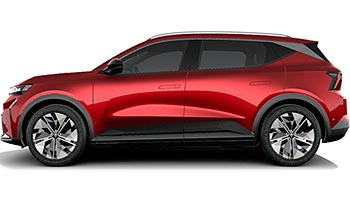
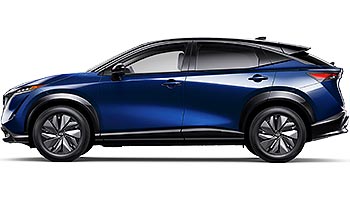
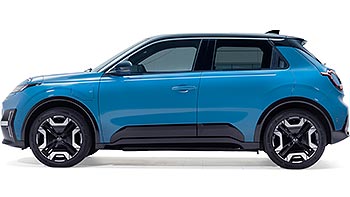
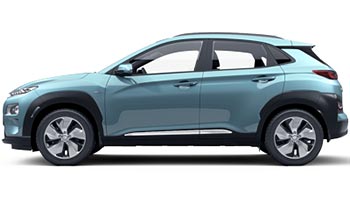
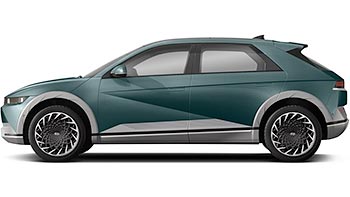
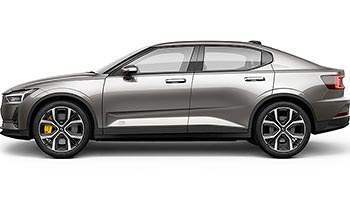
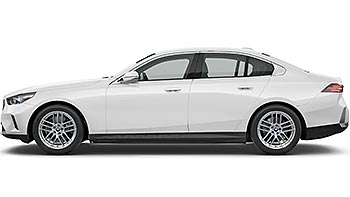
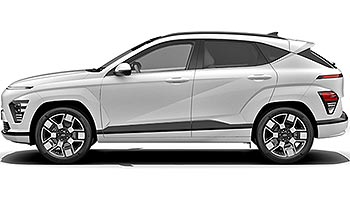 Hyundai Kona Electric 65.4kWh
 Renault Megane E-Tech EV60
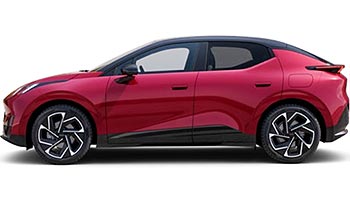 Lynk & Co 02
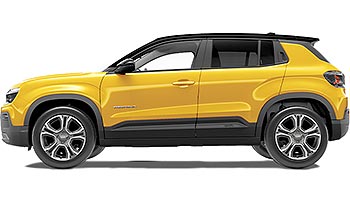 Jeep Avenger
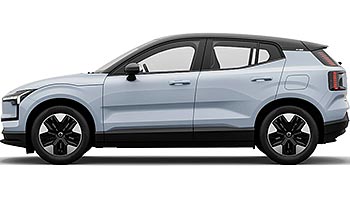
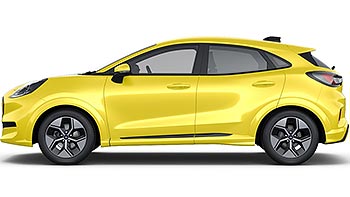
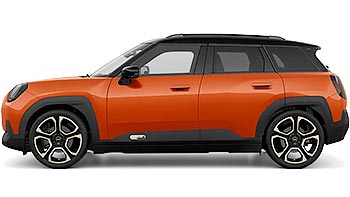 Mini Aceman JCW e
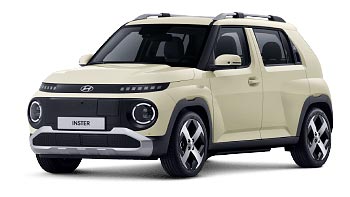
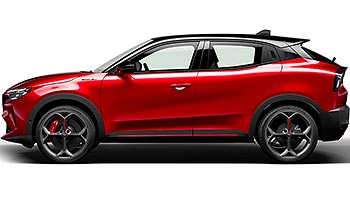 Alfa Romeo Junior Elettrica Veloce
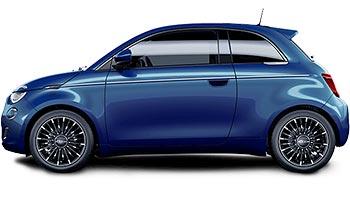
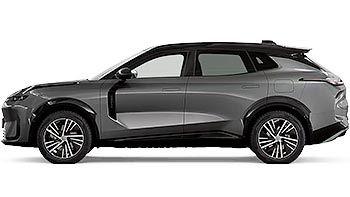
Increasing the speed to 56 mph barely affects consumption, further highlighting the efficiency of the drivetrain. The theoretical range at this speed closely matches the official WLTP figure, which is generally what we see from most EVs under similar conditions.
At 81 mph, consumption rises considerably, as expected from a crossover with a taller body. The resulting range makes it clear that the Aceman is much happier around town than crossing countries on the highway.
In terms of outright consumption, the MINI Aceman JCW e ranks among the most efficient models in its segment. The problem is that many rivals pair slightly worse efficiency with considerably larger batteries, resulting in much longer driving ranges. Relatively slow charging does little to compensate for that disadvantage.
Ultimately, the Aceman feels more like a stylish urban accessory than a genuinely versatile electric crossover. Owners with reliable home charging are unlikely to struggle with its smaller battery, but those dependent on public infrastructure will spend considerably more time planning and charging.
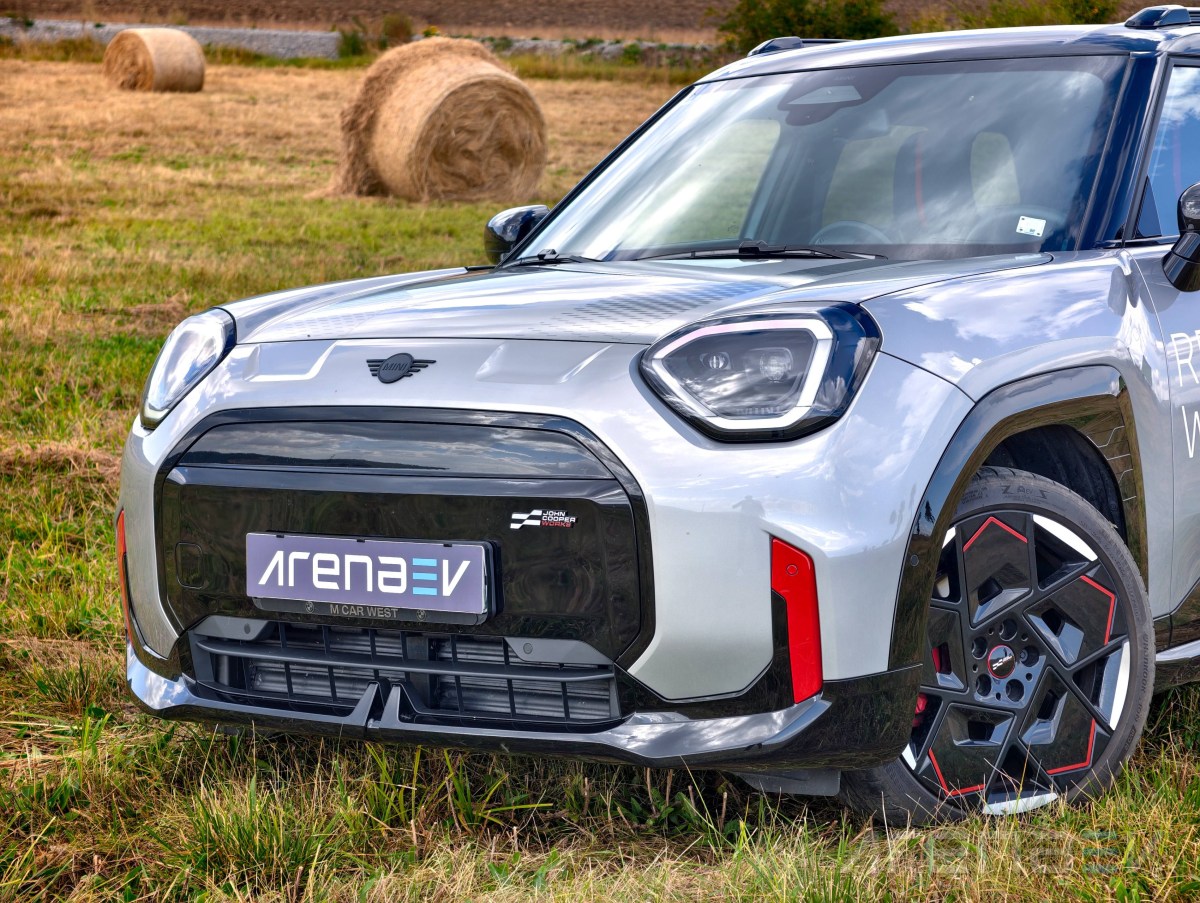
That becomes particularly difficult to ignore given the competition. The Aceman enters one of the busiest segments on the market, where numerous rivals offer greater range at significantly lower prices without making obvious sacrifices elsewhere.
You can use the widget below to find out the 2026 MINI Aceman JCW e’s range in every combination of speed and temperature you might need. We've used our real world tests and a complex model to provide an estimate that should be as close to the actual performance as possible.
Related



Reader comments
Nothing yet. Be the first to comment.