BYD Yangwang Altior debuts at $311,500 as China challenges Rolls-Royce and Maybach
When it comes to proper luxury cars, that badge on a hood usually does half the work before you even open the door. When you are buying a Rolls-Royce or a Mercedes-Maybach, you are paying for a century of social agreement that says this object is special. The global car industry used to operate for decades on a simple (unspoken) rule - Western Europe builds the ultra-luxury flagships for heads of state and billionaires, and Asian manufacturers stick to high-volume commuters or sensible SUVs. That old industry comfort blanket is looking increasingly thin and worn out now, because BYD pulled the covers off a ($311,500) ultra-luxury flagship that does not care a slightest bit about European heritage.
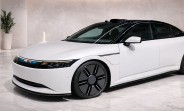
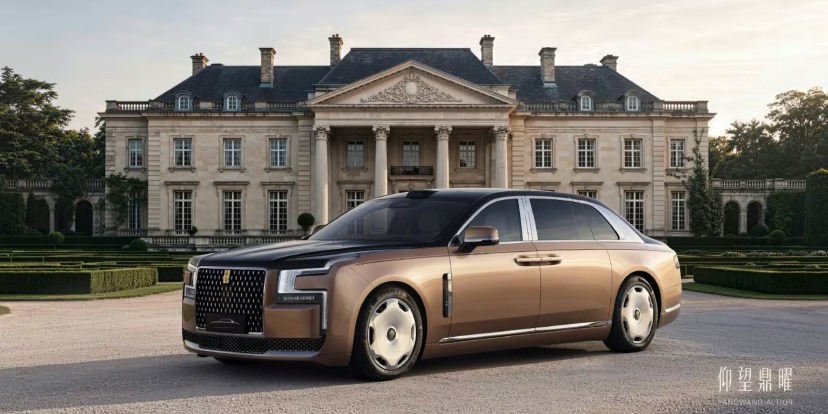
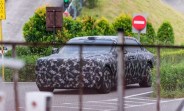
Known internationally as the Yangwang Altior - with Chinese name Dingyao - this new four-door executive saloon is a definition of a corporate ambition. Nobody looks at a $311,500 price tag on a BYD product without raising an eyebrow (or two), especially when the brand made its name selling affordable electric hatchbacks and taxi fleets. BYD sells its own top-trim Da Tang SUV at home for RMB 309,900 ($46,415), making the RMB 300,000 ($45,000) reservation deposit to get on the list for the Altior roughly the same as a brand-new family seven-seater. The first Altior units are the four-seat Shanhe Dingyun Limited Edition, capped at 399 units globally, with a slightly more conventional five-seat variant to follow later on.
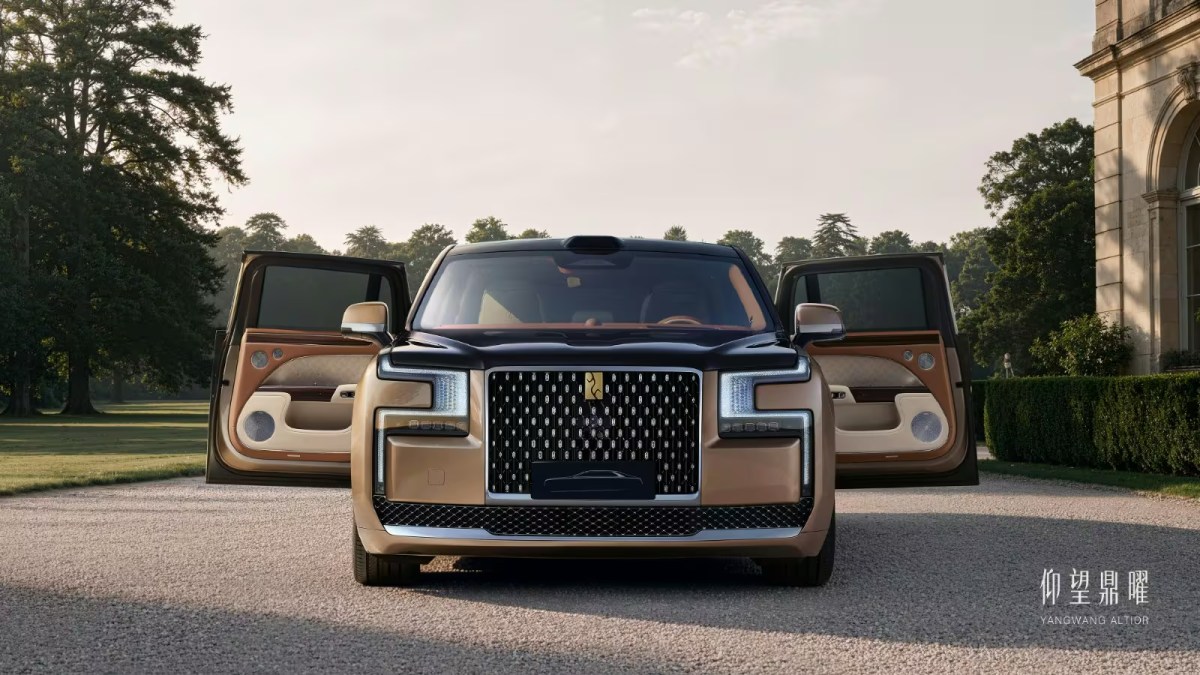
The Altior stretches an immense 220.5 inches from bumper to bumper, stands 62.6 inches tall, spans 79.9 inches wide, and rides on a 137.8 inches wheelbase. Park it next to a first-generation Rolls-Royce Ghost at 212.6 inches long (the second-generation Ghost is 218.3 inches long) and the Chinese newcomer makes the British aristocrat look surprisingly compact. It also easily clears the Mercedes-Maybach S-Class (215.3 inches in length), and completely dwarfs the 209.3 inches Bentley Flying Spur. Even against its domestic tech rival, the Huawei-backed Maextro S800 (215.7 inches long with a 132.7 inches wheelbase), the Altior claims an extra 4.72 inches of overall length and 5.1 inches between the axles.
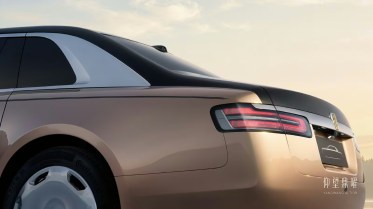
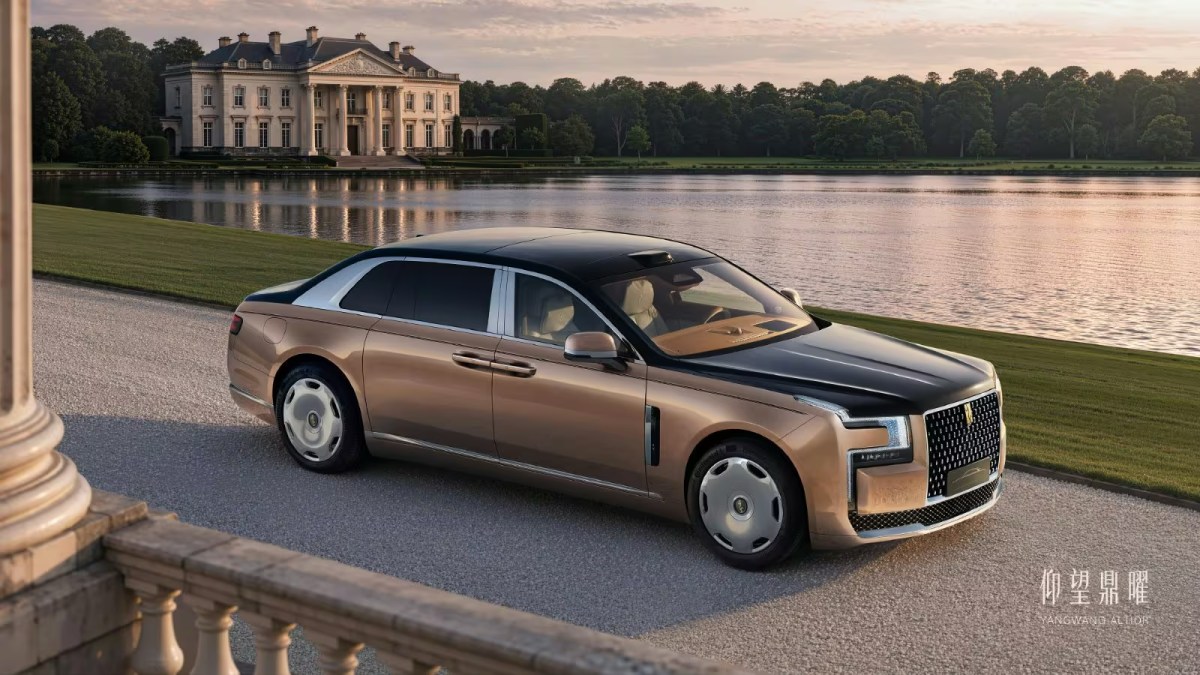
According to Yangwang Sales Division General Manager Hu Xiaoqing, the design team spent three years burning through more than 100 front-end proposals before locking in the final shape. The result leans heavily into traditional Chinese cultural motifs rather than copying European minimalism. Up front, the fascia draws inspiration from an ancient Chinese Ding ritual bronze vessel, framing a grille packed with no less than 137 gemstone-cut elements and flanked by diamond-cut crystal headlights. A 15.7 ft hand-painted dual coachline runs along the shoulder over two-tone brown and gold paintwork, and the nose badge is cast from 24K pure gold.
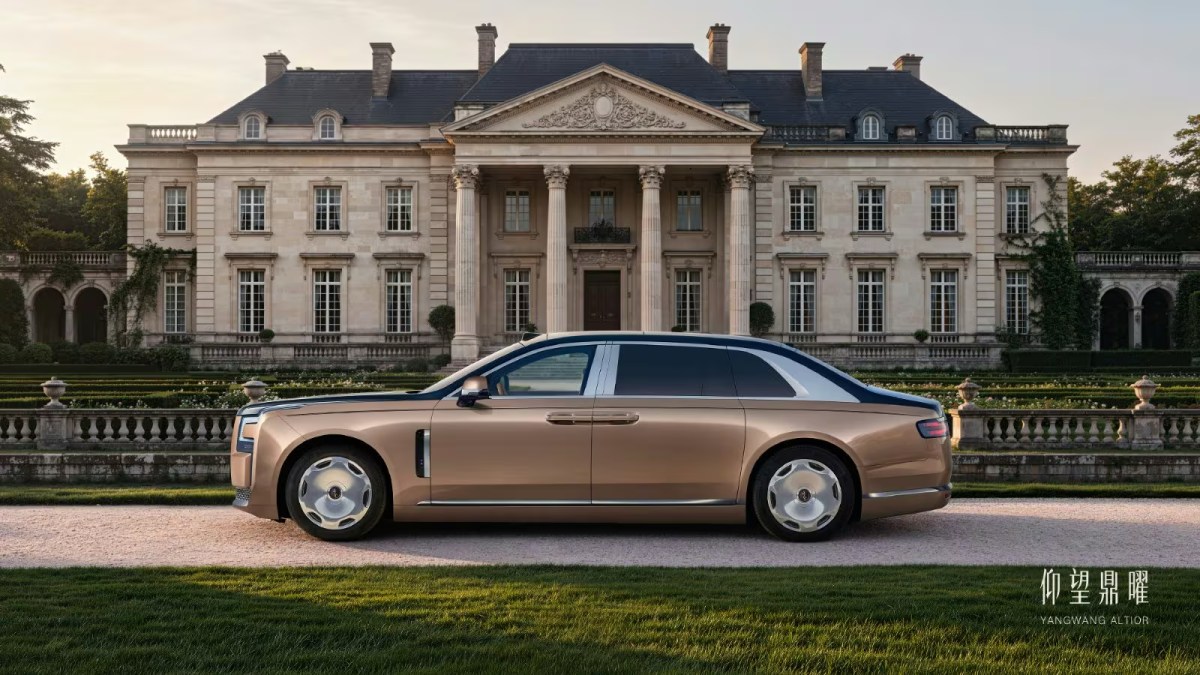
Instead of fitting cartoonishly oversized rims with rubber-band tires that ruin the ride over expansion joints, Yangwang fitted sensible 21-inch polished monoblock dish wheels with floating center caps (of course), wrapped in generous 275/45 R21 Continental PremiumContact C tires. That extra sidewall is worth its weight in gold when your whole mission is isolating VIPs from road imperfections.
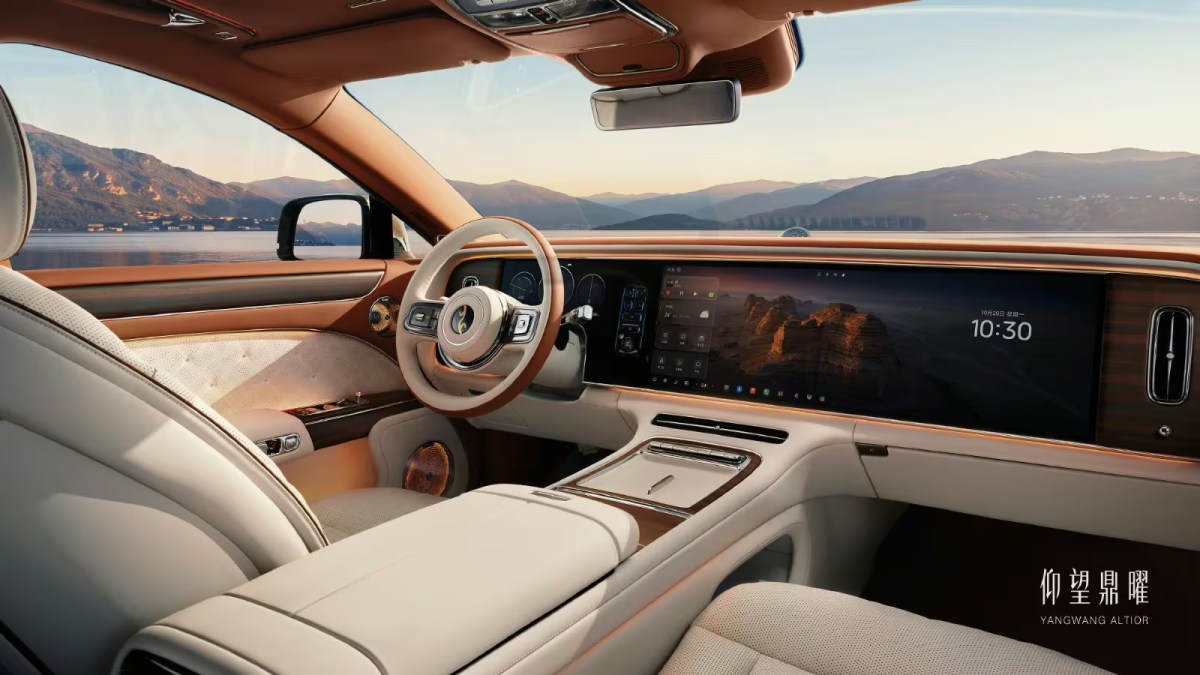
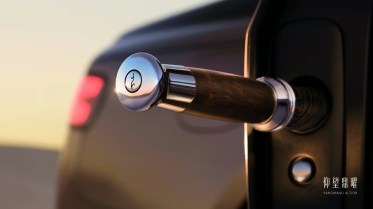
Getting inside is pure theater - front doors swing out to 80 degrees and rear-hinged coach doors open to a full 90 degrees, complete with built-in umbrella storage (is that another Chinese cultural influence or is it something more familiar?) and structural aramid fiber reinforcement. The natural lamb's wool floor mats complement the Shanhe Dingyun edition with its brown rock and white jade color palette. The material specification is a luxury catalog gone slightly overboard - semi-aniline full-grain leather, real wood trim, Hetian jade decorations on the air vents, 60-facet diamond-cut crystal rotary dials, and gold grilles covering a 39-speaker Dynaudio Platinum Evidence sound system.
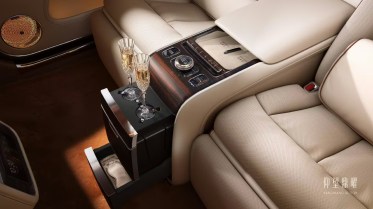
At the touch of a button, the front passenger seat folds completely flat, giving the boss in the right-rear zero-gravity recliner an unobstructed view, with a four-head mechanical massage working their shoulders. Between the two rear seats is a fixed executive island hiding a fold-out work table, motorized champagne flute holders, and twin 0.194 ft³ refrigerators with independent temperature zones. There's a 21.4-inch folding ceiling screen and electric privacy shades throughout.
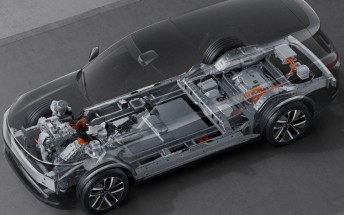
Traditional luxury brands are hell-bent on mechanical craftsmanship, usually in the form of a hand-built V12 engine, but Chinese automakers view luxury through the lens of high-voltage and software control. The Altior sits on BYD's e4 platform, with an independent electric motor at each of the four wheels. In daily driving, quad-motor torque vectoring means a car of this size can pivot through tight city corners or perform an in-place "tank turn" and crab-walk into a tight hotel valet spot.
The car uses BYD's DiSus active suspension paired with road-surface preview cameras - they scan the road ahead and adjust damper rates in milliseconds, suppressing body pitch under braking and filtering out mid-corner roll before it ever reaches the cabin. BYD claims the four-motor setup can keep the car tracking dead straight during a high-speed tire blowout, and the car can even float in deep floodwater - a party trick inherited from the Yangwang U8 SUV.
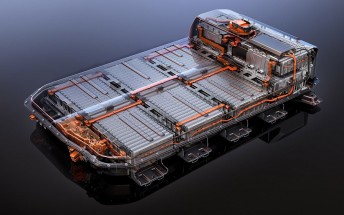
There is some initial ambiguity around whether a plug-in hybrid variant might join the range like it did on the smaller Yangwang U7 sedan, but the flagship architecture detailed in Abu Dhabi is a serious high-voltage showcase. It uses BYD's second-generation Blade Battery built on a 1,000V electrical architecture capable of megawatt-level flash charging. In practical terms, if you can find a powerful enough charger, the battery can sprint from 10% to 70% state of charge in less than five minutes.
Total driving range exceeds 620 miles on China's rather optimistic CLTC testing cycle, which translates to a still impressive 497 miles to 510 miles under the more realistic European WLTP standard. Up on the roof is a LiDAR sensor feeding data into BYD's next-generation God's Eye driver-assistance suite, powered by an in-house 4nm Xuanji A3 chip. With BYD already teasing a three-chip setup exceeding 2,100 TOPS of computing power for its flagship hardware, the Altior is ready for full point-to-point urban and highway navigation from one parking space to another.
Choosing Abu Dhabi for the world premiere was a calculated business move - working alongside local UAE distributor Al-Futtaim, BYD has turned the Emirates into a high-speed proving ground and a showroom for buyers with very deep pockets and zero brand snobbery. The Yangwang U9 Xtreme electric supercar clocked 312.65 mph on a closed stretch of Abu Dhabi's E11 motorway only days ago, proving that BYD's engineering division is in a different league. Middle Eastern luxury buyers are famously receptive to brash, tech-heavy statement vehicles, making the region the perfect launchpad before taking on more conservative markets.
But let's keep our feet on the ground for a minute when looking at the reality of a $311,500 Chinese luxo barge. Building a halo car is one thing, and sustaining volume at the top of the market is another entirely. Across the first 10 months of 2026, Yangwang's total sales across its U7 sedan, U8 and U8L SUVs, and U9 supercar stood at a modest 3,546 vehicles. Dig into the domestic figures from the first nine months of 2026 - 3,251 units, up 38.9% year on year - and you see that September deliveries actually dipped to 377 cars, a drop of 14.7% from August and 46.9% down compared to September last year. Selling multi-hundred-thousand-dollar cars is a tough game even in a patriotic domestic market, and BYD has not yet committed to a firm delivery date for the Altior.
I think what really matters here is the psychological shift happening across the global car industry. Western buyers and executives assumed that Chinese cars would only ever compete by undercutting European prices by 30% to 40%. The Yangwang Altior throws that assumption straight out the window. Genuine craftsmanship (hand-painted coachlines, Hetian jade, and deep-pile wool) combined with battery and suspension technology (that legacy European brands simply cannot match right now) is a declaration that "Made in China" belongs in the highest price bracket on earth. Will a wealthy buyer in Dubai or Shanghai choose the Altior over a Ghost or a Maybach? It's all down to badge prestige in the end, but when it comes to pure engineering and cabin opulence - Europe's oldest luxury houses no longer have the top shelf to themselves.
Related


Reader comments
Nothing yet. Be the first to comment.