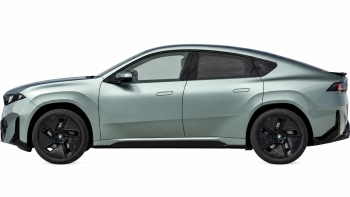
Polestar 4 OTA P4.3.0 update brings Android 15, V2L, and something that should have been there on day one
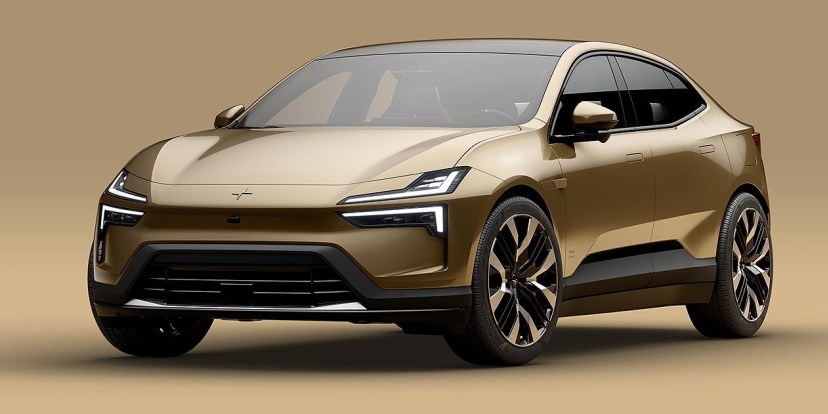
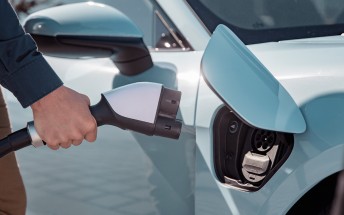
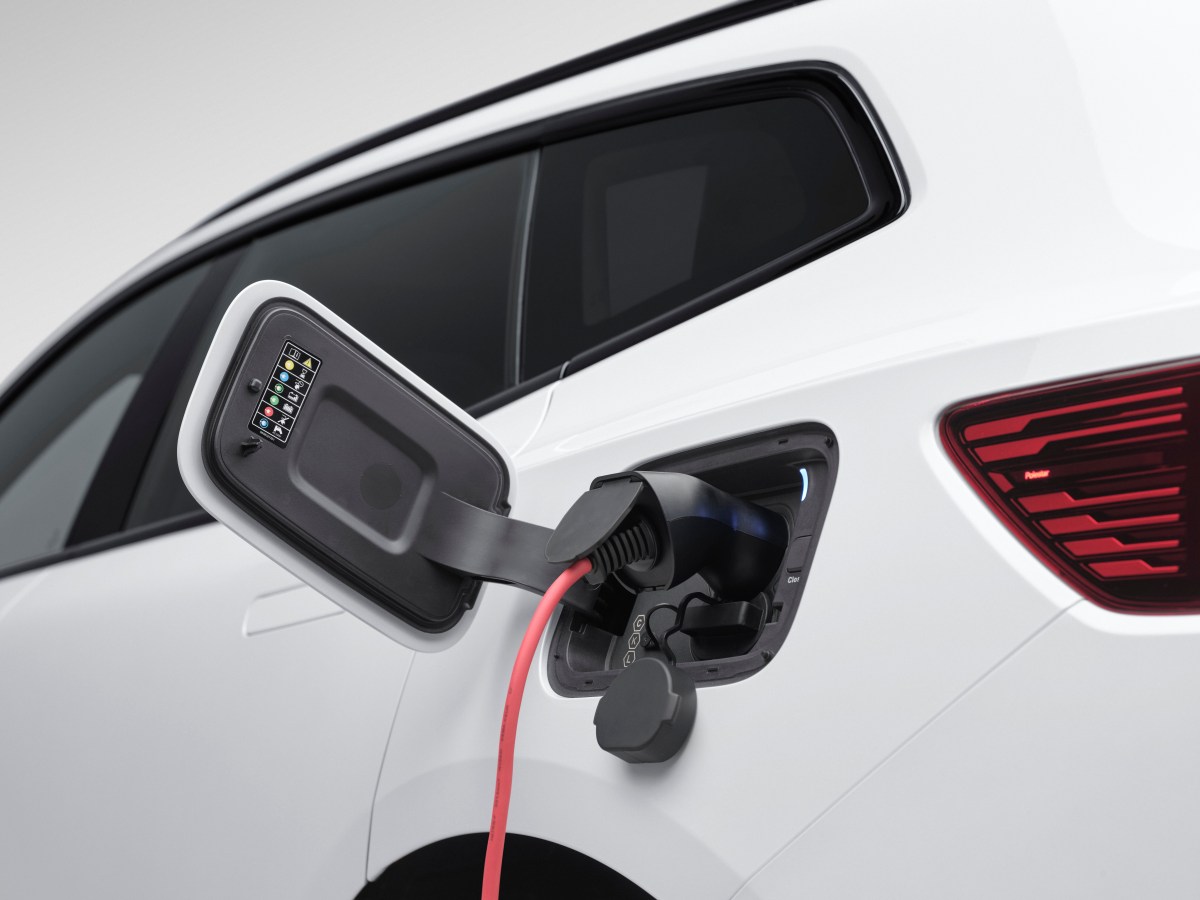
Polestar pushed out software version P4.3.0 to the Polestar 4, finally unlocking the bi-directional charging hardware that's been sitting dormant since the first cars rolled out of the Hangzhou Bay factory. It's a comprehensive over-the-air package that adds Android Automotive OS 15, a 3.3 kW Vehicle-to-Load discharge capability, Camping mode, and Android digital key to every Polestar 4 and its SUV cousin on the road. You don't need a dealer visit, but you will need to buy a compatible V2L adapter for the charging port before you can run a coffee machine off the car's 100 kWh battery.
Shipping a $67,800 Swedish-Chinese fastback without full smartphone access for Android users in the mid-2020s always felt like a strange oversight. Especially for a vehicle whose entire cabin architecture revolves around Google's operating system. Until now, if you wanted to leave your key fob in a drawer and walk up to the car with your phone in your pocket, you needed an iPhone, which got digital key support back in 2025. The P4.3.0 patch finally fixes that bit of irony by giving locking, unlocking, and driving permissions to compatible Google Pixel and Samsung Galaxy handsets, though Polestar is still releasing the activation on a market-by-market basis.
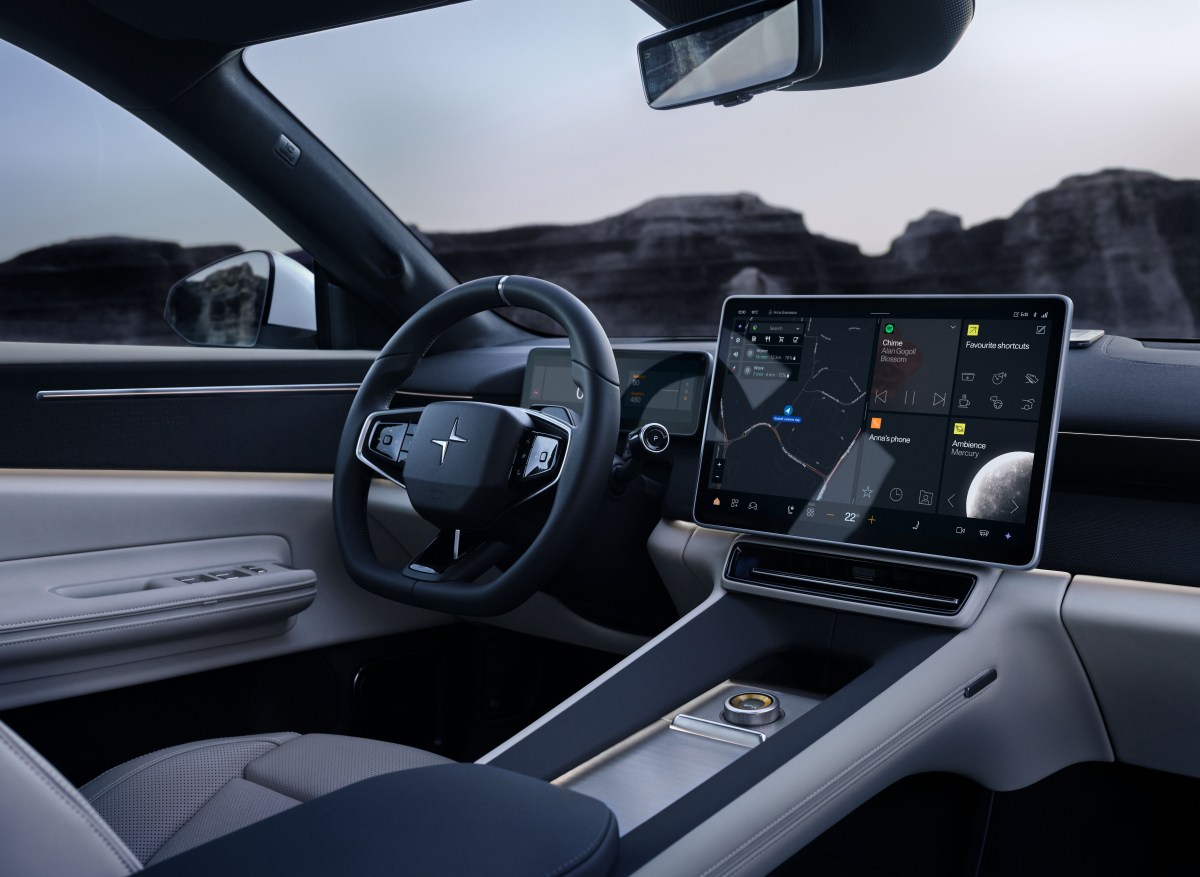
If you remember, early Polestar 4 builds occasionally suffered from sluggish cold-start boot times and hesitant menu transitions when you jumped in and immediately selected reverse. The Android 15 update speeds up vehicle start-up, sharpens touchscreen responsiveness on the 15.4-inch landscape display, and tightens the integration with Google Maps energy estimation so the state-of-charge arrival forecasts should now reflect how heavy is your right foot. Polestar also added customizable home-screen shortcuts, tweaked the climate control interface, and smoothed out the handoff between the built-in Dashcam app and the image Gallery so you aren't digging through sub-menus after a near-miss on a roundabout.
Johanna Bergh, Polestar's Head of Product Management, describes the release as a response to customer feedback that proves the car can evolve through software alone. She's right about the utility, even if the broader industry trend of shipping cars with unfinished software and fixing them a year later continues to test buyer patience.
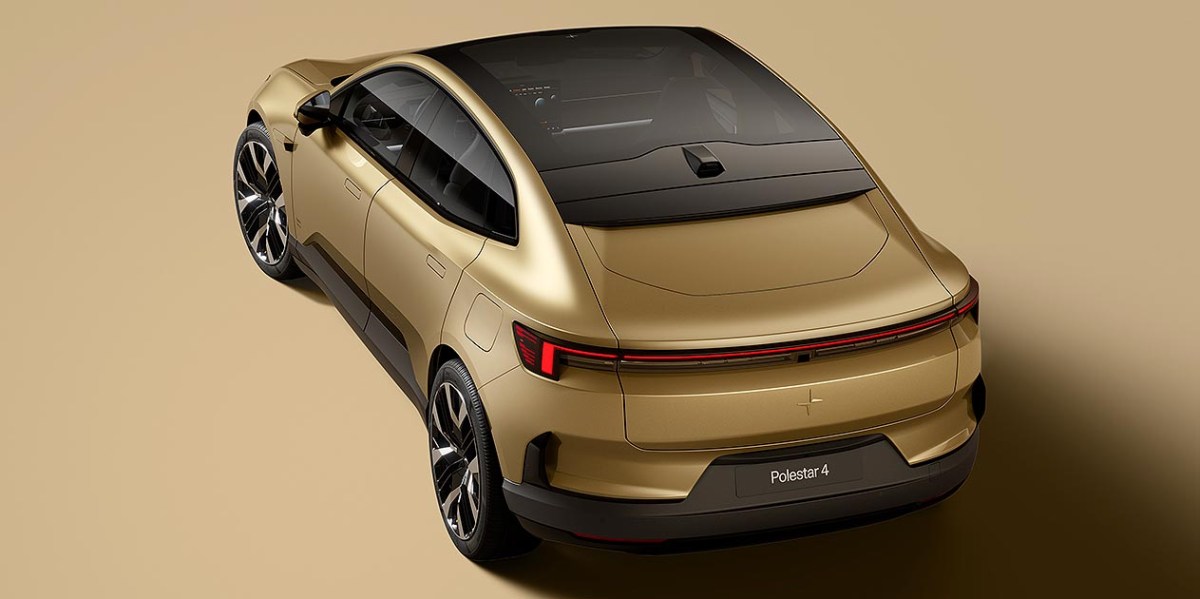
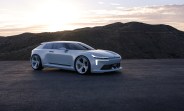
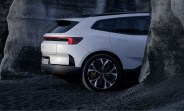
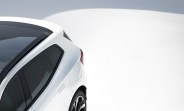
The Polestar 4 is a somewhat quirky electric SUV/wagon, and the missing rear glass has been the main talking point since the car’s debut. It actually makes the new Park Assist Pilot feature far more than a party trick. Because you're relying entirely on a roof-mounted camera feeding an 8.9-inch digital mirror display, judging the rear corners in a tight car park under rain-streaked lighting takes real trust. For 2026 and 2027 model year vehicles fitted with the Pilot pack, the P4.3.0 update adds automated perpendicular parking that handles the steering and braking once you confirm the target bay on the screen.
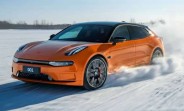
Out on open roads, the Polestar 4 has always felt much more composed than its weight suggests, largely thanks to its Geely Sustainable Experience Architecture (SEA) underpinnings. The closely related Zeekr 001 shares that exact 118 inches wheelbase, but is slightly longer at 195.7 inches. In the Polestar, the Single Motor Rear-Wheel Drive variant puts down 200 kW and 253 lb-ft of torque, which is plenty for daily driving and has a WLTP-rated range of up to 391 miles. The Dual Motor all-wheel-drive setup for £60,750 in the UK - or roughly $77,200 on the continent - doubles up the output to 400 kW and 506 lb-ft. That's enough for the sprint to 62 mph in 3.8 seconds, matching the dual-motor Zeekr 001's 400 kW and 516 lb-ft punch. This version of Polestar 4 is quicker than a Porsche Macan 4S, which demands £78,365 before you even glance at the options list.
What makes the Dual Motor Polestar clever on a long motorway run is the permanent-magnet front motor's mechanical disconnect clutch. Cruise at steady speeds and the car decouples the front axle completely to slash parasitic drag, running as a rear-driver until your right foot or slippery road demands all four wheels.
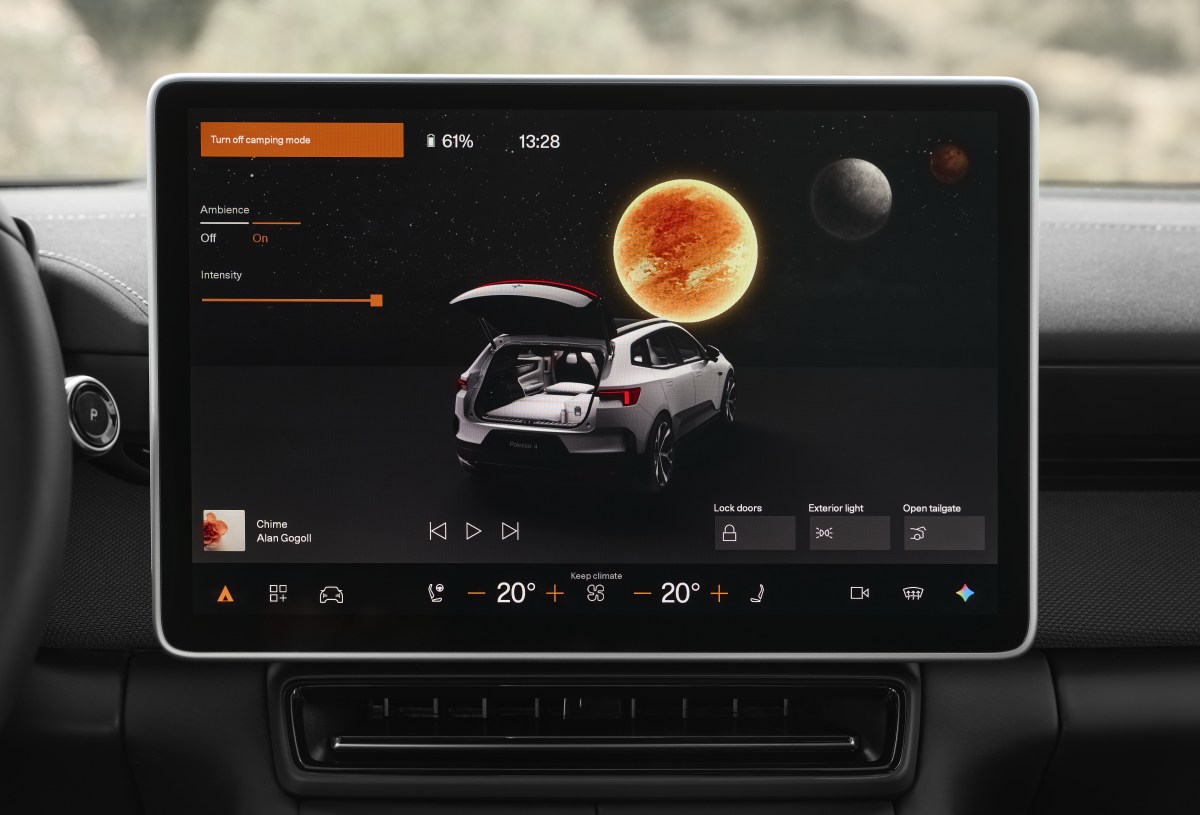
Adding V2L and Camping mode taps directly into that massive 94 kWh usable energy for moments when you aren't moving at all. Hyundai and Kia have offered 3.6 kW bi-directional power on their E-GMP cars for years. Chinese rivals treat external discharge as table stakes, but European premium brands have been weirdly stingy with the feature. Flipping on Camping mode keeps the Polestar's HVAC system holding a steady cabin temperature through the night while keeping the 12-volt sockets, USB-C ports, and the 15.4-inch screen live without triggering the car's motion alarms or timing out after thirty minutes. Drop the 60:40 split rear seats to open up the 74.8 inches cargo floor to the front seatbacks, throw an inflatable mattress in the back, and you've got a legitimately quiet, climate-controlled shelter that can brew hot coffee in the morning.
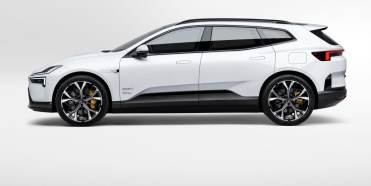
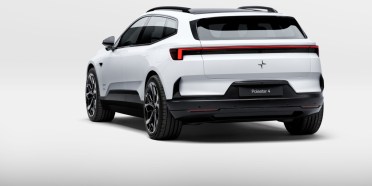
Polestar 4 SUV
On the opposite end of the lifestyle spectrum sits the new Valet mode. Handing over a 536 hp electric car to a hotel attendant can be nerve-wracking when full torque is available from zero rpm. Activating Valet mode locks the glovebox, cordons off your personal profile data on the infotainment screen, and clamps a speed limiter onto the powertrain.
If you look closely at the rollout of P4.3.0, you’ll see the wider tug-of-war playing out across the global EV sector. Polestar has the hardware sorted - the ZF active dampers on the Performance pack control body roll, the Brembo four-piston calipers bite hard on 15.4 inches front discs, and the cabin plastics and knitted textiles feel genuinely upmarket. Where Western-facing brands have stumbled is software velocity. Geely's architecture, comprehensive updates that fix active safety quirks, and new Android OS help Polestar prove it can work at Chinese speed and keep Scandinavian road manners at the same time.
Owners don't really care much how difficult it is to validate an operating system upgrade. They just want their phone key to work in the rain and their $70,000 car to power a campsite kettle when asked. With P4.3.0, the Polestar 4 finally delivers the complete digital package its spec sheet promised two years ago. It’s been a bit of a wait, but better late than never - right?
Related
Reader comments
Nothing yet. Be the first to comment.