VW-FAW reveals Jetta M6 in China
VW used to rule the Chinese auto market with an iron fist, built on a foundation of petrol sedans that every family wanted to own. When the FAW-Volkswagen joint venture spun off the Jetta nameplate into an independent brand in 2019, the strategy seemed obvious - lock down the entry-level, internal-combustion market for budget-focused buyers who liked the idea of German engineering.
Unfortunately for Volkswagen, history moves at a terrifying pace in the EV era, and that petrol strategy has aged like milk left out in the midday sun. With the domestic ICE market shrinking, Jetta's sales plummeted by 13.1% in the first half of 2026, dropping down to 47,811 vehicles. As a result, the very brand built to cash in on traditional gas-guzzlers is now being forced to rewire itself for electricity just to stay alive.
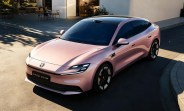
 Jetta M6 - source: FAW-Volkswagen
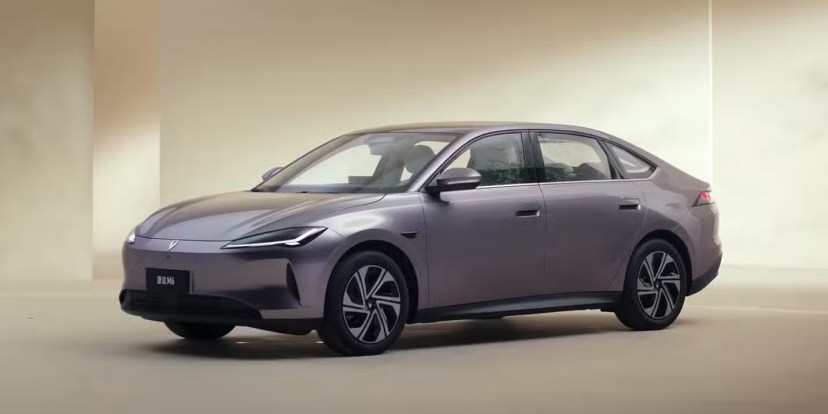
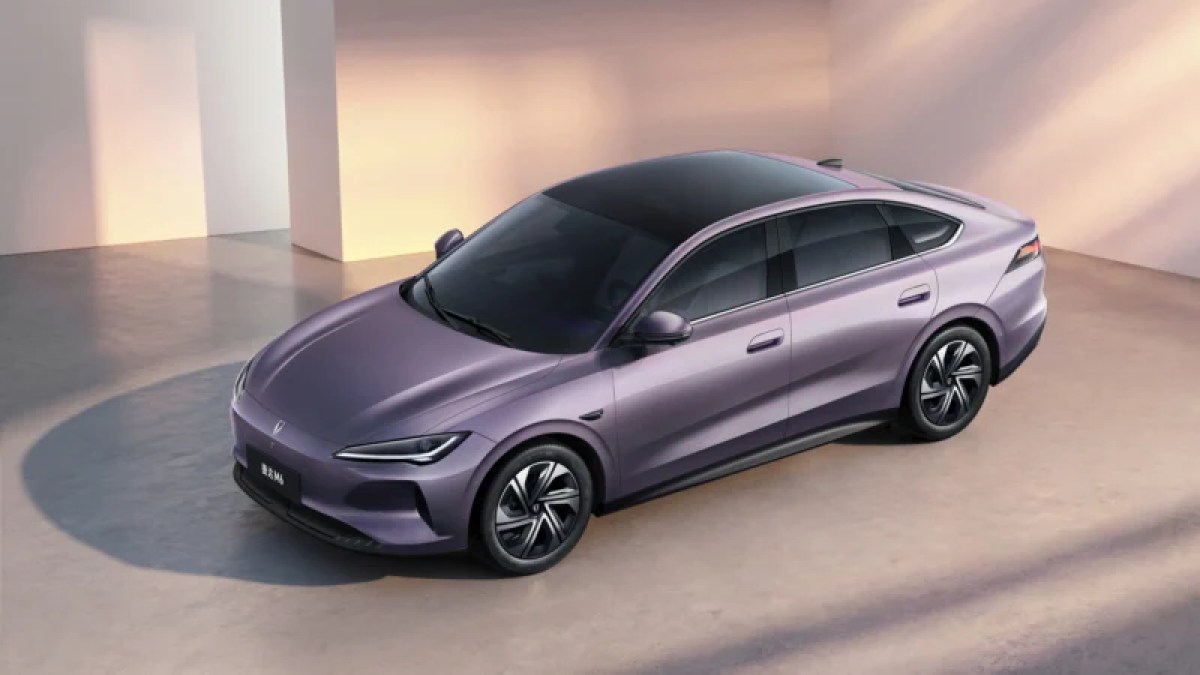
The all-new Jetta M6 is a matter of life or death, an existential pivot for the Chengdu-based manufacturer. This is the brand's first pure battery-electric vehicle, and they are pulling out all the stops to make sure it doesn't get ignored in a sea of generic white crossovers. The official press images reveal a surprisingly handsome mid-size sedan finished in a shade they call "Oriental Purple" - almost theatrical hue that looks miles away from the boring silver three-box shapes of Jetta's past.
To drive the youth-focused point home, the marketing suits have even inked a partnership with ChaPanda, famous Chinese milk tea brand. It is a hilarious sign of our times, watching a legacy automotive giant try to appeal to the digital generation by associating a family sedan with tapioca pearls and cheese foam, but you cannot blame them for trying.
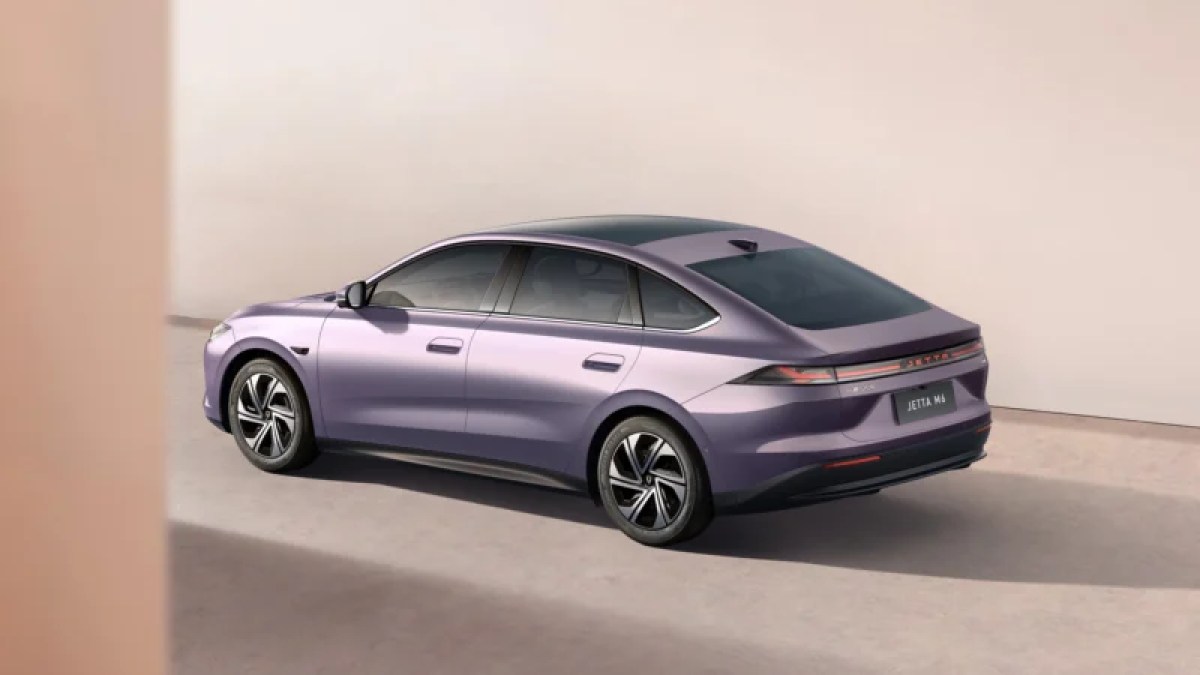 Jetta M6 - source: FAW-Volkswagen
Visually, the M6 trades the old corporate blockiness for a sleek, sweeping roofline, aggressively sharp headlights, and a fashionable full-width continuous taillight unit. It rolls out on a set of clean 18-inch alloy wheels, features semi-hidden door handles, and has a panoramic glass roof to flood the cabin with light.
To help novice drivers navigate chaotic city streets, the top-end trims come with a comprehensive surround-view camera system alongside a host of front and rear parking sensors. There is also an active air intake built into the front bumper, which opens and closes on demand to optimize either aerodynamic efficiency or thermal management. It looks modern, assertive, and surprisingly resolved for a first-time electric effort.
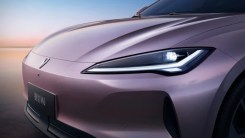
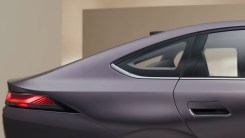
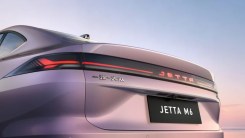
Jetta M6 - source: FAW-Volkswagen
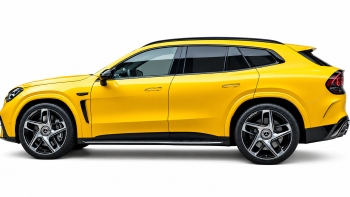
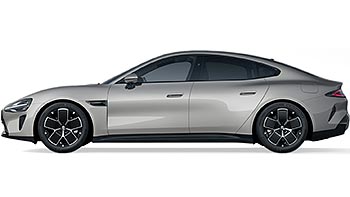
But looking good in a studio is the easy part; the real challenge starts when you pull out the measuring tape and realize just how tough the local competition is. The Jetta M6 spans 189.2 inches in total length, measures a healthy 74.6 inches in width, and stands 59.1 inches tall, all resting on a generous 111 inches wheelbase. This puts it right in the crosshairs of the XPeng Mona M03, a car that has been capturing serious market attention. Line them up side by side, and the Jetta is exactly 1.02 inches longer than the XPeng, which stretches to 188.2 inches in length, 74.6 inches in width, and sits lower to the ground at 56.9 inches with a marginally tighter 110.8 inches wheelbase.
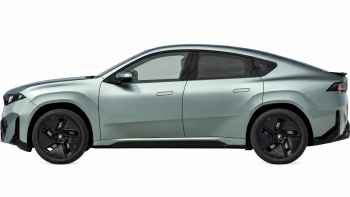
If the XPeng M03 wasn't enough to give the product planners sleepless nights, the state-owned SAIC has thrown its own hat into the ring with the new MG 07 EV. The MG is a more muscular, fastback-styled EV, extending a substantial 192.4 inches from nose to tail, 74.8 inches wide, and it keeps a lower profile at 58.5 inches. Interestingly, the MG 07 has an almost identical footprint when it comes to interior packaging space, offering a 111.2 inches wheelbase that is just a whisper longer than the Jetta's.
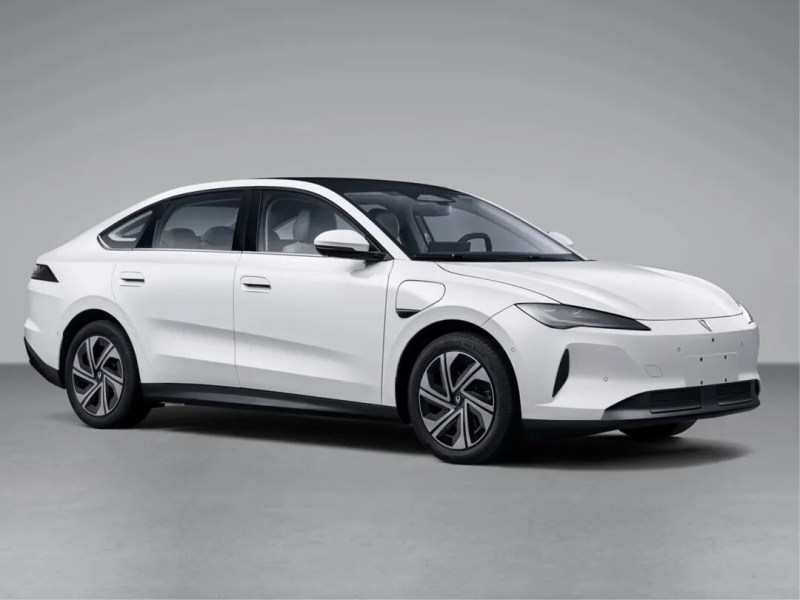 Jetta M6 - source: MIIT
Battery-electric sedans are usually very heavy, but FAW-Volkswagen has managed to keep the M6's curb weight low, floating between 3,433 lb and 3,589 lb across its four variants. Compare that to the XPeng Mona M03, which tips the scales between 3,662 lb and 3,834 lb, or the heavy-hitting MG 07 EV, which drags around 4,083 lb. This is an engineering win - it suggests that Jetta focused on structural efficiency, which should pay dividends in real-world energy consumption and handling characteristics.
Mind you, you will not be using that lightweight chassis to break any land speed records, as the powertrains are tuned for sensible urban duty. The entry-level variants come with a single electric motor delivering a modest 113 kW (roughly 152 horsepower), and top out at an electronically restricted 103 mph. If you decide to step up to the higher-spec models, the power goes up to 145 kW (194 horsepower). That extra muscle pushes the top speed up to a slightly more adventurous 107 mph. These figures won't give Tesla any sleepless nights, but they are perfect for commuting through gridlocked Chinese megacities.
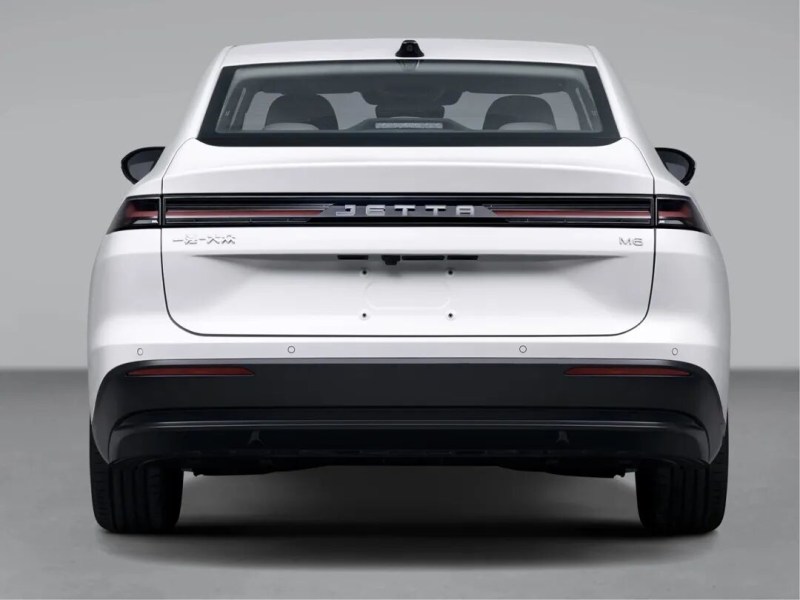 Jetta M6 - source: MIIT
The final piece of the new VW puzzle is the price, and here is where we get to experience the madness of the Chinese EV market - the M6 has a (unofficial) target price floating around RMB 100,000, which converts to an incredibly modest $14,730. A decade ago, the idea of buying a spacious, European-branded electric sedan for that kind of money would have sounded like fiction.
Jetta is planning five more new models by 2028 - four of them being new energy vehicles - and it has an ambitious medium-term annual production goal of 400,000 to 500,000 vehicles. The M6 is a high-stakes gamble born out of necessity, and it proves that even the most established auto dynasties must reinvent themselves if they want to survive.
Related
Reader comments
Nothing yet. Be the first to comment.