Xiaomi uses Nurburgring lessons in production cars
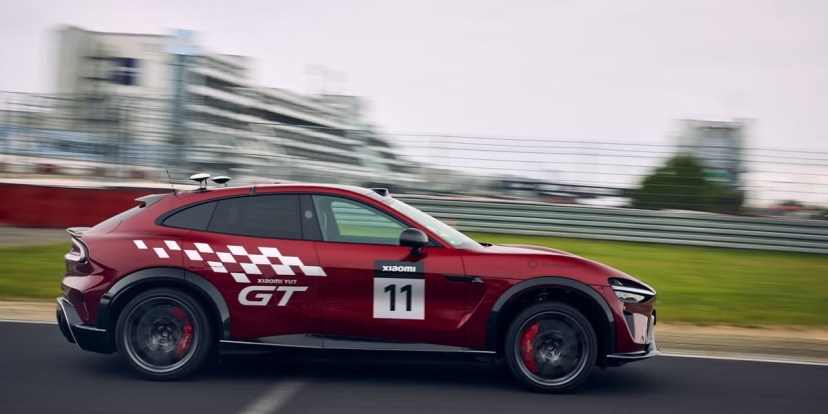
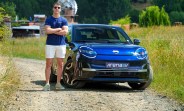
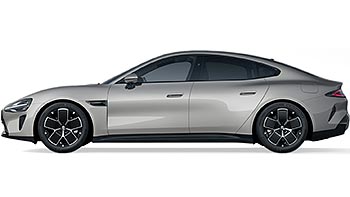
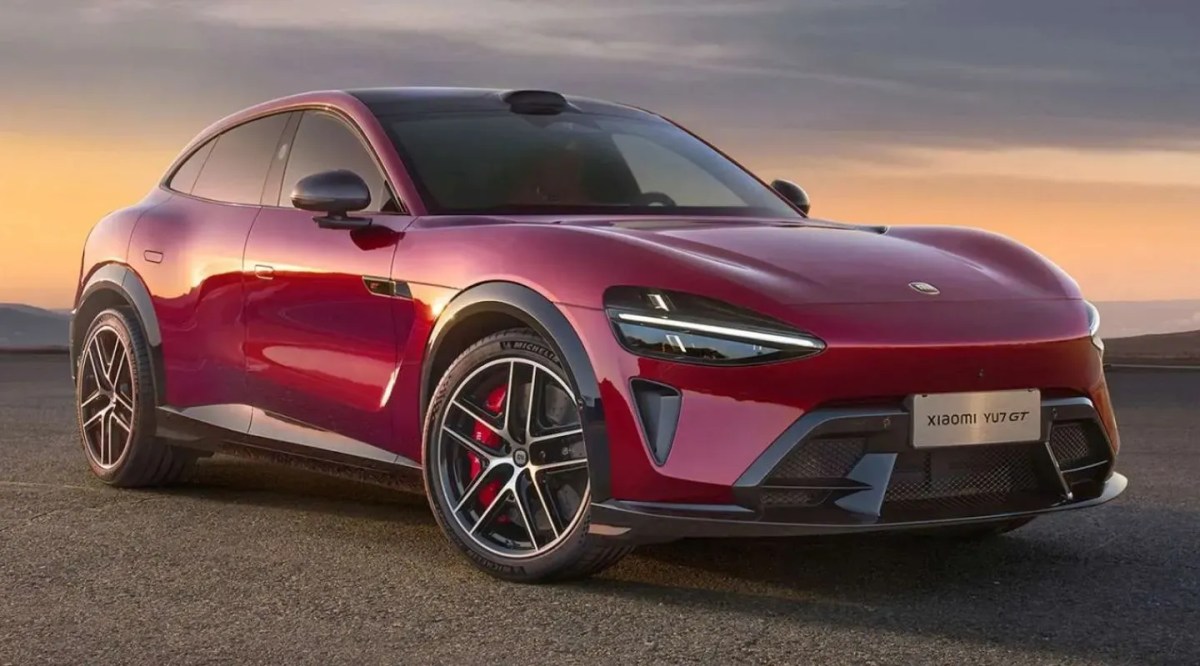
Tech giant Xiaomi is changing how companies test smart software for electric cars. We all saw what happened when the company took its new performance model, the YU7 GT, to the famous Nurburgring track in Germany, and instead of putting a professional driver behind the wheel, they let the vehicle drive itself. The YU7 GT completed the entire loop with absolutely nobody inside - the first time an automaker recorded a fully autonomous lap time at this specific racing circuit.
The self-driving electric SUV finished the 12.9 miles track in 10 minutes and 29.483 seconds. Sure, experienced drivers go much faster, but this driverless run serves a different purpose. The Nurburgring Nordschleife has 73 distinct turns, sharp hills, and changing track surfaces. The computer system had to evaluate every corner and manage the vehicle entirely on its own. The car did not use any remote controls or pre-programmed rules during the run.
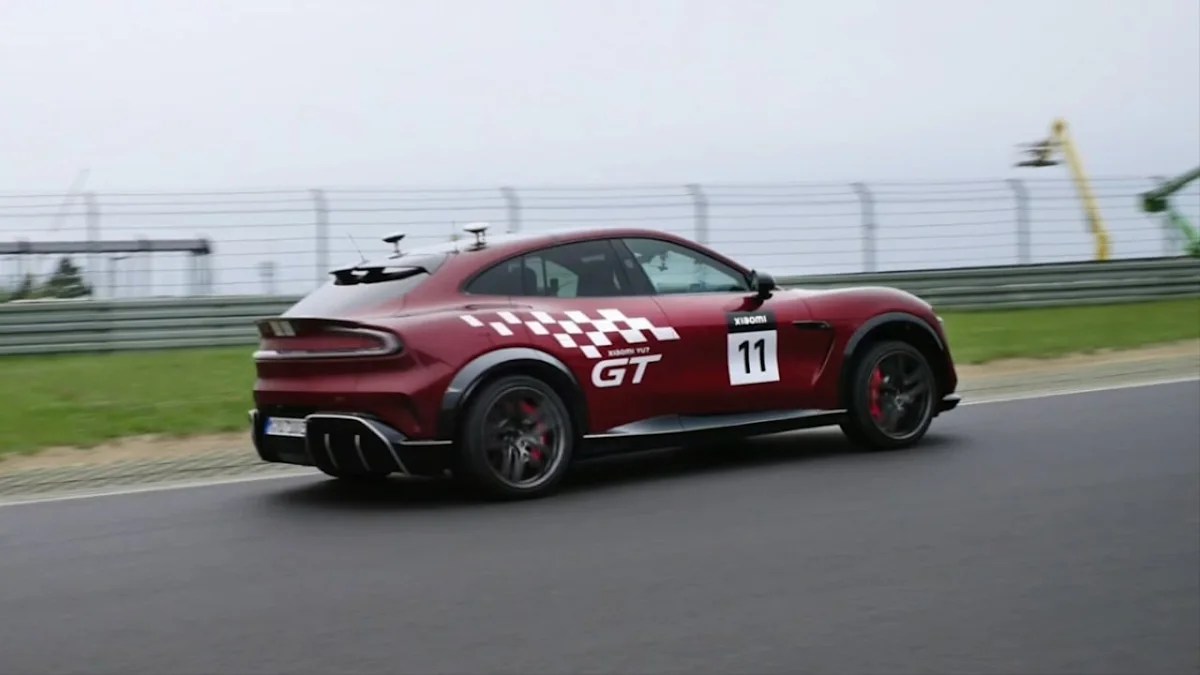
And Xiaomi will use this extreme track experience to update its mass-market EVs. Engineers are using a new software platform called XLA - this system studies how the tires grip the ground when the vehicle experiences heavy loads. Traditional driver assistant systems use simple, rigid rules to help drivers stay in their lanes, but the new platform uses cognitive modeling to think and adapt like a real human.
Driving on a closed circuit allows engineers to safely push software to its absolute limits. At speeds that exceed 124 mph, the car must make choices within single-digit millisecond windows. A delay of just 0.1 seconds before braking could cause a serious accident. By tracking how the vehicle handles these moments, engineers learn how to protect passengers during sudden highway emergencies. The platform specifically tests dangerous driving conditions like unexpected hydroplaning and slippery winter roads.
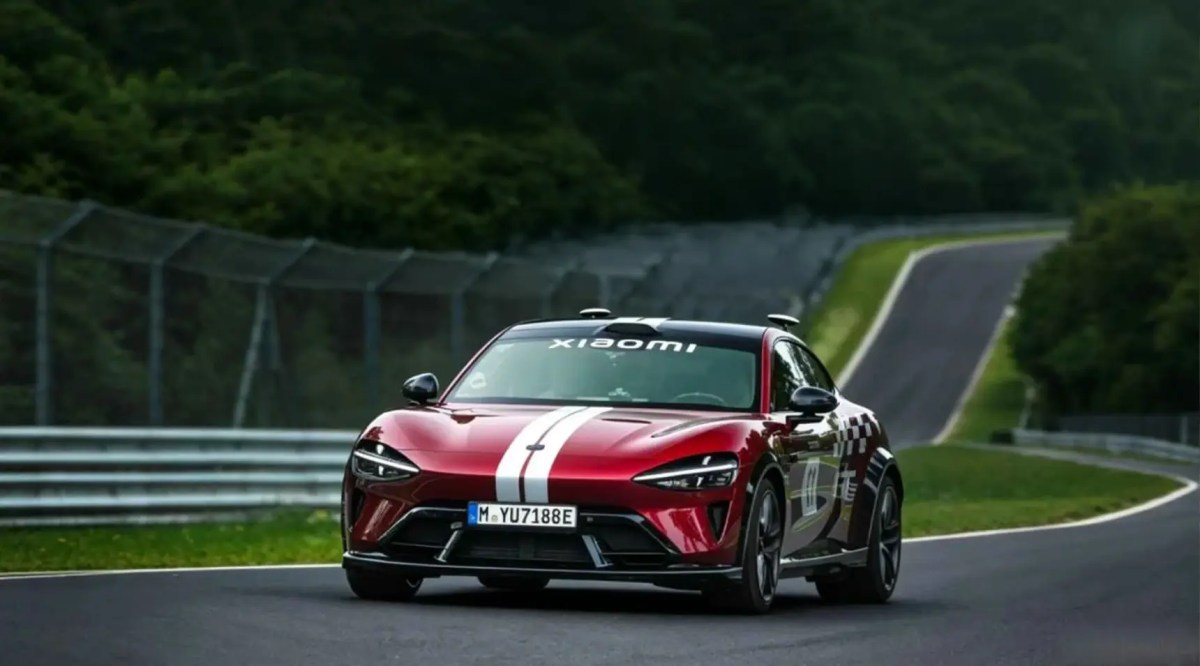
But the software is only part of the story - the development team used special hardware to gather all this data. The test vehicle had an optional track professional package, which helps engineers see how parts tolerate extreme heat. First, a test driver took a prototype YU7 GT to the same track to set an alternative performance benchmark. Now, the stream of digital data from both human and robot tests helps shape the basic steering and braking software for all upcoming production models.
Xiaomi's CEO explained that a fast lap time is not the ultimate goal here. The company views the race track as a strict training ground to improve everyday safety for consumer EVs. When the software masters difficult track conditions, the safety limits for regular drivers expand. The company transfers all the high-speed calculations directly into consumer vehicles through regular over-the-air software updates.
Many customers have already noticed big improvements following a software update in May, but to understand the scope of the software updates, let's look at the company's delivery numbers. In February 2026, the company delivered 20,414 cars to buyers, and deliveries grew to 21,440 vehicles during March 2026.
The spring brought even bigger shifts. Registration data from April 2026 showed an unexpected jump to 36,702 units - that's over 71 percent up from the month before. The volume adjusted a bit in May 2026 when the company delivered 32,759 vehicles (nearly an 11 percent decline compared to the previous month), but it is still a 17 percent increase when compared to the same time last year.
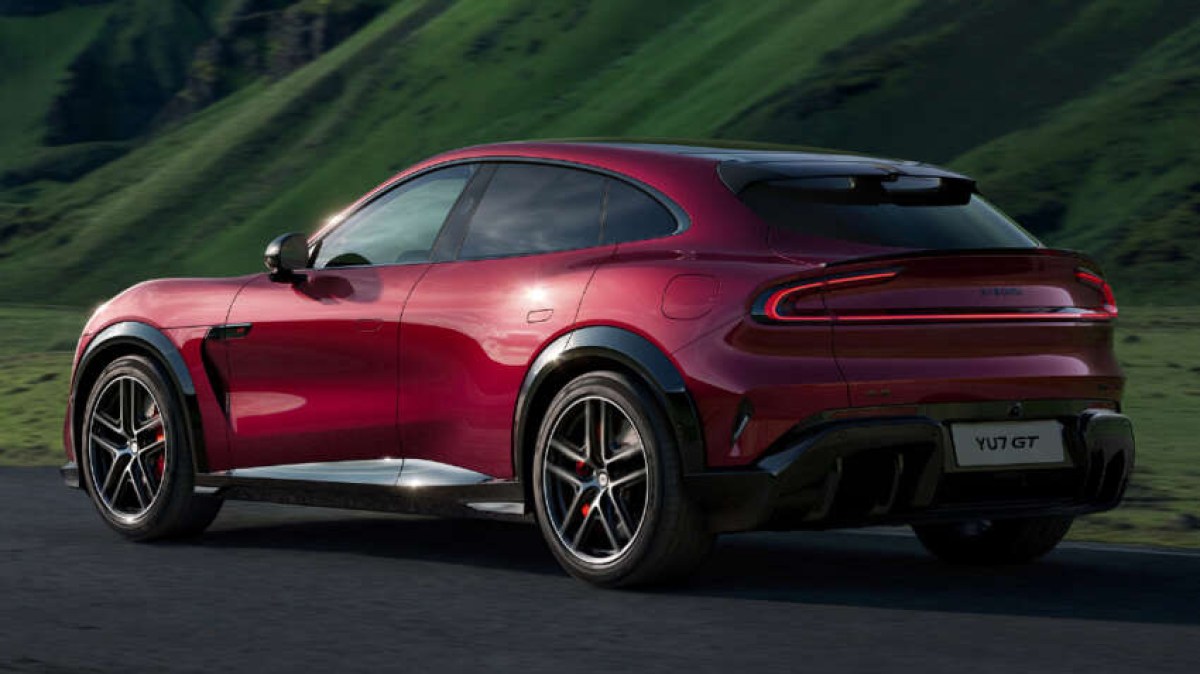
The sales numbers give the company a 2.1 percent share of its domestic market, according to the China EV DataTracker. These figures still fall below the historical peak of 50,212 vehicles sold in December 2025, but the brand continues to expand its sales network, and every vehicle sold benefits directly from the track research. By turning Nurburgring record data into consumer code, Xiaomi uses high-speed experiments to protect its customers every day - and that is a clever move.
Related


Reader comments
- Anonymous
Yeash. They Copied Ferrari Purosangue body design, McLaren 720S/750S head lights, and Aston Martin rear design.
- 25 Jun 2026
- 0ag
- Anonymous
Little that you would know little eye, A fighter jet(say F22 vs J17)can engage in a dogfight for hours relying solely on PID controls. That level of sophisticated engineering(enigma), whether driven by AI or advanced computer chips, is only achievabl...
- 25 Jun 2026
- 7wC
- Anonymous
So since all videogame has that track Xiaomi now has a million hour model, but is their platform capable of running that much big model. Or somebody who produced the data to run on PID on Petrol car is smarter as they switch to fruit juice, at t...
- 25 Jun 2026
- t}n