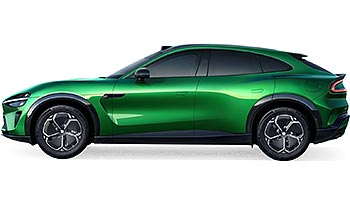
XPeng VLA 2.0 review: can this autonomous tech outsmart Beijing traffic?
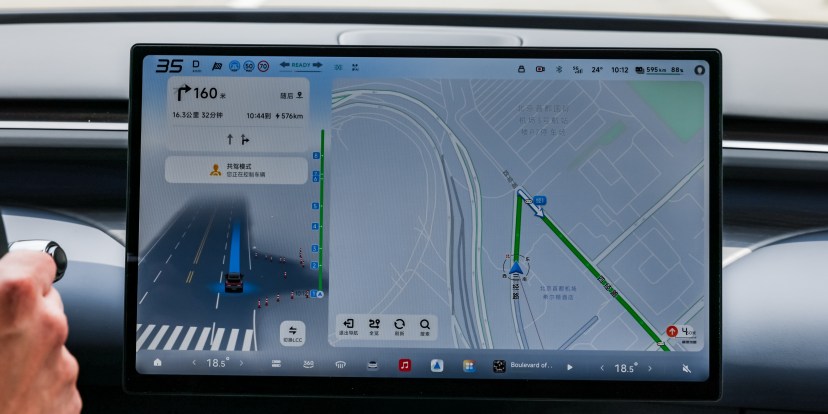
Beijing traffic does not care about your feelings. It is a place where lane lines are merely decorative. Drivers there move with a level of aggression that would make a New York City cab driver blush. If a car hesitates for a fraction of a second, three other vehicles will fill that space. This is the ultimate testing ground for electric cars that claim they can drive themselves.
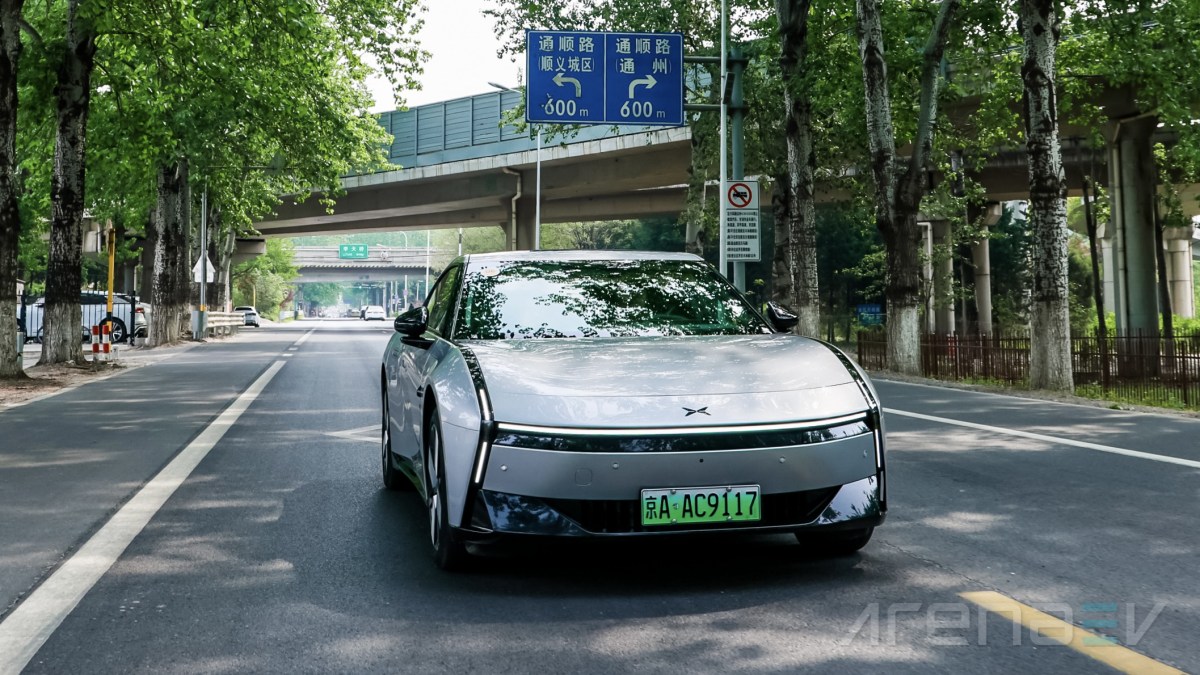
I went to Beijing last week to test the new XPeng VLA 2.0 and witness it take to these chaotic streets. The results suggest that the era of Tesla being the only serious player in the self-driving game is officially over.
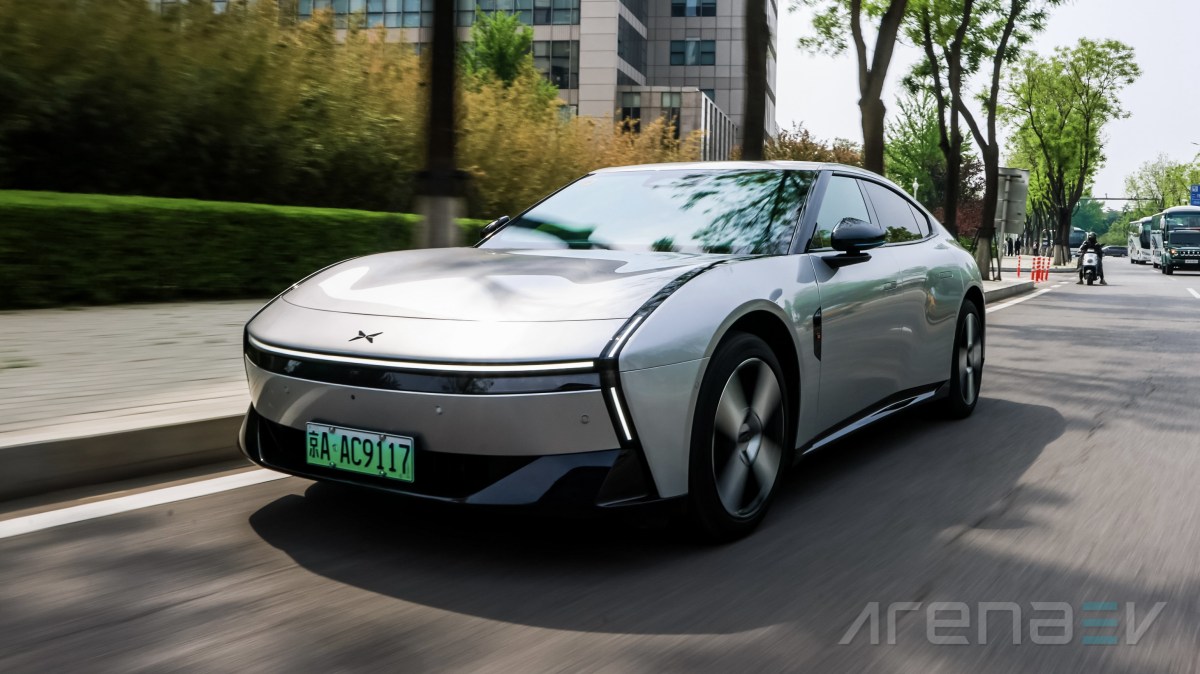
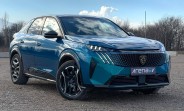
XPeng started sending out its VLA 2.0 software through over-the-air updates in March 2026. It went straight to the company's "Ultra" versions of the XPeng P7, XPeng G7, and XPeng X9. VLA stands for Vision-Language-Action. The 2.0 version is a massive change in how EVs understand the world.
Older systems were like a group of people who did not talk much to each other. One part saw the road, another part planned the route, and a third part moved the wheels. This often caused delays or jerky movements. VLA 2.0 uses one single "brain" that sees a camera image and decides on an action instantly. It removes the middleman, making the driving feel much more natural.
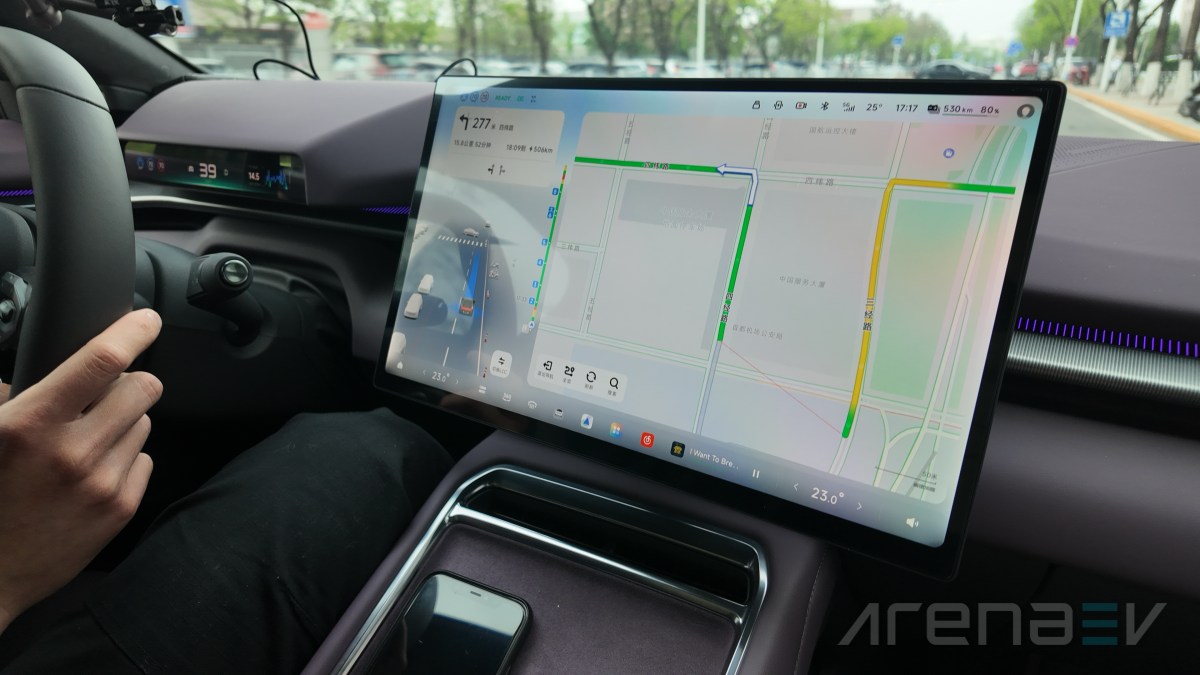
To make this possible, the company built a very powerful dedicated computer chip - Turing AI. It can handle 2,250 TOPS of computing power. Then, XPeng trained the system on 100 million video clips of the most difficult driving moments imaginable. This training helps the VLA act less like a robot and more like an experienced human driver who has seen it all.
During the first 40-minute test drive through the heart of Beijing, the system did something remarkable. It did not need a single human intervention. In a city where people cut you off every thirty seconds, the car stayed calm and moved through busy intersections handling aggressive drivers without getting stuck as if it was a gentle stroll in a park.
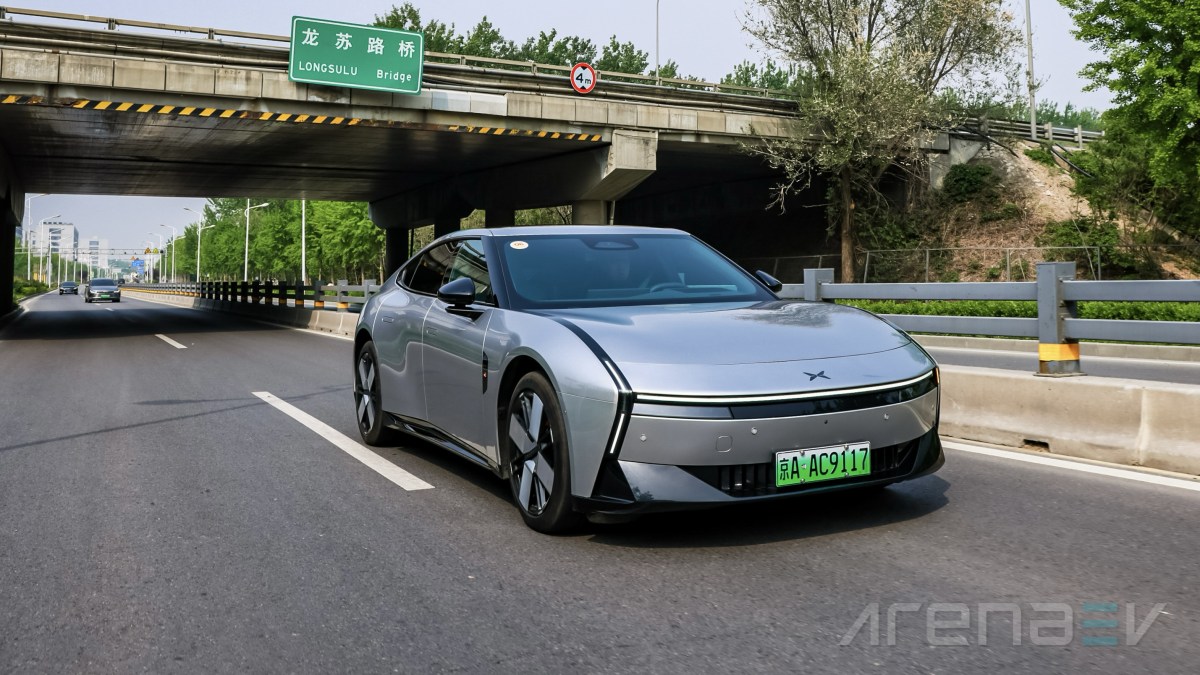
This was not a lucky one-time event. Two more test drives followed, lasting more than four hours in total. One was again taking on busy Beijing streets, but for the other one, I took the car on a random route out of the city. Zero planning, narrow rural roads without any street markings, with drivers even more unruly than in Beijing. Through all that time, there was never a need to grab the wheel or hit the brakes to save the car from a mistake. This level of reliability is rare in the world of modern EVs.
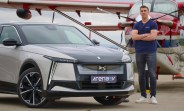
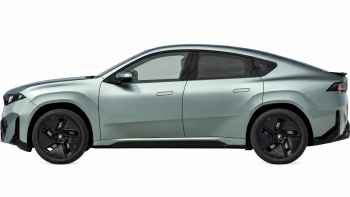
One moment during the drive showed exactly how smart the system has become. The car needed to merge into a very tight gap in a line of fast-moving traffic. Most driver-assist systems in other electric cars would get confused here. They usually wait for a huge opening that never comes, or they give up and ask the human to take over. The XPeng P7 Ultra did neither. It saw the small gap, calculated the speed of the other cars, and moved in firmly. It asserted itself the same way a local driver would. It was a smooth move that showed the car had real confidence.
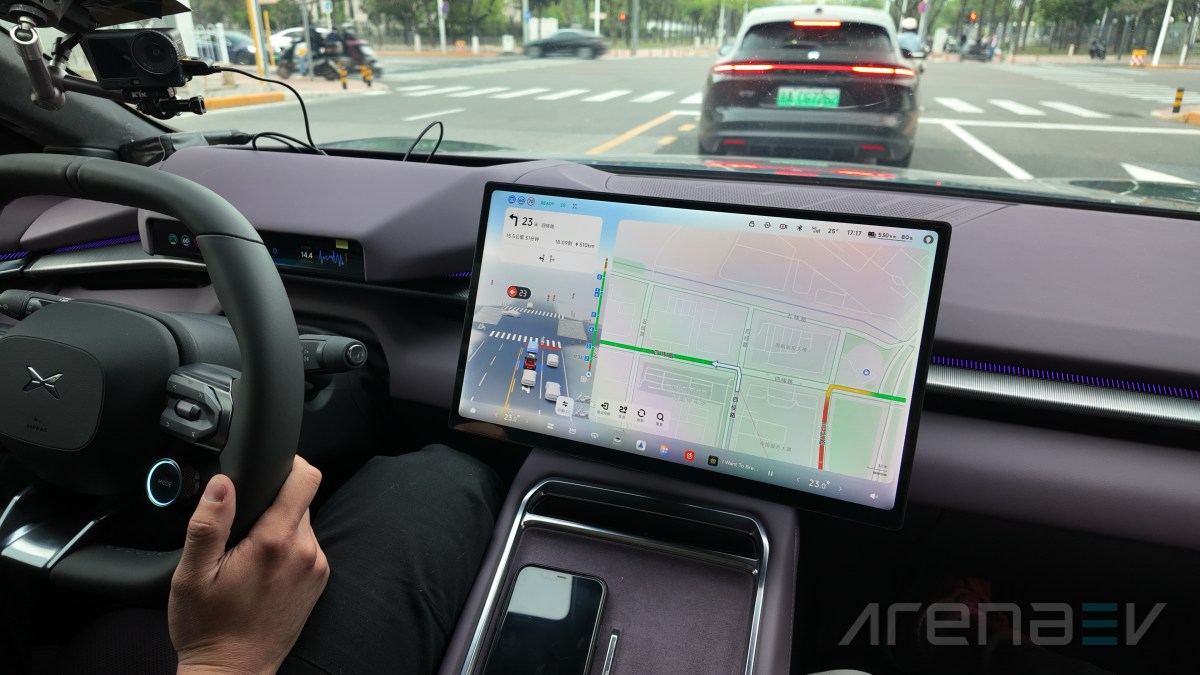
Another situation saw the car emerging from a rural road onto a main 5-lane through road with traffic coming from three different directions (!). There were at least 30 scooters trying to squeeze back into the rural road, there were pedestrians navigating this madness, and cars coming from the left and from the opposite side of the road. Honestly - it was a challenging situation for an experienced driver with traffic flowing well in excess of the legal speed limit. And yet, the P7 gently nudged forward, positioned itself for the innermost lane, and then punched the moment it saw a gap big enough to join the traffic.
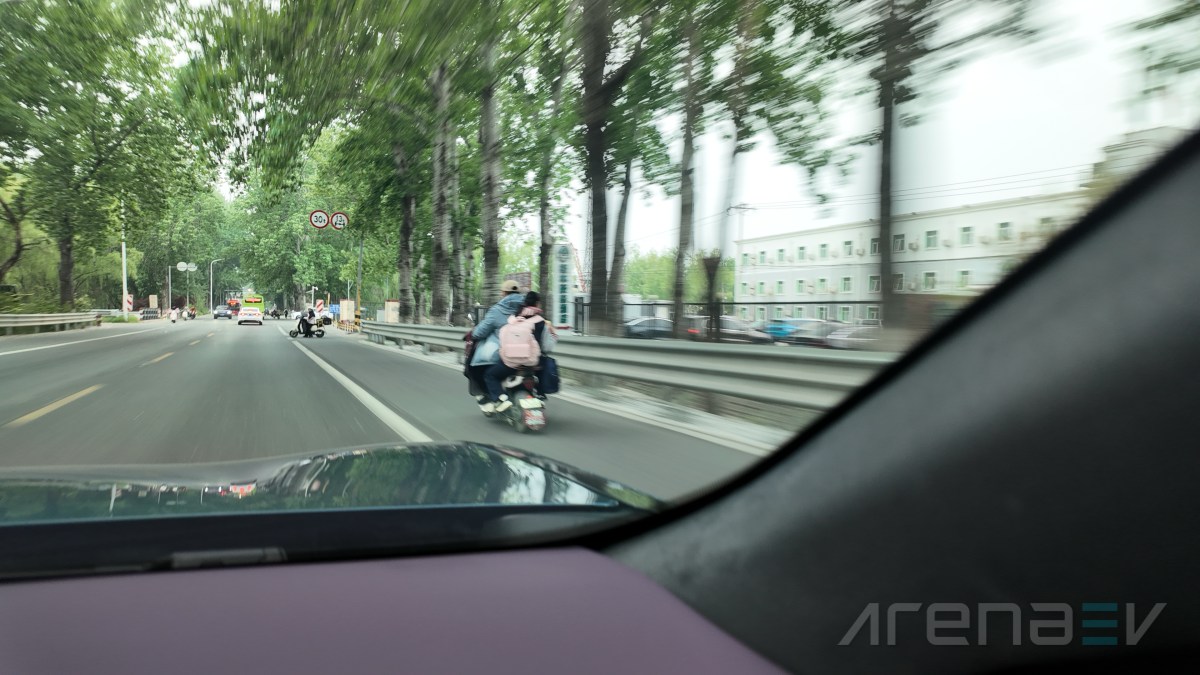
While driving out of Beijing, we approached a blind bend with yet another scooter wobbling about trying to avoid bumps and potholes. The P7 slowed down early, held back and actually went closer to the right edge of the road. This is something an experienced driver would do to see more of the road, turning left ahead - give plenty of room to the scooter rider, see more of the road, and wait for the safe gap. Once the car was sure there was no other traffic, it bolted forward, giving the rider a wide berth and completing the overtake in a couple of seconds.
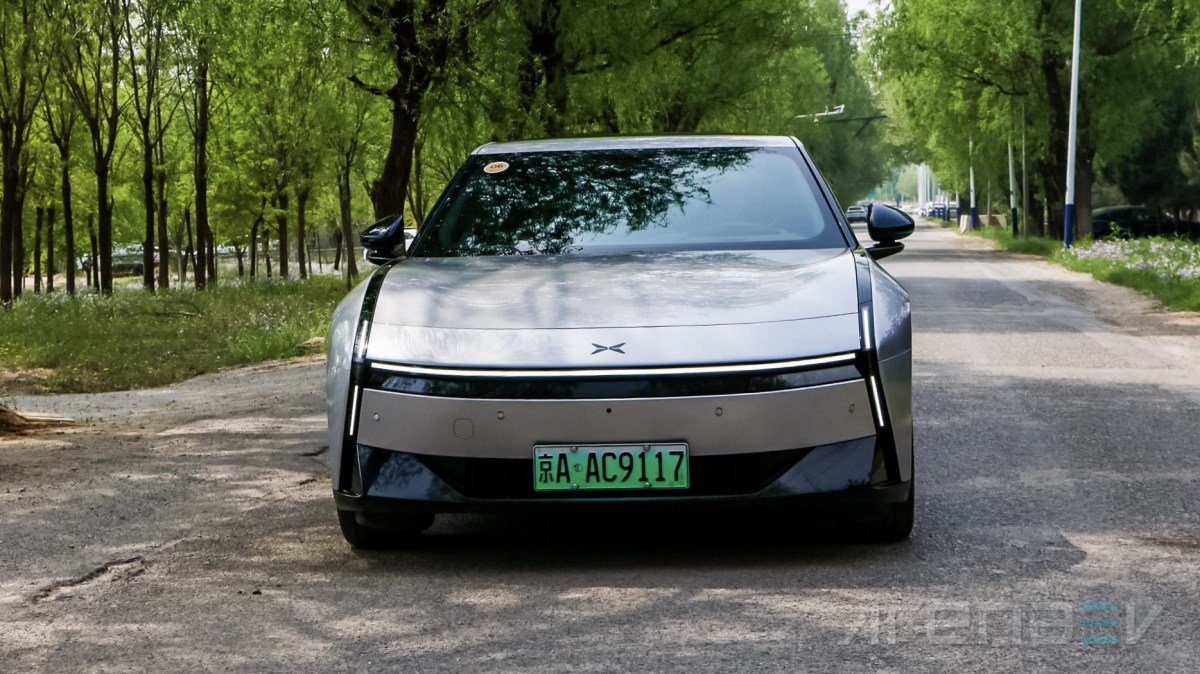
That experience was uncanny. It was like watching a driver who's done it for many years. No hesitation, total awareness of everything happening around, plenty of room left for everyone on the road, and even plenty of room in case it had to change its mind and stop. It was really impressive to watch.
Another interesting situation was watching the car position itself in the middle of the road. The P7 kept doing that on unmarked, narrow roads with uneven edges. Rather than rigorously sticking to the right edge, it would steer away from all the bumps and only go back when it saw approaching traffic. This again is something an experienced driver would do to keep away from potential dangers and to leave more room for reaction in case of emergencies.
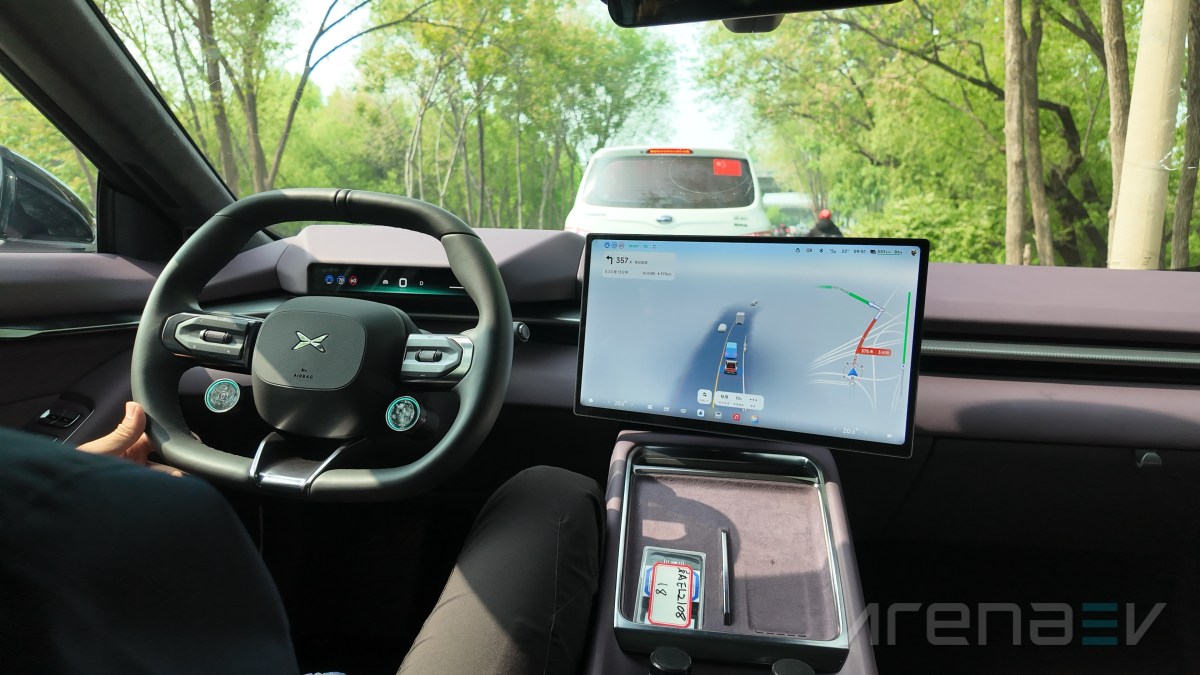
All this human-like confidence comes from a "generative world model." This is a virtual reality world where XPeng can test its software without ever hitting the actual road. The company has ramped up its testing from 30,000 scenarios a year to 500,000. Every day, the system "drives" the equivalent of 30 million kilometers in this digital world. This allows the car to learn from mistakes in a simulation so it does not make them in real life. While Tesla relies heavily on data from real cars on real roads, XPeng is leaning into these massive simulations to teach its cars how to behave.
The competition between the EV companies is becoming a bit of a soap opera. XPeng CEO He Xiaopeng recently visited Silicon Valley to test Tesla's FSD v14.2. He spent five hours driving around San Francisco and actually praised the system.
He also set a very tough goal for his own team. He wants the VLA system to match Tesla's best performance by August 30, 2026. He even made a bet with his head of autonomous driving, Liu Xianming - if the team misses the goal, Liu has to run across the Golden Gate Bridge without any clothes on. That is likely just a joke to motivate the staff, but it shows how much pressure these companies are under to be the best.
Tesla is facing some trouble in China. While owners in North America use the latest software, Tesla drivers in China are still using an older version. The Chinese government has been slow to approve the newest self-driving features for Elon Musk's company. This gives local brands a big head start.
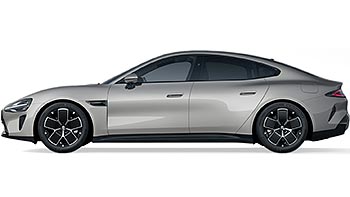
Companies like BYD are already putting their "God's Eye" system into EVs that cost around $30,000. Meanwhile, tech giant Huawei is spending over $11 billion on its own driving software. Even Xiaomi is jumping into the ring with its SU7 lineup. The market is getting very crowded, and the technology is moving faster than most people can keep up with.
The business side of these autonomous systems is also changing. Tesla charges a subscription fee of $99 a month for its full self-driving features in the United States. XPeng, for now, includes its VLA 2.0 system in the price of the car. This makes it very difficult for Tesla to justify a monthly bill when a competitor offers something similar for free. Volkswagen seems to agree that XPeng is onto something special. The German automaker signed a deal to use VLA 2.0 in its new electric SUV built specifically for the Chinese market - a huge vote of confidence from one of the oldest names in the car business.
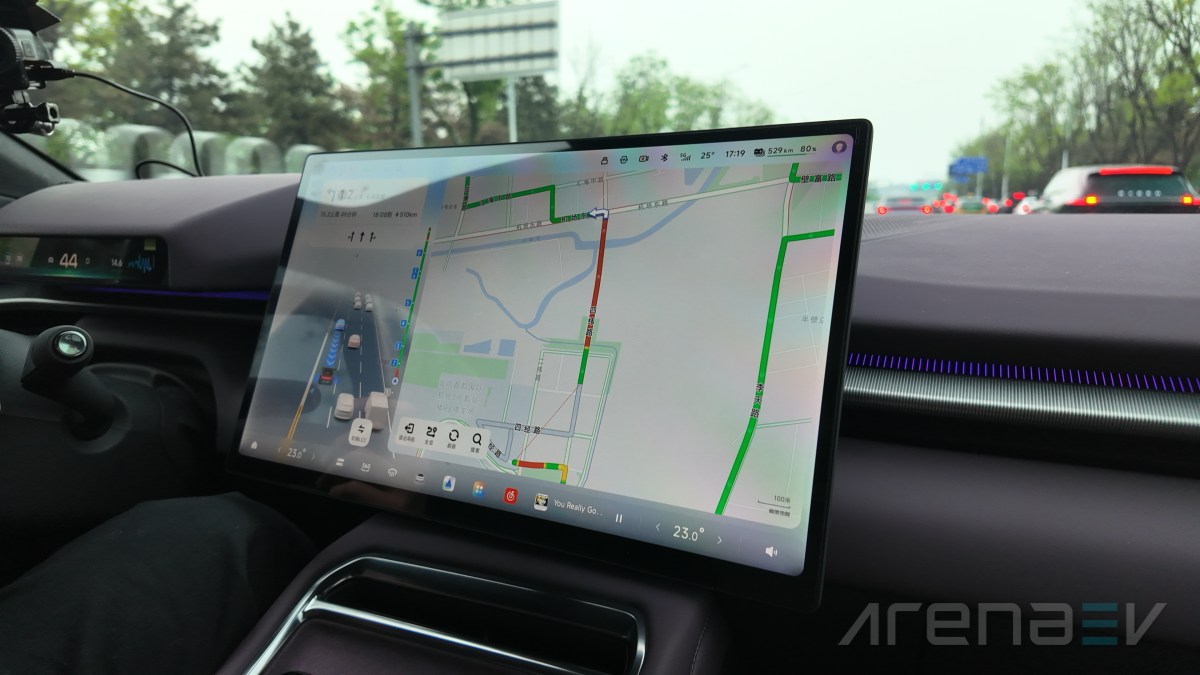
But I believe the VLA 2.0 feels different because it predicts what will happen next. Unlike many other systems already on the market, it does not simply react to a car stopping in front of it. It looks at the flow of traffic and positions itself early for turns or merges. It eliminates the "not-so-sureness" that plagues many other driver-assist systems.
Many cars feel like they are guessing what to do, which makes passengers nervous. This system feels like it has a plan. Even when it makes a small error, such as following a car too closely or hesitating at a turn, it corrects the mistake quickly and safely.
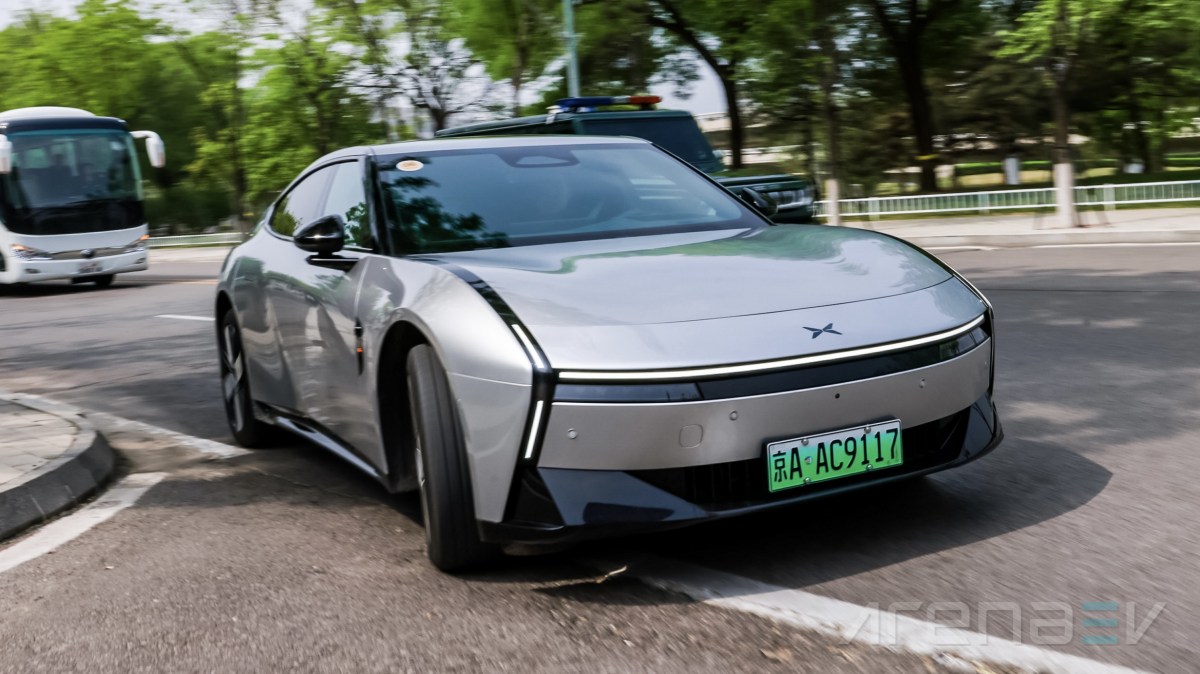
The automotive scene really is at a turning point. People used to buy a Tesla because it was the only "smart" car available. Now, the XPeng P7, XPeng G7, and XPeng X9 are proving that other companies can build brains that are just as sharp. The new XPeng GX promises even more with whispers of Level 4 autonomy. Whether or not XPeng is officially "better" than Tesla is a question that requires more side-by-side testing.
But for anyone driving through the madness of Beijing traffic, the VLA 2.0 system feels like a very capable partner. And if it can do it safely in Beijing, it shouldn't have any problems dealing with traffic anywhere else in the world. Maybe with the exception of India… Honestly, the gap has closed, and the race for the future of EVs is now a dead heat.
Related
Reader comments
- Anonymous
A Chinese Tesla engineer literally stole Tesla source code and subsequently brought it Xpeng. They were handed the technology for free! Now all they have to do is build on top of it. Classic China move
- 30 Jul 2026
- kZg
- DrMax
Chinese software will outperform US in 5 years.
- 16 Jun 2026
- swp