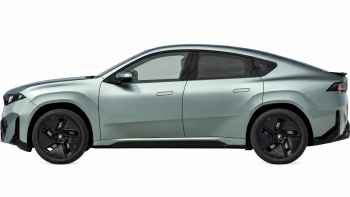
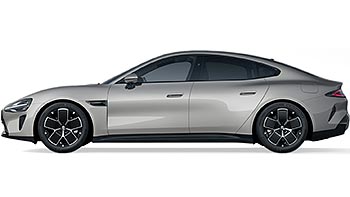
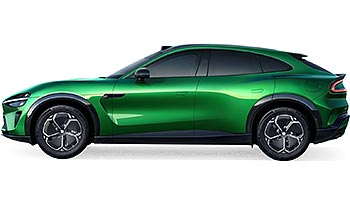
The XPENG P7 is a low-slung speed machine that thinks like a human
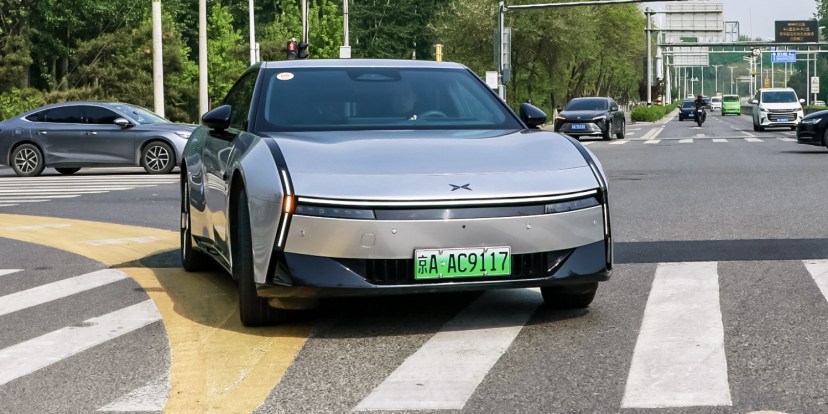
Beijing is a city where everyone seems to be in a rush to reach the future. The air is thick with big ideas, and the streets are packed with every kind of vehicle you can imagine. At the world's largest auto show, it is easy for a person to get tired of seeing the same old designs. Most electric cars have become a bit boring. They are built for efficiency, but they often forget to be exciting. But the XPeng P7 is a car that refuses to fit that image. It is a machine that looks ready to pick a fight with a supercar, and it has the technology to actually win.
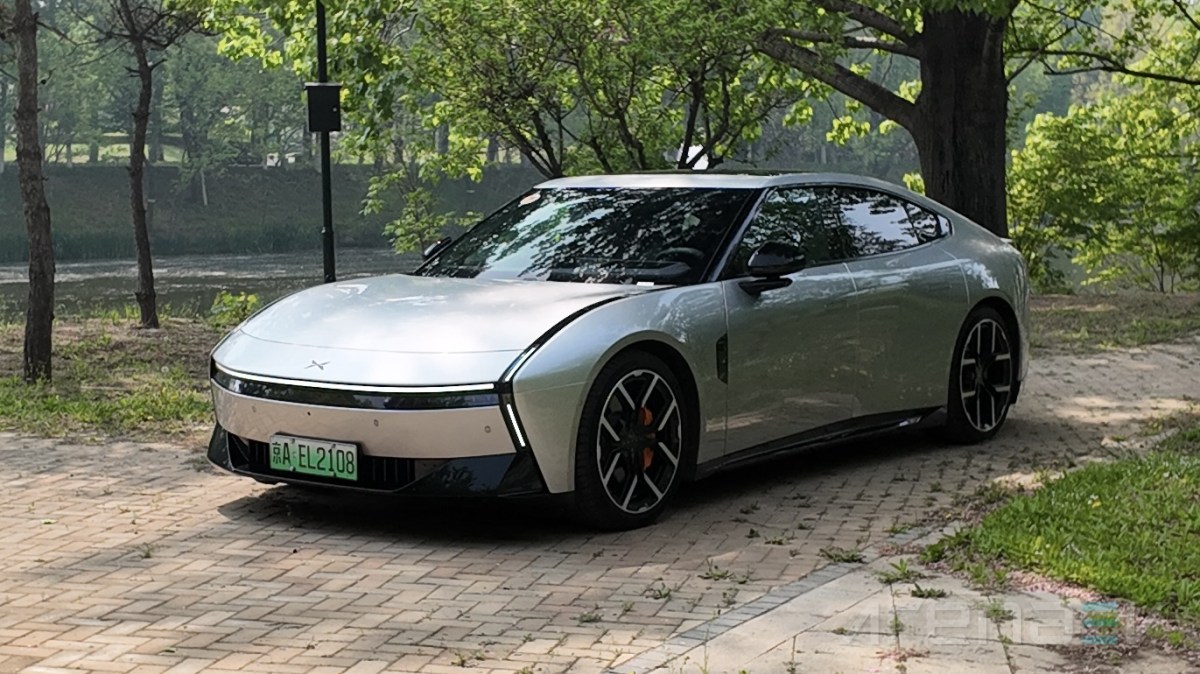
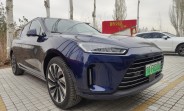
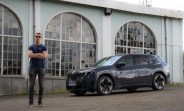
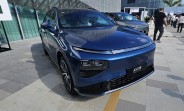
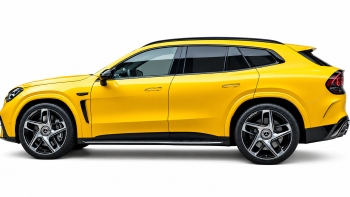
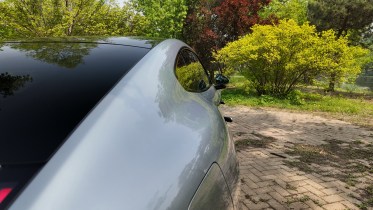
The first thing you notice about the P7 is how it sits on the pavement. This is not a tall, clunky SUV. It is a long, wide, and very low sedan. It measures 16.47 ft long and nearly 7 ft wide. The most striking part is its height, or lack of it. At only 4.6 ft tall, it is lower than a snake's belly - that's entire 10 cm lower than the Mercedes EQS. It has 21-inch wheels that are pushed out to the very corners of the body. With its wide tires - 245s in the front and 275s in the back - the car looks like a custom street racer. It has a "swagger" that is missing from most modern EVs.
Stepping inside the P7 is an experience all on its own. Because the car is so low to the ground, you do not simply get into it - you descend into it. Once you sink into the leather bucket seats, you realize your backside is actually lower than your knees. This is a classic driving position that reminds people of old-school sports cars. The interior of the model I tested was a very deep shade of purple. It looked as though the design team had spent a weekend with a giant crate of plums. While the color is a bold choice, the quality is top-notch. The cabin is filled with soft upholstery and Alcantara. There is no cheap, scratchy plastic to be found here.
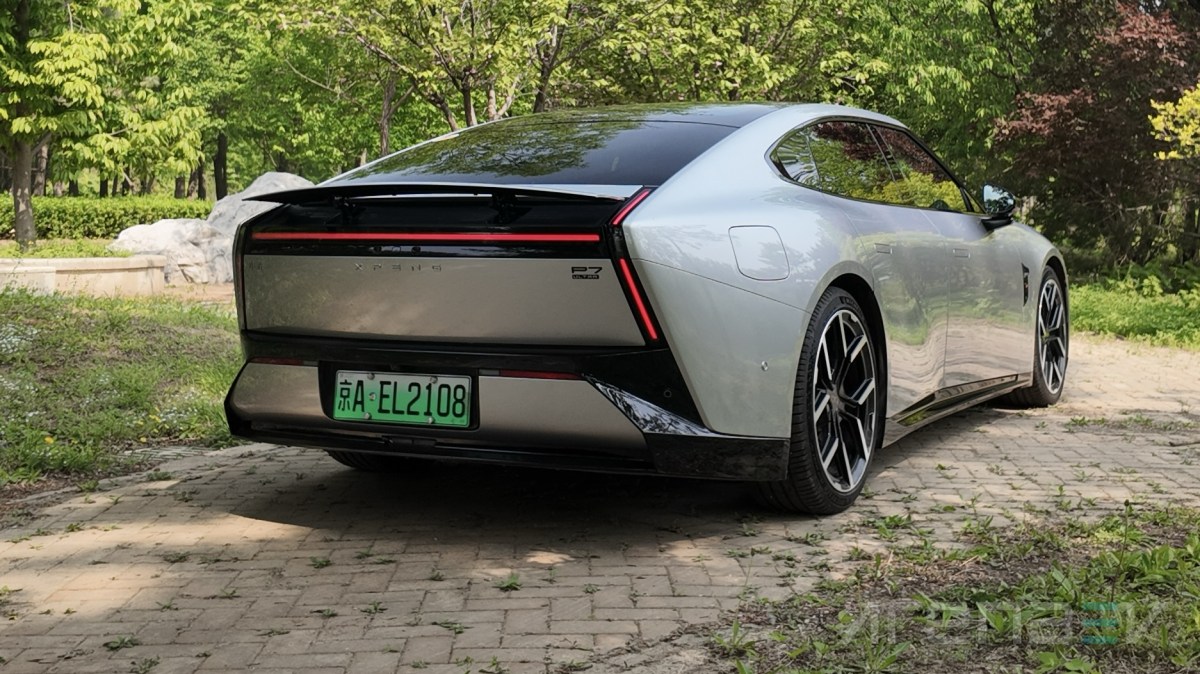
Even though the car is low, the inside feels like a "Tardis" from the show Doctor Who. It is much bigger on the inside than it looks on the outside. Passengers in the back seat have a surprising amount of room. There is more space for your shoulders than in a Mercedes EQS and better leg support than in an EQE. Instead of just sitting there, back-seat passengers are treated to a heated, cooled, and massaging bench. It feels more like a luxury limousine than a sporty sedan. XPeng clearly wanted to make sure everyone in the car feels like a VIP.
When you finally hit the "go" pedal, the P7 shows its true power. The "Ultra" version of the car uses two electric motors to produce 437 kilowatts (586 horsepower). It also has 558 lb-ft of torque. It can speed from 0 to 62 mph in just 3.7 seconds. The most "spooky" part is how quiet the car remains during all this speed. It has double-glazed front windows and extra-thick rear glass. When you shut the door, the noise of the city just disappears. It feels like you are being teleported across the horizon in total silence.
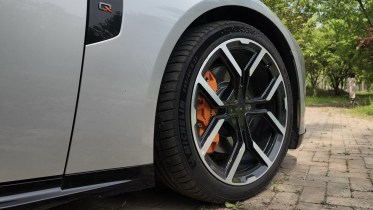
Of course, going fast is easy, but stopping is the hard part. XPeng equipped the P7 with massive Brembo brakes that have four pistons each. These brakes can bring this heavy electric rocket to a full stop from 62 mph in only 33 meters. The car uses a smart system called the Bosch iBooster 2.0 that makes the brake pedal feel sharp and steady. Even if you are driving quickly through curvy roads, the brakes never seem to get tired. They give the driver a lot of confidence that the car will always stay under control.
The way the car handles the road is also very impressive. The P7 uses a suspension system with air springs and smart dampers. An AI camera scans the road about 98 ft ahead of the car. If the camera sees a bump or a hole, the car adjusts the suspension instantly. This allows the P7 to ride as smoothly as a magic carpet on the highway. However, when you enter a sharp turn, the suspension stiffens up to keep the car flat and stable. It feels like a mix between a luxury cruiser and a high-performance BMW. This level of comfort and control is rare to find in electric cars at this price point.
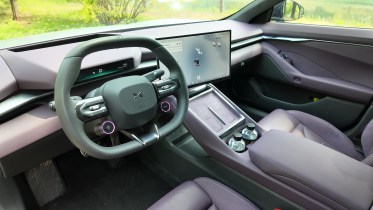
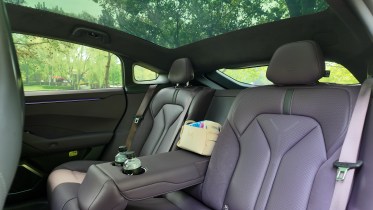
What truly sets the XPeng P7 apart from other EVs is its "brain." The Ultra version of the car is packed with three Turing computer chips. These chips give the car an incredible amount of power to think and react. It uses a system called VLA 2.0, which stands for Vision-Language-Action. This type of "Physical AI" allows the car to see the world much like a human does. It does not just follow lines on the road. It can understand complex traffic, recognize hand gestures from people outside, and even give extra room to bicyclists. In heavy traffic, it handles the chaos with a level of confidence that is almost scary. It feels like the car is actually paying attention to what is happening around it.
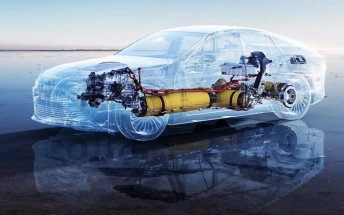
Charging a big battery can often be a chore, but XPeng has a solution for that, too. The P7 is built on an 800V system. You can think of this like using a giant fire hose to fill a bucket instead of a tiny drinking straw. At a fast-charging station, the car can add 326 miles of range in just 10 minutes. The car has a large 92.2 kWh battery pack tucked tightly under the floor. While the official Chinese numbers say the car can go 466 miles on a charge, real-world driving will be a bit less. You can expect to travel about 342 miles before needing to plug it back in.
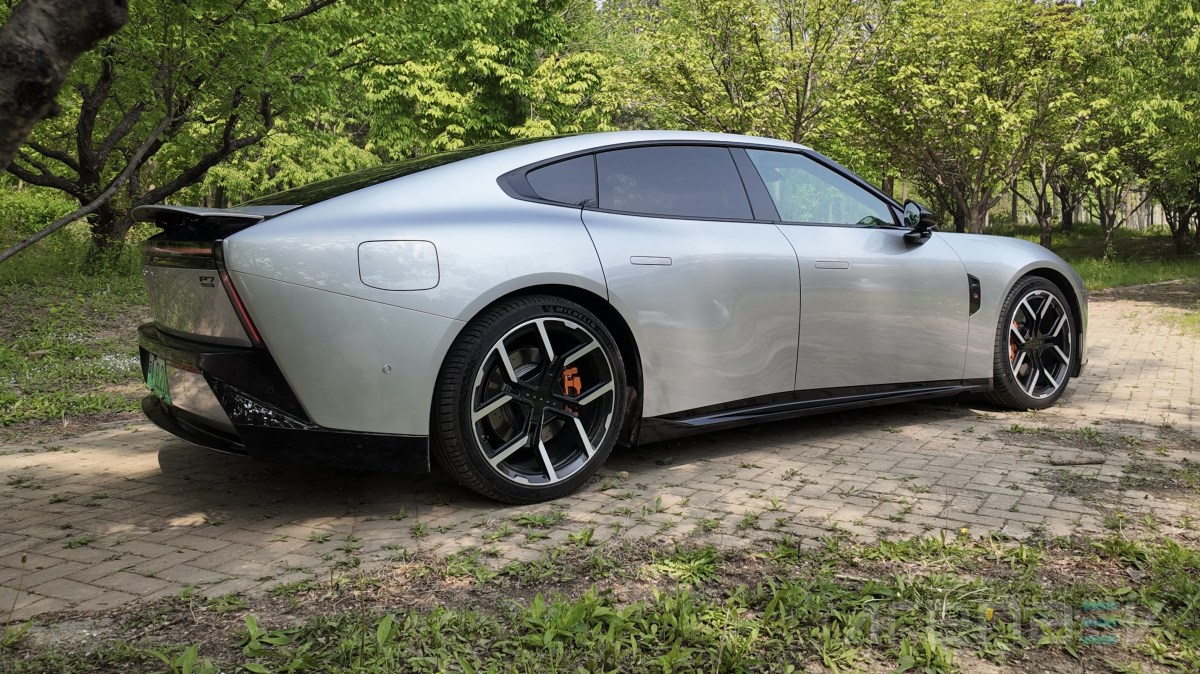
Even with all this speed and technology, the P7 is still a practical car. It has a large hatchback-style opening for the trunk, making it much easier to load big items, like a large haul from IKEA, compared to a normal sedan. There are also 35 different storage spots inside the cabin for all your smaller items. The car even has a special "Pet Mode" and a "Sleep Space" mode for when you are taking a break. It is clear that the designers thought about how people actually use their cars every day.
The most shocking detail about this car is the price tag. This entire package - the 586 horsepower, the advanced AI, and the luxury interior - costs under $44,000. This is an absolute bargain compared to many other electric cars on the market. It is no wonder that European car brands are feeling a bit nervous about this machine. Right now, XPeng is focusing on selling the car in China, but it will eventually come to parts of Europe. For people living in countries where the steering wheel is on the right side, there is no official release date yet.
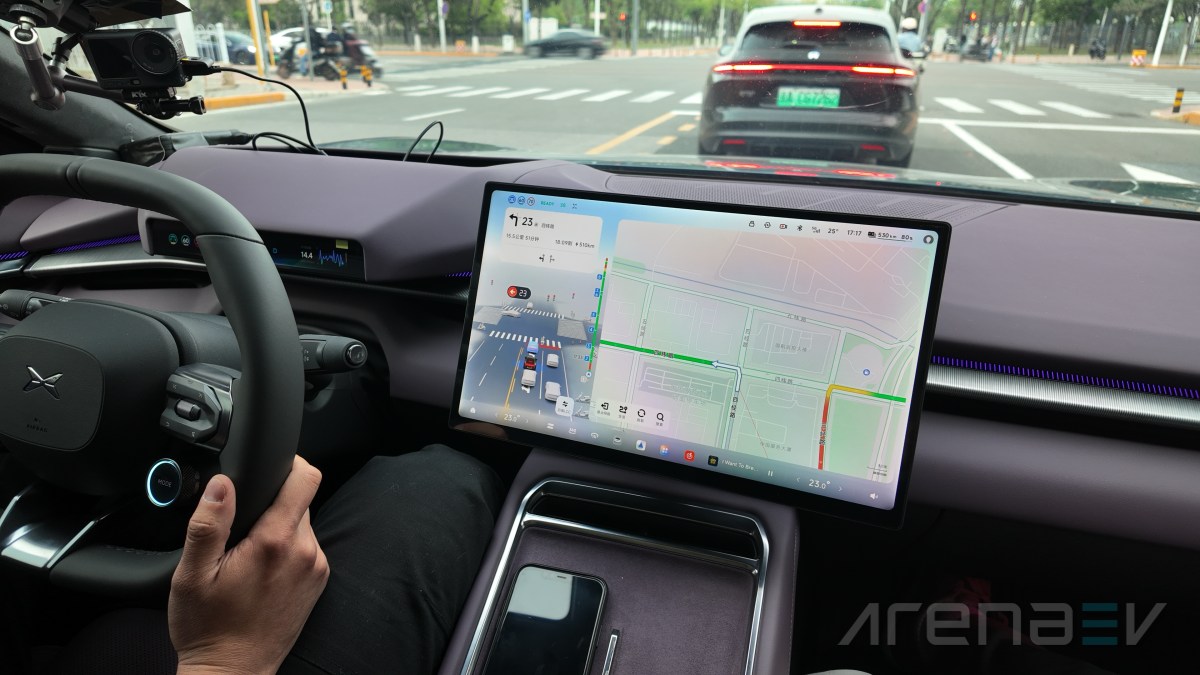
But those looks and the performance are only a small (but important) part of this vehicle. A huge part of its attraction is the VLA 2.0 - the self-driving system. We have spent two days with the P7 in Beijing putting it through various driving scenarios, and we have a dedicated article about it coming soon. To say the P7 is a surprise is quite a bit of understatement. Is the VLA better than Tesla's FSD? You'll have to wait just a couple more days for the answer.
Related

Reader comments
- Jeffrey Kyle JACKSON
I like this car design and tech specs. I had an American SUV Cadillac SRX 3.6 V6 and it has same wide tires. on back 275 and front was 235... Widest tires are always beter for vehicles.
- 04 May 2026
- GXs