Dreame’s supercar fantasy collapse surprises nobody
There is a very specific type of arrogance that infects tech executives the moment they master the art of spinning a brushless electric motor. The internal logic seems very simple: if you can make a cordless vacuum cleaner that eats dust bunnies with ruthless efficiency, how hard could it possibly be to build a road-going hypercar?
As it turns out, building an automobile is beyond difficult - even more so when your grand entrance is all about smoke, mirrors, and rocket thrusters. And no - I don't mean Tesla.
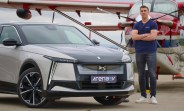
Dreame Technology, the Chinese appliance giant known for automated floor scrubbers and robotic lawnmowers, has officially pulled the plug on its ambitious automotive division. One year after launching its grand "Starry Sky" vehicle program in August 2025, the company is liquidating its automotive entities, terminating projects, and quietly showing hundreds of engineers the exit in a shockingly fast unraveling for a venture that promised to upend personal mobility.
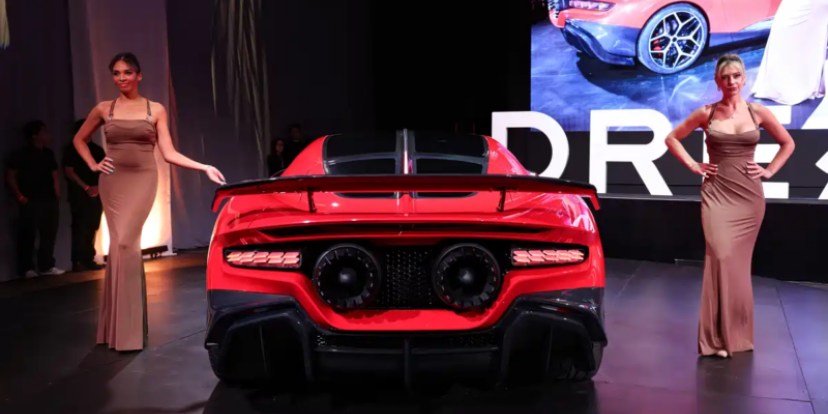
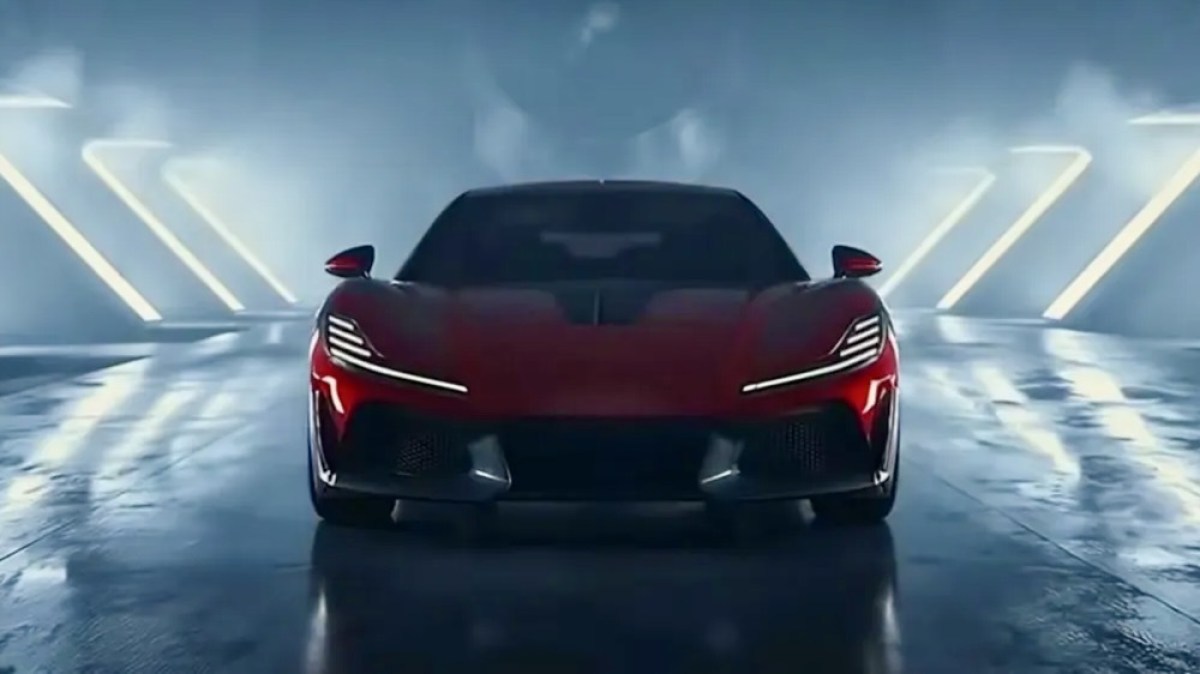
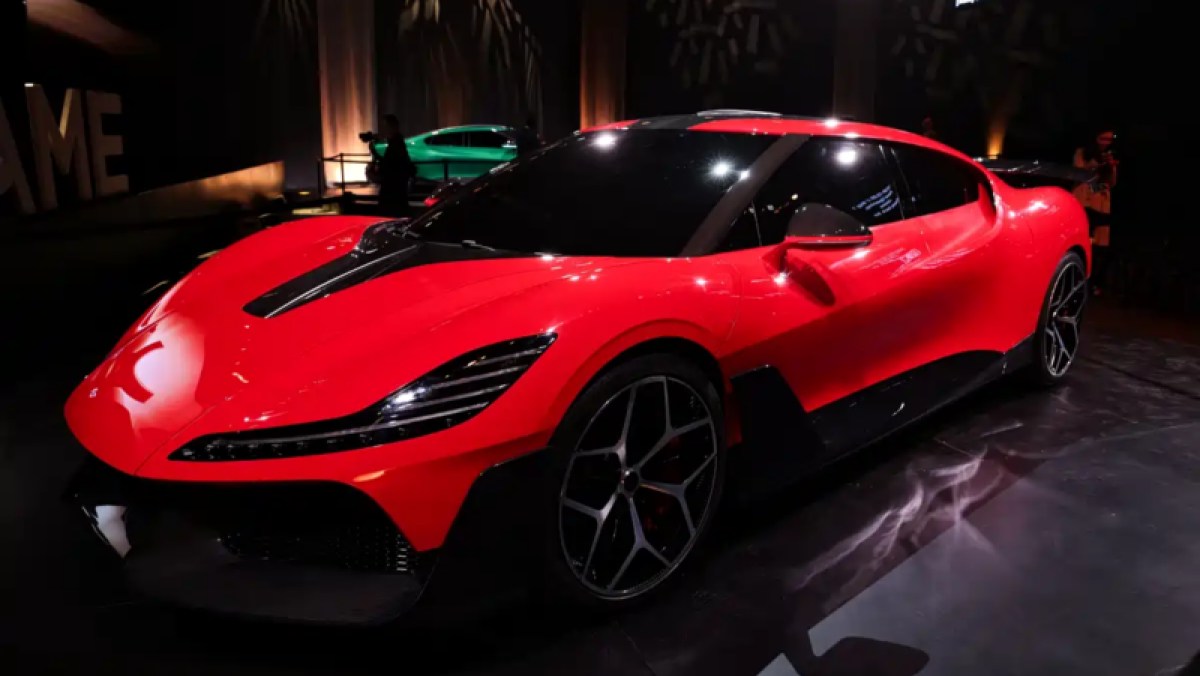
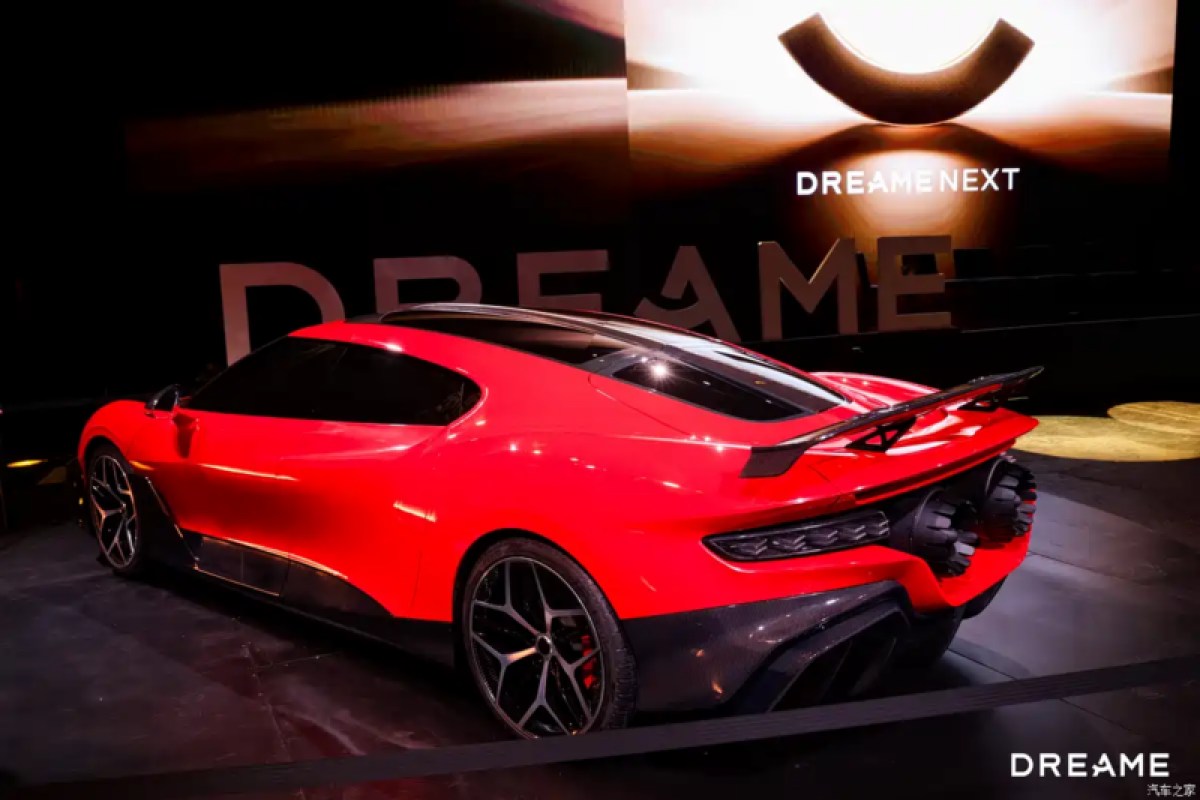
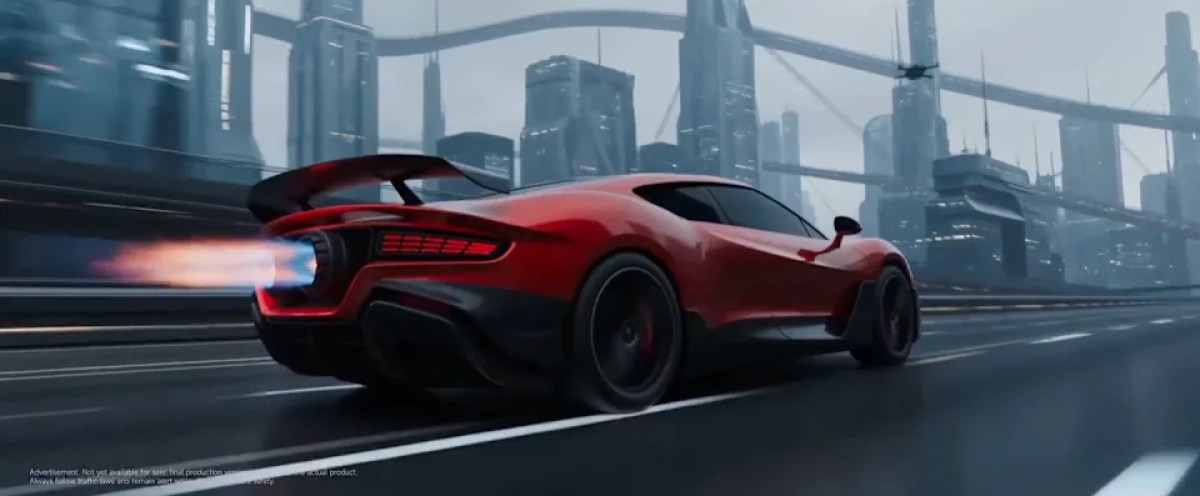
The saga reached its fever pitch in April 2026, with Dreame bringing the Nebula Next 01 Jet Edition to San Francisco. They even called it the "Rocket Car" - and they were dead serious about it. That scarlet showpiece promised a world-changing 0-62 mph acceleration time of 0.9 seconds - faster than anything (road legal) with four wheels.
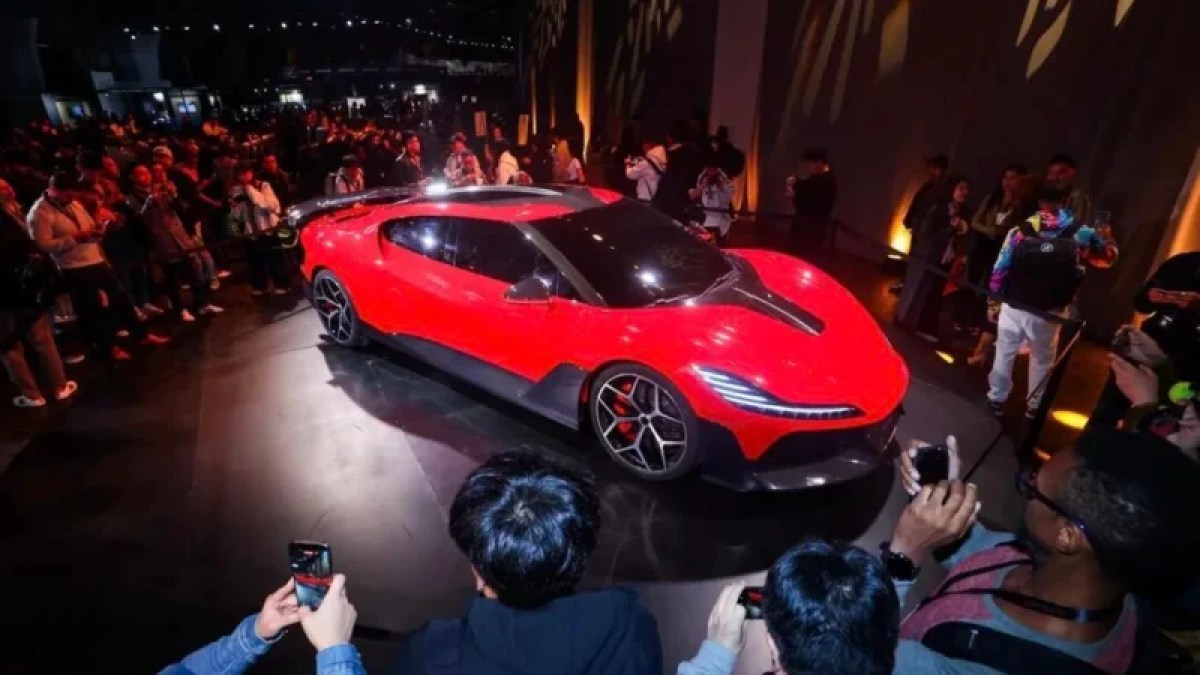
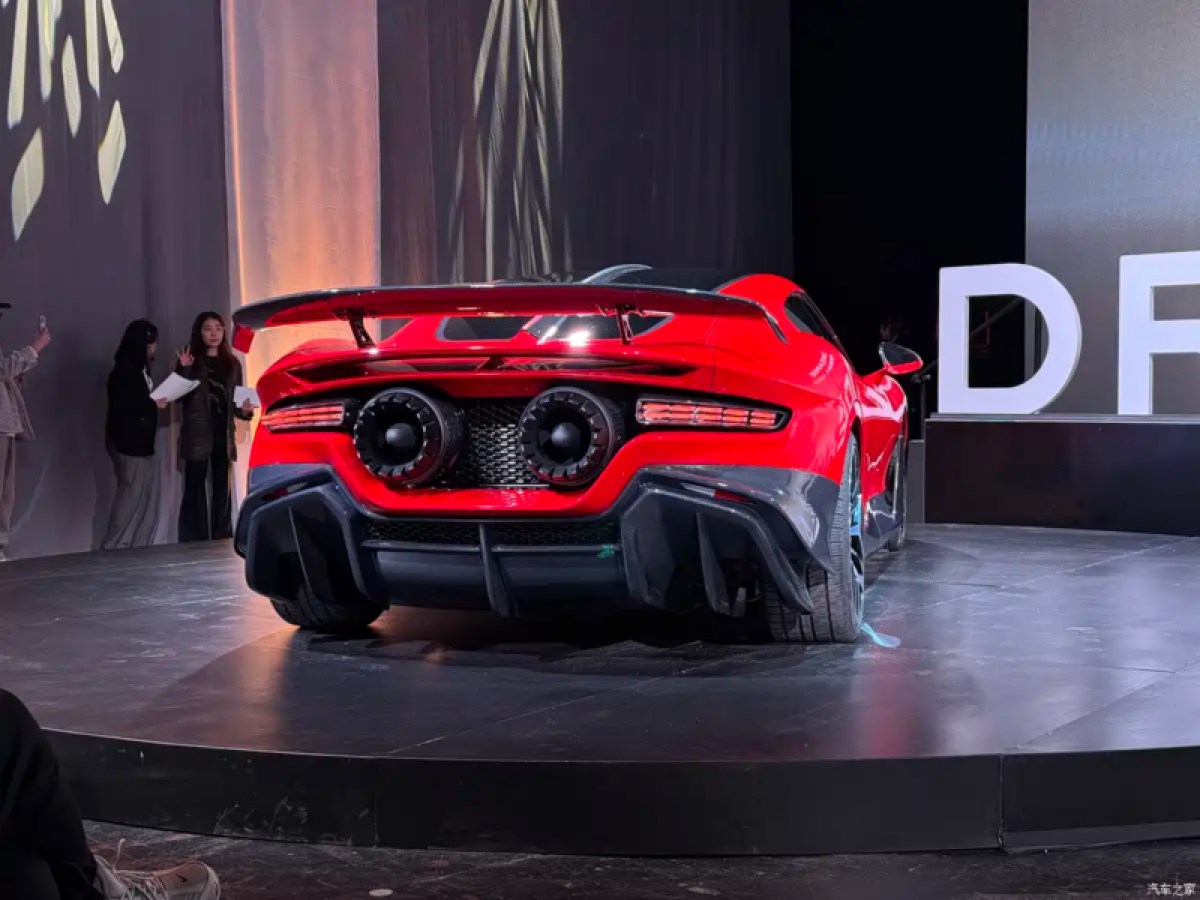
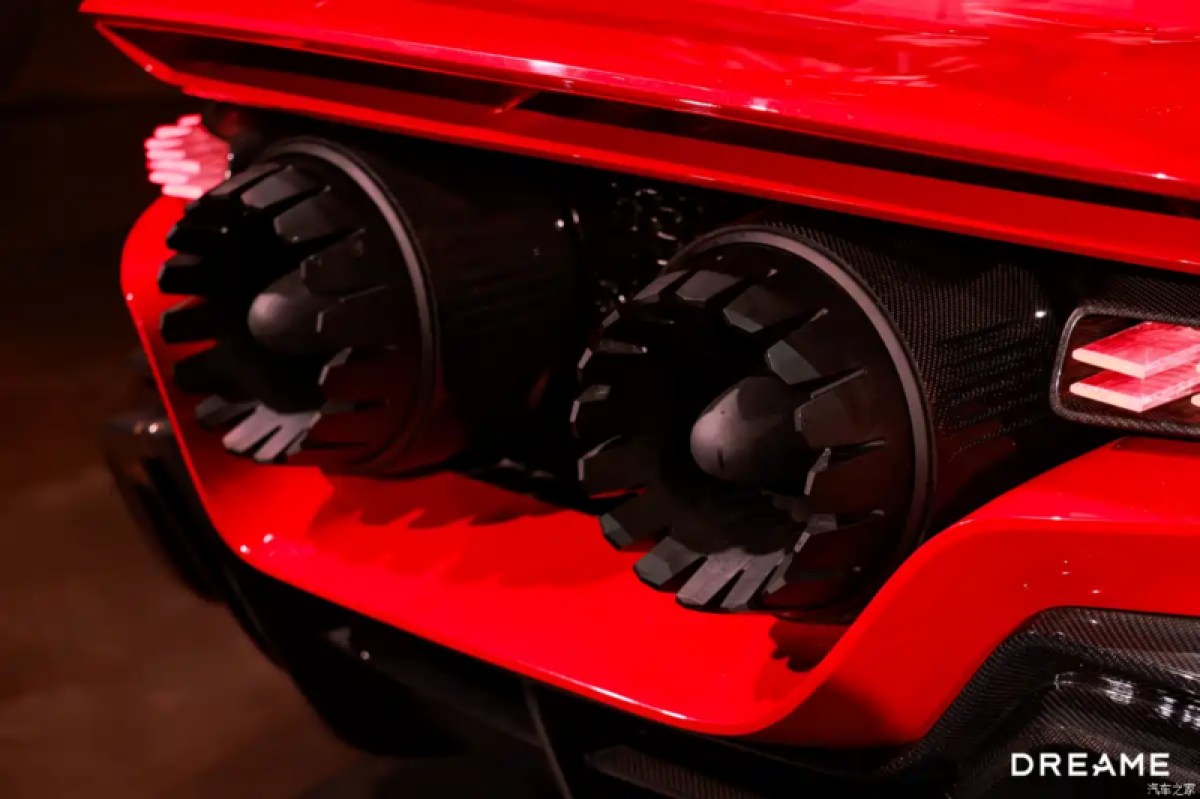
To achieve that near-mythical sprint - a feat that generates over 3g of chest-crushing acceleration - Dreame claimed to have bolted on dual solid-propellant aerospace thrusters delivering 100 kN of thrust, matching the punch of a commercial jet engine. Powering the package was supposed to be a sulfide-based all-solid-state battery pack with an energy density exceeding 450 Wh/kg and a CLTC driving range of over 342 miles.
If you spent five seconds analyzing those numbers, you were likely rolling your eyes. Achieving a genuine 0.9-second sprint on four wheels requires tearing up the laws of tire friction - unless you have downforce fans like the McMurtry Speirling or literal rocket hardware that would instantly incinerate whatever unlucky family hatchback was sitting at the traffic lights behind you.
But don't take my word for it - the absurdity of Dreame's paper tiger is clear to see when you consider the cars actually conquering the upper limits of electric performance today. Rimac spent more than a decade perfecting the Nevera, a quad-motor carbon masterpiece that commands a staggering $2,300,000. The Nevera uses 1,914 horsepower to hit 62 mph in 1.81 seconds.
Over in China, Yangwang U9 Xtreme, a track-focused weapon with trick active suspension and four motors generating over 3,000 ponies, manages a zero-to-62 mph sprint of 2.36 seconds. If you want anything approaching sub-1.5-second sprints, you need a radical, single-seat fan-car like the McMurtry Speirling - a tiny track-only projectile measuring just 135.8 inches long and 62.2 inches wide while tipping the scales at a featherweight 2,200 lb.
Yet here was a robot vacuum manufacturer claiming it had bypassed all of that painstaking mechanical evolution in a matter of months. The truth, as it inevitably does in the car business, leaked out through the floorboards. Former employees revealed that the initial supercar prototype Dreame rolled out at the Consumer Electronics Show in Las Vegas was not even a functional vehicle. It lacked a real structural chassis and had to be maneuvered across the exhibition hall via an internal remote control system.
The show only went wilder with the "Rocket Car." Insiders disclosed that the vehicle body was allegedly sourced from a commercial model-making workshop in Shanghai for several million yuan (well over $400,000) before being fitted with cosmetic thrusters and custom hardware designed purely to dazzle smartphone cameras and generate social media clicks. The rocket thrusters were not a revolutionary propulsion breakthrough - they were theatrical props.
Behind the closed door, the corporate architecture was properly messed up. Instead of funding engineering from the ground up, Dreame operated on an inverted financial logic: project teams were tasked with securing outside speculative investment before any research and development budgets were assigned. The company poached talent from legacy automakers by offering astronomical salaries and executive titles, yet those engineers quickly learned their primary job was pitching sizzle reels to venture capitalists, not building cars.
The house of cards collapsed once regulatory authorities stepped in. Chinese municipal bodies began auditing the deployment of local investment subsidies and industrial grants, and in the process restricted Dreame's ability to burn through state-backed capital on speculative mobility experiments. When the financing taps dried up, the dream ended. A division that employed nearly 1,000 staff at its peak saw layoffs sweep through the ranks starting in May. Today, only a handful of legal and finance specialists remain to settle supplier debts and formally dissolve the corporate entities.
This cautionary tale provides quite a contrast within the wider tech-to-EV landscape. When Dyson attempted to build an electric SUV, Sir James Dyson poured more than $690,000,000 of his own fortune into developing a genuine, drivable prototype before admitting the numbers simply did not work for commercial viability.
Smartphone giant Xiaomi put billions into building dedicated factory, custom die-casting machines, and a bespoke electric architecture to turn the SU7 into a legitimate showroom triumph. Dreame, by comparison, attempted to jump straight to the finish line without doing the homework, hoping that hype alone could manufacture a car company out of thin air.
Now, CEO Yu Hao is beating a hasty retreat back to familiar territory. Dreame has closed its speculative incubators to refocus strictly on four core product categories: floor vacuums, robotic lawnmowers, electric two-wheelers, and its "Magic Atom" robotics division, all while keeping one eye on an upcoming public market listing.
There is absolutely zero shame in building great household appliances. Making a robot that navigates a living room carpet without eating your cat is a genuine achievement. But building a production EV needs expensive crash tests, brutal thermal tests, chassis tuning, supply chain discipline, and regulatory compliance - and that's only a few stumbling blocks. Talking about rocket thrusters and 0.9-second sprints might win you a headline or two, but out on the road, physics and reality have the final word - always and without fail.
Related
Reader comments
- Anonymous
Their CEO had announced Tesla's bankruptcy, calling it an unsustainable business model. It's pretty funny to see how things stand today.
- 28 Aug 2026
- pnP