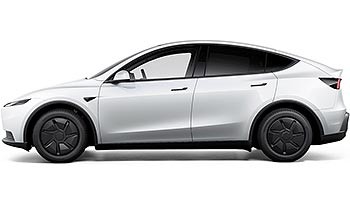
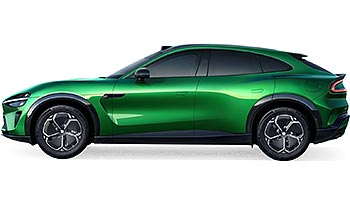
Geely will supply technology for future EVs from Mercedes-Benz
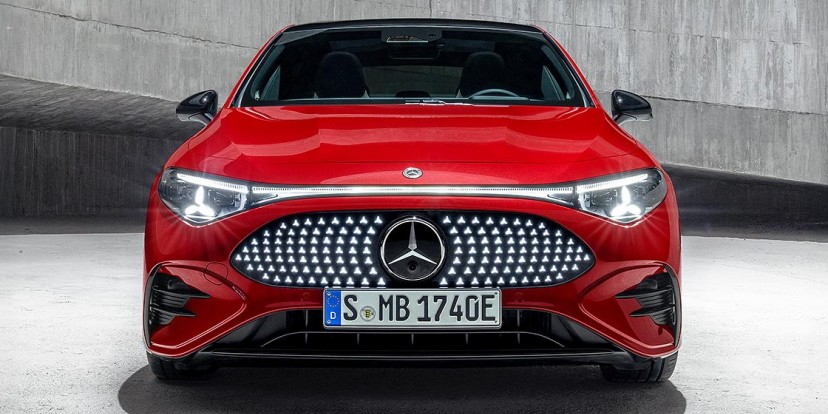
The biggest names in the industry are finding new ways to keep up with the fast-changing EV world. Mercedes-Benz has been building luxury vehicles for over 130 years. But now, it is turning to China to help design its next generation of EVs, instead of doing everything at its home base in Germany. This is a major shift for a brand that usually keeps its engineering secrets close to home.
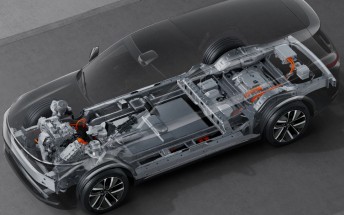
Mercedes-Benz plans to build a brand-new platform for its smaller electric cars, at the moment only known by the code name "Phoenix." To make it happen, the German automaker is teaming up with a Chinese company Geely. Mercedes will use Geely's electronic and electrical architecture, known as GEEA 4.0. This technology is the "brain" of the car, controlling everything from the battery to the screen on the dashboard.
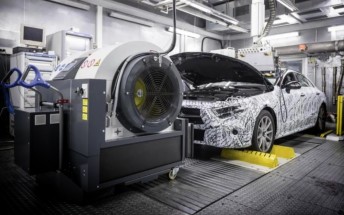
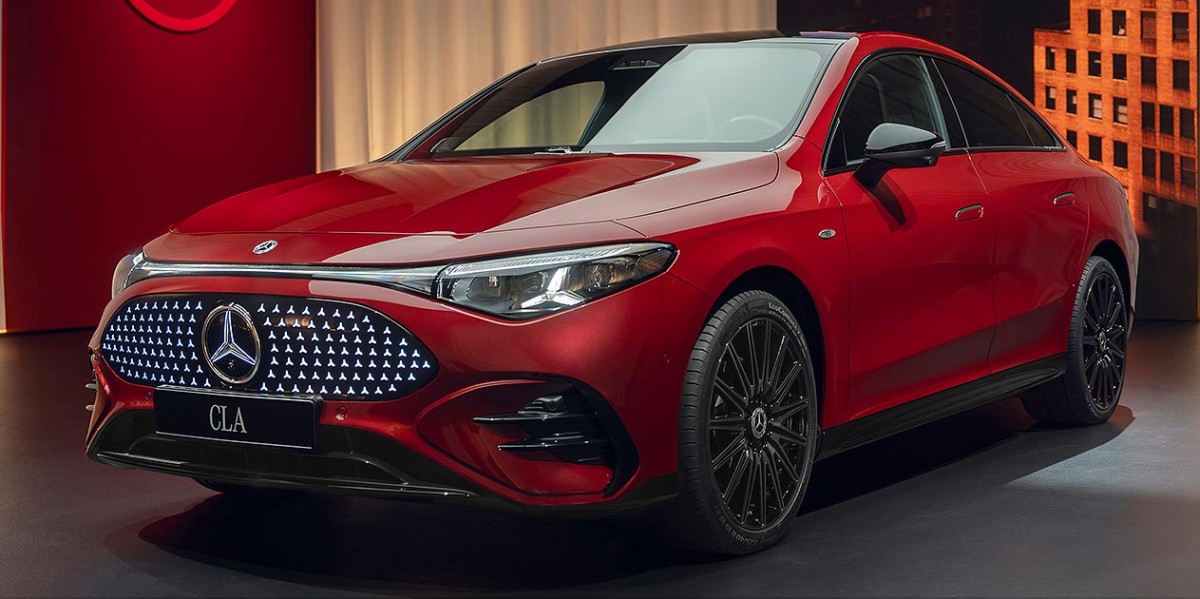 The next generation of the Mercedes CLA will be built on Geely's platform GEEA 4.0
Why would a famous German brand use technology from a Chinese partner? The answer is simple: it saves a lot of money. Building electric cars is expensive, and Geely has figured out how to keep costs low. Mercedes-Benz executives even visited Geely's research centers and took apart their cars to see how they were built. They found that Geely's methods could help Mercedes make a better profit while still offering the high quality people expect from the brand.
This is the first time Mercedes-Benz has ever let an engineering team outside of Germany take the lead on a global project. The Mercedes-Benz China R&D Center in Beijing will now be the global headquarters for developing compact vehicles. This team has about 2,000 workers who will oversee the design and development of these new models. It is a huge responsibility for the team in China, but it shows how much Mercedes trusts the local experts there.
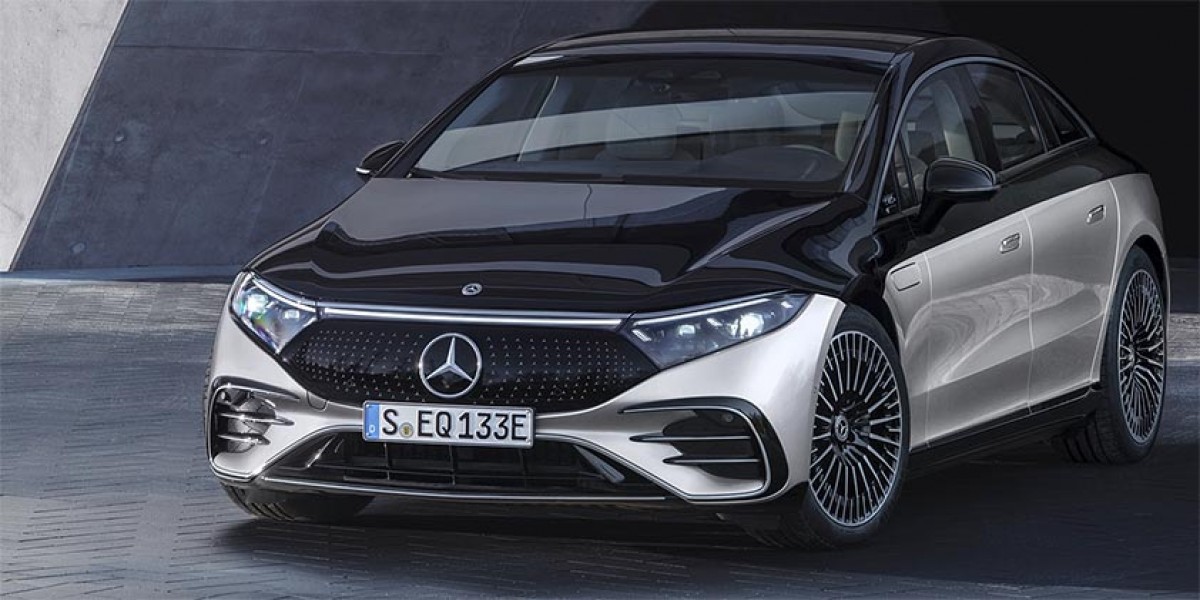 Mercedes EQS is not selling well
The new Phoenix platform will be the foundation for several popular models. These include the A-Class, the B-Class, and the next CLA. The company expects these cars to go into mass production by the year 2030. These vehicles will be sold all over the world, not just in China.
The car market in China has become very competitive, and Mercedes needs all the help it can get. Local Chinese brands like Nio and Aito are selling many luxury EVs, making it harder for foreign brands to keep up. Last year, sales for Mercedes in China dropped by 19% to about 550,000 units. Ten years ago, the company was selling nearly the same amount, which means growth has stalled. By using Chinese technology and supply chains, Mercedes hopes to win back customers.
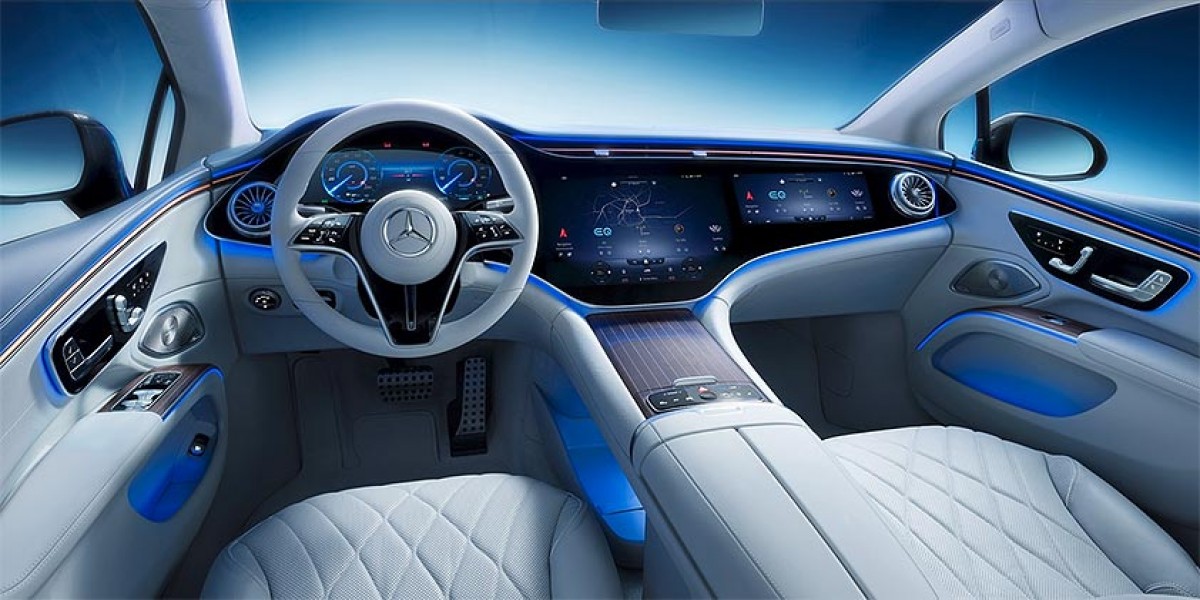 Interior of the Mercedes EQS - source: Mercedes-Benz
Mercedes teaming up with Geely is actually a part of a bigger trend in the car world. Other big companies are doing exactly the same thing. Volkswagen is working with XPeng, and Stellantis has invested in Leapmotor. These companies realized that China has become a leader in EV technology and batteries. By working together, they can build better cars faster than if they tried to do it all by themselves.
Even though the focus is on saving money and using new tech, Mercedes-Benz says its cars will still feel like they should - the goal is to blend German style with Chinese innovation. By 2030, the "Phoenix" project will show if this gamble paid off. For now, it is clear that the future of electric cars involves a lot of teamwork across different borders.
Related
Reader comments
Nothing yet. Be the first to comment.