Global EV sales hit record 20.5 million in 2025 with BYD snatching the crown from Tesla
The global shift toward electric cars reached an important milestone last year. In 2025, drivers around the world bought 20.53 million new energy vehicles. This group includes battery-electric cars (BEVs), plug-in hybrids (PHEVs), and fuel-cell vehicles. This is a 26% jump compared to the year before, proving that the appetite for EVs is still growing, even if the pace is starting to shift.
The numbers are big, but experts at TrendForce expect things to calm down a bit in 2026. Global EV sales are projected to reach 23.4 million units this year - still an increase, but the growth rate is expected to drop to 14%. A big reason for this change is China, which until now was the main engine driving the world's electric car market. That market is maturing now, and the rapid-fire growth we saw in previous years is naturally slowing down.
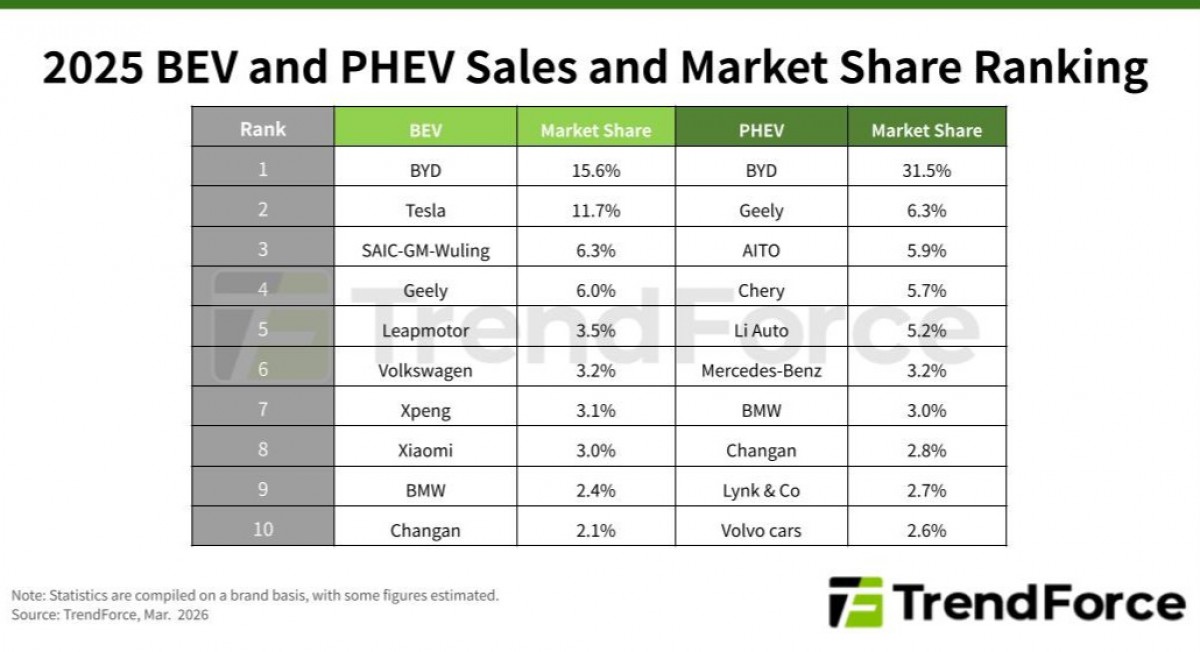 Global EV sales rankings - source: TrendForce
China still holds the title of the world's largest market for electric cars, accounting for about 66% of all sales in 2025. Its own growth rate sat at 24%, which was actually a little bit lower than the global average. On the other side of the map, Western Europe had a fantastic year. Sales there grew by nearly 30%, marking the best performance for the region since 2022.
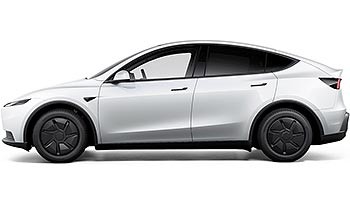
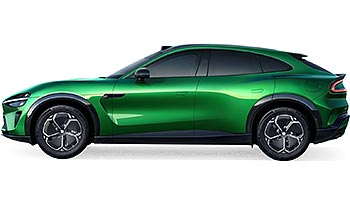
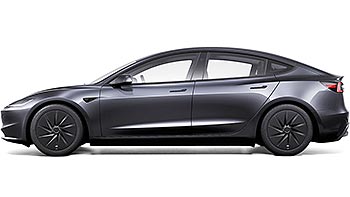
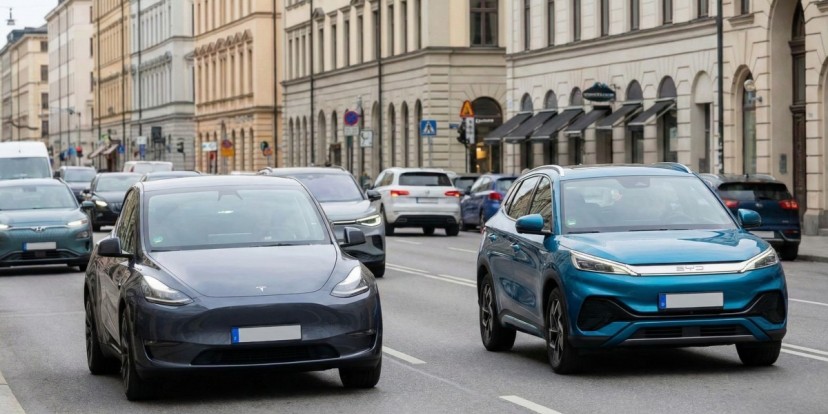
The most shocking news from the 2025 rankings involves the battle at the top. For the first time, the Chinese brand BYD has overtaken Tesla to become the world leader in battery-electric car sales. BYD saw its sales grow by 25% over the year. Tesla, on the other hand, saw its sales slide by about 9%. Many analysts believe Tesla struggled because it did not release enough new or updated models to keep shoppers interested.
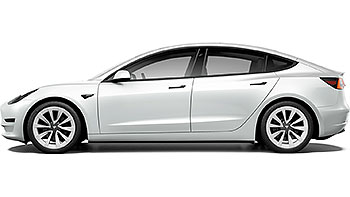
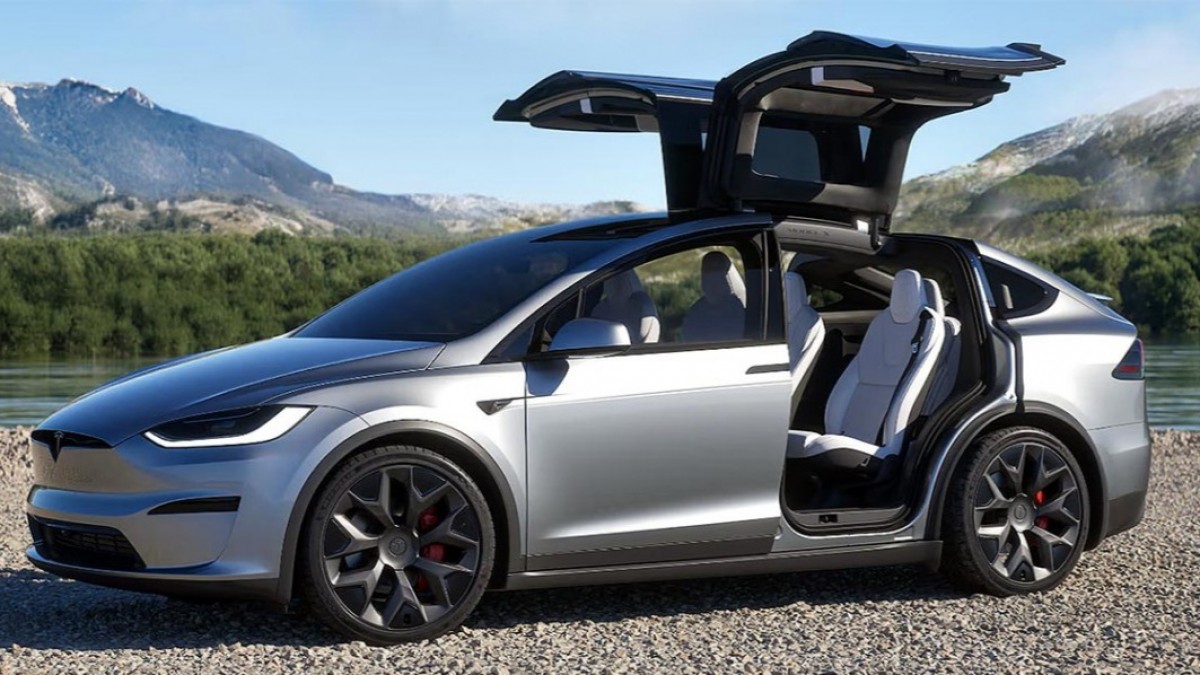 Tesla Model X - source: Tesla
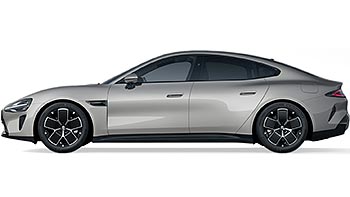
Other Chinese companies are also making big moves. Geely climbed up to fourth place in the global rankings, doubling its market share from 3% to 6%. A lot of that success came from a small, affordable car called the Xingyuan, which costs less than 100,000 Chinese Yuan (about $13,800). Even the tech company Xiaomi is getting in on the action. It tripled its market share from 1% to 3% in just one year, landing it in eighth place globally.
Volkswagen is having a tougher time. Even though the German giant sold more cars overall, it lost ground in China. To fix this, Volkswagen launched a new brand specifically for Chinese drivers. They are also working closely with XPeng to build new cars together. We should see the first results of this partnership hit the streets real soon.
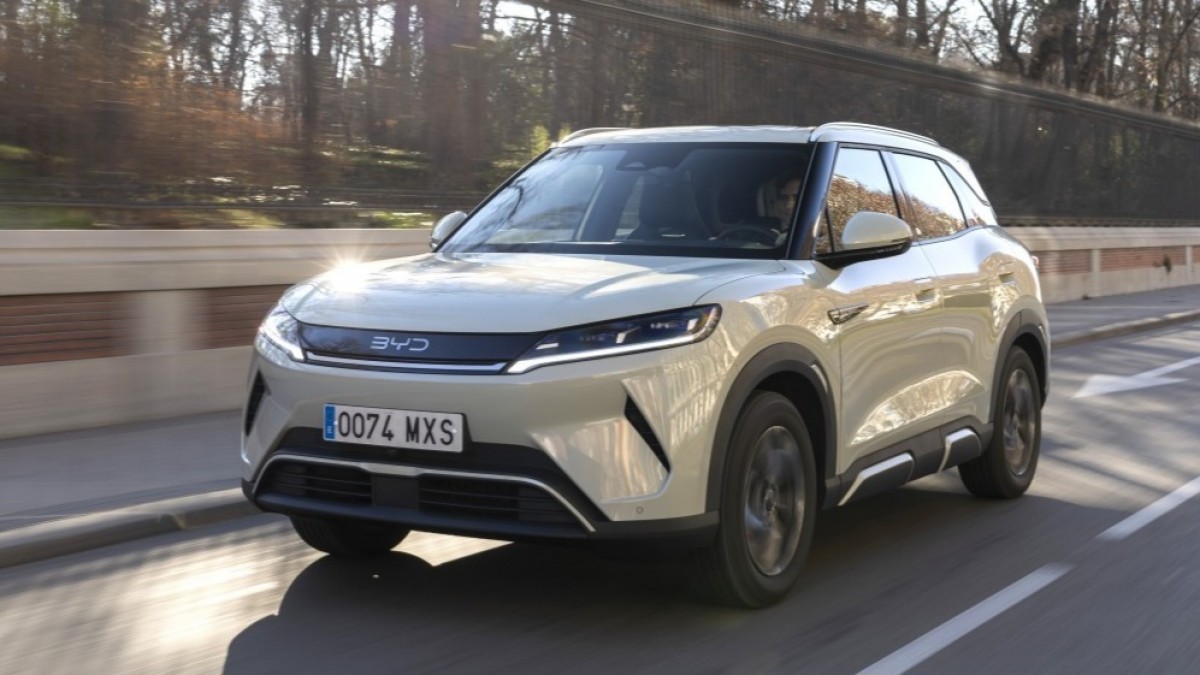 BYD is the new King of EV Sales
In the world of plug-in hybrids, BYD is still the king with a 31.5% market share. Unfortunately, even the king had a rough patch, seeing its first-ever drop in sales volume. Meanwhile, Li Auto, which used to be in second place, had a very difficult 2025. Its sales fell by 30%, and it dropped to fifth place in the hybrid rankings. To fight back, Li Auto is spending a lot of money on Artificial Intelligence to make its cars smarter and more high-tech.
2026 will bring some big changes to how people pay for electric cars. In China, the government is changing how it gives out discounts. Instead of a flat cash amount, the subsidy will be a percentage of the car's price. This might make cheaper cars feel more expensive for buyers. In the United States, the situation is even more dramatic because federal subsidies for EVs have ended completely. Germany, on the other hand, is bringing back its subsidies and won't care where the car was built, which is great news for brands imported from China.
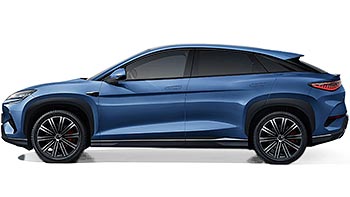
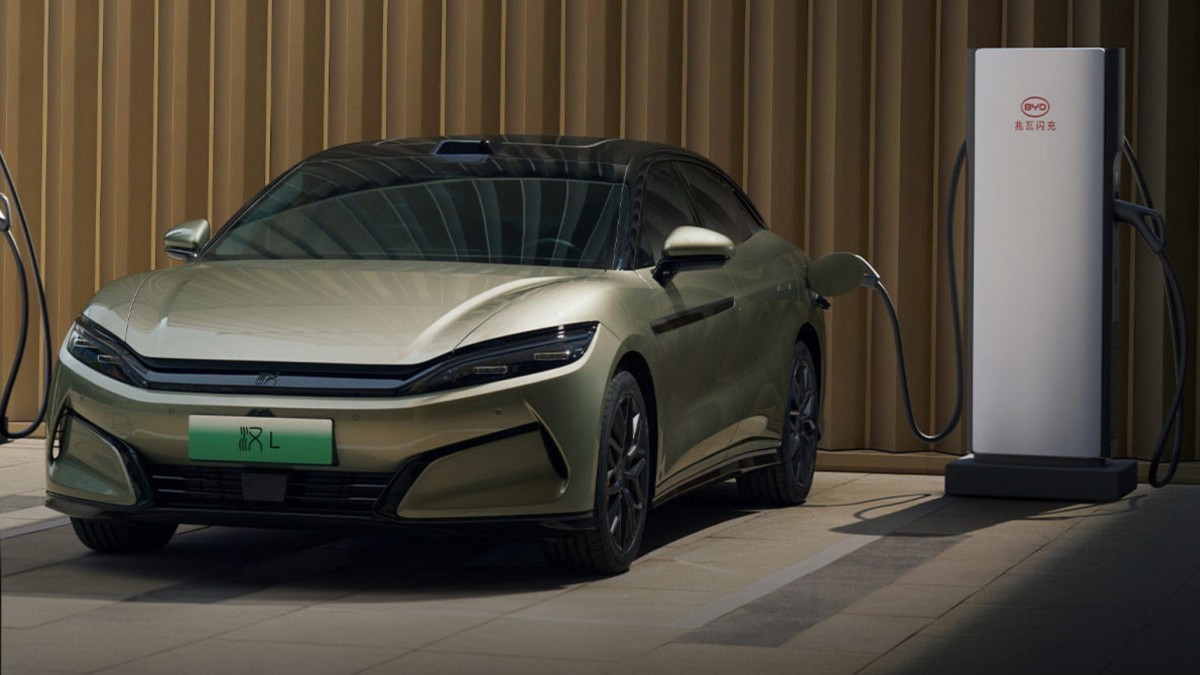 BYD Han L - source: BYD
Building high-tech EVs is also getting more complicated - modern electric cars are basically computers on wheels, and they need a lot of memory chips. These chips usually only make up 1% to 5% of the total cost of building the car. If the price of critical components goes up or the supply runs low, it can cause big delays - something we have witnessed for the last few years. Automakers are now working harder than ever to make sure they have a steady supply of parts so they can keep their factory lines moving and their software updated.
2026 is shaping up to be a year of big changes. The EV markets around the world are maturing, and many automakers are bringing more affordable models to customers, while others are calling it quits on electric cars. The world is slowly getting divided with entire countries taking either a pro-EV stance or going back to fossil fuels - something we did not expect to ever happen.
Related
Reader comments
Nothing yet. Be the first to comment.