Xiaomi is betting big on the new SkyNomad N70 and N90 EREVs
If someone told me five years ago that the tech empire responsible for making my smartphone would be rewriting the rules of large family haulers, I would have laughed them right out of the room. Yet, here we are in mid-2026, and Xiaomi is no longer just a smartphone brand playing dress-up in the car industry. They are now officially an automotive juggernaut.
Fresh off the massive success of their pure-electric SU7 saloon and YU7 crossover, the Chinese giant has pulled off a fascinating handbrake turn. They have thrown open the pre-order books for their brand-new SkyNomad series - introducing the N70 Max and the flagship N90 Max. Where is the U-turn? After calling the range-extended EVs the "wrong direction" (back in 2024), they are bringing EREVs to the market - just as industry analysts are claiming that this specific market in China is starting to contract. Is Xiaomi picking a fight in a crowded room?
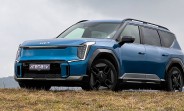
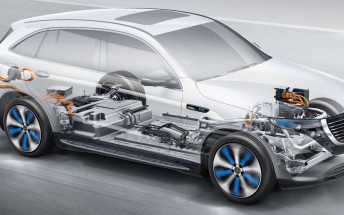
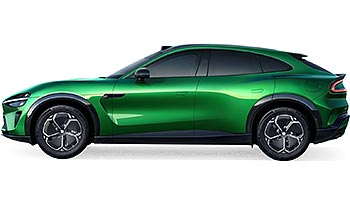
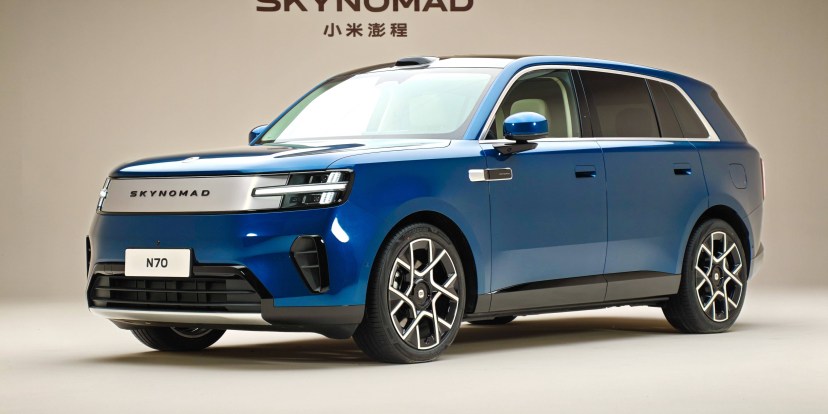
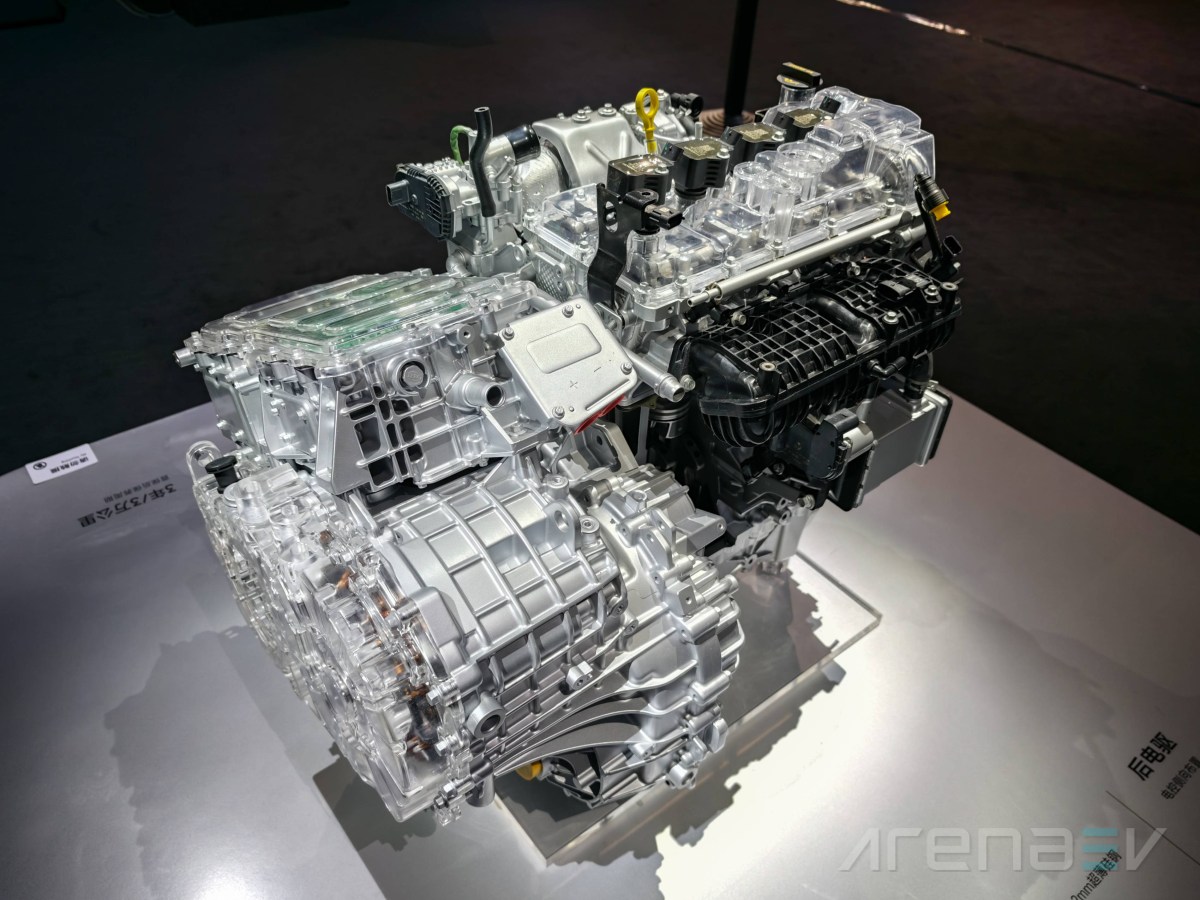
The new entry-point to Xiaomi's SUV lineup brings an athletic stance to a crowded field, challenging the premium status quo with a blend of software smarts and long-legged range. The SkyNomad lineup uses an EREV setup, which means the wheels are spun exclusively by electricity. The 1.5L internal combustion engine under the hood from Dongan never actually puts any power down - it lives its life as an on-board generator to keep the battery topped up.
Some purists might scoff at the idea, but when you put your right foot down in the N70 Max or N90 Max, you won't care. Both of these machines pack a dual-motor all-wheel-drive system pushing a combined peak output of 310 kW. That is 416 horsepower, firing the massive N90 Max from zero to 62 mph in 5.9 seconds before topping out at 118 mph. This proper, relentless surge of electric torque will feel less like a family road-tripper and more like a freight train.
During the big reveal, Xiaomi CEO Lei Jun took direct aim at the established EREV guard. He proudly exclaimed that the N70 Max grabs the crown for the longest pure-electric range among production range-extenders, claiming 314 miles of battery-only driving from its 76 kWh NMC pack (under the highly optimistic CLTC testing cycle).
To drive the point home, he flashed a slide comparing his new baby against unnamed rivals, pointing out that vehicles carrying everything from 63.3 kWh to 80.3 kWh batteries routinely fail to cross the 311 miles threshold. He left the labels as "Competitor A" and "Competitor B," but anyone with an eye on the market can see right through the corporate veil. Competitor A is glaringly the Leapmotor D19, a car that packs a larger 80.3 kWh pack but runs out of battery juice at exactly 311 miles.
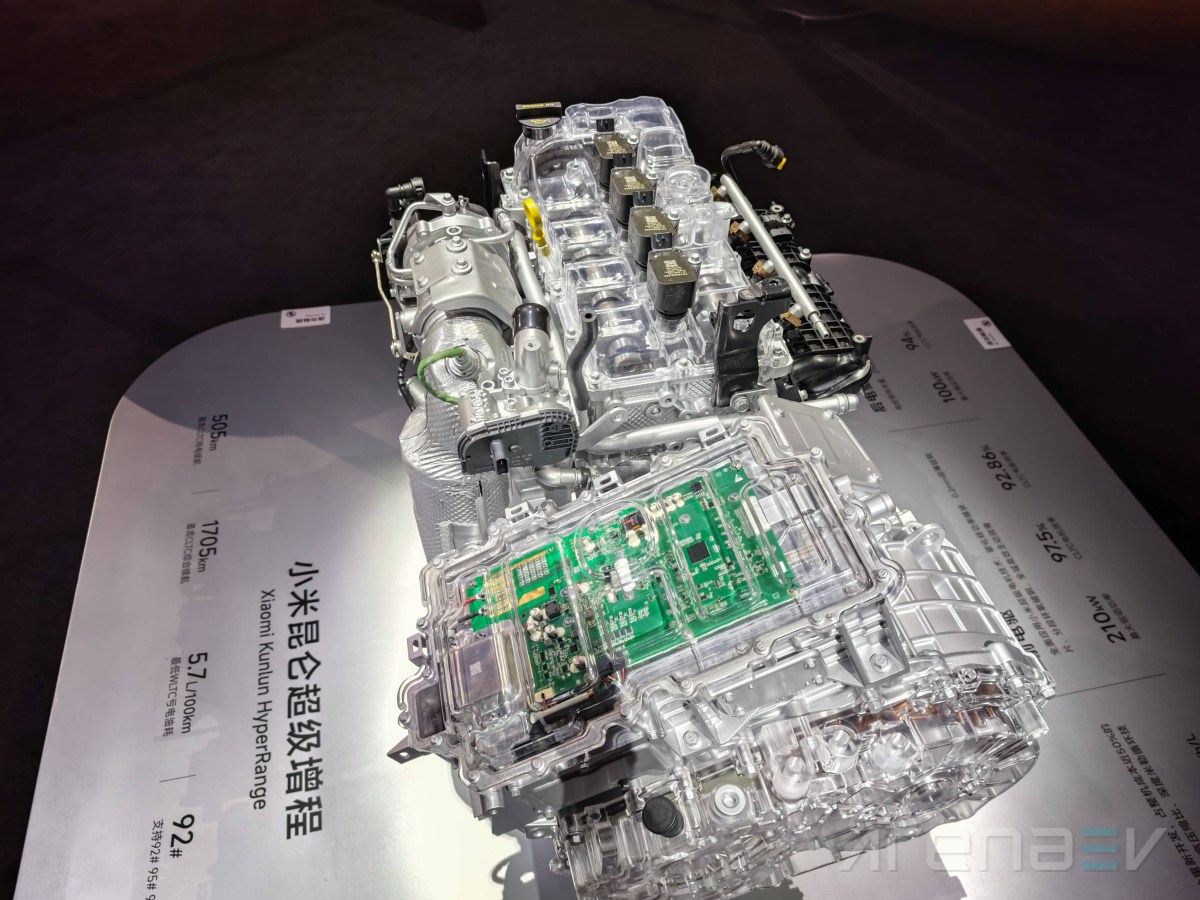
When you look past the raw performance numbers and dive into the actual efficiency math, the SkyNomad's powertrain engineering becomes even more compelling. Xiaomi claims the platform can sip juice at an impressively frugal 15.85 kWh/62 miles under CLTC conditions - achieved through clever engineering optimization tricks like low-rolling-resistance tires and high-efficiency silicon carbide electronics.
But the real magic trick belongs to that Dongan-sourced generator; the range extender operates at a peak thermal efficiency north of 44%, converting every single liter of unleaded into roughly 4 kWh of pure electrical energy. Even when the battery drops to absolute zero and forces the internal combustion unit to do all the heavy lifting, the flagship N90 Max still posts a highly respectable WLTC-rated consumption of 0.2211 ft³/62 miles - with Xiaomi claiming a baseline floor as low as 0.201 ft³ per 62 miles under optimal testing conditions.
Give that highly optimized generator a full tank of gas, add a fully topped-off battery, and the massive N90 Max will clear 1,059 miles of total combined range before calling for a rest, effectively throwing a huge comfort blanket over any lingering road-trip range anxiety.
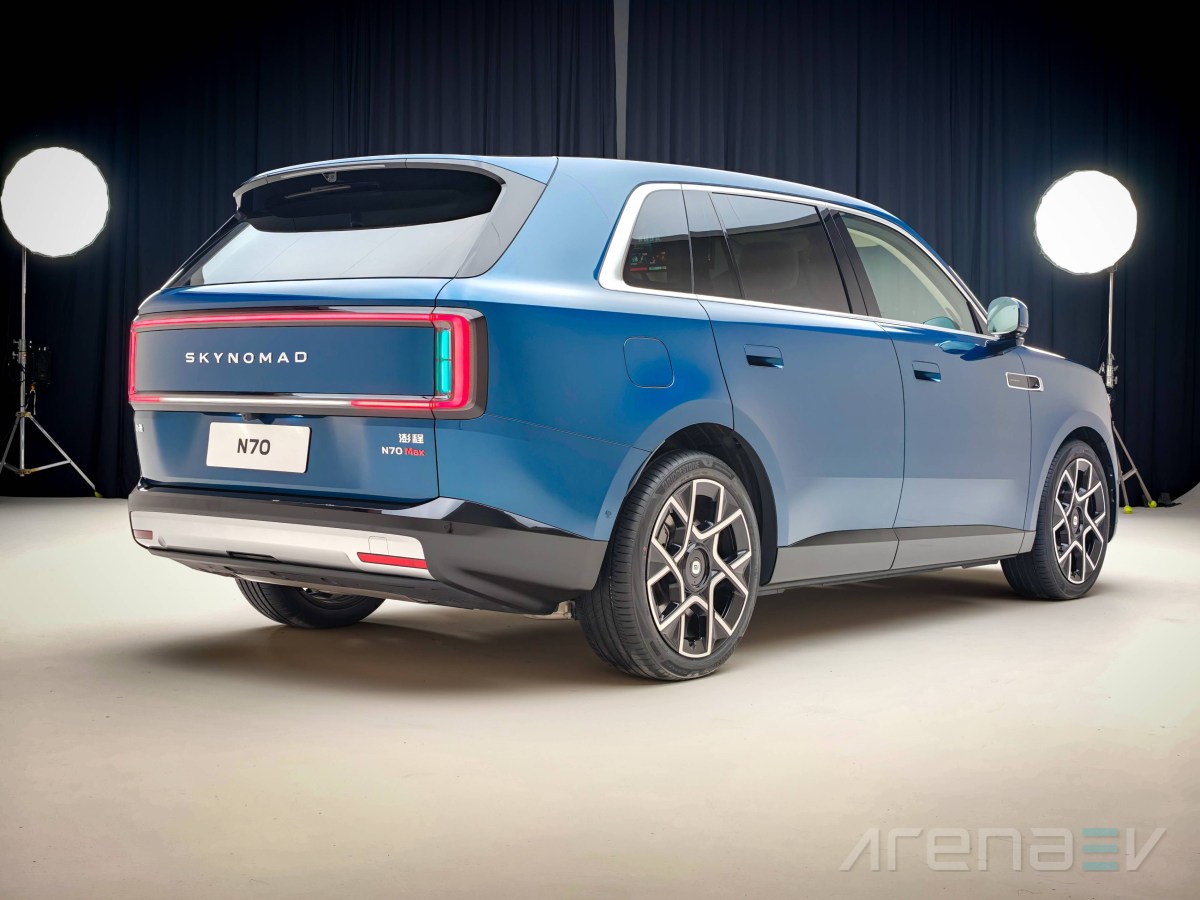
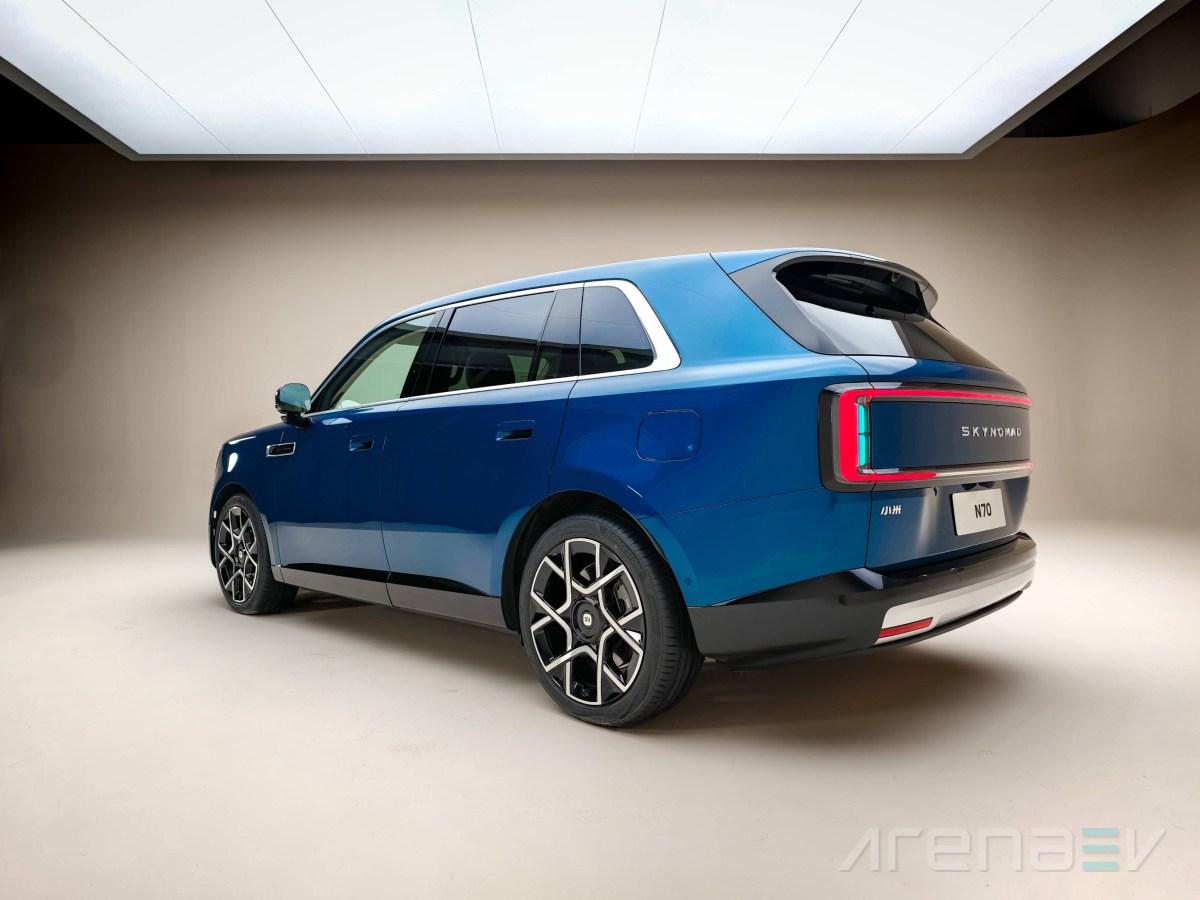
But how did the N70 Max manage to beat the D19 despite having a smaller battery? It all comes down to the simple physics - the Leapmotor D19 is a literal house on wheels at 206.8 inches in length, 78.5 inches in width, and 70.1 inches in height, riding on a cavernous 122.4 inches wheelbase. In comparison, the sleeker SkyNomad N70 Max keeps its proportions slightly more reined in, measuring 195.3 inches long, 78.7 inches wide, and 70.3 inches tall, with a 116.1 inches wheelbase.
But if you think Xiaomi is afraid of building a behemoth, look closely at the N70's big brother. The full-size SkyNomad N90 Max stretches out to an imposing 208.1 inches in length, matches its sibling at 78.7 inches in width, and stands taller at 71.9 inches, pinned down by a 121.3 inches wheelbase. That puts the N90 Max in a claustrophobic street fight against premium giants like the Li Auto L9 and the Aito M9, where every millimeter counts when you are trying to squeeze into a tight garage.
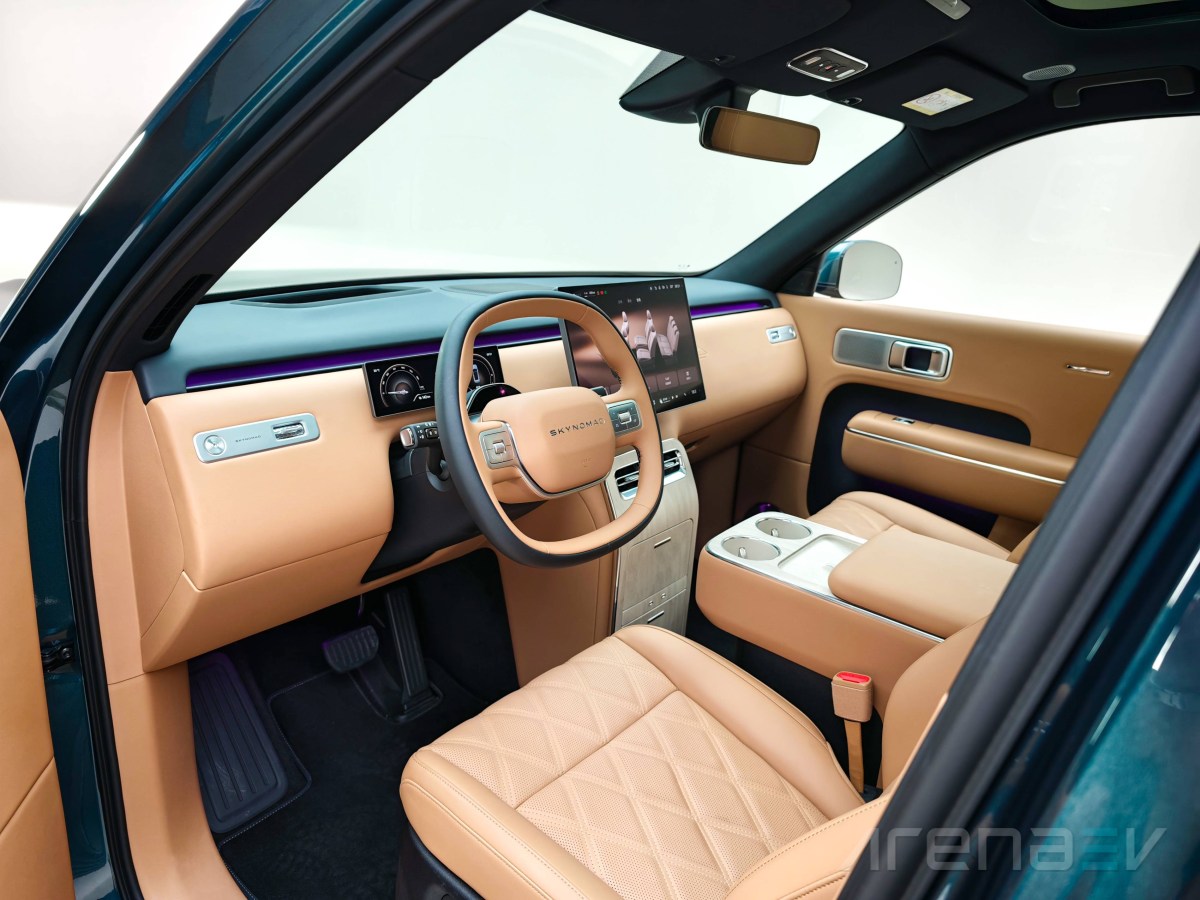
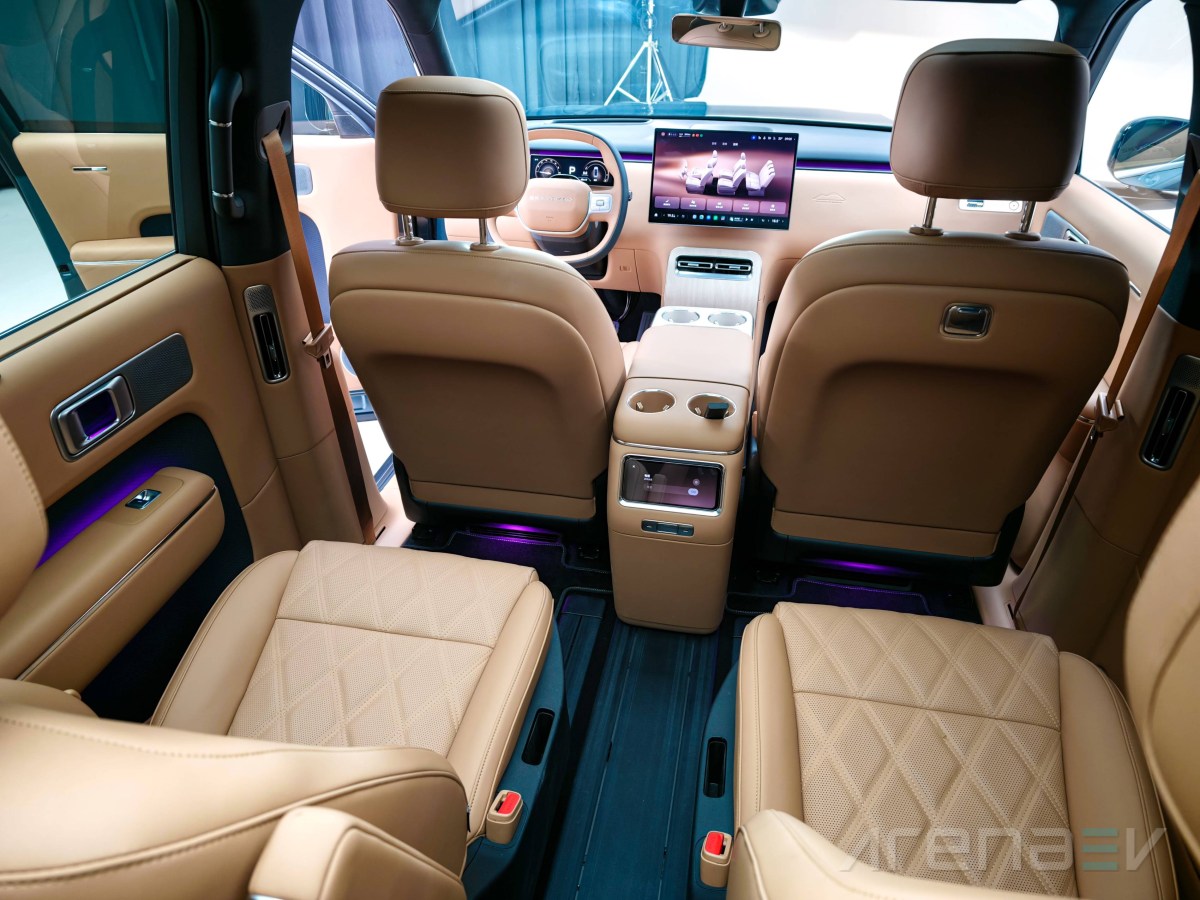
Step inside the N90 Max and you will realize Xiaomi is trying to sell a living room on wheels. The cabin has an engineering layout with six longitudinal seat rails, allowing the second and third rows to slide freely. There are four zero-gravity seats with 16-point massage functions, and you can even opt for a pop-up in-car table to turn your vehicle into a mobile boardroom or a mobile dining room.
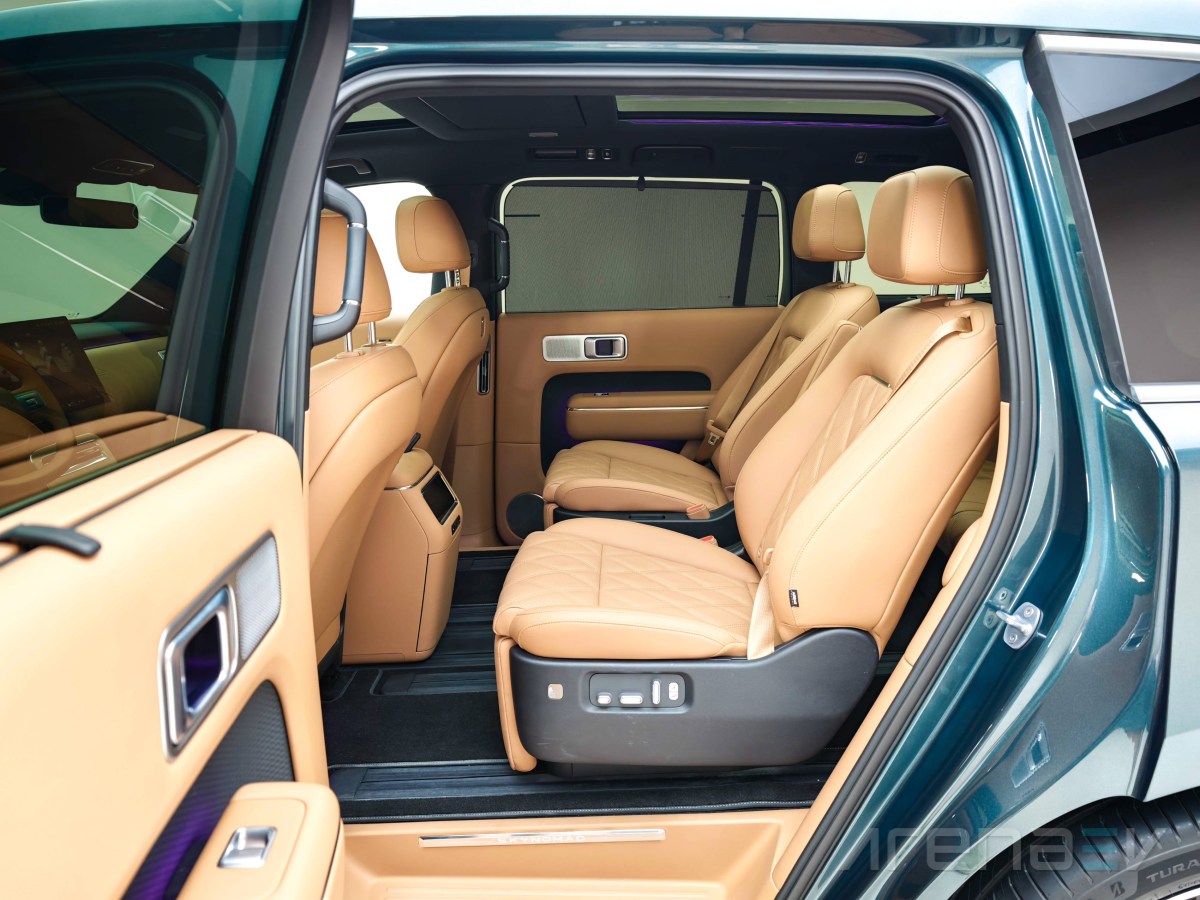
If you happen to enjoy blowing out your eardrums while cruising down the highway, Xiaomi has crammed 25 speakers into the cabin, delivering 4,890 W of acoustic power. Managing this rolling tech-fest is a cutting-edge Nvidia Thor 4nm chip producing a peak computing power of 700 TOPS. Up on the roof, there is a LiDAR sensor that sticks out like a high-tech blemish, but it handles the automated driving suite with great precision.
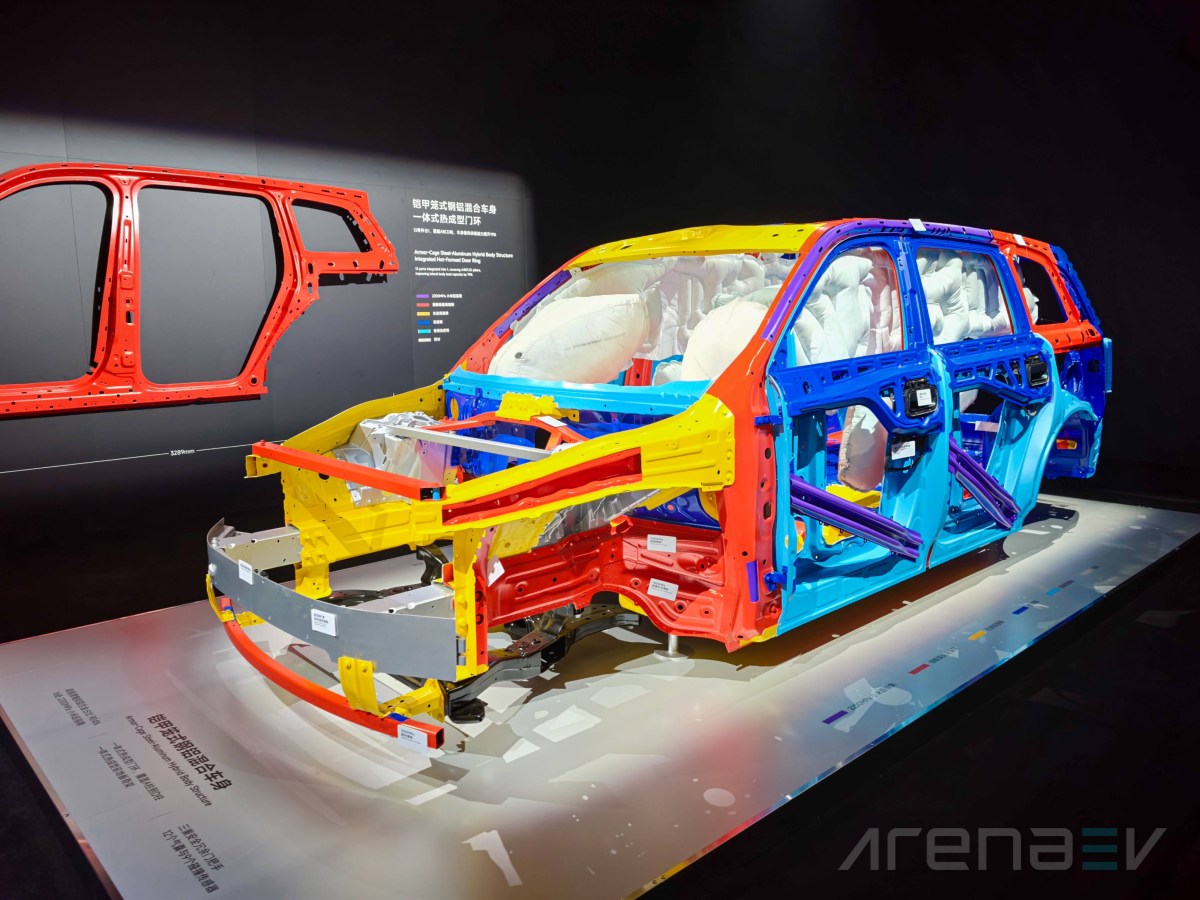
What I find genuinely impressive, though, is how rigidly engineered these giant bodies are. The N90 Max uses 90.4% high-strength steel and aluminum alloy, reinforced with 2200 MPa steel in 16 crucial safety spots. To show off, Xiaomi conducted a double tire blowout test, blowing out both left tires simultaneously at 99 mph with seven people on board, and the SUV stabilized itself to a controlled stop. A major part of that rigidity comes from a massive, one-piece hot-formed door ring measuring 10.8 ft in length and 4.9 ft in height that spans all three rows.
From a safety perspective, that is fantastic, but from a practical ownership standpoint? These single hot-formed pieces have notoriously terrible repairability - if a minor fender bender tweaks that frame ring, you are essentially looking at a total loss or an eye-watering repair bill. At least the mechanicals are heavily protected, with the EREV system and electric motors covered by an eight-year or 99,400 miles warranty, alongside a relaxed maintenance interval scheduled just once every three years or 18,600 miles.
The sudden rush into the EREV space is a huge strategy shift from Xiaomi's initial master plan. When they entered the auto industry, they went all-in on pure battery power to challenge the likes of Tesla. And it worked beautifully: Xiaomi Auto recorded 185,055 vehicle deliveries in the first half of 2026 alone (an impressive 17.2% jump year-over-year). But to hit Lei Jun's incredibly ambitious 2026 full-year target of 550,000 units, pure electrics simply won't cut it anymore due to persistent infrastructure gaps in rural regions.

Xiaomi needs the mass-market appeal of a gas-backed safety net. The irony is that they are leaping into this pond just as the EREV segment faces fierce pressure from an expanding web of ultra-fast charging stations, meaning they will have to fight tooth and nail against rivals like Lynk & Co, Denza, Voyah, Deepal, Zeekr, and Li Auto to capture a shrinking slice of the once lucrative pie.
Fortunately, Xiaomi knows how to leverage a brand and pricing sheet. The entry point for the pre-sale of the five-seat N70 Max starts at RMB 259,900 yuan (which translates to roughly $38,410), while the massive, flagship seven-seat N90 Max will set you back RMB 299,900 (around $44,570). Keep in mind, these are the top-shelf Max trims, meaning the standard and Pro variants arriving down the pipeline will be even cheaper when the official launch drops in September.
Buyers in China can secure a spot in the production line right now with a refundable RMB 1,000 ($147 USD) deposit. Will this range-extended gamble successfully fuel Xiaomi's breakneck sprint to 550,000 sales? With this level of performance, luxury, and tech on the table, they have given the premium establishment a rude wake-up call, for sure. We expect Xiaomi to shout about order numbers in the next day or so - that's when we will get a clearer picture if this gamble pays off.
In the meantime, and if you have spare couple of hours, here is the full unveiling of the Xiaomi SkyNomad N70 and N90 - it is long but if you want to geek out on Xiaomi's latest endeavour, here it is:
Related



Reader comments
Nothing yet. Be the first to comment.