Europe loosens its 2035 combustion ban - legacy automakers buy more time
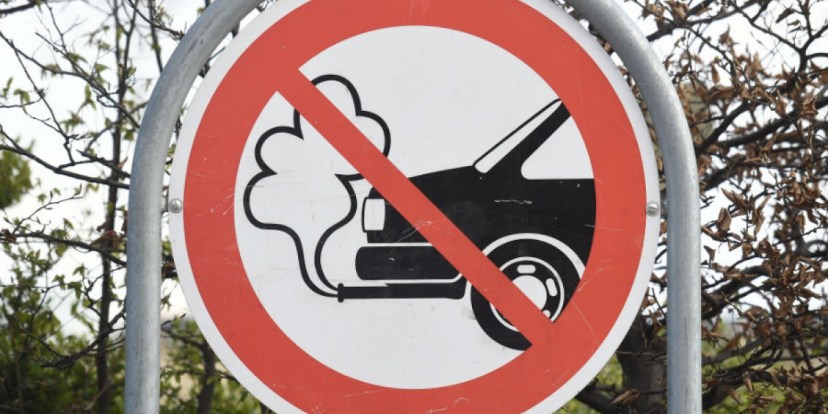
Have you bought a new car in Europe over the last five years? You have probably gone through a showroom experience that felt much like a lecture. Salespeople trying to steer us away from petrol engines and toward battery power, warning that the old ways had an expiry date... For ordinary drivers who do not have a driveway to plug in at night, or who regularly haul heavy loads for hundreds of miles, that deadline felt divorced from the reality of daily life. Now, after years of grand declarations, the politicians in Brussels have looked at the sales charts, listened to panicking factory bosses, and blinked. But is that a good thing?
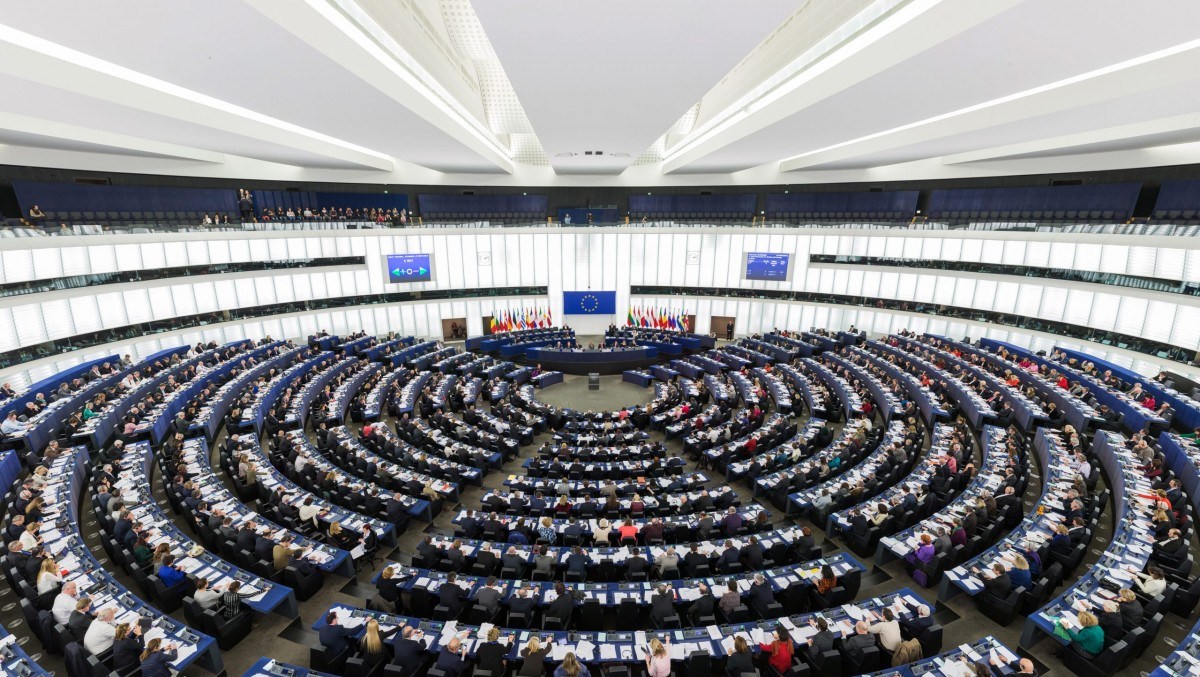
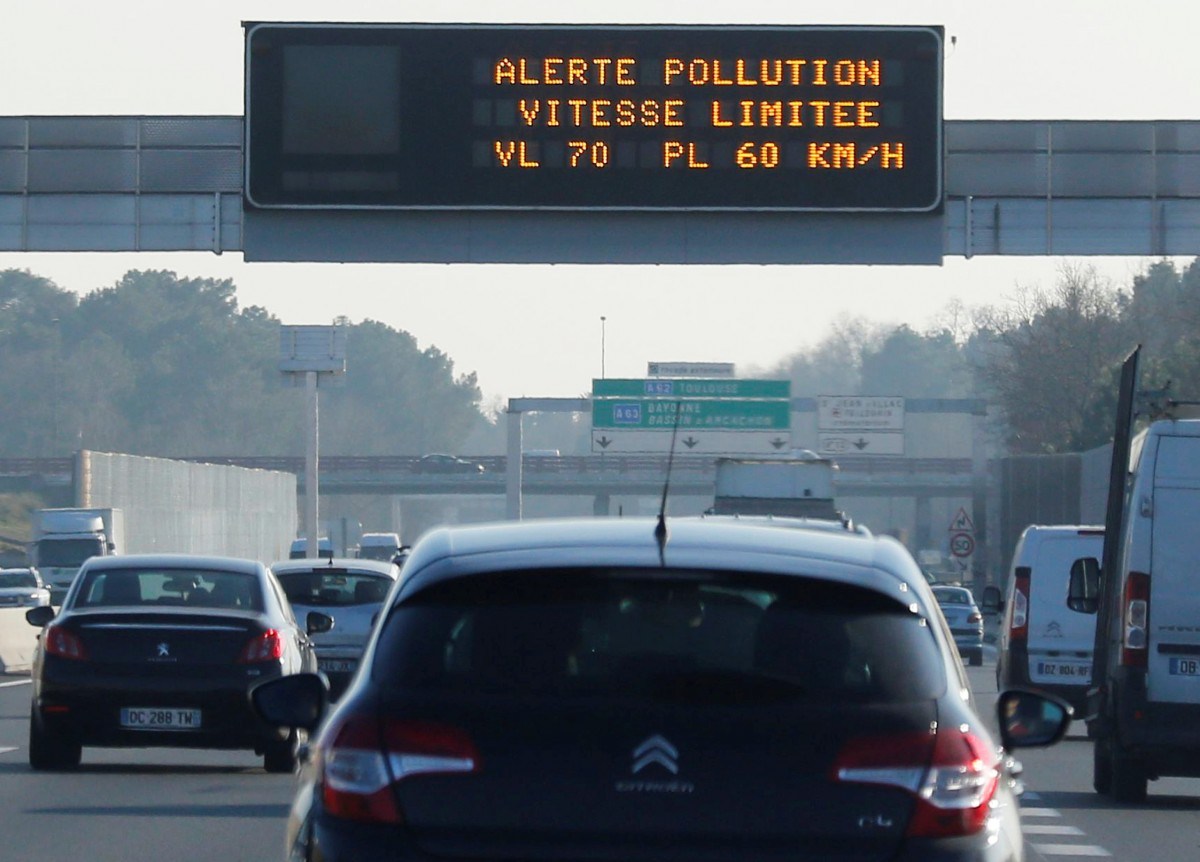
A new political agreement among the main factions in the European Parliament - the center-right European People’s Party, the center-left Socialists, and the liberal Renew group - scraps the total ban on internal combustion engines planned for 2035. Rather than a 100 percent reduction in tailpipe emissions, the new proposal asks automakers like Volkswagen, Stellantis, and BMW to hit an 87.5 percent cut. They can then trim another 7.5 percent off their balance sheets by building cars with low-carbon green steel. That mirrors a joint push from France and Germany that called for a 90 percent reduction target. With a full parliamentary vote set for the end of November and final member state negotiations to follow, the takeaway is clear: combustion engines and plug-in hybrids will stick around well past the middle of the next decade.
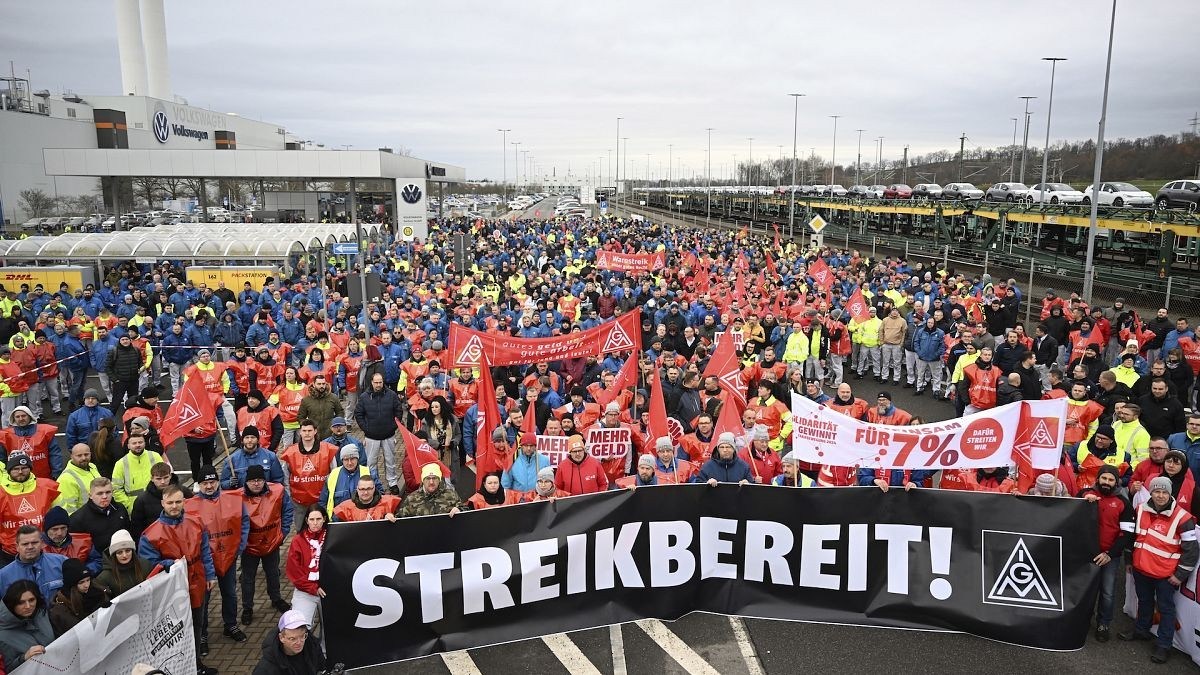
Manfred Weber, who chairs the EPP group, wasted no time calling the deal a major victory for hundreds of thousands of European auto workers. Having visited assembly plants in Wolfsburg and Turin over the years, I understand why union leaders and executives are breathing a sigh of relief. Building an internal combustion engine or a multi-speed dual-clutch gearbox needs thousands of precision-machined parts and huge teams of skilled machinists. Battery packs and electric motors take a fraction of that labor. When executives promised a painless transition to an all-electric lineup a few years ago, I took that with a ton of skepticism. It was obvious to anyone testing their early electric efforts that the charging networks were too patchy and the prices were way too high for average families to afford once government subsidies fizzled out.
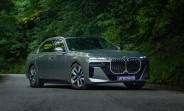
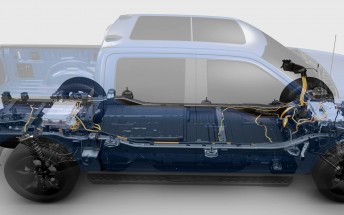
This policy retreat reveals a huge divide in how Europe’s biggest carmakers set up their fleets. BMW looks really smart today. Its rivals burned billions developing standalone electric platforms, but engineers in Munich stuck to flexible architectures that could have petrol, diesel, hybrid, or pure battery power and still use the same assembly line. BMW refused to put all its eggs in one basket, and gave itself an insurance policy that is now paying off.
Volkswagen Group took a very different path, betting the house on the MEB platform, and suffered serious software and packaging issues along the way. Stellantis tried to straddle the middle ground with multi-energy platforms across brands like Peugeot and Opel, and this new parliamentary deal plays right into their hands, especially with the inclusion of looser rules for commercial vans and new supercredits for small battery electric vehicles. It seems the lawmakers have finally realized you cannot legislate people into buying cars they simply cannot afford.
Unfortunately, the new policy doesn’t actually fix anything - it probably will make things much harder down the line. The real danger is not in slowing down the transition, and it has nothing to do with European politics. It’s all about what is happening in Shenzhen and Shanghai. Critics of this relaxed 2035 target point out that European brands will get a chance to squeeze another decade of profits out of piston engines, but Chinese manufacturers are advancing their battery chemistry and software integration at a blistering pace.
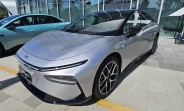
If you step out of a European crossover and into a BYD Seal or an XPeng G6, the gap in digital usability and cabin electronics is painful. Chinese automakers do not care if Brussels allows a 5 or 10 or even 15 percent emissions cushion for legacy engines - they are building affordable, tech-heavy electric cars for the global stage. Europe, on the other hand, risks turning its home market into a technological museum if it stops pushing battery innovation.
There is, of course, plenty of political theater baked into the fine print of these negotiations. Alongside the green steel offsets and van exemptions, there has been constant chatter about keeping combustion engines alive through carbon-neutral synthetic fuels and biofuels. Laurent Donceel, the secretary general at the European ethanol association ePURE, dismissed an earlier proposal to run cars exclusively on renewable fuels after 2030 as “overly restrictive window dressing.” From an engineering standpoint, burning synthetic e-fuels makes very little sense when you look at the energy required to produce them. Even if you blend more crop-based ethanol into standard pump fuel, the supply simply is not there to cover Europe’s entire vehicle fleet without driving up the prices.
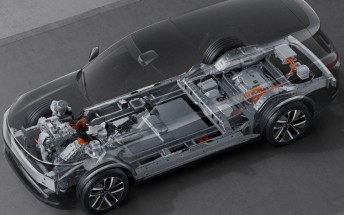
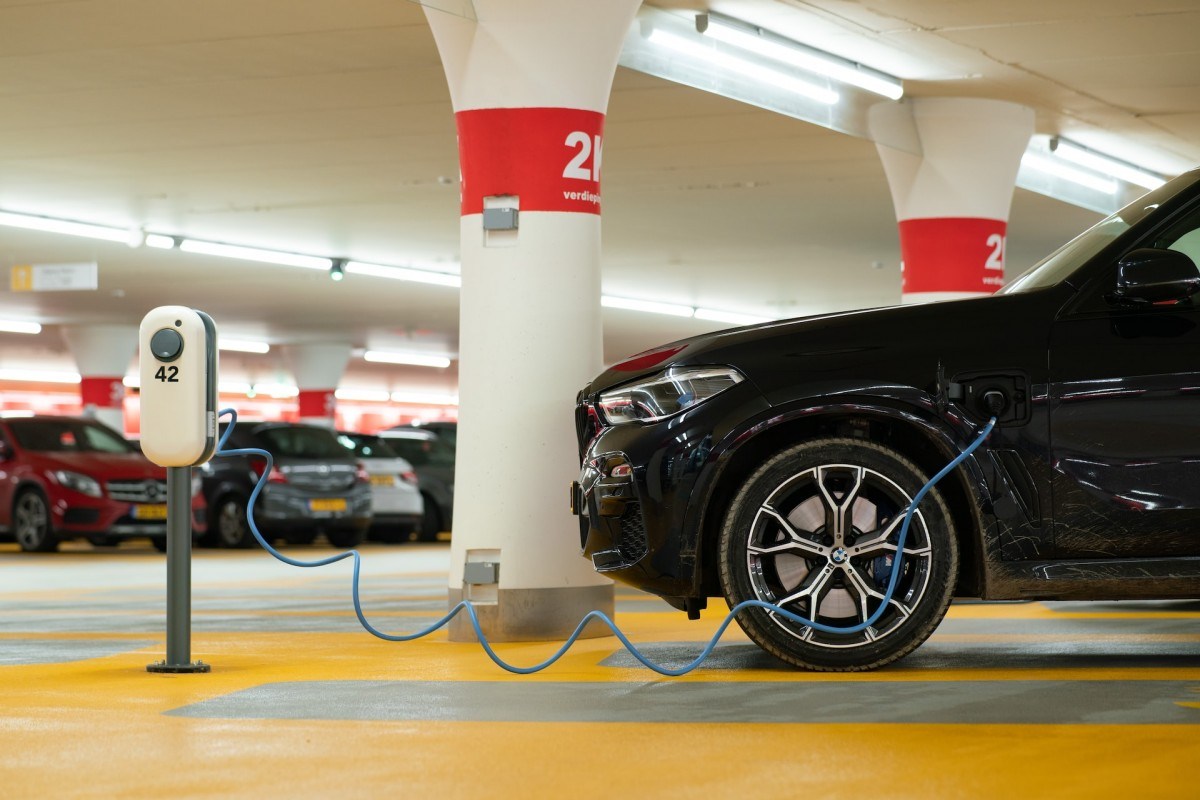
For the everyday driver, what this Brussels compromise really delivers is the survival of the plug-in hybrid and the range-extended electric vehicle. In the real world, a well-sorted plug-in hybrid with a 20 kWh to 25 kWh battery pack gives you 50 miles to 62 miles of local electric driving for the school run and commute. A compact four-cylinder engine eliminates range anxiety on holiday road trips. In the past, early hybrids were criticized because drivers never plugged them in, using a petrol engine to haul around 551 lb of dead battery weight. Modern systems are way more efficient, and giving engineers the breathing room to refine these setups - or to copy the Chinese trend of using a small petrol engine as an onboard generator to feed an electric motor (Xiaomi SkyNomad N90) - is a compromise that matches how people actually use their cars.
Treating 2035 as a flexible milestone rather than a brick wall is the most sensible decision European lawmakers have made in years. A transition to a single technology was bound to backfire when the charging infrastructure (which honestly is the biggest problem here) and household incomes failed to keep pace with political ambition. The internal combustion engine is no longer facing an execution date, which gives German, French, and Italian brands the cash flow they need for their factories and pension funds. But what they do with that extra time will decide whether we are still driving competitive European cars in 2040, or simply buying Chinese EVs with old European badges glued on.
Related


Reader comments
Nothing yet. Be the first to comment.