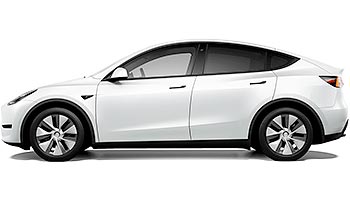
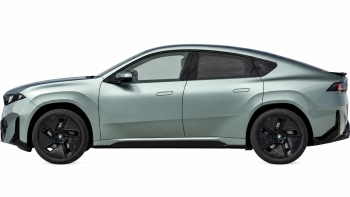
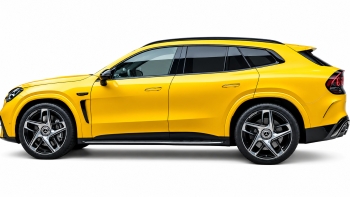
EU announces the import quotas for hybrid vehicles coming from China and other non-EU countries
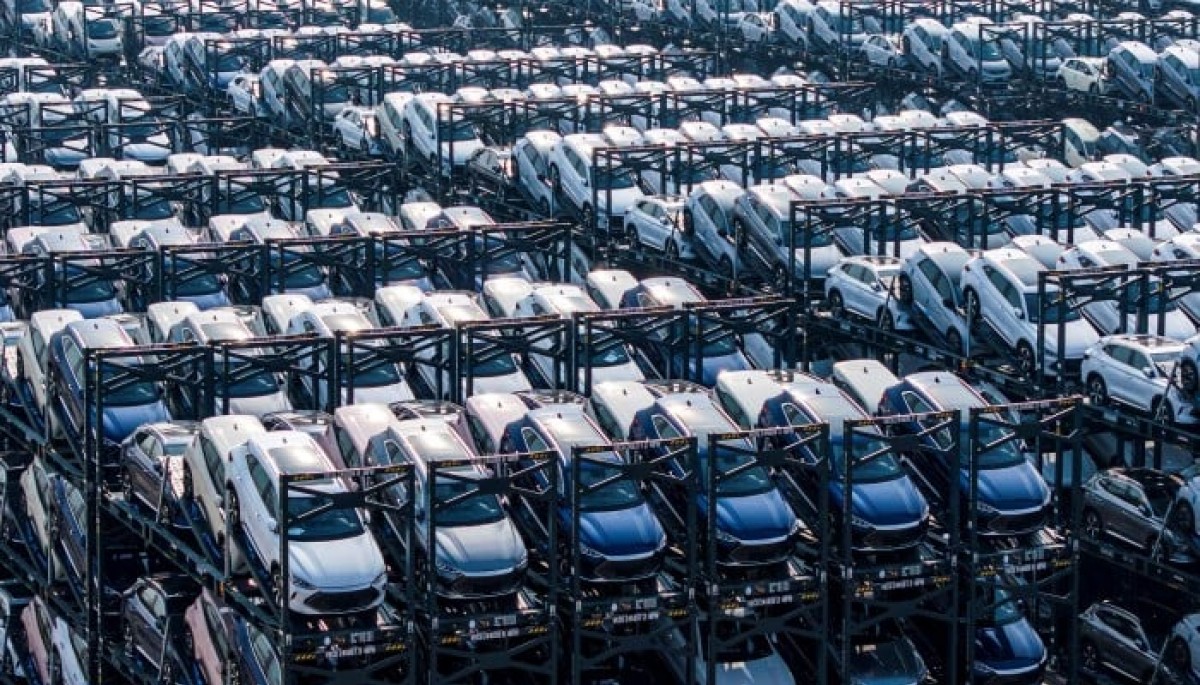
There have been ongoing discussions within the EU and between China and the EU about what to do with the growing number of hybrid vehicles flooding into Europe. At last, China and the EU agreed upon an annual quota for hybrid vehicle imports, which is 350,000 units. That's a 15% increase over the annual 2025 sales. However, the new directive will initially apply for 200 days, which is how legislators came up with the odd 191,780 number. The new rules will be in effect from December 1, 2026 until June 18, 2027.
China isn't the only market hit with a quota. The EU directive splits the importers into two categories: countries that get individual quotas and those that are left with residual quotas. Countries that have more than 2% market share in 2025 get individual quotas. Here's a short list of the countries with their own quotas. Besides China, Japan, Turkiye, the United Kingdom, South Korea, Mexico, Morocco, Serbia and the US are also hit by the limitations.
| Allocation per Country | Quota 1.12.26 – 28.2.27 | Quota 1.3.27 – 31.5.27 | Quota 1.6.27 – 18.6.27 |
|---|---|---|---|
| China | 86,301 | 88,219 | 17,260 |
| Japan | 76,900 | 78,609 | 15,380 |
| Türkiye | 56,844 | 58,107 | 11,369 |
| United Kingdom | 47,431 | 48,485 | 9,486 |
| South Korea | 30,566 | 31,245 | 6,113 |
| Mexico | 15,640 | 15,987 | 3,128 |
| Morocco | 10,779 | 11,019 | 2,156 |
| Serbia | 8,709 | 8,902 | 1,742 |
| United States of America | 8,317 | 8,502 | 1,663 |
The legislation covers plug-in hybrids, full hybrids and mild hybrids. However, EREVs are not included as they are treated as BEVs (Battery Electric Vehicles), so they are subject to different import tax rules.
The EU Commission cited one main reason for it, and that's "growing global production overcapacity." As evidenced by recent market data, there's a huge influx of hybrid vehicles in Europe, with China dominating the segment. The reason for this is that other countries have put up high trade barriers on imported vehicles, creating production overcapacity, and all vehicles are redirected to the European market. This in turn threatens the homegrown industry, despite the growing EU market. Just last month, Europe's EV market grew more than any other market in the world and is driving market growth single-handedly.
For now, the quotas will stay for only 200 days, but there are already talks about a permanent quota on Chinese imports. Some propose the same 350,000 quota, growing by 6% each year.
Related




Reader comments
Nothing yet. Be the first to comment.