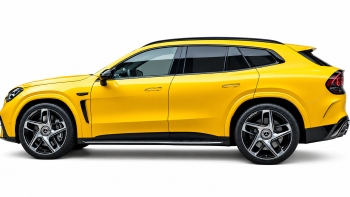
Rivian R2 Performance official efficiency numbers are out
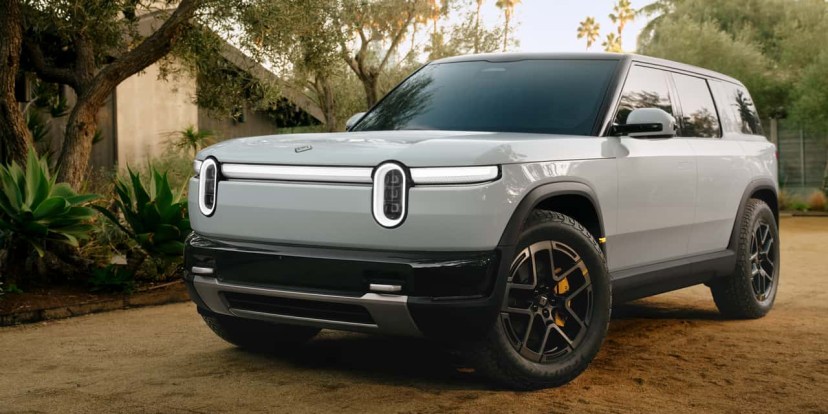
Official EPA data revealed an interesting shift - the new Rivian R2 Performance has completed its evaluation, matching its main rival, the Tesla Model Y Performance, in energy usage metrics. This is a huge change in the premium segment, as the newcomer challenges an established benchmark in energy optimization - and wins.
According to published ratings from the United States Environmental Protection Agency, the Rivian R2 Performance has a combined rating of 105 MPGe. This translates to an energy consumption rate of exactly 32 kWh per 100 miles, mirroring the Model Y Performance. Interestingly, the Rivian has a decent advantage in total driving distance, offering 330 miles on a full charge compared to the 306 miles delivered by the Tesla.
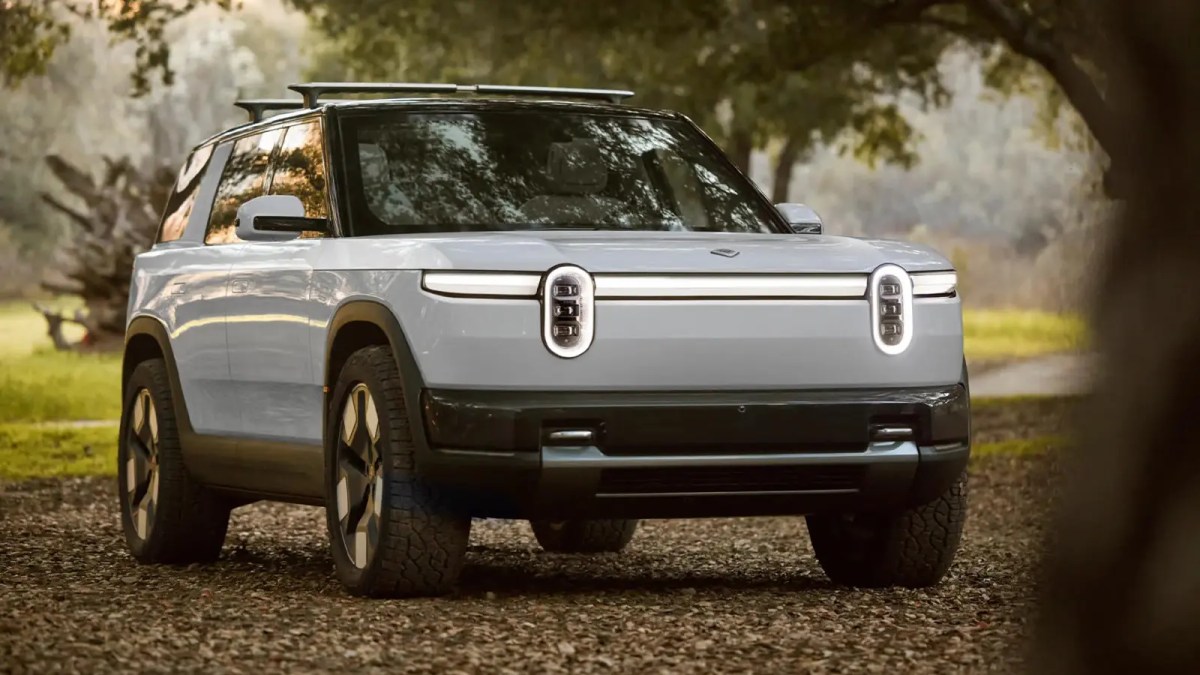
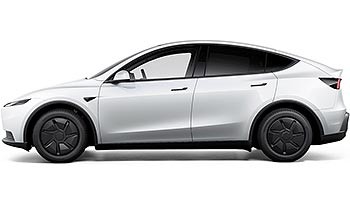
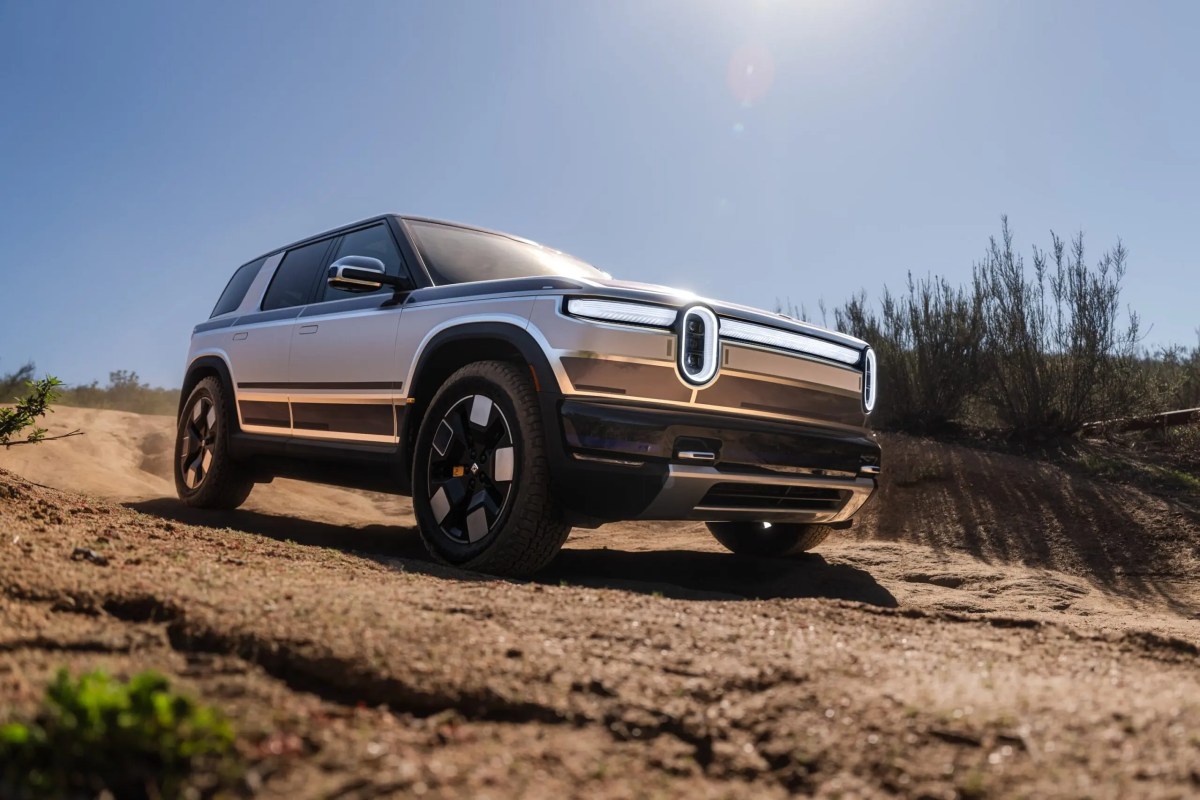
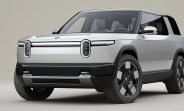
The identical efficiency ratings stand out even more because of the physical design differences of the two vehicles. The Model Y has a sleek, aerodynamic crossover design, but the R2 gets a traditional, upright SUV stance. The Rivian sits higher off the ground, stands taller, and has a boxy silhouette with an upright windshield, plus the R2 carries a big weight penalty, tipping the scales at roughly 5,249 lb, which is nearly 800 lb heavier than its Tesla counterpart.
Engineers generally expect taller and heavier electric cars to suffer in aerodynamic testing, which makes these equal ratings unexpected. Rivian managed to offset the physical disadvantages by giving the R2 Performance a slightly larger 86.8 kWh battery pack, whereas the Model Y Performance has an 84 kWh setup. This small difference allows the heavier vehicle to eke out an extra 24 miles.
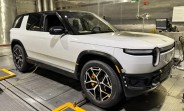
The choice of tires plays an important role in these final efficiency calculations. The headline figures for the R2 apply specifically to the standard 21-inch wheels wrapped in all-season rubber. Buyers who opt for the rugged 20-inch all-terrain tires will see a big drop in performance metrics. With the knobby tread pattern, the combined rating falls to 99 MPGe, energy consumption rises to 34 kWh per 100 miles, and the total estimated driving range drops to 307 miles.
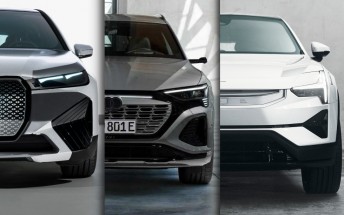
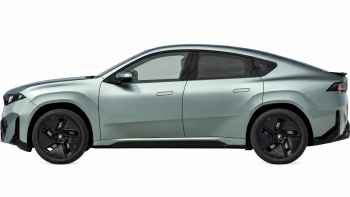
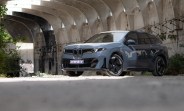
Interestingly, the R2 has a similar rating to the new BMW ix3 50 xDrive with 21-inch wheels. All three electric SUVs offer almost identical efficiency, although BMW wins the range race hands down courtesy of its larger battery. 399 miles on a full charge makes the BMW a real road trip weapon and our own test confirmed the iX3 is a real long-distance runner.
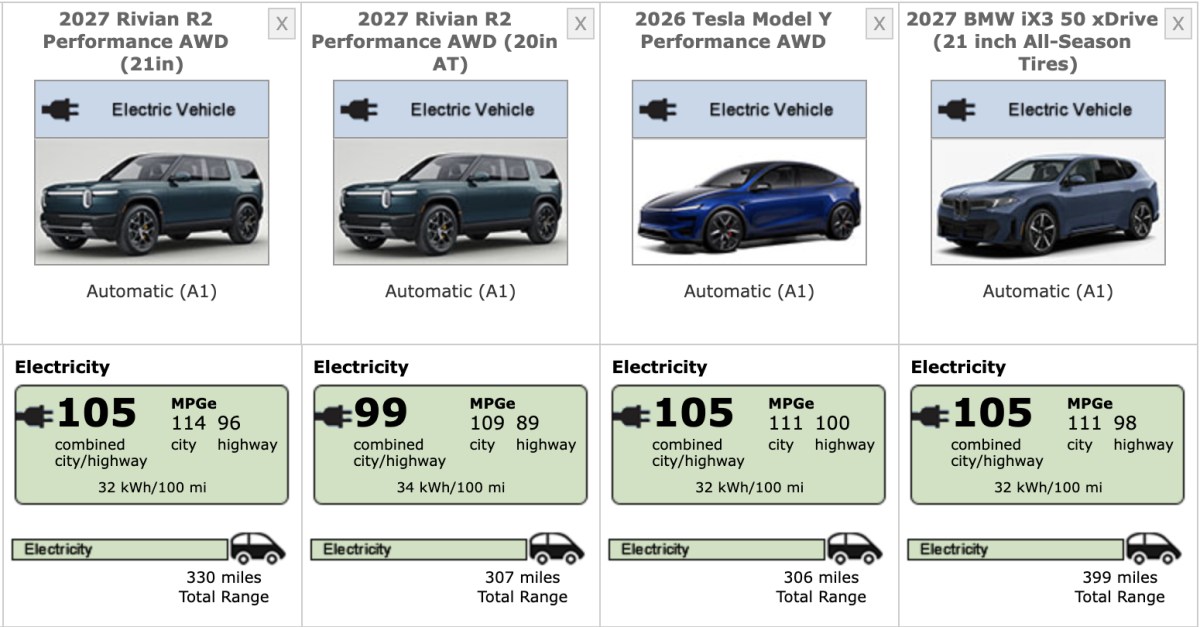
A closer look at driving scenarios reveals where each EV has an advantage. The R2 Performance shows strong numbers in city driving, reaching 114 MPGe compared to Tesla's 111 MPGe. When traveling on highways where wind resistance is the main factor, the aerodynamically optimized Tesla gets the lead with 100 MPGe against Rivian's 96 MPGe rating.
The Rivian R2 Performance enters the market with a starting price of $57,990 in the US, which includes the special Launch Package with a unique key fob, a dedicated towing package, and advanced driving assistance software. Tesla Model Y Performance sits just below the R2 at $57,490, making the price difference probably negligible for premium buyers comparing the two models.
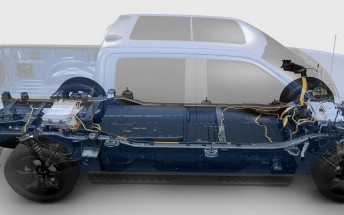
The technical breakthrough we see here comes from architectural upgrades developed specifically for the R2 platform. Rivian reduced R2's weight by nearly 1,301 lb compared to the larger R1S model. This was accomplished with advanced die-casting production methods, a brand-new drive unit, and a streamlined suspension layout.
Market competition will no doubt intensify quickly as consumer deliveries for the R2 begin on June 9. Shoppers will weigh distinct brand strengths, such as Rivian's adventurous design philosophy and generous cabin space against Tesla's established global service network. Rivian drivers have access to the extensive Supercharger network, but Tesla maintains an advantage in overall manufacturing volume and service availability.
The production capacity will be the main problem for the challenger brand. Industry forecasters expect the company to build between 22,000 and 23,000 units of the R2 this year - that's a small fraction of the volume generated by Tesla's mature manufacturing facilities. Still, delivering equal energy metrics against the industry benchmark proves that Rivian found a way to design a competitive SUV without sacrificing traditional design appeal.
Related
Reader comments
- GeraldTB
That is because it is an average with the dual motor. Once you are on the highway you are only engaging one motor so you will see closer to 4. Most of the dual motor evs are breathing the estimated range and efficiency because of how the US forces th...
- 03 Jun 2026
- AEu
- G
Sounds like it was written by someone who owns Rivian stock and is 90% underwater lol.
- 01 Jun 2026
- 7BB
- Chief sleep officer
327mi range at 32kwh per 100mi. Just doing some napkin math, if you work out how many miles you get per Kilowatt-hour from the stated efficiency you get 3.125mi/KwH. So 86.8 (battery pack) times 3.125 should be your estimated range. Which obviously i...
- 31 May 2026
- 754