VW is trading German pride for Chinese code - L3 autonomous driving from 2027
There is a profound (and beautifully ironic) twist unfolding in the global automotive landscape right now. The proud titans of Wolfsburg dictated exactly how cars were built, stamped, and sold to the rest of the planet for nearly a century. If you wanted absolute mechanical perfection, you bought German hardware. But in the ruthless, warp-speed arena of modern electric vehicles, the old rules have been thoroughly tossed out the window.
Hardware is no longer the king, and the realization has finally set in that building a flawless chassis doesn't mean a damn thing if your software behaves like a frozen desktop computer from the late nineties. The proud makers of the Golf and the Passat have been forced to acknowledge a bitter truth: to win the modern EV turf war, they need outside help.
I vividly remember the horror stories coming out of Volkswagen's internal software division, Cariad, over the last few years. It was arguably one of the most eye-wateringly expensive stumbles in modern automotive history - billions of euros vanished into the ether, software architectures collapsed under their own bureaucratic weight, and flagship EV rollouts from Porsche and Audi were delayed for months on end while engineers frantically tried to patch glitchy code.
Early ID.4 owners know the pain of infotainment screens going dark mid-drive all too well. It was a sobering lesson for the legacy giant. You simply cannot brute-force a digital tech transformation using a legacy manufacturing mindset. Thankfully, instead of doubling down on a broken internal machine, Volkswagen has swallowed its corporate pride and shifted its strategy toward localized alliances.
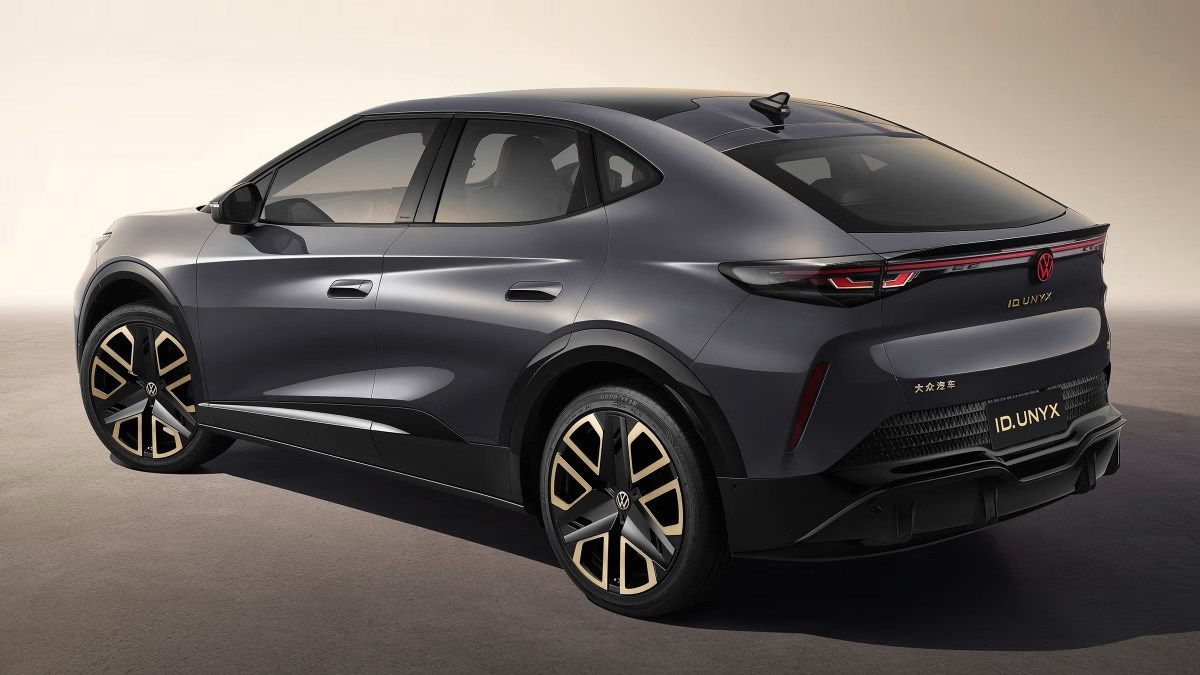
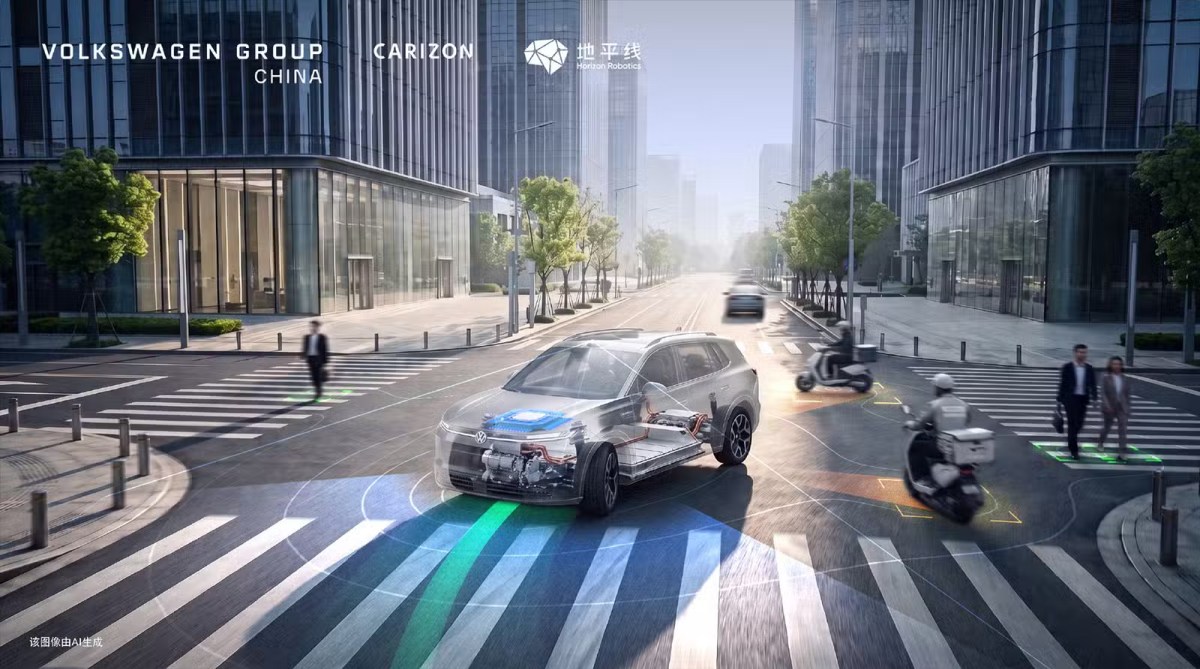
The latest and most ambitious manifestation of this new approach is a tech marriage with Chinese intelligent-driving specialist Horizon Robotics through their joint venture, Carizon. The goal is clear, aggressive, and bound to make rival executives sweat - delivering full Level 3 autonomous driving capabilities to customers in China as early as the second half of 2027. For a company that was struggling to make a basic backup camera interface behave a few years ago, aiming for eyes-off, hands-off autonomy is a huge leap forward.
Digitally speaking, this isn't yet another boring marketing agreement wrapped in corporate fluff. Carizon is using a "white-box" licensing model, which essentially means Volkswagen gets unrestricted access to Horizon's advanced AI foundation models. This brainpower will be integrated with a custom-developed C7H system-on-chip and an incredibly clever data platform dubbed GAIA.
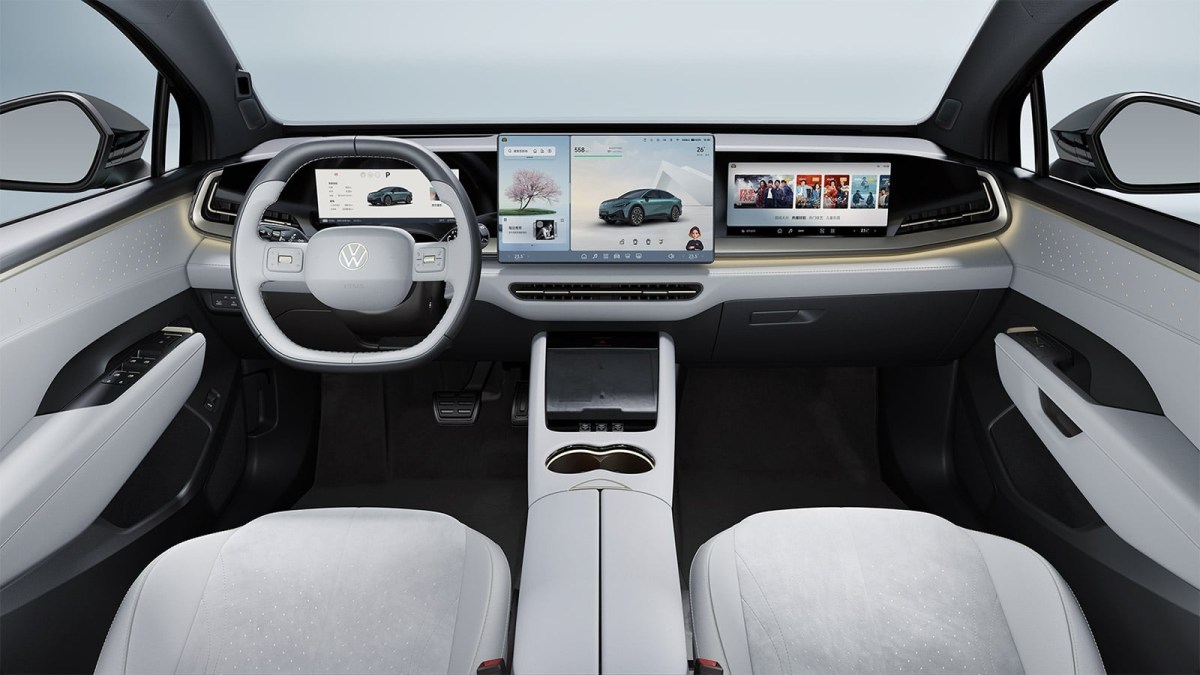
By marrying the AI smarts directly to the silicon, the vehicle will be capable of processing real-world environments in milliseconds. This lays down the foundation not just for Level 3 highway cruising, but eventually Level 4 driverless robotaxi networks that can handle chaotic urban environments without breaking a sweat.
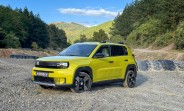
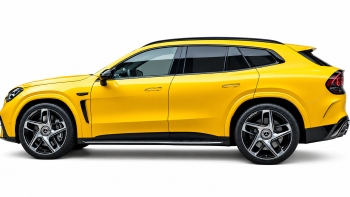
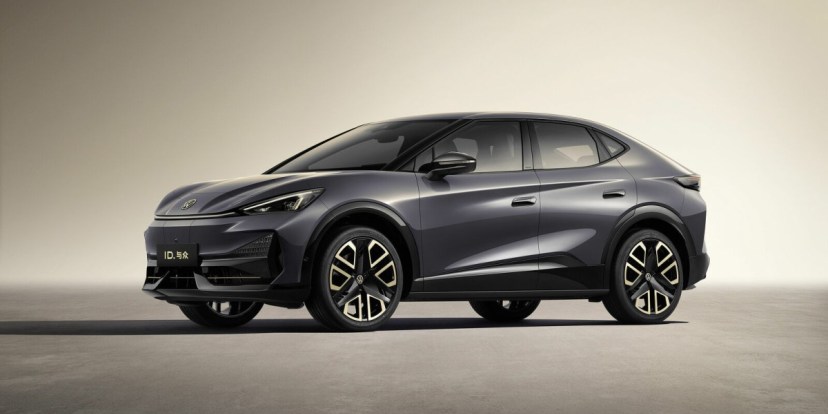
This tech isn't destined to sit inside a laboratory gathering dust either. The digital architecture is being hardwired directly into the brand's freshly minted China Electronic Architecture, or CEA, which was co-developed alongside the EV mavericks at XPeng. We are already seeing the early fruits of this collaborative labor trickling down to actual production cars. Advanced driver-assist packages have already rolled out on the ID. UNYX 07 and its high-riding sibling, the ID. UNYX 08 SUV, bringing highway navigation assistance and clever memory parking out to the masses.
But why is Volkswagen moving with such urgency? Because the Chinese domestic market is an absolute meat grinder where complacency means swift death. The local buyers treat digital features not as optional luxury boxes to tick - they are the baseline requirements. The scale of the shift is telling: more than 30% of all new vehicles sold in China during the first half of this year came with advanced navigation-assisted driving functions as standard.
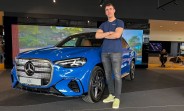
In a market where software adoption rates regularly climb from 30% to 40% in the blink of an eye, legacy players are under such extreme pressure that they are practically lining up outside the doors of local tech firms with open checkbooks. Stellantis is out there running robotaxi trials with Pony AI in Europe, and Mercedes-Benz is testing automated services with Momenta over in Abu Dhabi.
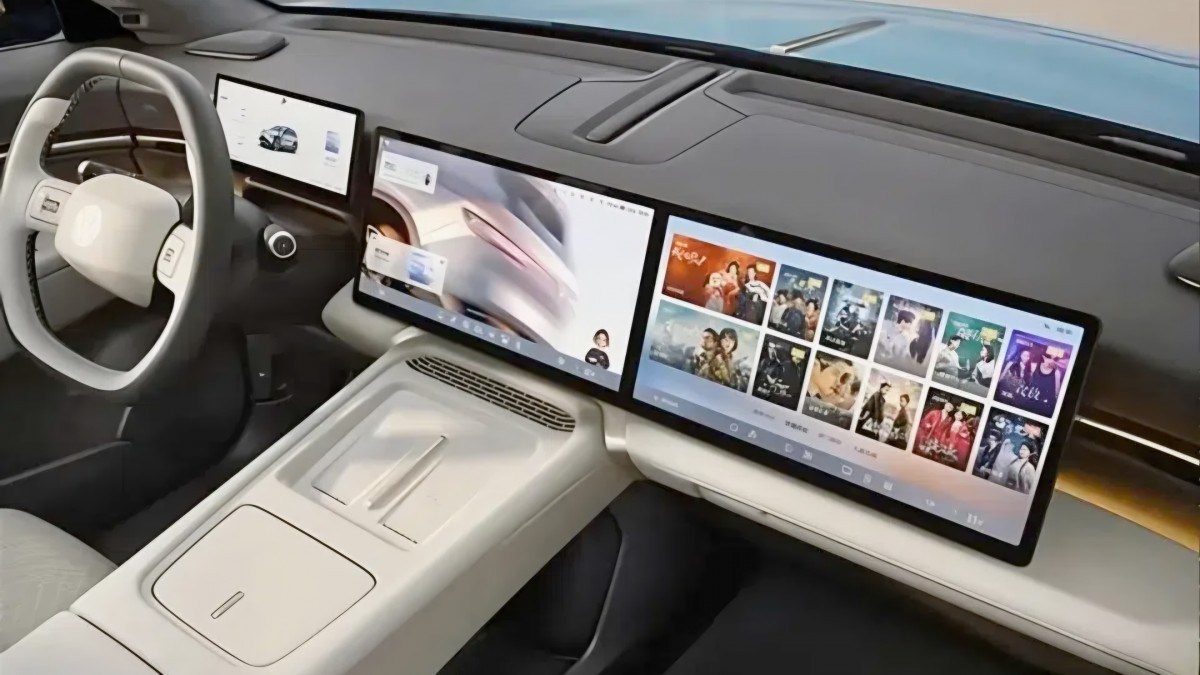
What we are witnessing is the birth of a hybrid era. The traditional barriers that once separated automotive hardware from raw computing power have completely dissolved. Volkswagen is effectively acknowledging that to survive the electric gold rush, it must stop trying to be a software company and start being a world-class integrator of local expertise.
If this deepened Carizon tie-up delivers on its promises by the second half of 2027, the German giant might just prove that it is possible to teach an old dog some digital tricks. Turn the dial to 11, let the silicon do the heavy lifting, and let's see if this legacy titan can truly reclaim its crown. Though, I wonder - with many manufacturers dismissing the L3 as unnecessary (since the L2+ is basically the same, and jumping straight to L4 makes more sense) - is VW chasing the wrong dream? Again?
Related

Reader comments
- Anonymous
Comparisons of autonomous safety against an "average driver" is not much to tout. The average driver is scary as well as improper training data. Autonomous driving should be compared against a set of "best drivers" and trained f...
- 26 Jul 2026
- kmq
- Anonymous
Yet the EU continuously sabotages it's ability to secure cheap energy to fuel their manufacturing industries. It's just one blunder after another.
- 24 Jul 2026
- kZg
- Anonymous
MG, Rover or Volvo are nothing compared to VW. Even though market capitalization is petty small It still has >350 billion $ in revenue and 13 billion $ profit. Its a strategic company, EU will never allow selling It to Chinese.
- 23 Jul 2026
- MSK