XPeng in talks to buy an empty Volkswagen factory
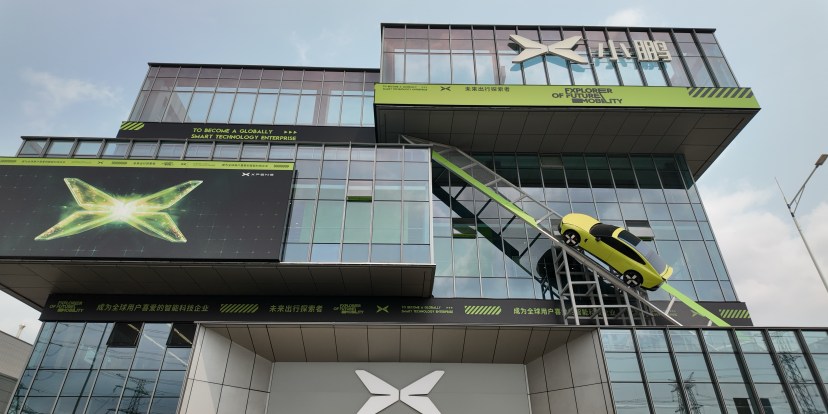
The European automotive market is experiencing an interesting shift. Legacy manufacturers dominated the continent for decades with massive factories and established supply chains, but now, the tables are turning in a rather ironic way. Young Chinese EV manufacturers are outgrowing their production lines, just as established local giants are trying to downsize. The latest example of this trend involves XPeng, a Chinese brand that is already in negotiations to buy a manufacturing plant from Volkswagen.
XPeng needs more space because its international sales are climbing fast. In April 2026, the company exported a record 6,006 vehicles - a 62% increase compared to the same month last year, and a 28% jump from March 2026. The automaker shipped 17,563 EVs overseas during the first four months of 2026 - a 55% surge over the previous year. This rapid growth is pushing the company's production lines to their absolute limits.
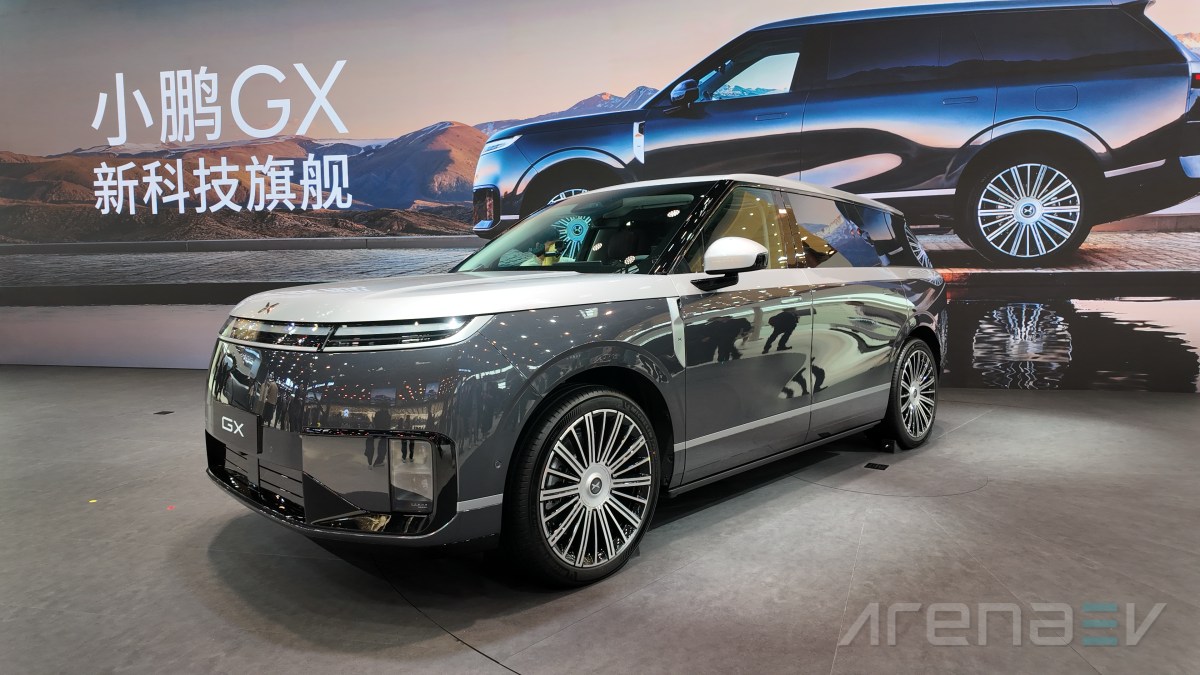
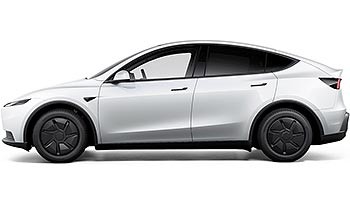
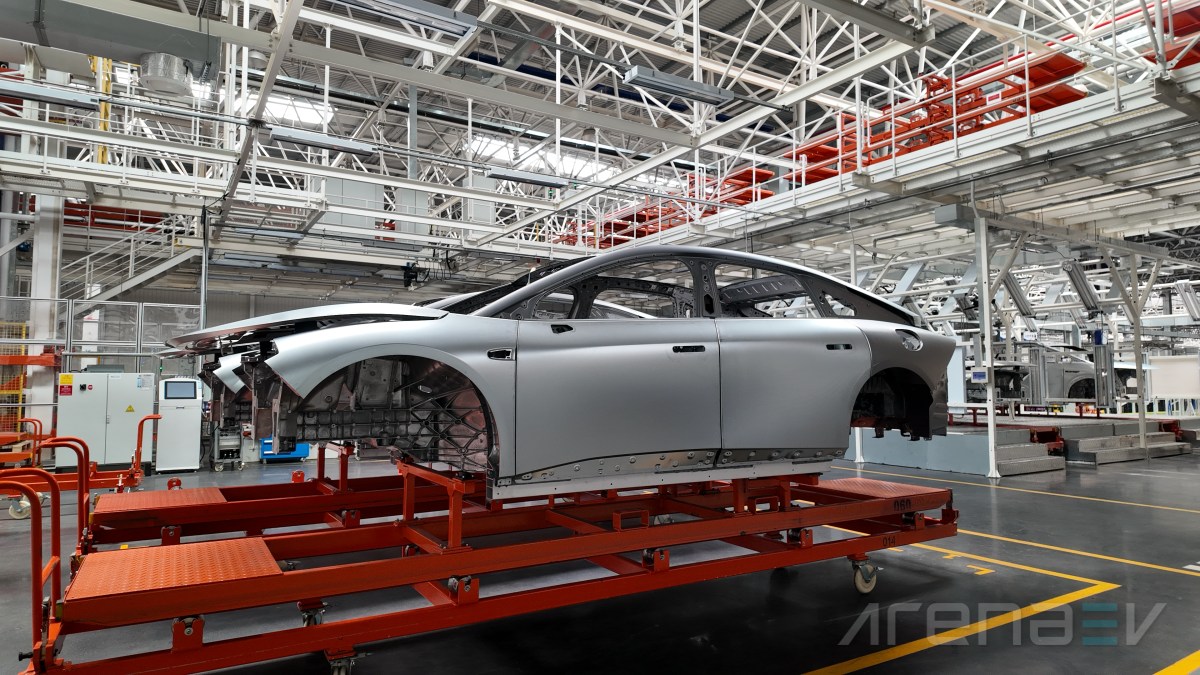
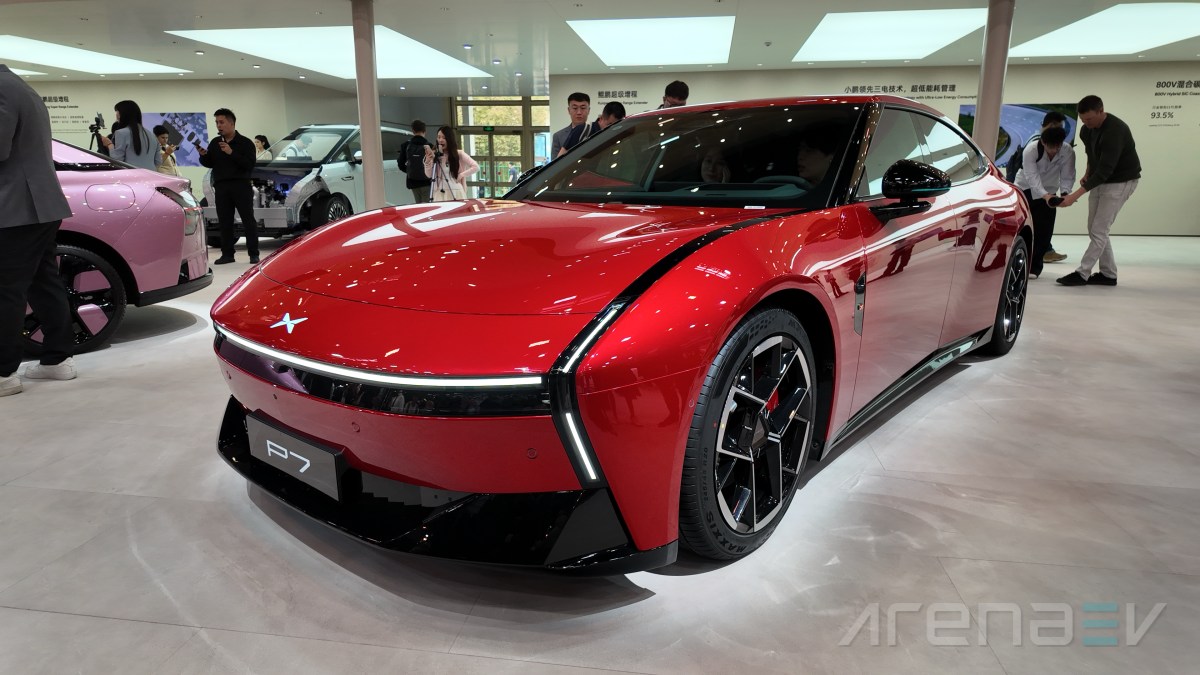
The company has a contract production at the Magna Steyr plant in Graz, Austria, to build vehicles for European buyers. But this line is officially running out of space. The Austrian facility has been manufacturing the G6 and G9 electric SUVs since September 2025, and workers completed trial production of the new 2026 P7+ electric sedan at the facility in January 2026. Building cars within Europe allows the company to completely bypass the European Union's steep import tariffs on Chinese-made EVs, which can reach up to 35.5%.
Elvis Cheng, the managing director of northeastern Europe for XPeng, revealed the factory talks during the Financial Times' Future of the Car summit. Cheng confirmed that the company is actively talking to Volkswagen to secure a physical production location on the continent. He did not hold back when evaluating the German brand's real estate. Cheng noted that some of Volkswagen's factories are "a little bit old" and might not meet the strict technical requirements needed to build advanced, modern EVs. If a proper acquisition deal falls through, the Chinese brand is ready to build a completely new factory from scratch.
This potential real estate deal aligns perfectly with a painful corporate diet at Volkswagen. The German auto group is drowning in excess production capacity and faces big structural changes, leading to an estimated 35,000 job cuts. VW shut down its Dresden factory in December 2025, marking the first German plant closure in the company's 88-year history. The company plans to lower its annual capacity by approximately 750,000 vehicles by 2030, with an additional 500,000 units of capacity reduction planned across Europe by focusing on underused facilities.
Interestingly, these two companies are not strangers. Volkswagen actually owns a piece of its Chinese rival. Back in 2023, the German manufacturer spent $700 million to purchase a 5% stake in XPeng. Since then, the financial tie has evolved into a deep technological partnership. Volkswagen became the first commercial buyer of XPeng's second-generation VLA 2.0 smart driving system - the first time a major legacy European automaker has imported core artificial intelligence technology from a young Chinese EV brand.
XPeng is not the only company trying to buy its way into European manufacturing. A massive wave of Chinese automotive localization is sweeping across the continent. Just one day before XPeng's announcement, rival automaker BYD revealed that it is also hunting for factory deals with Stellantis and other European companies to take over their empty assembly lines. BYD is already building its own dedicated factory in Hungary, which should start operations this year, alongside a $1 billion plant in Turkey scheduled to open by the end of December.
Traditional European brands seem happy to hand over the keys to their facilities. Rather than worrying about letting the competitive fox into the automotive henhouse, legacy brands are holding open the door. Stellantis is deepening its ties with another Chinese brand, Leapmotor. The automotive giant plans to hand over the ownership of its Madrid factory to Leapmotor's Spanish subsidiary. It will also add new manufacturing lines at its Zaragoza plant to build these new electric cars. By doing this, legacy brands can monetize empty buildings that they can no longer fill with their own products.
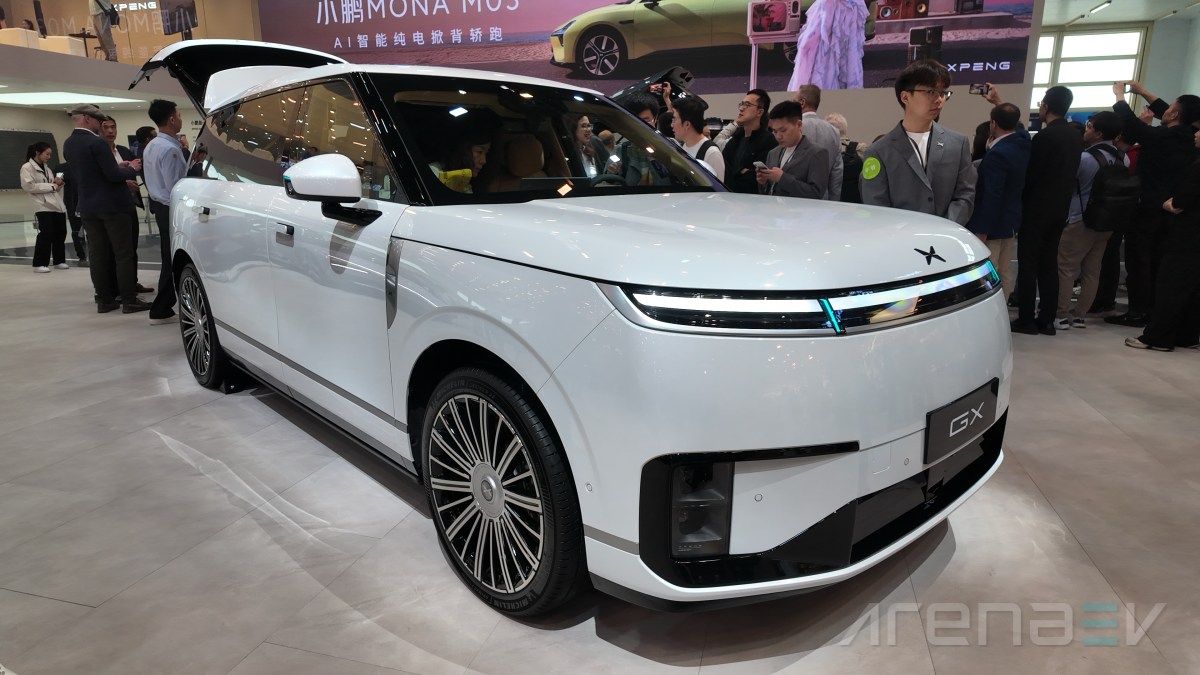
The global car industry is changing at an incredible pace. Just two years ago, in January 2024, XPeng exported a tiny total of 398 vehicles. Reaching 6,006 units in a single month shows a fifteen-fold increase in just over 24 months. The brand's global sales footprint spans over 1,000 retail outlets across 60 countries. Chinese companies are no longer shipping electric cars across the ocean - they are actively transforming themselves into local European manufacturers. Legacy car companies that are still struggling to fill their factories will have to accept a new reality: the competition has moved into the neighborhood.
Related

Reader comments
- Anonymous
Sadly, neanderthals like you still exist.
- 19 May 2026
- CL3
- Anonymous
Sadly your IQ is below room temperature
- 18 May 2026
- pPU
- EuropeGo
Good, now we finally can drive decent cars
- 17 May 2026
- 3SL