BMW is hedging its battery bets with Samsung and LG
The badge on the car is important, sure - but it matters far less than the supply chain behind the brand. You realize it the moment you pull into a charging station with a cold battery pack and watch the charging crawl at a fraction of its advertised speed. Carmakers used to treat batteries like commodity parts they could simply order from a catalog on the other side of the world and bolt into the existing car. But as BMW prepares for the next phase of its sixth-generation electric architecture, the company is tying its future much closer to South Korean battery giants Samsung SDI and LG Energy Solution to make sure its batteries are built right next door to the factories that assemble the cars.
On paper, it looks like a boring procurement update, with BMW contracting Samsung SDI to supply sixth-generation battery cells from its existing European factories and tapping LG Energy Solution to do the same from its established plants in the United States. Look past the corporate speak, and you see a carmaker hedging its geopolitical and financial bets. Until this week, BMW's European cell roster for its new cylindrical batteries relied on Chinese suppliers CATL and EVE Energy. By bringing Samsung SDI into the European fold and handing LG Energy Solution a major American contract, Munich is insulating itself against trade tariffs, strict domestic subsidy rules, and the very real risk of shipping bottlenecks.
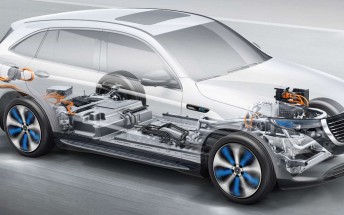
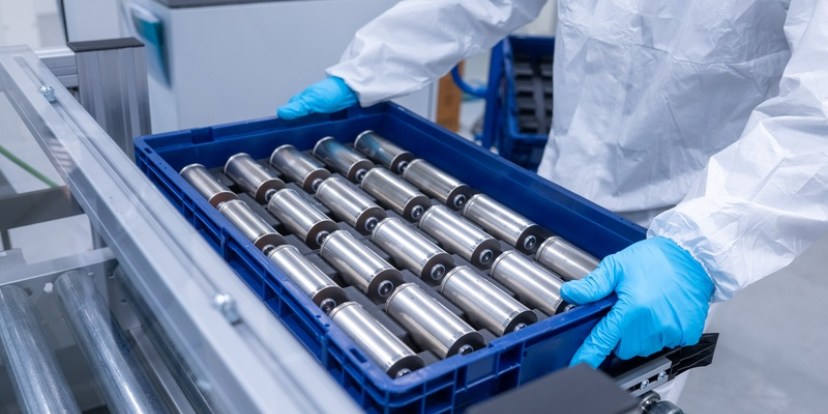
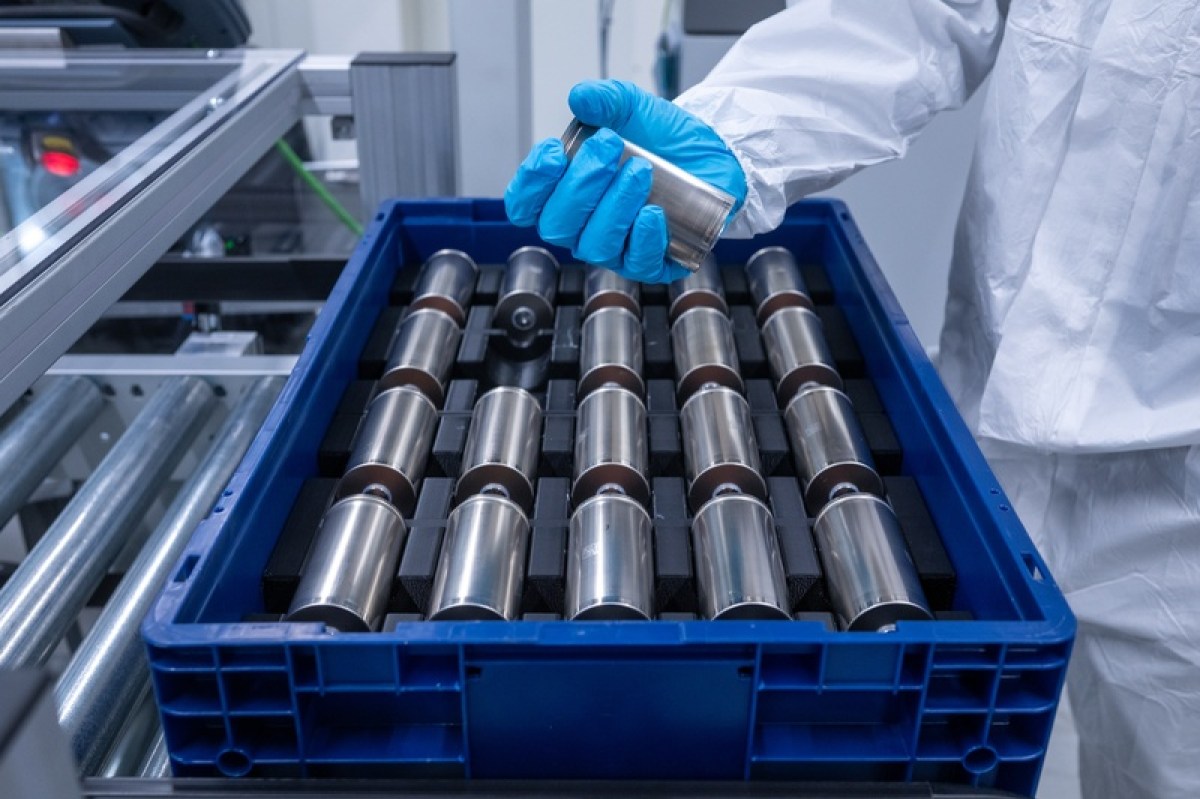
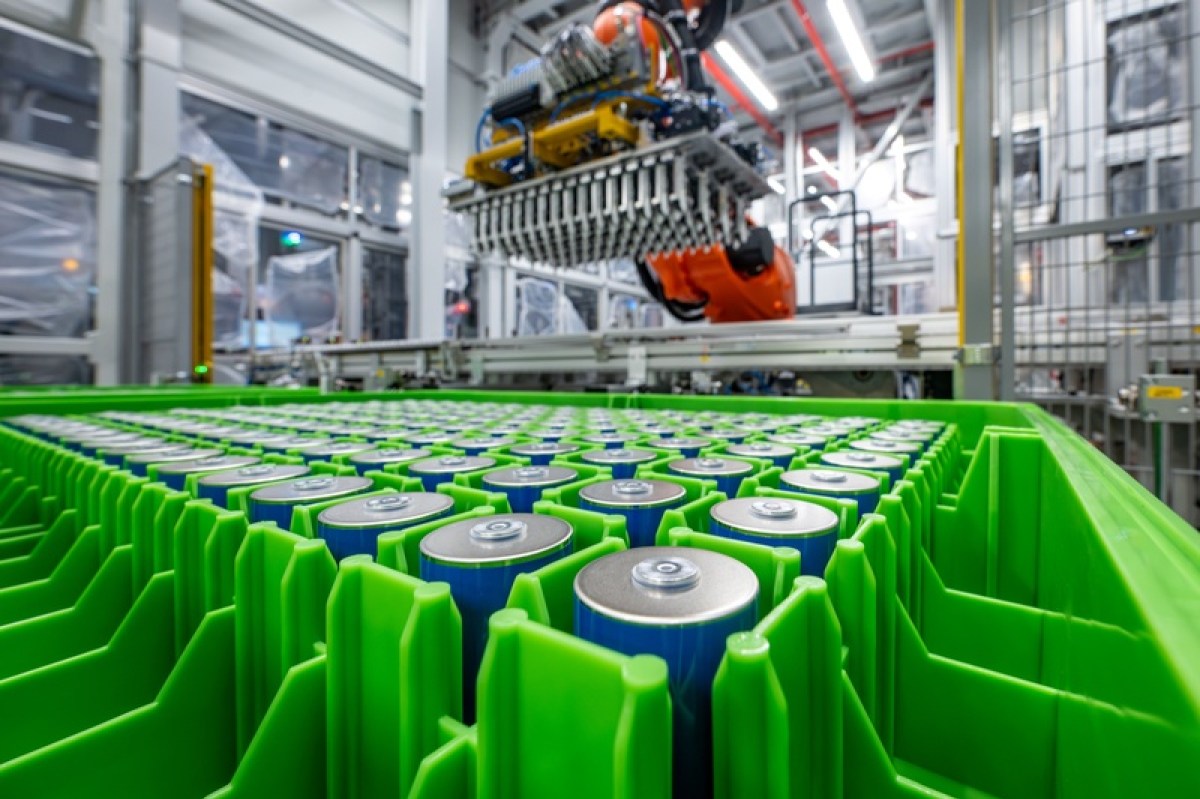
It's interesting to realize what BMW's sixth-generation - or Gen6 - hardware does to the physical shape and weight of a car. Instead of the flat, book-shaped prismatic cells BMW used in everything from the quirky i3 hatch to the current i4 and iX, Gen6 switches to round cylindrical cells measuring 1.81 inches in diameter. They come in two heights depending on the vehicle: 3.74 inches for lower saloon cars and 4.72 inches for taller crossovers. These cells pack more nickel into the cathode and more silicon into the anode, and slot right into a structural pack without heavy intermediate modules. They cut manufacturing costs and improve charging speeds and driving range by roughly 20% to 30% over the outgoing fifth-generation packs.
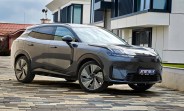
Keeping a car like the new iX3 price-competitive against Audi and BMW - let alone aggressive Chinese imports - is practically impossible if you are shipping battery cells halfway across the planet and paying punitive import duties at the border. That is the real story behind BMW's "local for local" manufacturing strategy. Rather than buying finished battery packs and hoping for the best, BMW has built five battery assembly plants right beside its major vehicle factories: Irlbach-Straßkirchen in Lower Bavaria, Debrecen in Hungary, Shenyang in China, Woodruff in South Carolina, and San Luis Potosí in Mexico. By having Samsung SDI feed the European assembly lines and LG Energy Solution supply the North American operations from existing regional plants, the cells only have to travel a few hundred miles by lorry or train before being sealed into a chassis.
A few years ago, automotive chief executives loved standing on stage and promising they would become vertically integrated battery barons overnight, building proprietary gigafactories from scratch. Ask Volkswagen how easy it is to scale up an in-house battery division, or look at how Northvolt stumbled when trying to go toe-to-toe with established Asian cell makers in Europe, and all that bravado starts to look naive. Mass-producing millions of defect-free cylindrical cells with microscopic tolerances is a capital-intensive business. BMW knows that letting Samsung SDI, LG Energy Solution, CATL, and EVE Energy handle the stamping and coating in their own factories is far smarter than burning billions trying to reinvent the wheel.
But outsourcing the heavy manufacturing only works if the carmaker knows enough about the chemistry to stop suppliers from dictating the terms or cutting corners. That's why BMW spends so much money running three battery facilities in Bavaria. At the Battery Cell Competence Center in Munich, engineers develop and test chemical recipes they want inside their cells. Down the road at the Cell Manufacturing Competence Center in Parsdorf, BMW runs its own pilot production lines to build near-series cells, figuring out the exact manufacturing bottlenecks and resource efficiencies before handing the blueprint to partners like Samsung and LG.
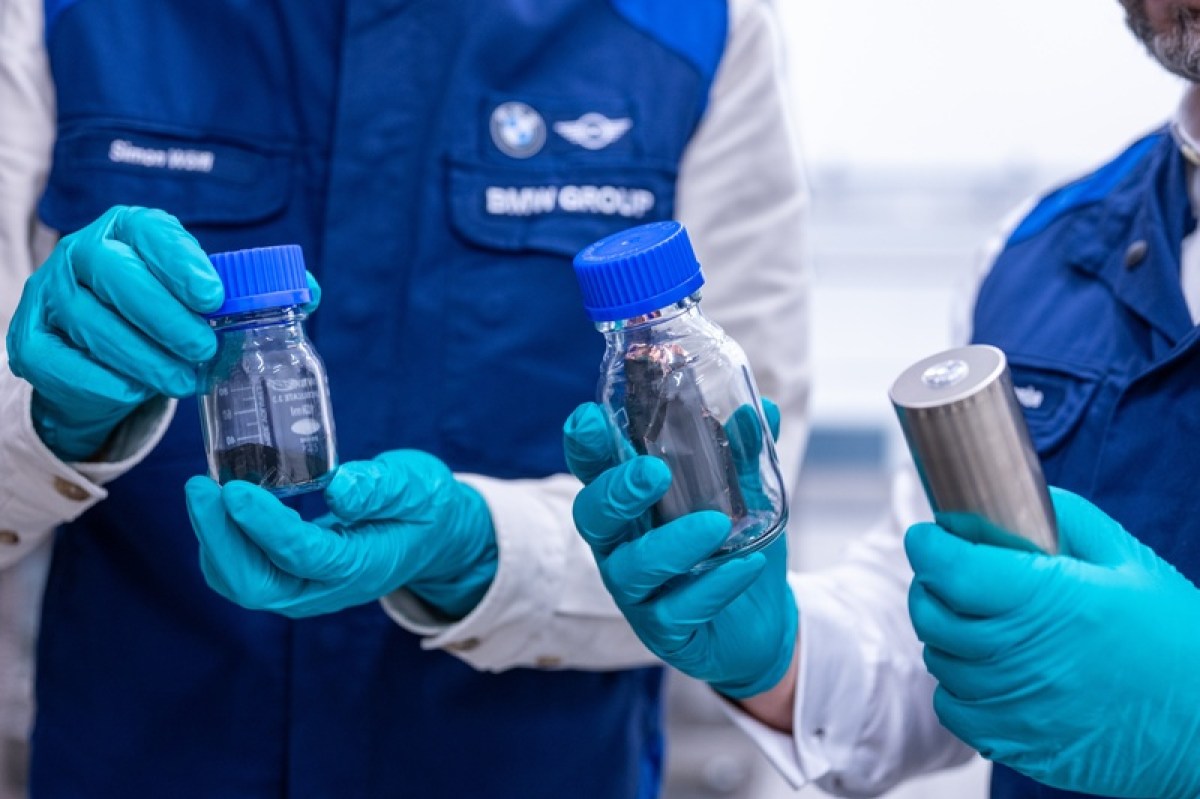
The third Bavarian piece of that puzzle sits in Salching, where the new Cell Recycling Competence Center - built and operated by Encory GmbH using BMW's own patented intellectual property - focuses on mechanical recycling. Conventional battery recycling involves melting old packs down in energy-hungry furnaces or dissolving them in harsh acids to recover raw lithium, nickel, and cobalt. Direct recycling skips the smelting, mechanically separating the active cathode and anode materials from production scrap and end-of-life packs so they can go straight back into new cell production without losing their chemical structure.
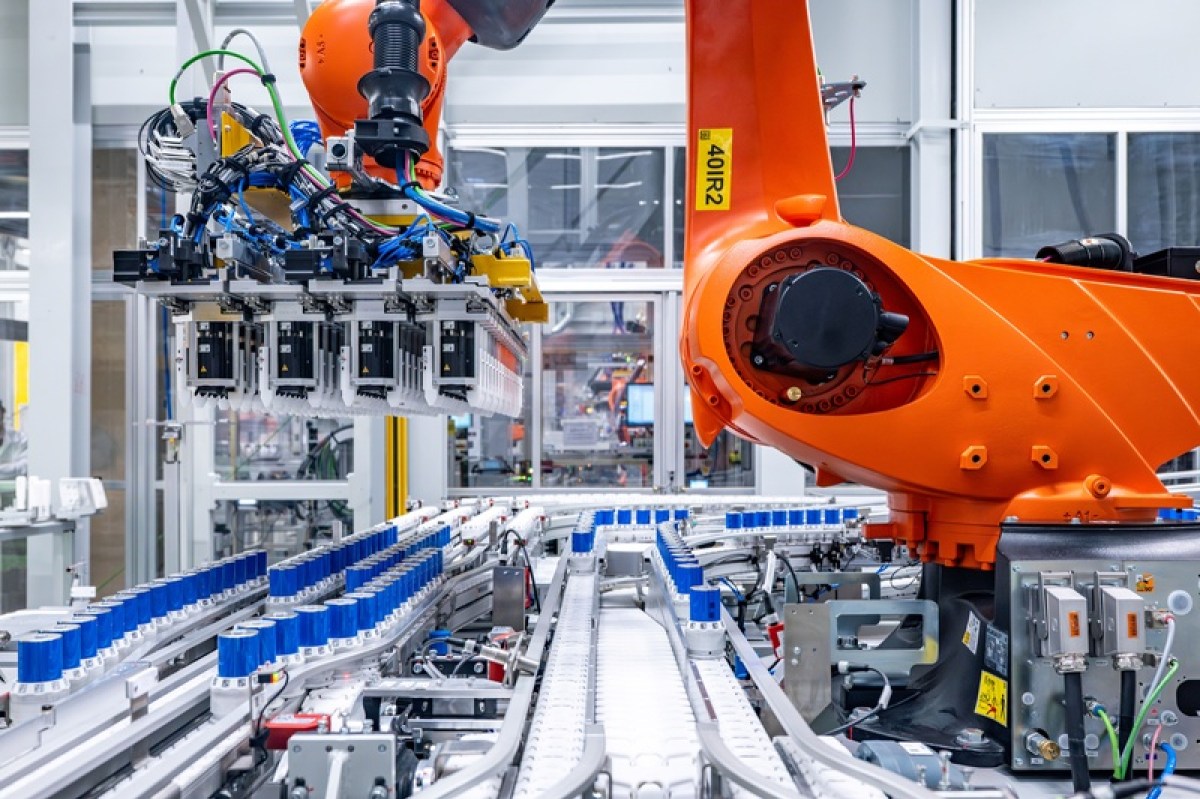
Sure, a buyer walking into a dealership will never ask if the battery cells came from a Samsung line in Hungary, an LG plant in the American Midwest, or a CATL facility in Germany. What they will care about is whether the car adds 186 miles of range during a fifteen-minute coffee stop, holds its residual value, and qualifies for whatever regional tax breaks politicians have invented that month. BMW is simply making sure its future electric cars are defined by how well they drive, rather than where their parts got stuck in customs.
Related


Reader comments
Nothing yet. Be the first to comment.