BYD eyes a new home in Volkswagen’s famous Transparent Factory
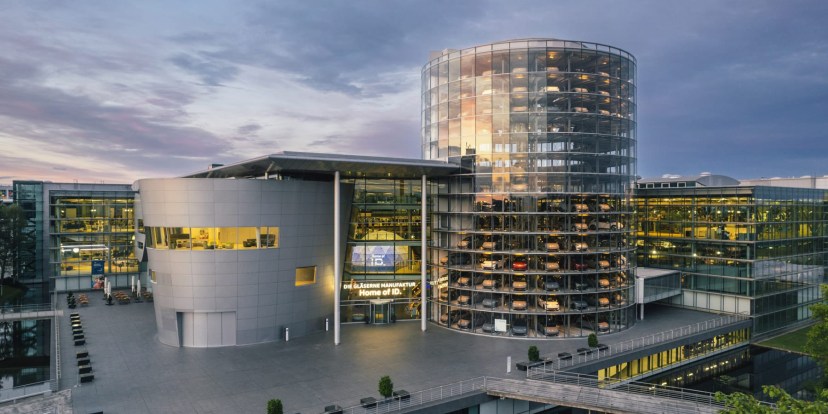
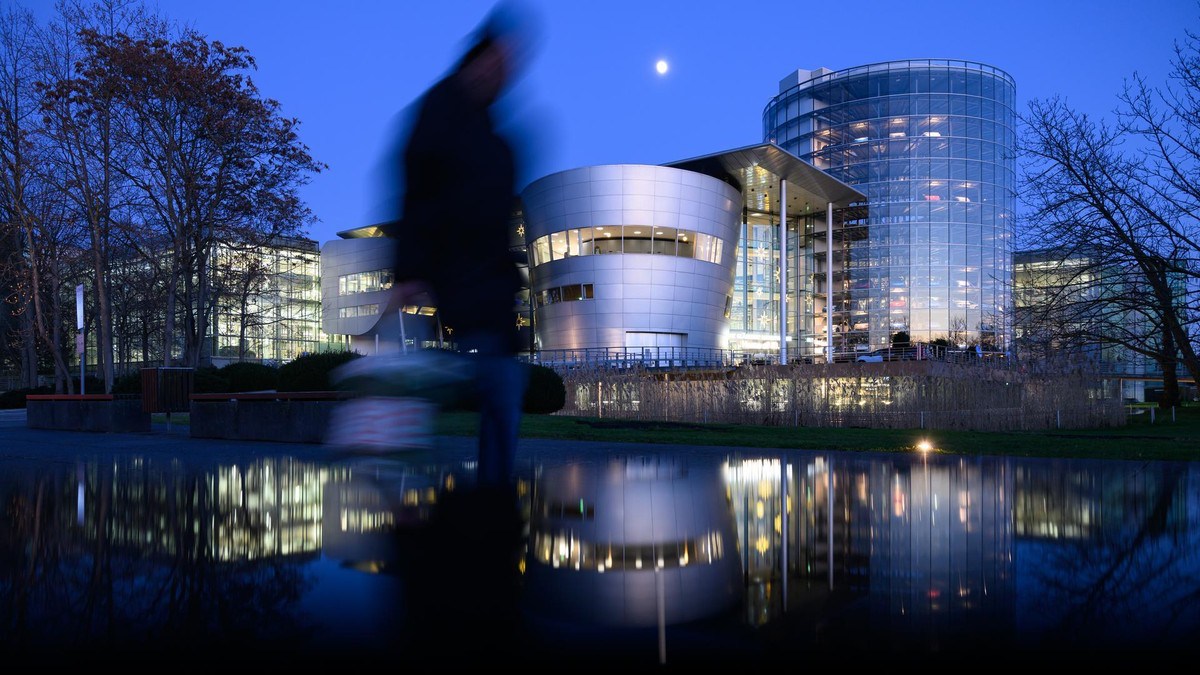
The city of Dresden in Germany is famous for its history and beautiful buildings. One of those buildings is a car factory made almost entirely of glass. Volkswagen used this "Transparent Factory" to show off its best engineering. Now, the quiet halls might soon fill up with the sound of workers building Chinese electric cars. Sources say that BYD is talking to Volkswagen about moving into part of the famous site.
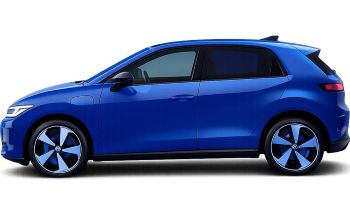
Volkswagen stopped making cars at the Dresden plant at the end of 2025. The factory, known as the Gläserne Manufaktur, first opened its doors in 2002. It was a special project for the luxury VW Phaeton. Later, workers there built Bentley cars and the electric e-Golf. Most recently, it was the home of the ID.3. Even though it looks amazing, the factory only produced about 6,000 units of the ID.3 every year. With only 205 employees, it was more of a trophy case than a high-speed assembly line.
BYD is the biggest seller of EVs in the world, and they want a bigger piece of the European market. If the deal goes through, BYD would invest money to set up production in one half of the glass building. The other half of the factory is already spoken for. The state of Saxony and a local university, TU Dresden, want to turn that space into a center for new technology. This "innovation hub" will likely cost around $59 million to set up.
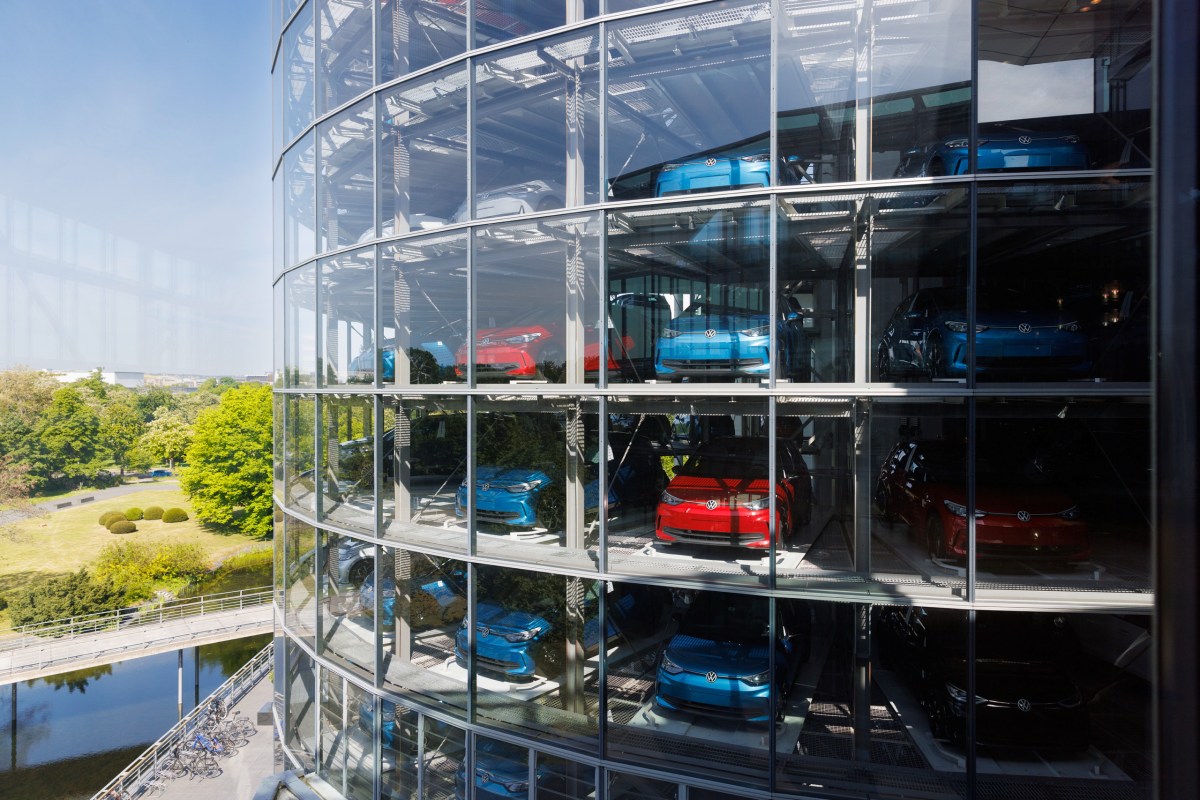
Buying or renting space from a rival might seem strange, but it helps both companies. Volkswagen CEO Oliver Blume said that sharing factory space with Chinese companies is a smart move. Volkswagen is trying to shrink its global production from 12 million cars down to 9 million cars. They have a lot of extra room and not enough work to fill it. Selling or leasing parts of their factories helps them cut costs while they figure out their own future.
For BYD, having a factory in Dresden is about more than extra space. It is about the "Made in Germany" label. People all over the world trust German engineering. If BYD builds its EVs in Dresden, it looks like a local brand instead of a foreign visitor. The company is already growing fast in the region. In March, BYD sold 3,438 cars in Germany - a 327% jump compared to the year before.
The move to Germany also helps BYD dodge some taxes. Right now, BYD has to pay a 10% import tax plus an extra 17% tariff because the European Union is worried about Chinese subsidies. Making cars inside Europe avoids some of them. BYD is already building factories in Hungary and Turkey to get around these rules. Turkey is a popular choice because it does not face the same high tariffs as China when shipping cars into the EU.
Politics is playing a big role in where these factories land. Germany voted against the higher taxes on Chinese electric cars, which made leaders in Beijing very happy. China tends to reward countries that support its business. Leapmotor moved its production from Poland to Spain because Spain was more friendly toward Chinese trade. Now, BYD, MG, and XPeng are all looking for ways to use old European factories to build their new EVs.
XPeng is an interesting case because they already work closely with Volkswagen, which owns 5% of XPeng. They share software and technology for new cars sold in China. It would not be a surprise if XPeng or SAIC's MG brand ends up in a Volkswagen factory soon. These companies are all looking for the fastest way to get their cars onto European roads without paying high shipping costs and taxes.
Of course, the road is not perfectly smooth for BYD. The company has faced some criticism over how it treats workers in other countries like Brazil and Hungary. As they move into Germany, they will have to follow very strict labor laws. Still, taking over a legendary Volkswagen site would be a huge win, showing the world that the power in the car industry is shifting away from the old giants in Europe.
Related



Reader comments
Nothing yet. Be the first to comment.