Xiaomi SkyNomad family goes on sale with 10,000 snapped up in 4 minutes
Xiaomi, the smartphone colossus turned automaker, has decided that conquering the Nürburgring was only an appetizer. To feed the beast of mass-market scale, you do not build low-slung electric sports sedans forever - you build family wagons that can swallow three generations of relatives, their luggage, and enough camping gear to survive a minor apocalypse.
Lei Jun's automotive upstart achieved a huge milestone by eclipsing 800,000 cumulative deliveries in roughly 29 months - a ramp-up speed that has left legacy automakers speechless. But the company's ambitious 2026 goal of 550,000 annual deliveries leaves zero room for complacency. Having shifted 216,322 units through July and roughly 30,000 in August, Xiaomi had conquered only about 44.8% of its annual mountain with four months left on the clock.
Doing the back-of-the-napkin math, they need to deliver an average of 75,900 cars every single month through December. Pure battery-electric cars simply cannot shoulder that kind of volume alone in a country where long-distance holiday charging queues still provoke fistfights at service stations.
So, Xiaomi did what any pragmatist would do: it swallowed its electric purism and bolted on a petrol-burning generator. Entering the extended-range electric vehicle (EREV) arena might look like bad timing on paper - retail sales for EREVs in China actually dropped 15.35% year-on-year between January and July to 535,000 units.
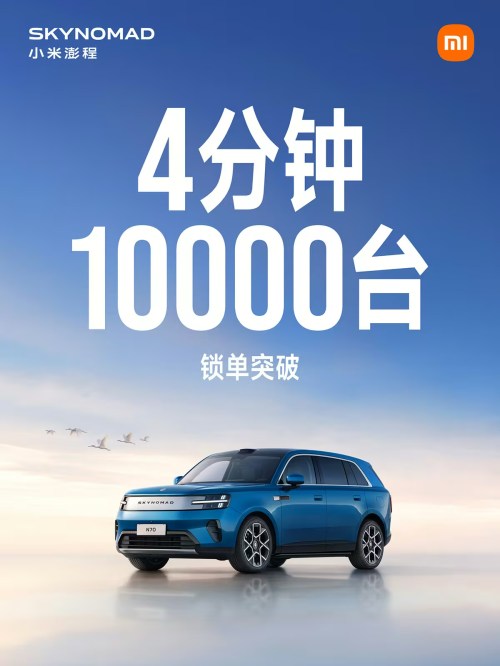
But as purists bicker on internet forums, family buyers with cash in hand have been flocking to extended-range cruisers that promise EV daily running costs with zero holiday range anxiety. Proving that point in emphatic fashion, Xiaomi logged more than 10,000 non-refundable orders within four minutes of opening the books.
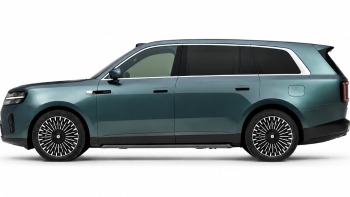
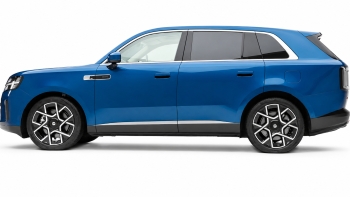
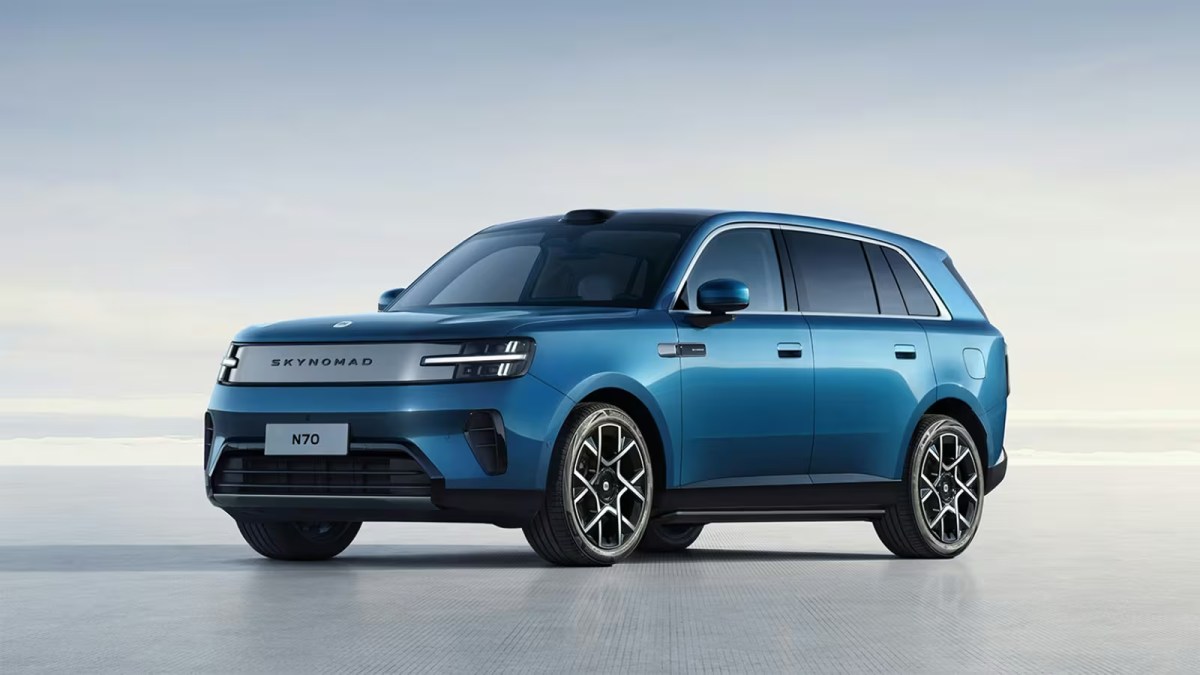
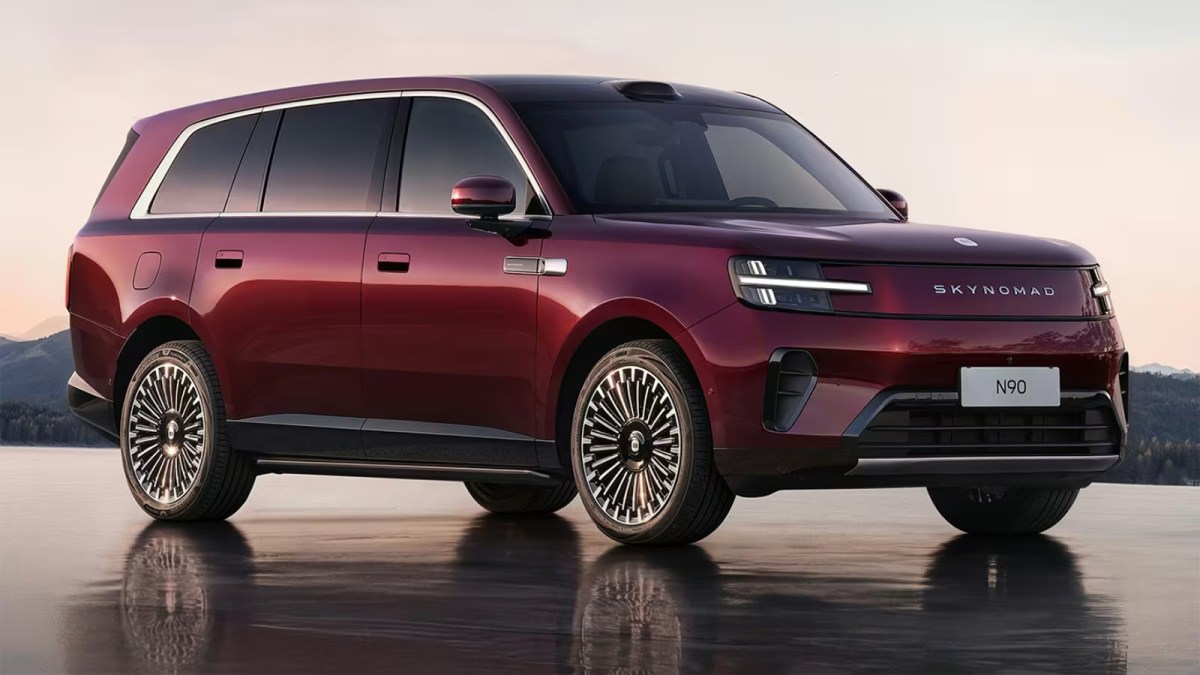
The SkyNomad offensive begins with aggressive pricing: the five-seat N70 Pro kicks off at RMB 209,900 (around $30,960), the more muscular N70 Max drops in at RMB 239,900 - a full RMB 20,000 haircut compared to its original pre-sales quote. Stepping up to the full-size three-row cruiser, the N90 Max arrives at RMB 269,900 (about $39,700), shaving RMB 30,000 off its preliminary sticker. For the suburban nomads who fancy sleeping under the stars, the N90 Max Explorer Edition tops the tree at RMB 299,900 (roughly $44,100).
The entry-level N70 Pro relies on a single front-mounted electric motor kicking out 210 kW (282 hp) through a 52-kWh LFP battery pack sourced from Sunwoda. It will jog from zero to 62 mph in 7.9 seconds, which is leisurely by modern EV standards but perfectly adequate for the school run. More importantly, it delivers 218 miles of pure electric CLTC range and 839 miles of combined petrol-electric endurance.
If you prefer your family hauler with a bit more urgency, the N70 Max swaps in a dual-motor all-wheel-drive system delivering 310 kW, trimming the 0 to 62 mph sprint to 5.5 seconds. It adds air suspension, continuously adaptive dampers, and a massive 76-kWh ternary lithium pack from CALB that yields a class-leading 314 miles of battery range and 908 miles overall.
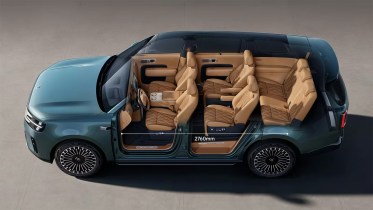

To put the N70 into proper market perspective, you have to look at the king of this segment: the Li Auto L7, which starts at a considerably steeper RMB 301,800. Xiaomi is offering nearly identical road-hugging width and interior roominess while undercutting the L7's entry point by almost RMB 100,000. The base Li Auto relies on modest battery capacities requiring frequent gas engine intervention, but the N70 Max's 76-kWh battery provides genuine, multi-day pure-electric commuting range before the petrol engine even thinks about clearing its throat.
If the N70 is the volume warrior, the N90 Max is the statement piece. Its dual motors marshal 310 kW - a 210 kW unit up front backed by a 100 kW motor at the rear - hustling this two-and-a-half-ton monolith to 62 mph in 5.9 seconds. Thanks to that same 76-kWh pack, the N90 Max manages 288 miles on electric propulsion alone, swelling to an incredible 1,059 miles when the fuel tank joins the party. When you do stop to juice up the battery, fast-charging pumps in 177 miles of electric range in just 15 minutes.
The benchmark six-seater Li Auto L9 is 205.4 inches long, 78.7 inches wide, and 70.9 inches tall, riding on a 122.2 inches wheelbase. The Xiaomi is actually 2.64 inches longer overall, matches its width millimeter for millimeter, and stands slightly taller, and yet it undercuts the L9's RMB 409,800 to RMB 459,800 price tag by a huge margin.
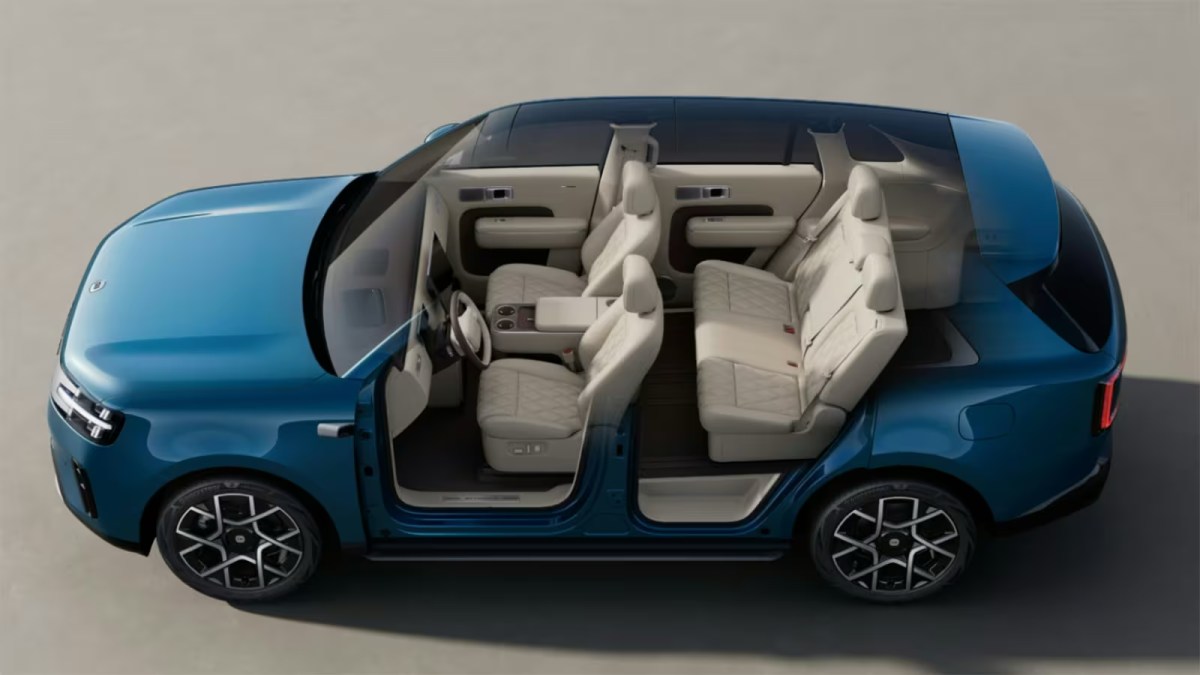
The electronics on all models run on Snapdragon 8 Gen 3 (8650) silicon, powering Xiaomi's own HyperOS ecosystem and tethering your car, phone, and smart home together seamlessly. Up front, you get a central 16.1-inch display, but the party trick is the motorized center island. It rides on floor rails, sliding between the rows, packing multiple hardware expansion ports and a 9-liter compressor refrigerator that actually chills drinks rather than mildly cooling them. First- and second-row seats have zero-gravity modes, heating, ventilation, and deep-tissue massage functions, and the front chairs can swivel completely around to create a mobile lounge.
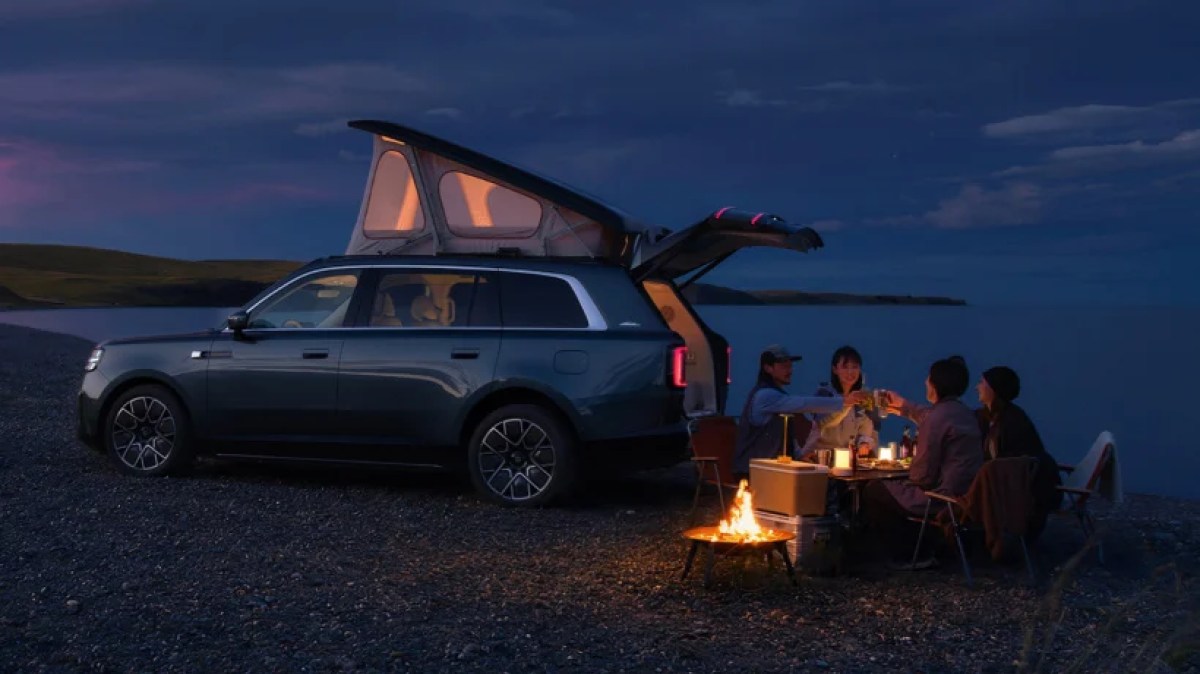
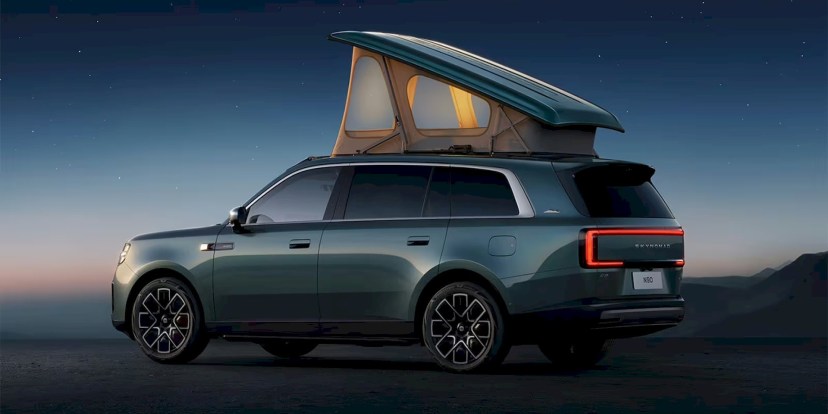
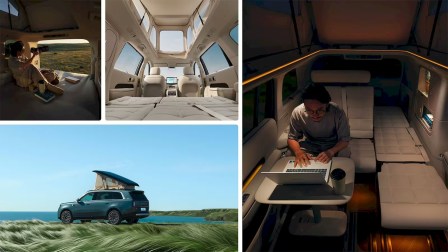
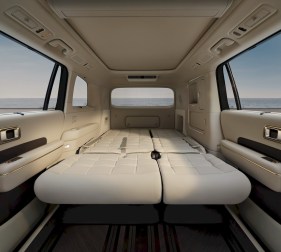
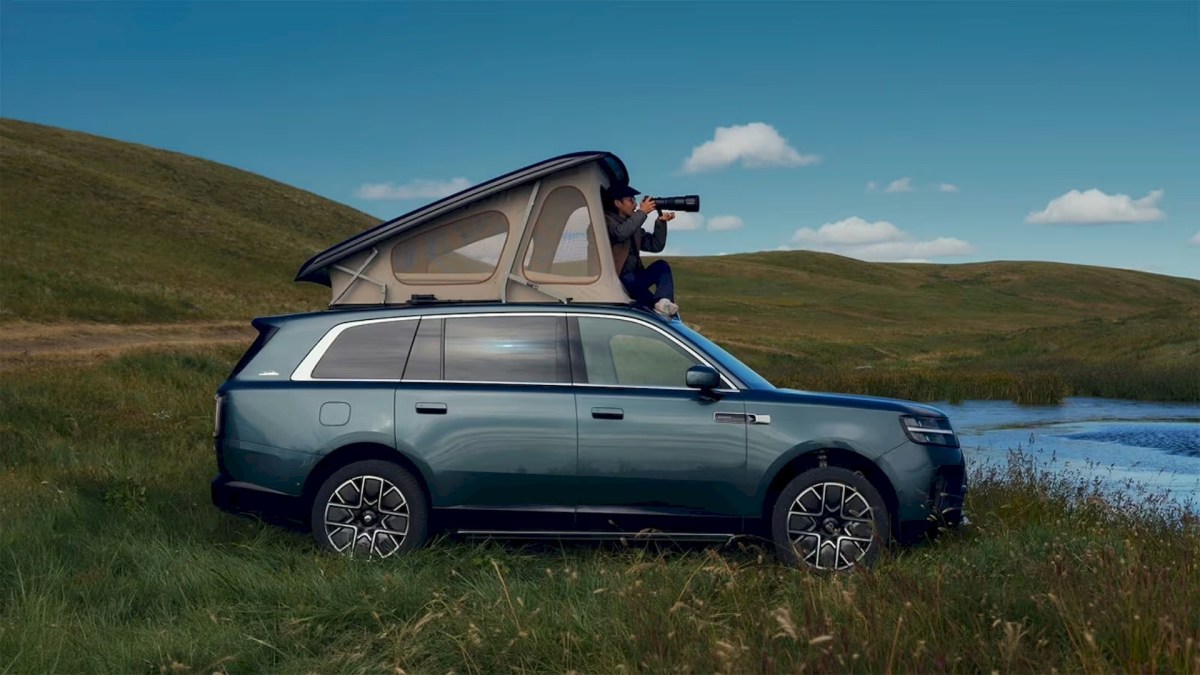
But the true headline grabber is the N90 Max Explorer Edition. Xiaomi looked at the booming Chinese outdoor trend and decided to ditch the third row for a five-seat layout. The Explorer has heated cabin floors and rear seats that fold completely flat into a double bed. At the press of a touchscreen, an integrated electric pop-top roof extends upward, opening an insulated second-story sleeping loft that expands overall interior standing height to 90.3 inches. It is a theatrical addition for sure, but for families escaping the concrete canyons of Shanghai or Shenzhen on a Friday night, it is a very clever piece of factory packaging.
Back to the mechanical hardware - the front suspension uses a double-wishbone architecture, paired with an H-arm multi-link setup at the rear and a five-level height-adjustable air suspension system. When the battery charge inevitably drops, a 1.5-liter turbocharged four-cylinder generator delivering 112 kW hums into life. It is not fussy about its fuel, happily drinking regular 92-octane unleaded with a claimed consumption of 5.7 to 6.26 liters per 62 miles in depleted-battery mode.
Service intervals are very relaxed at three years or 18,600 miles. Driving brains come courtesy of Xiaomi's HAD autonomous driving suite, driven by a 700 TOPS Nvidia Drive Thor processor fed by roof-mounted LiDAR, a rear solid-state LiDAR on the N90, 4D mmWave radar, and a full armada of high-definition cameras.
The boldest flex of the entire launch has to be how Xiaomi addresses battery safety. Christened the "Dragonscale" pack, the battery has millisecond-level high-voltage isolators and redundant heat shielding, overseen by a predictive battery management system.
Xiaomi is so confident in the pack's resilience that it offers a lifetime safety warranty for private, first-hand owners. If a cell suffers thermal runaway due to a manufacturing defect, Xiaomi will replace the entire car free of charge. If you suffer an underbody impact or collision that sparks a fire, the company pledges to cover the financial difference between the insurance payout and the vehicle's pre-crash market value. That is how you disarm consumer hesitation with a single stroke of the pen.
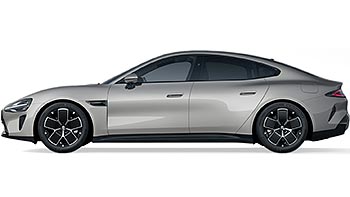
Purists might lament the day Xiaomi put a fuel filler flap onto one of its vehicles, but purism does not keep assembly lines flying at 75,000 units a month. With the SkyNomad lineup, Xiaomi has delivered a practical, absurdly spacious, and priced-to-kill pair of road-trippers that give buyers all the digital wizardry of an EV without the usual downsides of a charging cord. It may not be sleek like the SU7, but it is precisely the kind of comfortable, long-legged machine that turns ambitious sales projections into reality.
Related
Reader comments
Nothing yet. Be the first to comment.